
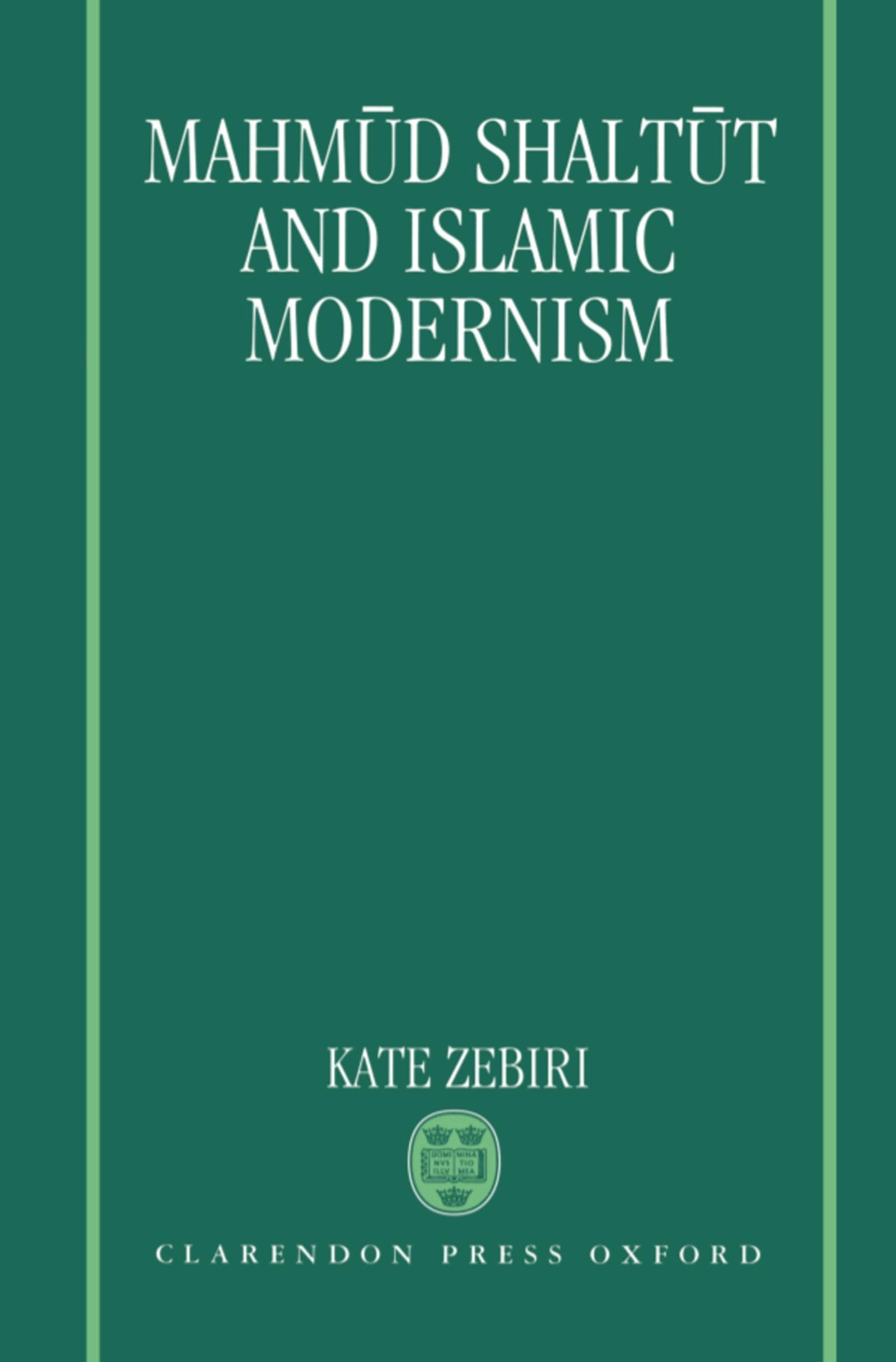
Mahmud Shaltut and Islamic Modernism: A Comprehensive Study by Kate Zebiri – Exploring Reformist Thought at Al-Azhar Uni
Inclusive of all applicable taxes. FREE shipping on all orders.
Available Offers
- 🚚Free Delivery — Free shipping on all orders
- 💵Cash on Delivery — Pay when your order arrives
- ↩️15-Day Easy Returns — Hassle-free return policy
- 🔒Cash on Delivery — Pay safely when your order arrives
Check Delivery
Product Description
Introduction
In the vast landscape of modern Islamic thought, few figures stand as bridges between tradition and reform as Shaykh Mahmud Shaltut. Kate Zebiri’s Mahmud Shaltut and Islamic Modernism offers a penetrating study of this influential scholar who served as Rector of Al-Azhar University during a pivotal era in Egypt’s history. For Indian readers, students of Islamic studies, and anyone interested in the evolution of religious leadership in the Muslim world, this book provides an essential window into the dynamics of reform within a traditional institution. Published by Oxford University Press, this hardcover volume is a scholarly yet accessible resource that illuminates the life, thought, and legacy of a man who sought to reconcile faith with modernity.
Book Overview
This meticulously researched work examines the life and intellectual contributions of Shaykh Mahmud Shaltut (1897–1963), a prominent Sunni scholar who rose to become the highest religious authority in Egypt. The book situates Shaltut’s career within the turbulent political and social context of mid-20th-century Egypt, including the radical reorganization of Al-Azhar under President Gamal Abdel Nasser’s socialist government. Zebiri focuses on Shaltut’s efforts to reinterpret Islamic jurisprudence, promote inter-sectarian dialogue, and address contemporary challenges through a modernist lens. By analyzing his writings, fatwas, and speeches, the author reveals how a traditional scholar navigated the tensions between religious orthodoxy and the demands of a changing world.
Key Highlights
- First comprehensive study of Mahmud Shaltut’s thought in English, filling a critical gap in modern Islamic studies.
- Explores Shaltut’s role in the reform of Al-Azhar University and his engagement with Nasser’s socialist policies.
- Examines his pioneering efforts in promoting unity between Sunni and Shia schools of thought.
- Analyzes his modernist interpretations of Islamic law, including issues of governance, social justice, and women’s rights.
- Draws on primary sources including Shaltut’s own writings, fatwas, and archival materials.
Inside the Book
The book is structured to guide readers through Shaltut’s intellectual journey, beginning with his early life and education, then moving through his academic career and eventual appointment as Rector of Al-Azhar. Zebiri dedicates substantial chapters to Shaltut’s theological and legal reforms, his views on the relationship between Islam and the state, and his efforts to engage with Western thought. The author also addresses Shaltut’s controversial stances, such as his support for family planning and his famous fatwa recognizing the legitimacy of Shia jurisprudence. The final chapters assess his legacy and influence on subsequent Islamic modernist movements.
Key Topics
- Islamic modernism and the challenge of reform in traditional institutions.
- Al-Azhar’s transformation under Nasser’s regime and its impact on religious authority.
- Inter-sectarian dialogue and Shaltut’s efforts to bridge Sunni-Shia divides.
- Islamic jurisprudence (fiqh) and its adaptation to modern social and political realities.
- Gender and family in Islamic law, including Shaltut’s views on women’s education and rights.
- Islam and the state – the role of religious scholars in a secularizing society.
Reader Benefits
This book offers Indian students and scholars a rare opportunity to understand the complexities of Islamic reform from within a traditional framework. It provides historical context for contemporary debates about Islam and modernity, and equips readers with a nuanced perspective on how religious institutions respond to political and social change. The clear, analytical style makes it suitable for both academic study and informed general reading. Additionally, the hardcover edition ensures durability for repeated reference.
Learning Outcomes
By reading this book, you will gain a deep understanding of the life and work of a key figure in 20th-century Islam. You will learn how modernist ideas can emerge from within orthodox settings, and how scholars like Shaltut used traditional tools to address pressing issues of their time. You will also develop insights into the relationship between religion and state in the Muslim world, and appreciate the diversity of thought within Sunni Islam. The book enhances critical thinking about reform, authority, and the ongoing negotiation between faith and modernity.
Who Should Read
- Students of Islamic studies, theology, and modern Middle Eastern history.
- Scholars and researchers seeking in-depth analysis of Islamic modernism and reform.
- Indian Muslims interested in the intellectual heritage of the broader Muslim world.
- General readers curious about the evolution of religious thought in contemporary Islam.
- Policy makers and journalists covering issues related to Islam and politics.
About the Author
Kate Zebiri is a respected scholar of Islamic studies with a focus on modern Muslim thought and reform movements. She has taught at the University of London and has published widely on topics related to Islam in the contemporary world. Her work is known for its rigorous scholarship and balanced perspective, making complex ideas accessible to a broad audience.
About the Publisher
Oxford University Press (OUP) is a world-renowned academic publisher with a distinguished history of producing authoritative works in the humanities and social sciences. This book is part of OUP’s prestigious series on Islamic studies, ensuring high editorial standards and lasting value for libraries, institutions, and individual readers.
Conclusion
Mahmud Shaltut and Islamic Modernism is an indispensable resource for anyone seeking to understand the interplay between tradition and reform in modern Islam. By focusing on a scholar who operated within the heart of Sunni orthodoxy, Kate Zebiri offers a fresh and compelling narrative that challenges simplistic views of Islamic modernism. For Indian readers, this book opens a window into a critical chapter of Islamic intellectual history, enriching our understanding of how faith can engage with change without losing its roots. Add this hardcover volume to your collection today and explore the legacy of a visionary reformer.
Quick Summary
'Mahmud Shaltut and Islamic Modernism' by Kate Zebiri is a scholarly examination of the life and intellectual contributions of Shaykh Mahmud Shaltut (1897-1963), a prominent Sunni scholar who served as Rector of Al-Azhar University in Cairo during a transformative period in Egypt. The book delves into Shaltut's reformist ideas, his modernist approach to Islamic jurisprudence and Quranic exegesis, and his navigation of the complex political landscape under President Gamal Abdel Nasser's socialist regime. By focusing on a traditional religious figure who embraced reform, Zebiri fills a significant gap in modern Islamic studies, offering readers a nuanced understanding of how religious scholarship evolved in the mid-20th century. The book is ideal for students and researchers in Islamic studies, Middle Eastern history, and comparative religion. Readers will gain insights into the interplay between religion and politics, the internal dynamics of Al-Azhar, and the enduring legacy of Shaltut's thought. This hardcover edition from OUP Oxford is a valuable addition to any academic library. When you purchase from Bookshops.in, you support an Indian bookstore dedicated to providing quality academic titles with prompt service across the country.
Book Highlights
Book Specifications
| ISBN-13 | 9780198263302 |
| ISBN-10 | 0198263309 |
| Publisher | Clarendon Pr |
| Language | English |
| Dimensions | 14.61 x 1.77 x 22.23 cm |
| Weight | 386 g |
| Category | Literature › English Literature |
| Genre | Religion & Spirituality |
| Original Language | English |
Frequently Asked Questions
What is the main focus of 'Mahmud Shaltut and Islamic Modernism'?
Who is the author of this book?
Is this book suitable for undergraduate students?
Does the book cover Shaltut's relationship with President Nasser?
What makes this book unique in Islamic studies?
Is the book based on primary sources?
Which publisher released this title?
What is the ISBN for this hardcover edition?
Can I use this book for my research on Islamic reform?
Does the book discuss Shaltut's views on Quranic interpretation?
Is the book only about Shaltut or also about broader Islamic modernism?
What language is the book written in?
Why should I buy this book from Bookshops.in?
Readers Also Search For
Customers Also Bought
Islam
Spiritual Economies (English, Daromir Rudnyckyj)

Islam
Who Is Allah? (English, Bruce B. Lawrence)
Islam
Islam and Liberal Citizenship: The Search for an Overlapping Consensus by Andrew F. March
Islam
Fiqh Us-Sunnah: Funerals and Diggers by Al-Sayyid Sabiq – Islamic Funeral Guide

Christianity
Genetics (English, Thomas a. Shannon | Mark P. Aulisio | Françoise Baylis)

Hinduism
Karma and Creativity by Christopher Key Chapple – Indian Philosophy
Related Products
View All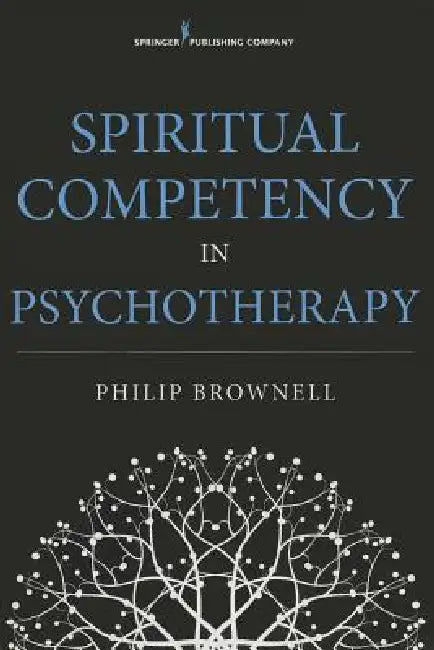
Religion & Spirituality
Spiritual Competency in Psychotherapy | by Philip Brownell | Springer Publishing Company | by Philip Brownell | Springer Publishing Company | by Philip Brownell | Springer Publishing Company | by Philip Brownell | Springer Publishing Company | by Philip Brownell | Springer Publishing Company | by Philip Brownell | Springer Publishing Company | by Philip Brownell | Springer Publishing Company | by Philip Brownell | Springer Publishing Company | by Philip Brownell | Springer Publishing Company | b
Religion & Spirituality
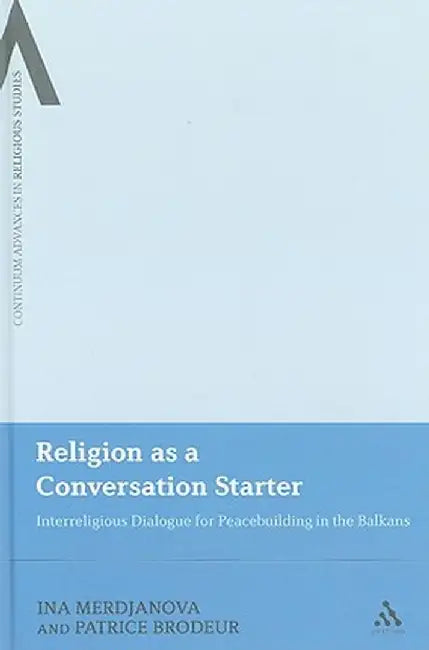
Religion as a Conversation Starter | by Ina Merdjanova | Continuum | by Ina Merdjanova | Continuum | by Ina Merdjanova | Continuum | by Ina Merdjanova | Continuum | by Ina Merdjanova | Continuum | by Ina Merdjanova | Continuum | by Ina Merdjanova | Continuum | by Ina Merdjanova | Continuum | by Ina Merdjanova | Continuum | by Ina Merdjanova | Continuum | by Ina Merdjanova | Continuum | by Ina Merdjanova | Continuum | by Ina Merdjanova | Continuum | by Ina Merdjanova | Continuum | by Ina Merdjano
Religion & Spirituality
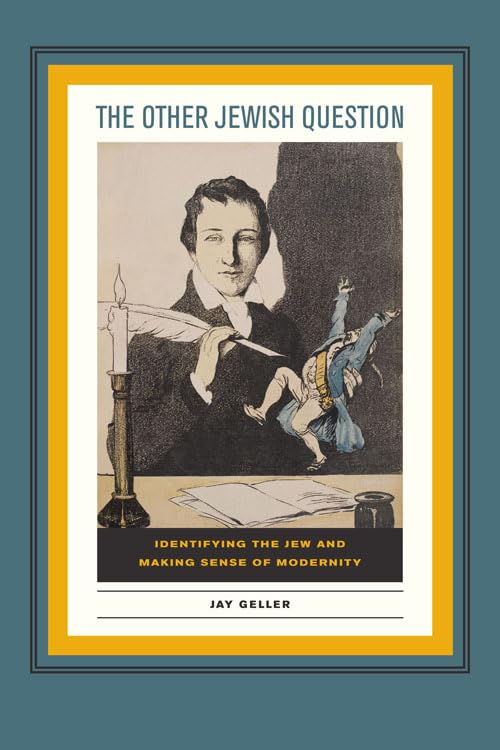
The Other Jewish Question: Identifying the Jew and Making Sense of Modernity
Religion & Spirituality
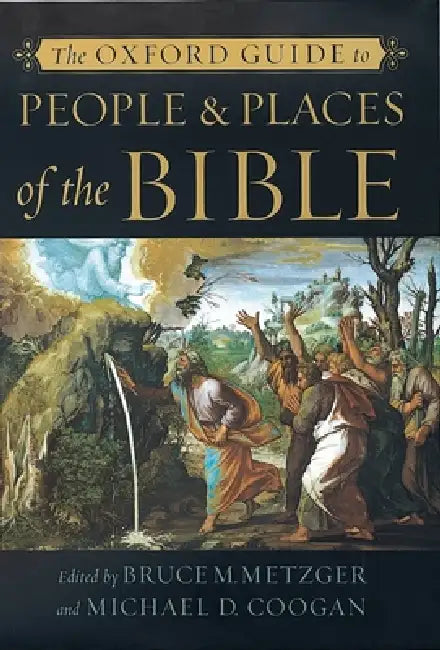
The Oxford Guide to People & Places of the Bible | by Bruce M. Metzger | Michael D. Coogan | Oxford University Press | by Bruce M. Metzger | Michael D. Coogan | Oxford University Press | by Bruce M. Metzger | Michael D. Coogan | Oxford University Press | by Bruce M. Metzger | Michael D. Coogan | Oxford University Press | by Bruce M. Metzger | Michael D. Coogan | Oxford University Press | by Bruce M. Metzger | Michael D. Coogan | Oxford University Press | by Bruce M. Metzger | Michael D. Coogan |

Religion & Spirituality
Anti-Judaism in Early Christianity | by Stephen G. Wilson | Wilfrid Laurier University Press | by Stephen G. Wilson | Wilfrid Laurier University Press | by Stephen G. Wilson | Wilfrid Laurier University Press | by Stephen G. Wilson | Wilfrid Laurier University Press | by Stephen G. Wilson | Wilfrid Laurier University Press | by Stephen G. Wilson | Wilfrid Laurier University Press | by Stephen G. Wilson | Wilfrid Laurier University Press | by Stephen G. Wilson | Wilfrid Laurier University Press |
Religion & Spirituality