
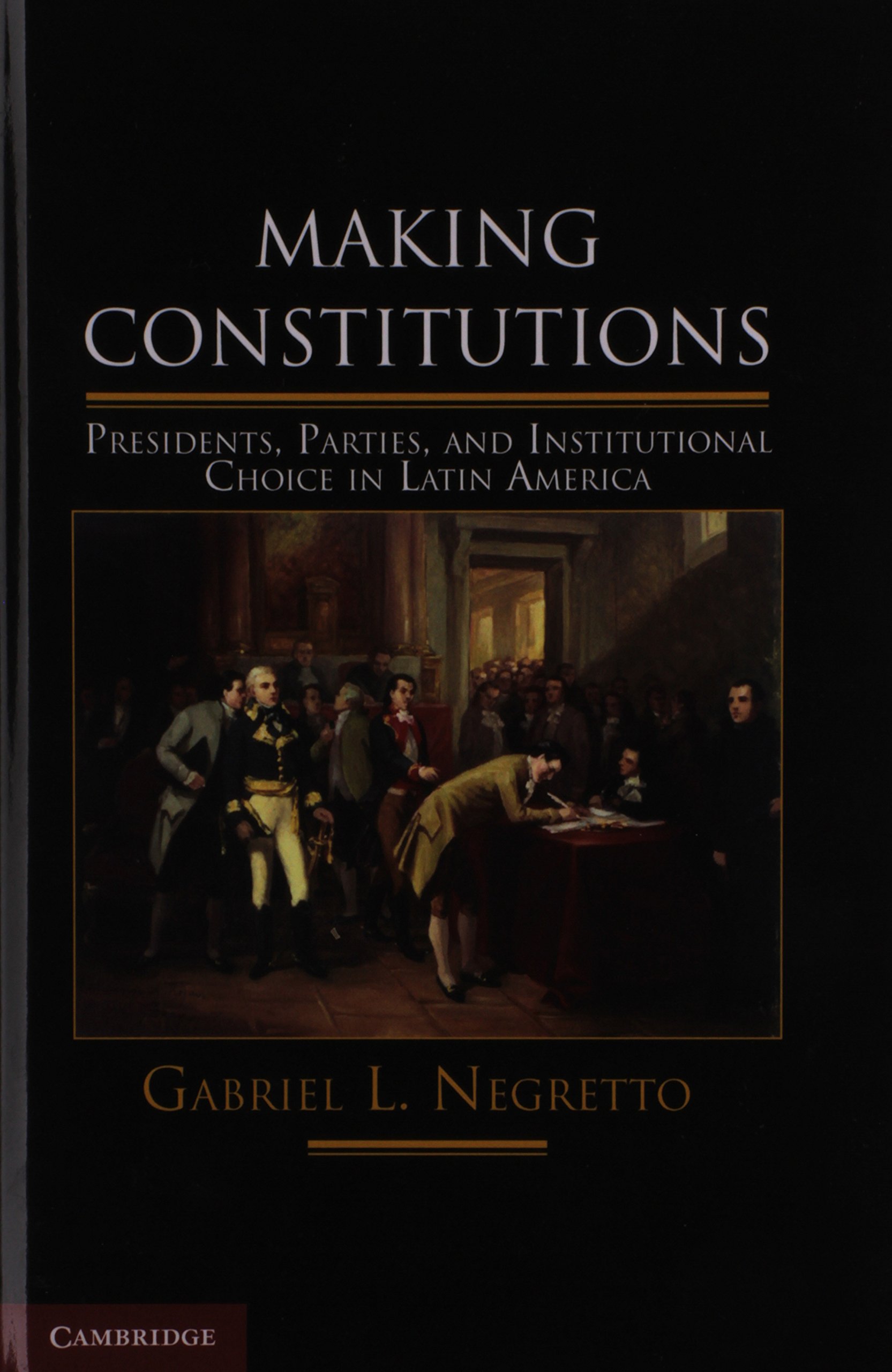
Making Constitutions: Presidents, Parties, and Institutional Choice in Latin America by Gabriel Leonardo Negretto – A De
Inclusive of all applicable taxes. FREE shipping on all orders.
Available Offers
- 🚚Free Delivery — Free shipping on all orders
- 💵Cash on Delivery — Pay when your order arrives
- ↩️15-Day Easy Returns — Hassle-free return policy
- 🔒Cash on Delivery — Pay safely when your order arrives
Check Delivery
Product Description
Introduction
What makes a constitution endure? How do political actors shape the fundamental rules of a nation? In Making Constitutions: Presidents, Parties, and Institutional Choice in Latin America, Gabriel Leonardo Negretto delivers a groundbreaking exploration of constitutional design that goes far beyond legal theory. This deeply analytical work, published by Cambridge University Press, offers Indian readers—scholars, law students, and political enthusiasts alike—a rare window into the strategic, historical, and comparative forces that determine how nations craft their foundational documents.
Book Overview
Negretto’s study is the first systematic explanation of constitutional origins from an analytical, historical, and comparative perspective. Spanning constitutional change in Latin America from 1900 to 2008, the book draws on four detailed case studies to reveal how past governance failures and the strategic interests of key actors drive institutional selection. Rather than viewing constitutions as static legal texts, Negretto presents them as dynamic products of negotiation, power, and contingency. This hardcover volume is an essential addition to any serious library on comparative politics, constitutional law, or Latin American studies.
Key Highlights
- First systematic analysis of constitutional design in Latin America over a century of change
- Four in-depth case studies that bring theoretical arguments to life with rich historical detail
- Challenges dominant theories of institutional choice, offering a fresh framework for understanding reform
- Integrates governance performance and electoral uncertainty as key drivers of constitutional outcomes
- Rigorous comparative methodology that balances quantitative data with qualitative insights
Inside the Book
The book is structured around a central argument: constitutional design is shaped by the past performance of existing institutions in providing effective and legitimate governance, as well as the strategic interests of actors who influence the selection process. Negretto shows that governance problems set broad reform guidelines, while power resources and short-term partisan calculations determine specific institutional alternatives. Events that trigger reform—such as crises or transitions—and the level of electoral uncertainty faced by designers critically affect how partisan interests shape the final document. The case studies cover pivotal moments in countries like Argentina, Brazil, and Mexico, offering vivid illustrations of these dynamics.
Key Topics
- Constitutional origins and institutional choice in comparative perspective
- Presidential powers and party systems in Latin America
- Strategic interests and electoral uncertainty in constitution-making
- Governance performance as a driver of reform
- Historical patterns of constitutional change from 1900 to 2008
- Case studies of constitutional design in Argentina, Brazil, Mexico, and other nations
Reader Benefits
For Indian readers, this book offers a powerful comparative lens to understand India’s own constitutional journey and the challenges of institutional design in a diverse democracy. Law students will gain a sophisticated toolkit for analysing how power, history, and strategy intersect in the making of constitutions. Political science researchers will find Negretto’s theoretical framework a valuable alternative to conventional institutionalist approaches. The book also serves as a rich resource for policymakers and constitutional scholars interested in reform processes, especially in emerging democracies.
Learning Outcomes
By reading this book, you will learn to: identify the key factors that drive constitutional change, evaluate the role of partisan interests in institutional design, understand how electoral uncertainty shapes constitutional choices, apply comparative historical analysis to real-world cases, and critically assess theories of institutional selection. These skills are directly transferable to the study of Indian constitutional amendments, judicial reforms, and federal dynamics.
Who Should Read
- Law students and constitutional scholars seeking a comparative perspective on institutional design
- Political science researchers interested in Latin American politics, democratisation, or institutional theory
- Policymakers and constitutional advisors involved in reform processes in India or abroad
- History enthusiasts curious about how nations build their foundational legal frameworks
- Graduate students in comparative politics, public law, or area studies
About the Author
Gabriel Leonardo Negretto is a leading scholar of comparative constitutional design and Latin American politics. He has held academic positions at prestigious institutions in Latin America, Europe, and the United States, and his work has been widely published in top journals of political science and law. His research focuses on the political foundations of institutional change, with a particular emphasis on how power asymmetries and strategic calculations shape constitutional outcomes. Negretto’s expertise makes him a trusted guide through the complex terrain of constitution-making.
About the Publisher
Cambridge University Press is one of the world’s oldest and most respected academic publishers, known for its rigorous peer-review process and commitment to scholarly excellence. With a rich history dating back to 1534, Cambridge publishes works that shape academic discourse across the humanities, social sciences, and natural sciences. This hardcover edition reflects the Press’s high standards of production and editorial quality, ensuring that Making Constitutions will be a durable reference for years to come.
Conclusion
Making Constitutions: Presidents, Parties, and Institutional Choice in Latin America is a masterful contribution to the study of constitutional design. By blending analytical rigour with historical depth, Gabriel Leonardo Negretto offers a compelling account of why nations choose the institutions they do—and how those choices shape their political futures. For Indian readers, this book is not just a study of distant lands; it is a mirror for understanding the enduring challenges of building legitimate, effective governance. Add this hardcover volume to your collection today and explore the hidden logic behind the world’s most important legal documents.
Quick Summary
Making Constitutions: Presidents, Parties, and Institutional Choice in Latin America by Gabriel Leonardo Negretto is a seminal work that systematically explains the origins of constitutional designs in Latin America from 1900 to 2008. The book argues that constitutional choices are determined by the past performance of constitutions in providing effective governance and by the strategic interests of actors who influence institutional selection. Through four detailed case studies, Negretto shows how governance problems shape reform guidelines, while power resources and strategic calculations affect the selection of specific design alternatives. This analytical, historical, and comparative perspective is essential for understanding presidential systems, party dynamics, and institutional change. The book is ideal for law students, political science scholars, and anyone interested in comparative politics or Latin American studies. By purchasing from Bookshops.in, Indian readers gain access to a high-quality hardcover edition from Cambridge University Press, delivered to their doorstep with reliable service.
Book Highlights
Book Specifications
| ISBN-13 | 9781107026520 |
| ISBN-10 | 1107026520 |
| Publisher | Cambridge University Press |
| Language | English |
| Dimensions | 15.88 x 2.54 x 23.5 cm |
| Weight | 610 g |
| Country | India |
| Category | Political Science › Government |
| Genre | Non-fiction |
| Original Language | English |
Frequently Asked Questions
What is the main focus of Making Constitutions?
Who is the author of this book?
What time period does the book cover?
Is this book suitable for Indian students?
Does the book include case studies?
What type of binding does this book have?
What is the price of the book on Bookshops.in?
What is the ISBN-13 of this book?
Is this book available in other languages?
What are the key themes explored?
Who is the target audience?
How is this book different from others on constitutional design?
Can I buy this book from Bookshops.in?
Readers Also Search For
Customers Also Bought

Constitutional Law
Indigenous law and the state
Constitutional Law
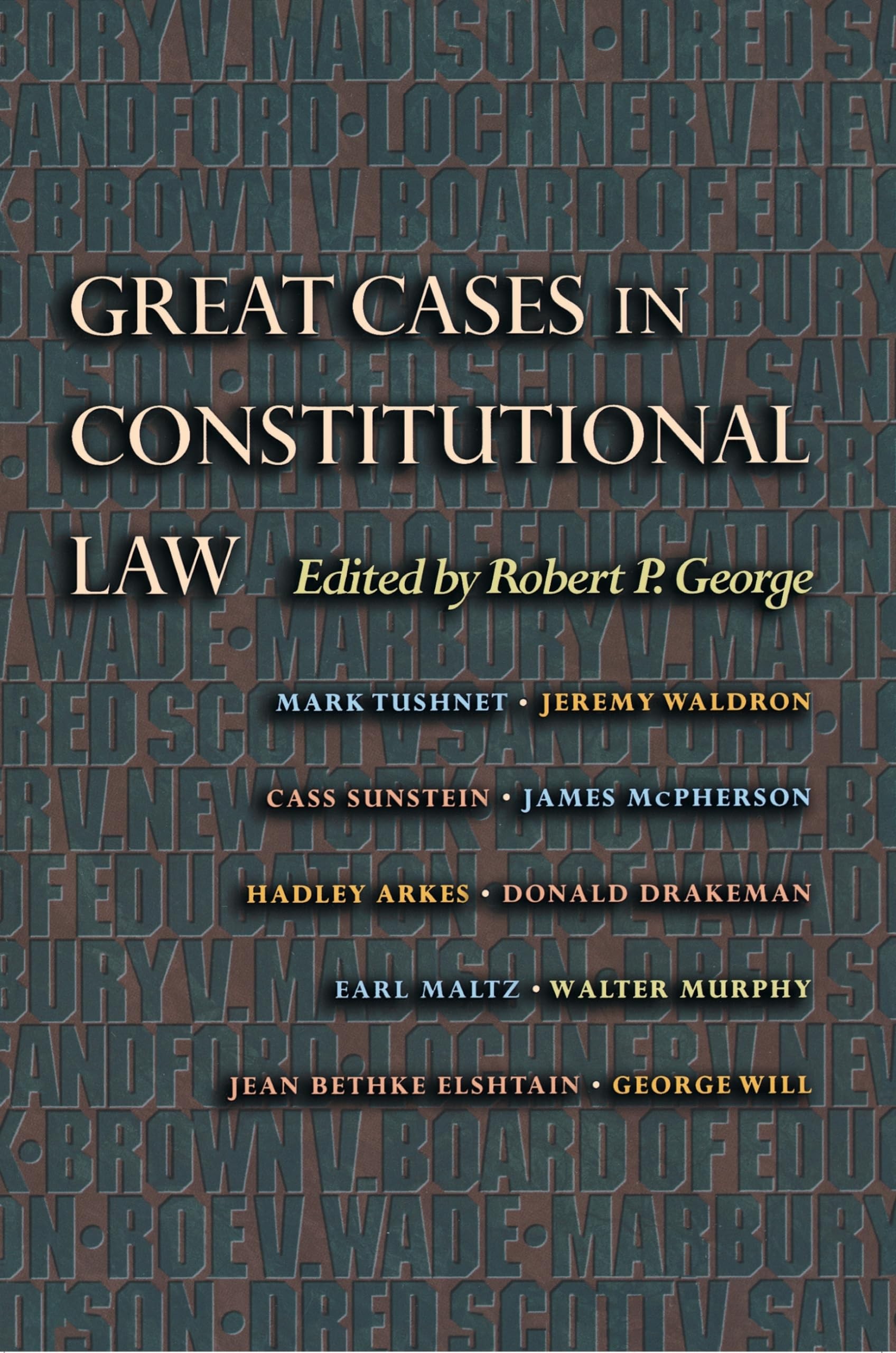
Great Cases in Constitutional Law (English, Robert P. George)

Constitutional Law
Guilty Pleas in International Criminal Law (English, Nancy Amoury Combs)
Constitutional Law
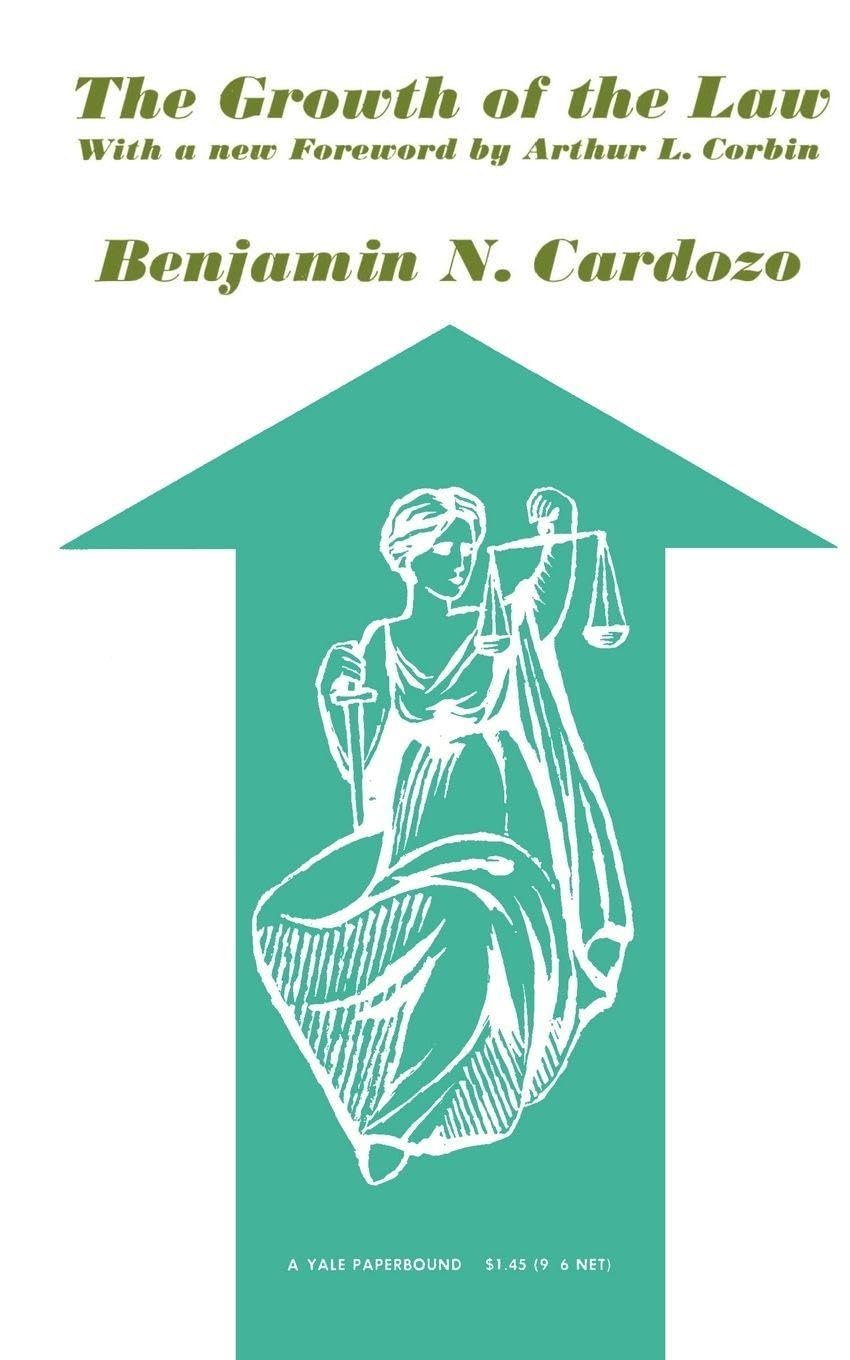
The Growth of the Law by Benjamin N. Cardozo – Jurisprudence
Constitutional Law
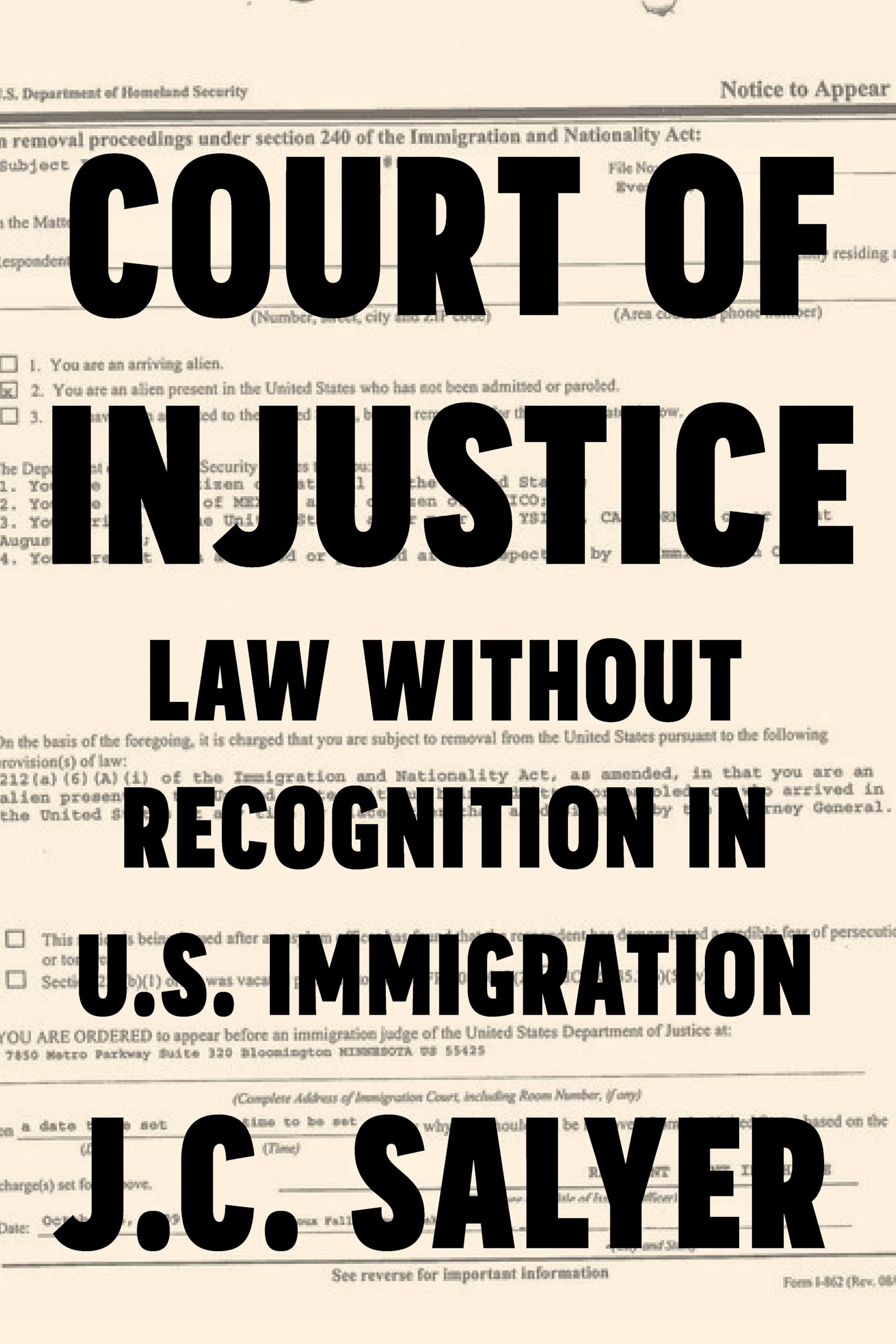
Court of Injustice: Law Without Recognition in U.S. Immigration by J. C. Salyer

Constitutional Law
Youth: Learning Through Cases
Related Products
View All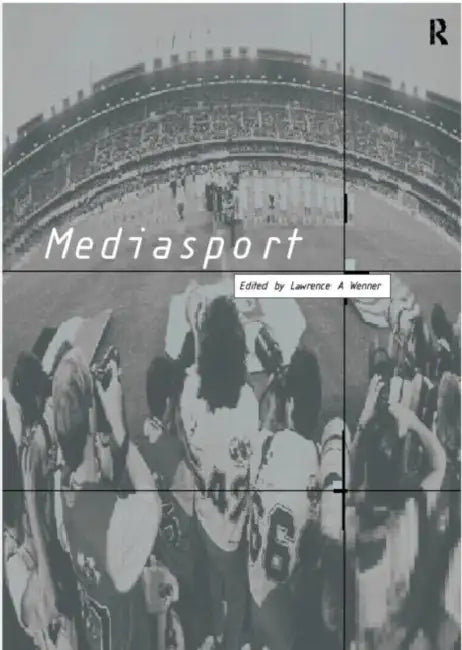
Law
Mediasport | by Lawrence Wenner | Routledge | by Lawrence Wenner | Routledge | by Lawrence Wenner | Routledge | by Lawrence Wenner | Routledge | by Lawrence Wenner | Routledge | by Lawrence Wenner | Routledge | by Lawrence Wenner | Routledge | by Lawrence Wenner | Routledge | by Lawrence Wenner | Routledge | by Lawrence Wenner | Routledge | by Lawrence Wenner | Routledge | by Lawrence Wenner | Routledge | by Lawrence Wenner | Routledge | by Lawrence Wenner | Routledge | by Lawrence Wenner | Rout
Law
Human Rights Diplomacy | by Rein Mullerson | Routledge | by Rein Mullerson | Routledge | by Rein Mullerson | Routledge | by Rein Mullerson | Routledge | by Rein Mullerson | Routledge | by Rein Mullerson | Routledge | by Rein Mullerson | Routledge | by Rein Mullerson | Routledge | by Rein Mullerson | Routledge | by Rein Mullerson | Routledge | by Rein Mullerson | Routledge | by Rein Mullerson | Routledge | by Rein Mullerson | Routledge | by Rein Mullerson | Routledge | by Rein Mullerson | Routled
Law
Rome the Law-Giver | by Declareuil J. | Routledge | by Declareuil J. | Routledge | by Declareuil J. | Routledge | by Declareuil J. | Routledge | by Declareuil J. | Routledge | by Declareuil J. | Routledge | by Declareuil J. | Routledge | by Declareuil J. | Routledge | by Declareuil J. | Routledge | by Declareuil J. | Routledge | by Declareuil J. | Routledge | by Declareuil J. | Routledge | by Declareuil J. | Routledge | by Declareuil J. | Routledge | by Declareuil J. | Routledge | by Declareuil

Law
Human Rights and Gender Politics | by Anne-Marie Hilsdon | Martha MacIntyre | Vera MacKie | Routledge | by Anne-Marie Hilsdon | Martha MacIntyre | Vera MacKie | Routledge | by Anne-Marie Hilsdon | Martha MacIntyre | Vera MacKie | Routledge | by Anne-Marie Hilsdon | Martha MacIntyre | Vera MacKie | Routledge | by Anne-Marie Hilsdon | Martha MacIntyre | Vera MacKie | Routledge | by Anne-Marie Hilsdon | Martha MacIntyre | Vera MacKie | Routledge | by Anne-Marie Hilsdon | Martha MacIntyre | Vera Mac
Law
Politics of Human Rights in Southeast Asia | by Philip J. Eldridge | Routledge | by Philip J. Eldridge | Routledge | by Philip J. Eldridge | Routledge | by Philip J. Eldridge | Routledge | by Philip J. Eldridge | Routledge | by Philip J. Eldridge | Routledge | by Philip J. Eldridge | Routledge | by Philip J. Eldridge | Routledge | by Philip J. Eldridge | Routledge | by Philip J. Eldridge | Routledge | by Philip J. Eldridge | Routledge | by Philip J. Eldridge | Routledge | by Philip J. Eldridge |
Law