
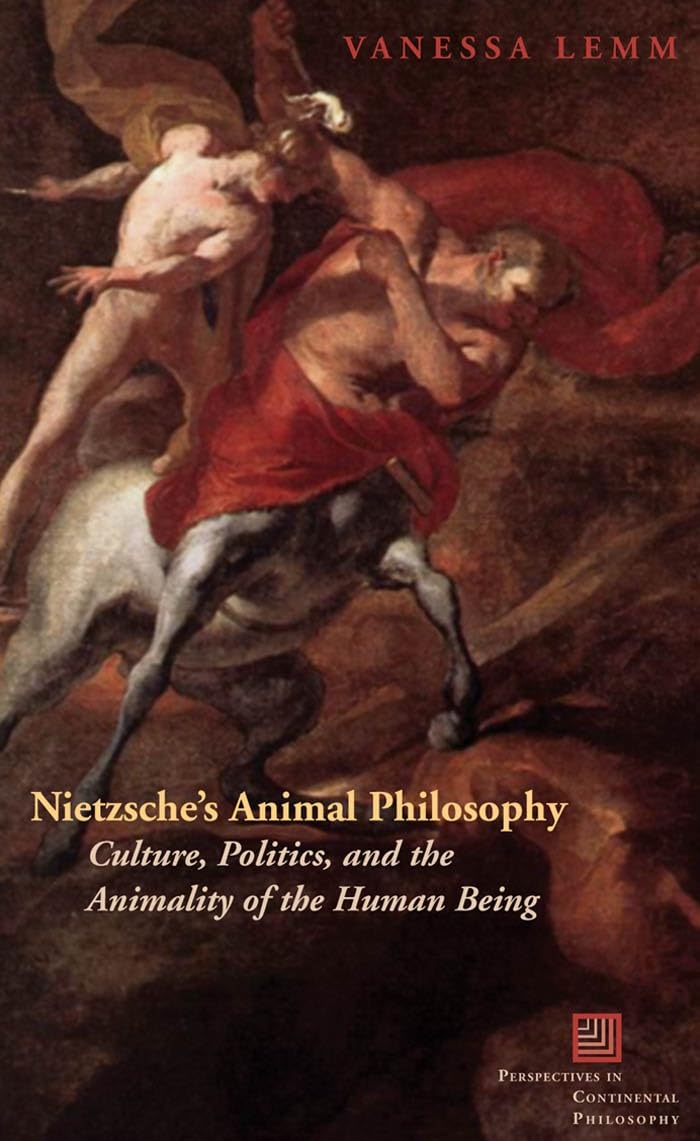
Nietzsche's Animal Philosophy: Culture, Politics, and the Animality of the Human Being by Vanessa Lemm – A Comprehensive
Inclusive of all applicable taxes. FREE shipping on all orders.
Available Offers
- 🚚Free Delivery — Free shipping on all orders
- 💵Cash on Delivery — Pay when your order arrives
- ↩️15-Day Easy Returns — Hassle-free return policy
- 🔒Cash on Delivery — Pay safely when your order arrives
Check Delivery
Product Description
Introduction
Friedrich Nietzsche remains one of the most provocative and misunderstood thinkers in Western philosophy. In Nietzsche's Animal Philosophy: Culture, Politics, and the Animality of the Human Being, Vanessa Lemm offers a groundbreaking interpretation that places the concept of animality at the very heart of Nietzsche's thought. This hardcover edition from Fordham University Press is an essential addition to the library of any serious student of philosophy, political theory, or cultural studies. Lemm argues that the animal is not a mere metaphor or side theme but the central axis around which Nietzsche's entire philosophical project revolves. For Indian readers grappling with questions of human nature, ethics, and the limits of rationality, this book provides a fresh and challenging perspective.
Book Overview
This meticulously researched work systematically examines the role of animal life in Nietzsche's writings, from his early essays to his later masterpieces. Lemm contends that Nietzsche's renewal of philosophy depends on a continuous antagonism between forgetfulness (animality) and memory (humanity). Rather than viewing humanity as a transcendence of animality, Nietzsche sees the human being as a site of struggle between civilization and culture. The book explores how this tension shapes Nietzsche's ideas on truth, history, morality, and politics. Lemm's analysis is both rigorous and accessible, making it suitable for advanced undergraduates, graduate students, and seasoned scholars alike.
Key Highlights
- First systematic treatment of the animal theme across Nietzsche's entire corpus
- Original argument that animality is central to Nietzsche's conception of human flourishing
- Engagement with contemporary debates on humanism, posthumanism, and the ethics of animal life
- Clear, scholarly prose that balances depth with readability
- Hardcover edition from a prestigious academic press, ideal for long-term reference
Inside the Book
The book is organized into thematic chapters that trace the development of Nietzsche's animal philosophy. Lemm begins by examining Nietzsche's critique of Western metaphysics and its denigration of animal life. She then moves through key concepts such as the will to power, eternal recurrence, and the Übermensch, showing how each is informed by a dynamic relationship between animal and human. The later chapters apply this framework to politics and culture, arguing that Nietzsche's vision of a healthy society requires a revaluation of animal instincts. Throughout, Lemm draws on close readings of texts including Thus Spoke Zarathustra, On the Genealogy of Morals, and Beyond Good and Evil.
Key Topics
- The role of forgetfulness and memory in the formation of humanity
- Animality as a source of creativity, health, and cultural renewal
- Nietzsche's critique of civilization and its domestication of human beings
- The antagonism between culture and civilization as a driving force of history
- Implications for contemporary political philosophy and environmental ethics
- The animal as a figure of resistance against nihilism
Reader Benefits
This book offers Indian readers a unique opportunity to engage with Nietzsche beyond the usual clichés. It challenges the assumption that philosophy must transcend the body and the natural world, opening up new pathways for thinking about ecology, animal rights, and the limits of humanism. Students will gain a deeper understanding of Nietzsche's key concepts, while scholars will find fresh interpretive tools for their own research. The hardcover binding ensures durability, making it a lasting resource for university libraries and personal collections.
Learning Outcomes
- Understand the centrality of animality in Nietzsche's philosophy
- Analyze the relationship between forgetfulness, memory, and human becoming
- Critically evaluate Nietzsche's critique of civilization and its discontents
- Apply Nietzschean concepts to contemporary debates on human and animal life
- Develop a nuanced perspective on the tension between culture and politics
Who Should Read
This book is ideal for philosophy students at the postgraduate and advanced undergraduate levels, especially those specializing in continental philosophy, ethics, or political thought. It will also appeal to scholars of cultural studies, literary theory, and animal studies. Indian readers interested in the intersections of philosophy, ecology, and social critique will find Lemm's arguments both timely and thought-provoking. Anyone seeking to move beyond superficial readings of Nietzsche and engage with his ideas in depth will benefit from this work.
About the Author
Vanessa Lemm is a professor of philosophy and a leading expert on Nietzsche, biopolitics, and the philosophy of life. She has held academic positions at several prestigious universities and has published widely on posthumanism, animality, and political theory. Her scholarship is known for its clarity, originality, and engagement with pressing contemporary issues. In this book, she brings together her deep knowledge of Nietzsche's texts with a passion for rethinking the boundaries of the human.
About the Publisher
Fordham University Press is a respected academic publisher based in New York, known for its rigorous editorial standards and contributions to the humanities and social sciences. Its philosophy list includes works by leading thinkers that shape scholarly conversations worldwide. This hardcover edition reflects the press's commitment to producing durable, high-quality books that serve the academic community for years to come.
Conclusion
Nietzsche's Animal Philosophy is a vital contribution to Nietzsche studies and to broader debates about what it means to be human. Vanessa Lemm's original thesis—that animality is not something to be overcome but a dynamic force essential to culture and creativity—will change the way you read Nietzsche. For Indian students and scholars seeking a rigorous, engaging, and timely philosophical work, this hardcover volume is an indispensable addition to your shelf. Order your copy from Bookshops.in today and delve into a transformative reading experience.
Quick Summary
Nietzsche's Animal Philosophy by Vanessa Lemm is a groundbreaking academic work that systematically examines the role of animality in Friedrich Nietzsche's entire philosophical corpus. Challenging conventional readings that treat animals as mere metaphors, Lemm argues that the animal theme is central to Nietzsche's project of renewing philosophy itself. The book explores how the dynamic antagonism between forgetfulness (animality) and memory (humanity) gives rise to truth, history, and morality. It offers fresh insights into Nietzsche's major texts and connects his ideas to contemporary debates on humanism, posthumanism, and the cultural-political significance of the human-animal distinction. This hardcover edition from Fordham University Press is ideal for advanced students, researchers, and scholars in continental philosophy, animal studies, and critical theory. Indian readers will appreciate its rigorous yet accessible style, making it a valuable addition to any academic library. By purchasing from Bookshops.in, you support a trusted Indian bookstore that provides authentic, high-quality imports for the scholarly community.
Book Highlights
Book Specifications
| ISBN-13 | 9780823230280 |
| ISBN-10 | 0823230287 |
| Publisher | Fordham Univ Pr |
| Language | English |
| Dimensions | 14.61 x 1.91 x 22.23 cm |
| Weight | 363 g |
| Country | India |
| Category | Philosophy › Aesthetics |
| Genre | Non-fiction |
| Original Language | English |
Frequently Asked Questions
What is Nietzsche's Animal Philosophy about?
Is this book suitable for beginners in philosophy?
How does this book differ from other Nietzsche studies?
Does the book cover Nietzsche's major works?
What is the significance of 'forgetfulness' and 'memory' in the book?
Is this book relevant to Indian readers?
What format is this book available in?
What is the price of this book?
Can I use this book for my PhD research?
Does the book address contemporary political issues?
Is there a digital version available?
How is this book related to posthumanism?
Readers Also Search For
Customers Also Bought
Islam
Spiritual Economies (English, Daromir Rudnyckyj)

Islam
Who Is Allah? (English, Bruce B. Lawrence)
Islam
Islam and Liberal Citizenship: The Search for an Overlapping Consensus by Andrew F. March

Islam
Fiqh Us-Sunnah: Funerals and Diggers by Al-Sayyid Sabiq – Islamic Funeral Guide

Christianity
Genetics (English, Thomas a. Shannon | Mark P. Aulisio | Françoise Baylis)

Hinduism
Karma and Creativity by Christopher Key Chapple – Indian Philosophy
Related Products
View All
Philosophy
Latin American Philosophy: Currents, Issues, Debates by Eduardo Mendieta

Philosophy
Al-Farabi's Short Commentary on Aristotle's Prior Analytics by Nicholas Rescher – Philosophy
Philosophy
Poetics of Imagining: Modern to Post-modern by Richard Kearney

Philosophy
The Metaphysics of Extrinsic Properties: 11 (Metaphysical Research, 11)
Philosophy
Dialogues on Metaphysics and on Religion by Nicolas Malebranche – Philosophy
Philosophy