
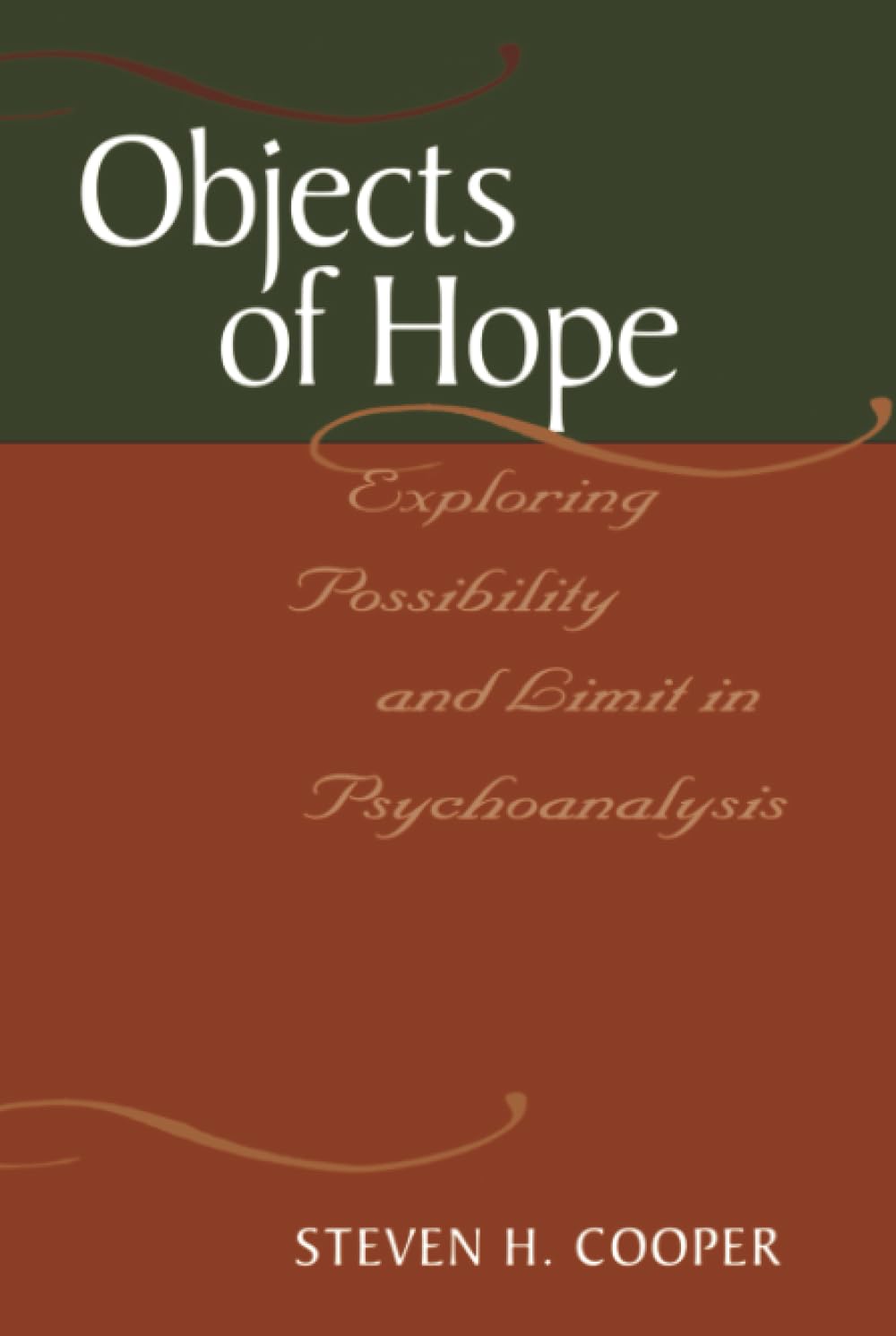
Objects of Hope: Exploring Possibility and Limit in Psychoanalysis by Steven H. Cooper – A Comprehensive Study of Hope i
Inclusive of all applicable taxes. FREE shipping on all orders.
Available Offers
- 🚚Free Delivery — Free shipping on all orders
- 💵Cash on Delivery — Pay when your order arrives
- ↩️15-Day Easy Returns — Hassle-free return policy
- 🔒Cash on Delivery — Pay safely when your order arrives
Check Delivery
Product Description
Introduction
In the vast and often complex landscape of psychoanalytic thought, few works dare to tread the delicate line between human aspiration and the stark realities of psychic limitation. Objects of Hope: Exploring Possibility and Limit in Psychoanalysis by Steven H. Cooper is a landmark contribution that invites clinicians, students, and thoughtful readers to reconsider the role of hope in therapeutic practice. Published by Routledge, this hardbound edition is an essential addition for anyone seeking to understand how hope shapes—and is shaped by—the psychoanalytic encounter. For Indian readers and students navigating the intersections of modern psychology and traditional healing, this book offers a deeply nuanced perspective that resonates with our own cultural dialogues about resilience, acceptance, and transformation.
Book Overview
At its core, Objects of Hope addresses a profound gap in psychoanalytic literature: the reluctance of analysts to acknowledge how their own hopes for their patients influence interpretation and therapeutic action. Steven H. Cooper argues that hope is not merely an emotional byproduct of treatment but a fundamental, often unexamined force that drives both patient and analyst. The book explores the central dialectic between psychic possibility and psychic limit—a tension that defines human growth. Cooper masterfully demonstrates that the most hopeful aspects of personal development frequently require confronting destructive inner worlds. Through rigorous comparative analysis of contemporary psychoanalytic models, he shows how different schools of thought handle this dialectic, offering readers a roadmap for integrating hope without denying pain.
Key Highlights
- Original Framework: Introduces a fresh conceptual lens for understanding hope as a dynamic, relational process in psychoanalysis.
- Comparative Analysis: Examines multiple psychoanalytic traditions—including relational, intersubjective, and classical perspectives—through the prism of hope.
- Dialectical Depth: Balances the exploration of human possibility with the acceptance of psychic limits, avoiding naïve optimism or cynical resignation.
- Clinical Relevance: Offers practical insights for therapists working with patients facing trauma, loss, and deep-seated conflict.
- Scholarly Rigor: Draws on extensive clinical vignettes and theoretical critique, making it a valuable resource for advanced study.
Inside the Book
The book is structured to guide the reader through a layered investigation. Early chapters establish the historical neglect of hope in psychoanalysis, examining why analysts have often been uncomfortable with the concept. Cooper then delves into the nature of psychic limit—how our internal worlds impose constraints on growth and healing. Subsequent sections explore how hope operates within the transference-countertransference matrix, the role of the analyst’s subjectivity, and the ethical implications of hoping for patients. The final chapters synthesize these threads, proposing a model of therapeutic action that honors both the transformative potential of hope and the necessary acceptance of what cannot be changed. Each chapter is enriched with clinical examples that bring theory to life.
Key Topics
- The dialectic of possibility and limit in psychoanalysis
- Hope as an intersubjective and relational phenomenon
- The analyst’s hopes and their impact on interpretation
- Psychic destruction and the conditions for growth
- Comparative perspectives on therapeutic action
- Ethics of hope in clinical practice
- Integration of limit into a treatment modality
Reader Benefits
- For Clinicians: Gain a deeper awareness of how your own hopes influence therapeutic outcomes and learn to navigate the tension between possibility and limit.
- For Students: Develop a nuanced understanding of contemporary psychoanalytic theory through a focused, accessible lens.
- For Researchers: Access a rich comparative framework that can inform studies on hope, resilience, and therapeutic change.
- For General Readers: Explore a thought-provoking meditation on human nature that applies beyond the consulting room—to relationships, creativity, and personal growth.
Learning Outcomes
- Understand the historical and theoretical reasons for the neglect of hope in psychoanalysis.
- Analyze the dialectical relationship between psychic possibility and psychic limit.
- Critically evaluate how different psychoanalytic models conceptualize and utilize hope.
- Apply insights about hope to clinical work with diverse patient populations.
- Develop a more reflective and ethically grounded approach to therapeutic practice.
Who Should Read
This book is indispensable for psychoanalysts, psychotherapists, and mental health professionals seeking to deepen their theoretical grounding. It is equally valuable for postgraduate students in psychology, psychiatry, and social work, particularly those enrolled in Indian universities where psychoanalytic thought is gaining renewed attention. Scholars of philosophy, literature, and cultural studies interested in the psychology of hope will also find rich material. Finally, anyone who has ever wondered about the role of hope in human suffering and transformation will be captivated by Cooper’s compassionate yet rigorous exploration.
About the Author
Steven H. Cooper is a distinguished psychoanalyst and clinical psychologist known for his contributions to relational psychoanalysis and the study of therapeutic process. He is a faculty member at the Boston Psychoanalytic Society and Institute and has served as a supervising analyst at the Massachusetts Institute for Psychoanalysis. Cooper’s work frequently addresses the interplay between theory and clinical practice, with a particular focus on how analysts’ subjectivity shapes treatment. His previous writings have been praised for their clarity, depth, and clinical wisdom. In Objects of Hope, he brings decades of experience to bear on a topic that is both deeply personal and universally relevant.
About the Publisher
Routledge is a world-renowned academic publisher with a legacy of over 150 years in advancing knowledge across the humanities and social sciences. As part of the Taylor & Francis Group, Routledge is celebrated for its rigorous editorial standards and its commitment to publishing works that shape intellectual discourse. This hardcover edition of Objects of Hope reflects Routledge’s dedication to producing durable, high-quality books that serve as lasting resources for scholars, practitioners, and students. For Indian readers, Routledge titles are widely available through Bookshops.in, ensuring access to cutting-edge psychoanalytic literature.
Conclusion
Objects of Hope: Exploring Possibility and Limit in Psychoanalysis is more than a scholarly text—it is a compassionate invitation to rethink the very foundations of therapeutic hope. Steven H. Cooper challenges us to hold two truths simultaneously: that human beings are capable of profound change, and that some limits must be accepted rather than overcome. For Indian readers, where the interplay of tradition and modernity often mirrors this dialectic, the book offers a resonant framework for understanding both clinical work and everyday life. Whether you are a seasoned analyst, a curious student, or a seeker of deeper psychological insight, this hardbound volume will enrich your library and your mind. Order your copy from Bookshops.in today and embark on a journey into the heart of hope.
Quick Summary
Objects of Hope: Exploring Possibility and Limit in Psychoanalysis by Steven H. Cooper is a groundbreaking work that places hope at the center of psychoanalytic inquiry. Cooper argues that while hope is fundamental to human growth, psychoanalysts have often shied away from acknowledging how their interpretive frameworks express their own hopes for patients. The book offers a comparative analysis of contemporary psychoanalytic models, examining how each conceptualizes hope and its relationship to destructiveness. Readers will learn to navigate the dialectic between possibility and limit in therapeutic action, gaining tools to reflect on their own clinical stance. This book is ideal for Indian psychoanalysts, psychotherapists, clinical psychology students, and mental health professionals seeking to deepen their understanding of therapeutic process. By purchasing from Bookshops.in, you support an Indian bookstore offering premium imported academic titles with reliable delivery and customer service.
Book Highlights
Book Specifications
| ISBN-13 | 9780881632712 |
| ISBN-10 | 0881632716 |
| Publisher | Routledge |
| Language | English |
| Dimensions | 15.84 x 2.51 x 23.46 cm |
| Weight | 680 g |
| Country | India |
| Category | Psychology › Psychotherapy |
| Genre | Non-fiction |
| Original Language | English |
Frequently Asked Questions
What is Objects of Hope about?
Who is Steven H. Cooper?
Is this book suitable for beginners in psychoanalysis?
Which publisher released this book?
Does the book focus on Indian contexts?
What is the main argument of the book?
How does Cooper define hope in therapy?
Is this a hardcover edition?
Can this book help with clinical supervision?
Does the book compare different psychoanalytic schools?
Is the book available in Indian bookstores?
What is the ISBN?
Does the book address ethical issues?
Readers Also Search For
Customers Also Bought
Psychology
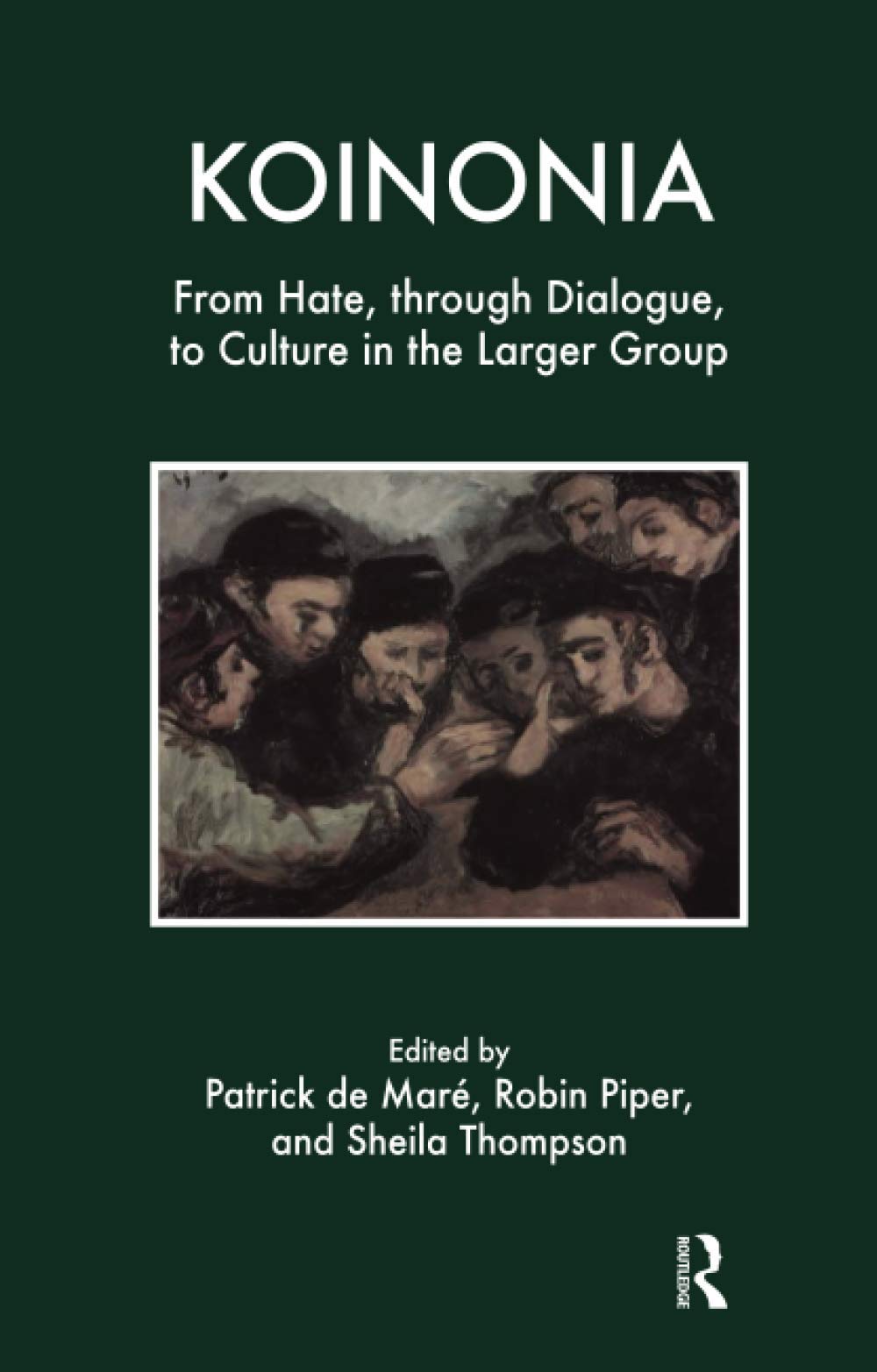
Koinonia: From Hate, Through Dialogue, to Culture in the Large Group by Patrick B. Demare
Psychology
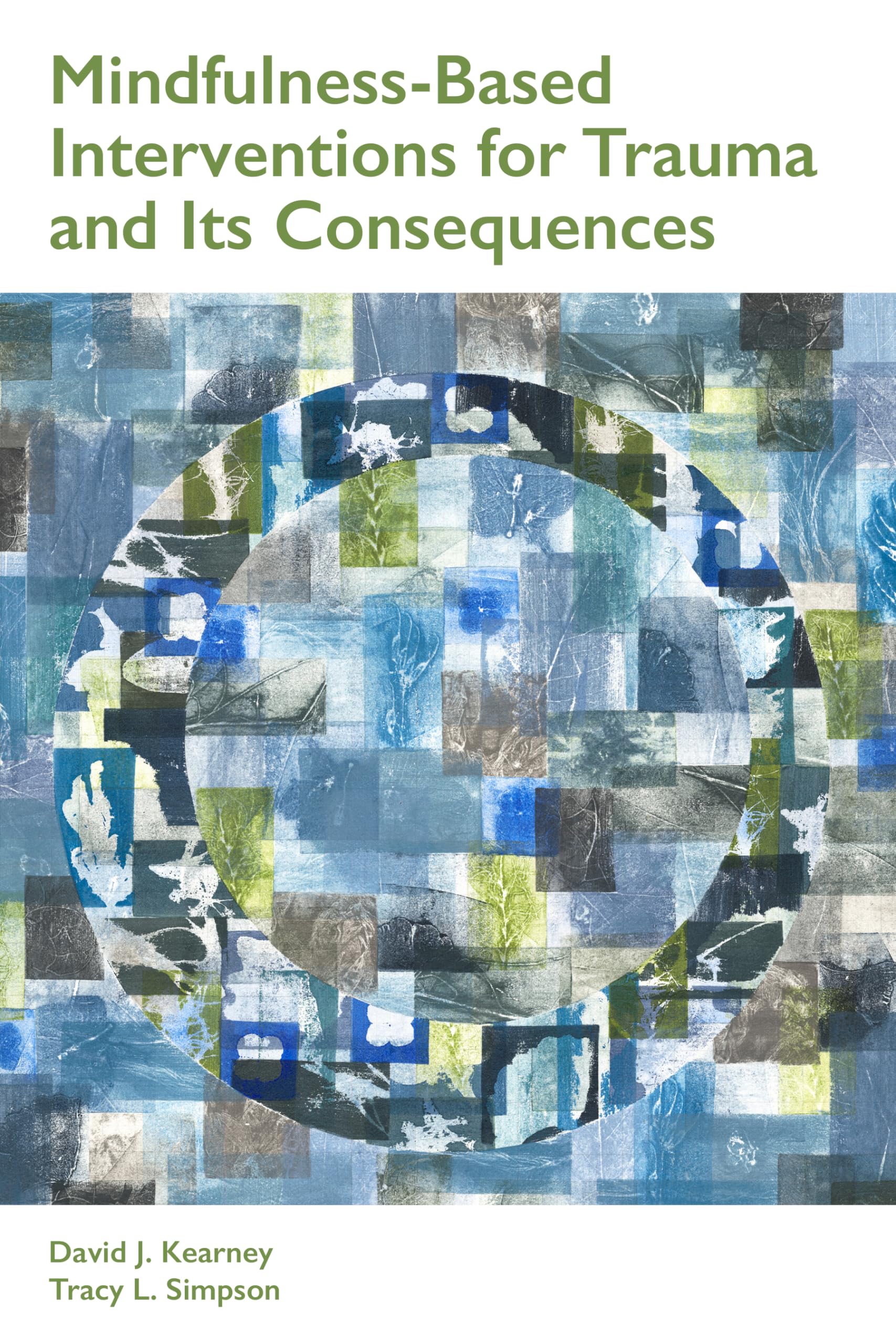
Mindfulness-Based Interventions for Trauma and Its Consequences (Concise Guides on Trauma Care, 4)

Psychology
Handbook for Teaching Statistics and Research Methods by Mark E. Ware

Psychology
Psychoanalysis and the Nuclear Threat: Clinical and Theoretical Studies
Psychology
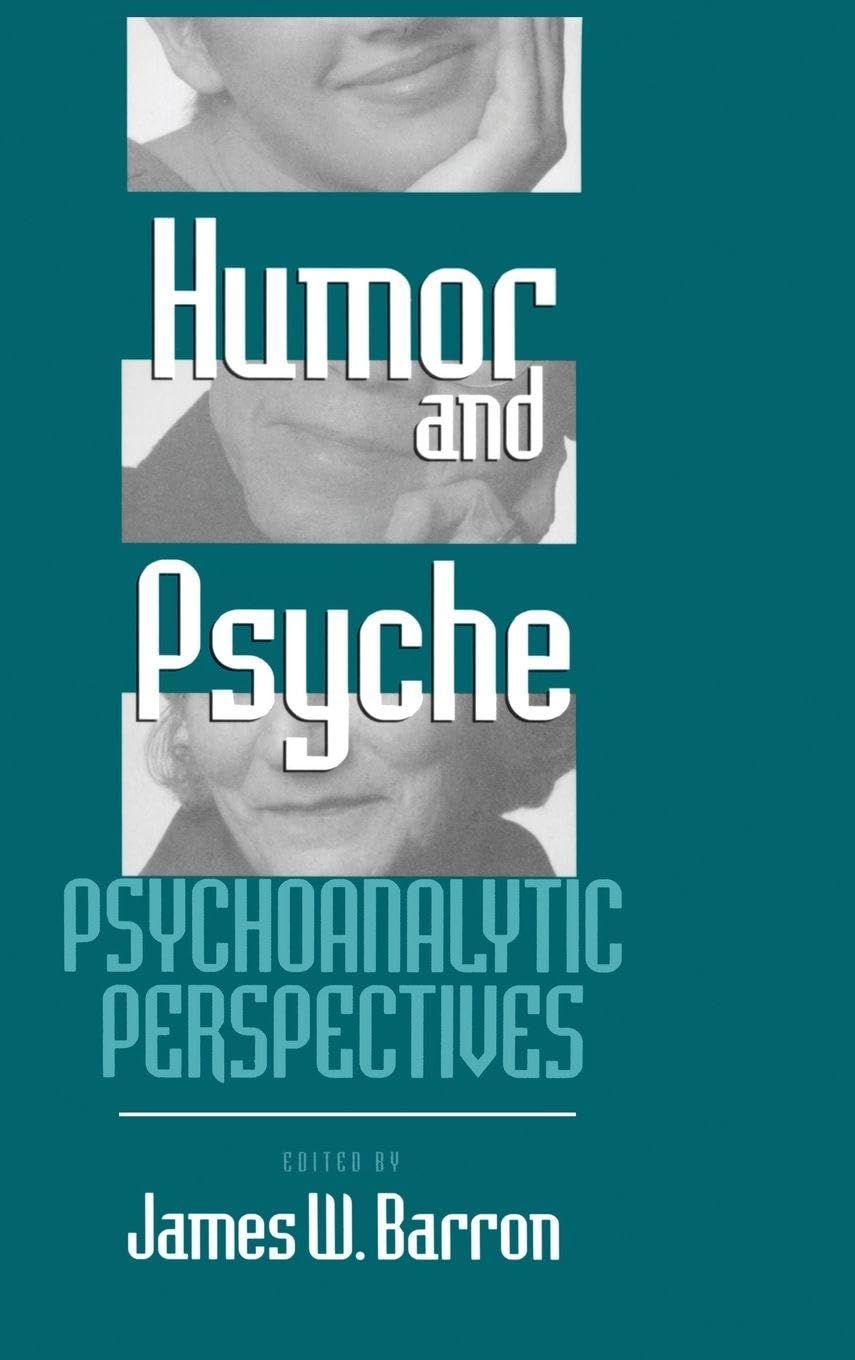
Humor and Psyche: Psychoanalytic Perspectives by James W. Barron

Relationships
The Experience and Expression of Uncertainty in Close Relationships by Jennifer A. Theiss
Related Products
View AllPsychology
Mindfulness-Based Interventions for Trauma and Its Consequences (Concise Guides on Trauma Care, 4)
Psychology
Handbook for Teaching Statistics and Research Methods by Mark E. Ware
Psychology
Psychoanalysis and the Nuclear Threat: Clinical and Theoretical Studies
Psychology
Humor and Psyche: Psychoanalytic Perspectives by James W. Barron

Psychology
Proceedings of the First International Conference on Genetic Algorithms and Their Applications
Psychology