
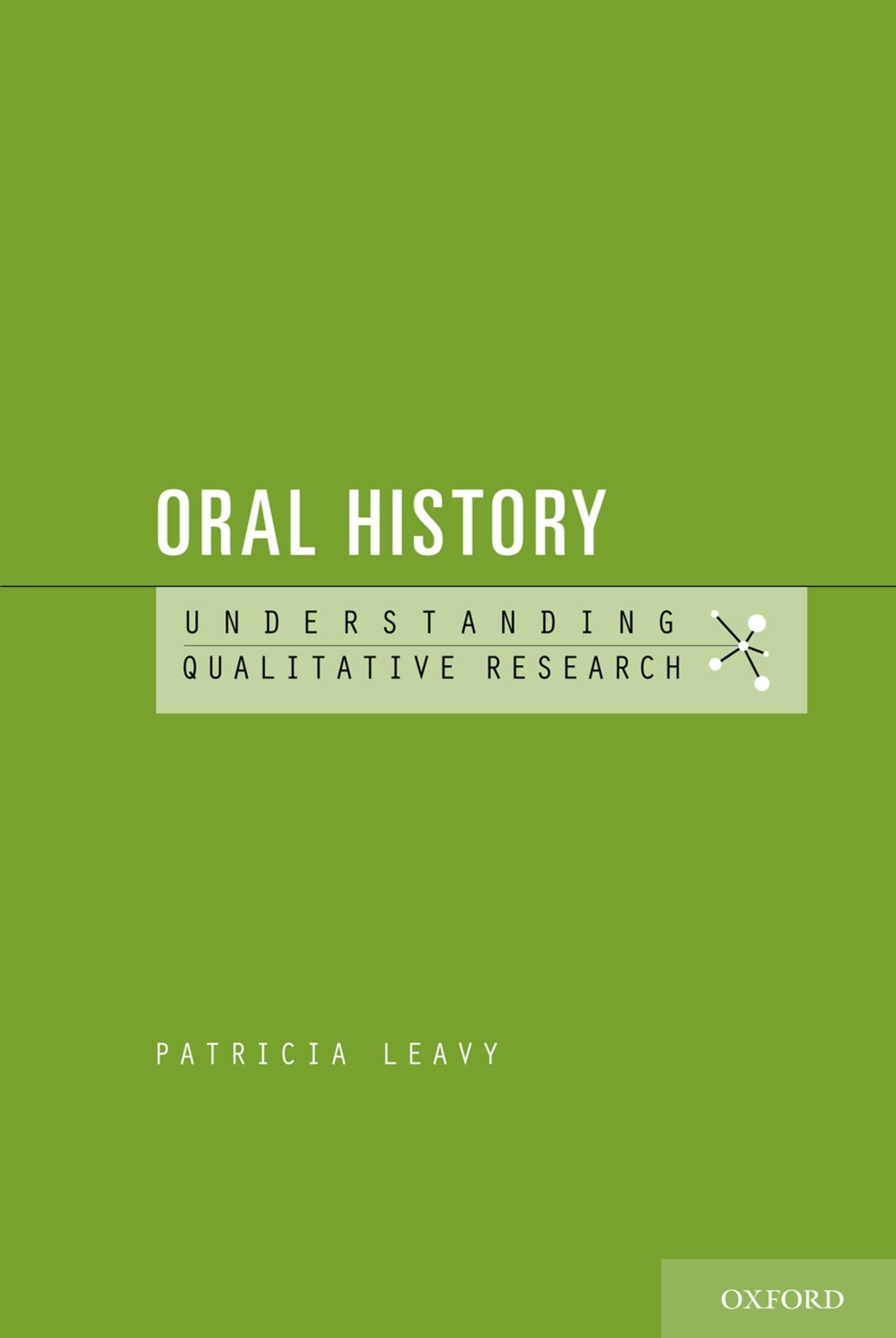
Oral History: Understanding Qualitative Research by Patricia Leavy – A Scholarly Guide for Researchers and Students
Inclusive of all applicable taxes. FREE shipping on all orders.
Available Offers
- 🚚Free Delivery — Free shipping on all orders
- 💵Cash on Delivery — Pay when your order arrives
- ↩️15-Day Easy Returns — Hassle-free return policy
- 🔒Cash on Delivery — Pay safely when your order arrives
Check Delivery
Product Description
Introduction
In the vast landscape of social science research, oral history stands as a uniquely powerful method for capturing lived experiences, marginalized voices, and the nuanced textures of the past. Patricia Leavy’s Oral History: Understanding Qualitative Research serves as an essential compass for scholars, students, and practitioners navigating this rich, human-centered methodology. Published by Oxford University Press, this hardcover volume offers a rigorous yet accessible guide to designing, conducting, interpreting, and presenting oral history projects. For Indian researchers, historians, and social scientists working with communities, memory, and narrative, this book provides a critical framework to elevate storytelling into credible, ethical scholarship.
Book Overview
Part of the acclaimed Understanding Qualitative Research series, this book positions oral history as both an art and a science. Patricia Leavy demystifies the entire research process, from formulating research questions that honor personal testimony to navigating the ethical complexities of representation and consent. The book bridges theoretical foundations with practical, step-by-step guidance, making it equally valuable for first-time researchers and seasoned academics. Leavy emphasizes the interpretive nature of oral history, teaching readers how to analyze narratives without stripping them of their emotional and cultural resonance. With examples drawn from diverse fields—sociology, history, anthropology, and education—this volume is a comprehensive toolkit for anyone seeking to document and understand the human experience through direct, spoken accounts.
Key Highlights
- Authoritative Guidance: Written by Patricia Leavy, a renowned sociologist and expert in qualitative research methods.
- Practical Frameworks: Offers clear models for designing interview protocols, managing fieldwork, and analyzing transcripts.
- Ethical Depth: Thoroughly explores issues of power, memory, subjectivity, and the researcher’s role in co-constructing narratives.
- Cross-Disciplinary Relevance: Applicable to history, sociology, cultural studies, education, and community-based research.
- Critical Evaluation: Teaches how to assess the credibility and significance of oral history findings.
Inside the Book
This hardcover edition is structured to guide readers through the entire oral history journey. Early chapters introduce the philosophical underpinnings of oral history, distinguishing it from other qualitative methods like interviews or ethnography. Leavy then moves into practical territory: crafting open-ended questions, building rapport with narrators, and managing audio/visual recording. The mid-section focuses on analysis, showing how to code narratives, identify themes, and construct meaning while respecting the narrator’s voice. Later chapters tackle representation—how to write up findings, present them in academic or public forums, and handle sensitive material. The book concludes with reflections on the future of oral history in a digital age, encouraging innovation without compromising ethical rigor.
Key Topics
- Epistemology and ontology of oral history as a research method
- Designing and piloting oral history projects
- Interview techniques: active listening, probing, and managing silence
- Ethical considerations: informed consent, anonymity, and community accountability
- Transcription and data management strategies
- Narrative analysis: thematic, structural, and performative approaches
- Writing and disseminating oral history findings
- Evaluating quality and validity in oral history research
Reader Benefits
This book empowers readers to move beyond theory into confident practice. You will learn to design research that genuinely honors participant voices, navigate the emotional complexities of fieldwork, and produce scholarship that is both rigorous and humane. The clear, jargon-free writing makes complex ideas digestible for Indian students new to qualitative research, while the depth of analysis satisfies advanced scholars. By the end, you will possess a replicable methodology for capturing oral histories that can illuminate India’s diverse regional, linguistic, and social narratives—from Partition memories to caste histories to contemporary migration stories.
Learning Outcomes
- Understand the philosophical foundations and unique value of oral history
- Develop effective interview guides and fieldwork protocols
- Apply ethical principles to protect narrators and build trust
- Analyze oral history data using established qualitative techniques
- Critique and evaluate oral history research with confidence
- Present findings in compelling, scholarly formats
Who Should Read
This book is indispensable for postgraduate and doctoral students in history, sociology, anthropology, education, and cultural studies. It is equally valuable for faculty designing qualitative research courses, community historians documenting local traditions, NGOs working with marginalized groups, and journalists seeking to deepen their narrative practice. Indian researchers focusing on oral traditions, folk memory, or subaltern histories will find this guide particularly transformative.
About the Author
Patricia Leavy is an independent sociologist and bestselling author known for her pioneering work in qualitative research methods and arts-based research. She has authored and edited numerous books, including the widely used Research Design and Method Meets Art. A former professor, Leavy is the creator of the Understanding Qualitative Research series and a recipient of multiple awards for her contributions to social science methodology. Her writing is celebrated for its clarity, creativity, and commitment to making research accessible.
About the Publisher
Oxford University Press (OUP) is a global academic publisher with a distinguished history of producing authoritative works across disciplines. OUP’s commitment to scholarly excellence ensures that every title, including this one, meets the highest standards of accuracy, clarity, and intellectual rigor. For Indian academics and students, OUP books are a trusted resource for foundational and cutting-edge knowledge.
Conclusion
Oral history is more than a method—it is an act of preservation, empathy, and discovery. Patricia Leavy’s Oral History: Understanding Qualitative Research equips you with the tools to conduct this vital work with integrity and skill. Whether you are documenting the stories of elders in a village, mapping urban change through personal accounts, or exploring identity in postcolonial India, this book will be your constant companion. Add this essential hardcover to your library today and begin the journey of turning spoken memories into lasting scholarship.
Quick Summary
Oral History: Understanding Qualitative Research by Patricia Leavy is a definitive guide within the Oxford University Press series on qualitative methods. This book demystifies the practice of oral history, offering researchers a clear framework for designing studies, conducting interviews, and analyzing narratives. It emphasizes the ethical dimensions of working with human subjects, the role of memory and subjectivity, and the importance of reflexivity. Written in an accessible yet scholarly tone, it is ideal for graduate students, academics, and independent researchers in history, sociology, anthropology, and related fields. Readers will learn how to capture and interpret personal testimonies, navigate the complexities of oral sources, and present their findings with rigor. By choosing Bookshops.in, Indian scholars gain access to an authentic Oxford University Press hardcover edition, ensuring quality and reliability for their academic work.
Book Highlights
Book Specifications
| ISBN-13 | 9780195395099 |
| ISBN-10 | 0195395093 |
| Publisher | OUP USA |
| Language | English |
| Dimensions | 13.97 x 1.17 x 20.96 cm |
| Weight | 227 g |
| Category | Psychology › Developmental Psychology |
| Series | Understanding Qualitative Research |
| Genre | Nonfiction |
| Original Language | English |
Frequently Asked Questions
What is oral history as a research method?
Who is Patricia Leavy?
Is this book suitable for beginners in qualitative research?
Does the book cover ethical issues in oral history?
Can this book be used for research in Indian contexts?
What is the Understanding Qualitative Research series?
Does the book include practical examples?
How does oral history differ from other interview methods?
What topics are covered in the book?
What is the price of the book?
Can I use this book for teaching a course?
Does the book address digital archiving of oral histories?
Why should I buy from Bookshops.in?
Readers Also Search For
Customers Also Bought
Psychology
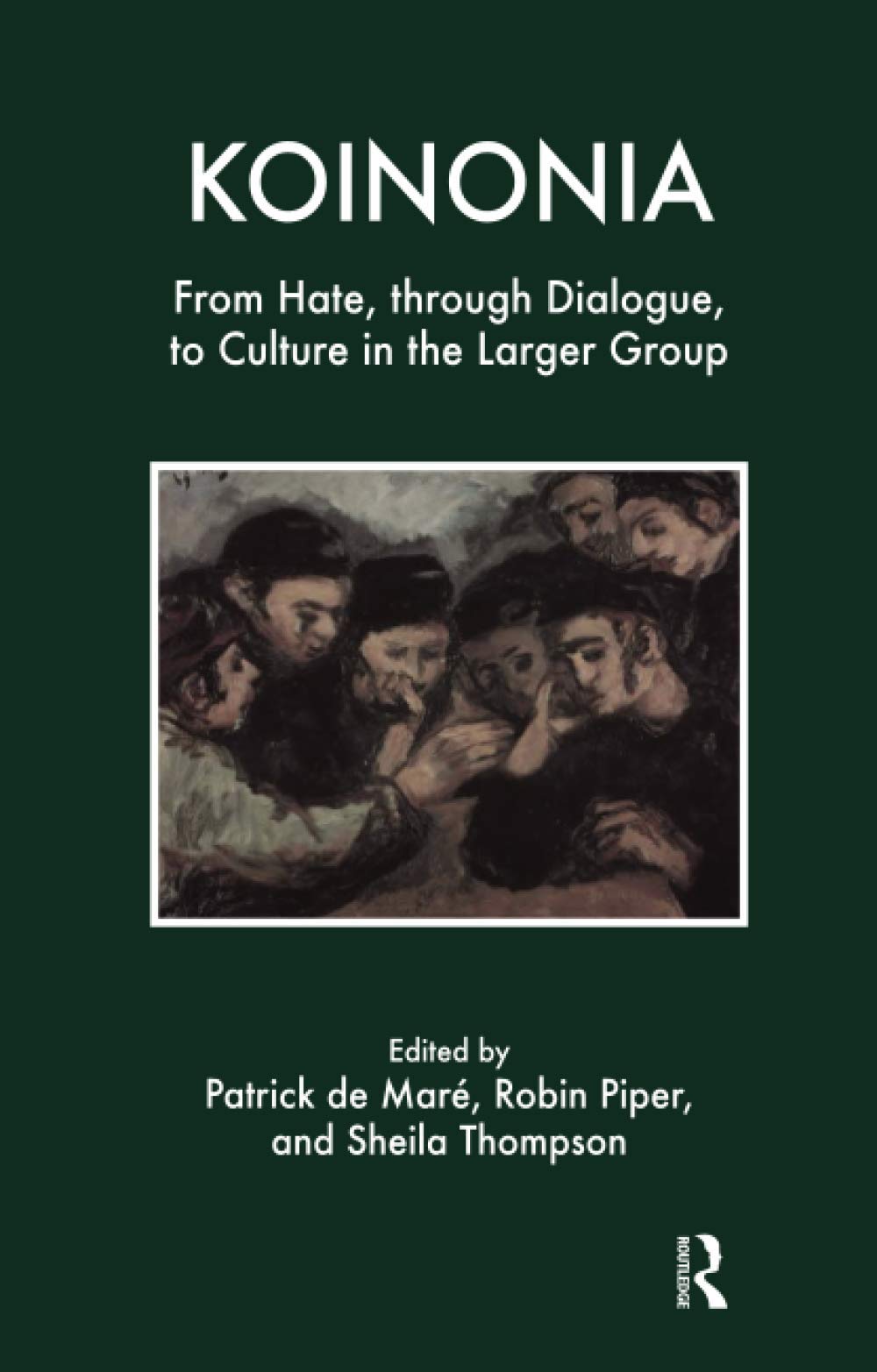
Koinonia: From Hate, Through Dialogue, to Culture in the Large Group by Patrick B. Demare
Psychology
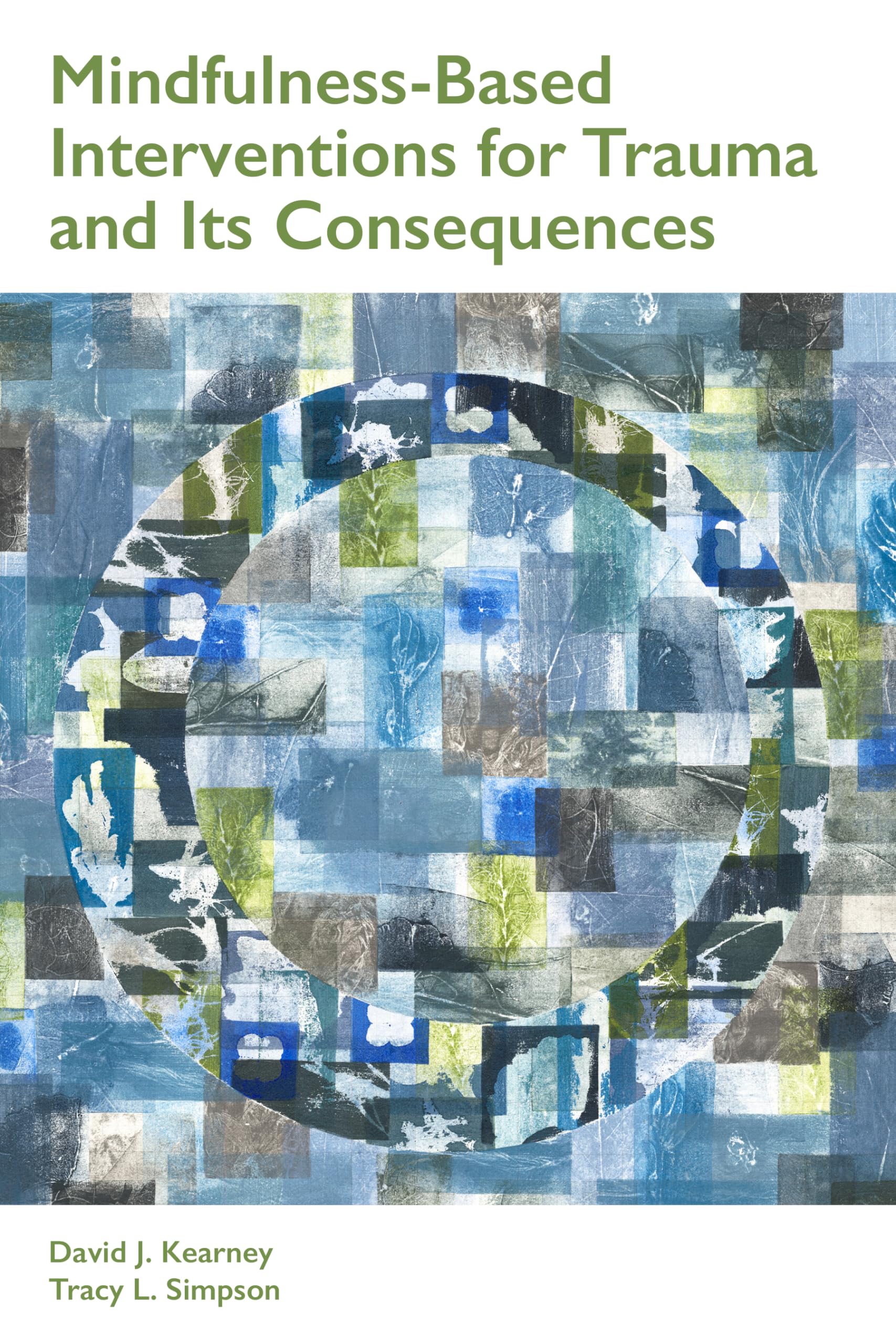
Mindfulness-Based Interventions for Trauma and Its Consequences (Concise Guides on Trauma Care, 4)

Psychology
Handbook for Teaching Statistics and Research Methods by Mark E. Ware

Psychology
Psychoanalysis and the Nuclear Threat: Clinical and Theoretical Studies

Psychology
Humor and Psyche: Psychoanalytic Perspectives by James W. Barron

Relationships
The Experience and Expression of Uncertainty in Close Relationships by Jennifer A. Theiss
Related Products
View AllPsychology
Mindfulness-Based Interventions for Trauma and Its Consequences (Concise Guides on Trauma Care, 4)
Psychology
Handbook for Teaching Statistics and Research Methods by Mark E. Ware
Psychology
Psychoanalysis and the Nuclear Threat: Clinical and Theoretical Studies
Psychology
Humor and Psyche: Psychoanalytic Perspectives by James W. Barron

Psychology
Proceedings of the First International Conference on Genetic Algorithms and Their Applications
Psychology