

Person-Centered Psychotherapies by David J. Cain – A Detailed Exploration of Carl Rogers' Client-Centered Approach and I
Inclusive of all applicable taxes. FREE shipping on all orders.
Available Offers
- 🚚Free Delivery — Free shipping on all orders
- 💵Cash on Delivery — Pay when your order arrives
- ↩️15-Day Easy Returns — Hassle-free return policy
- 🔒Cash on Delivery — Pay safely when your order arrives
Check Delivery
Product Description
Introduction
In the ever-evolving landscape of psychotherapy, few approaches have remained as profoundly humanistic and enduring as the person-centered tradition. Person-Centered Psychotherapies, authored by the esteemed David J. Cain, PhD, offers a comprehensive and contemporary exploration of this foundational therapeutic model. Published by the American Psychological Association (APA), this hardbound volume serves as both a scholarly reference and a practical guide for mental health professionals, students, and educators across India. Whether you are a clinical psychologist in Mumbai, a counselling student in Delhi, or a therapist in Bengaluru seeking to deepen your relational skills, this book provides an authoritative roadmap to understanding and applying the core principles that have shaped modern psychotherapy.
Book Overview
This definitive work traces the evolution of person-centered therapy from its origins with Carl Rogers—voted the most influential psychotherapist in history—through its contemporary variations. Cain masterfully distills decades of theory, research, and practice into a cohesive narrative that highlights the enduring relevance of Rogers' core therapeutic conditions: empathy, unconditional positive regard, and congruence. The book emphasizes the transformative power of the client–therapist relationship, focusing on how moment-to-moment engagement creates optimal conditions for client growth. Unlike many clinical texts that prioritize technique over relationship, this volume places the human connection at the very heart of healing, making it an essential read for anyone who believes in the innate resourcefulness of every individual.
Key Highlights
- Comprehensive historical context: Traces the development of person-centered therapy over nearly seven decades, from Rogers' original client-centered model to modern adaptations.
- Core therapeutic conditions explained in depth: Detailed exploration of empathy, unconditional positive regard, and congruence—the triad that defines this approach.
- Practical clinical applications: Real-world guidance on how to implement person-centered principles in diverse therapeutic settings, including individual, couple, and group therapy.
- Research-backed insights: Integrates empirical evidence supporting the efficacy of the person-centered approach, making it a credible choice for evidence-based practitioners.
- Focus on the therapeutic relationship: Emphasizes the quality of engagement between therapist and client as the primary vehicle for change.
Inside the Book
Structured for both sequential reading and targeted reference, Person-Centered Psychotherapies opens with a rich historical overview that situates Rogers' work within the broader humanistic psychology movement. Subsequent chapters delve into the theoretical underpinnings of the approach, including the actualizing tendency and the self-concept. Cain then offers a detailed walkthrough of the therapeutic process, from initial contact and assessment to the nuanced use of reflective listening and empathic responding. The book also addresses contemporary adaptations, such as emotion-focused therapy and motivational interviewing, showing how person-centered principles have been integrated into other modalities. Each chapter concludes with clinical vignettes and case examples that bring theory to life, ensuring that readers can immediately connect concepts to practice.
Key Topics
- The historical roots and philosophical foundations of person-centered therapy
- Carl Rogers' core conditions: empathy, unconditional positive regard, and congruence
- The actualizing tendency and its role in client growth
- Facilitating therapeutic presence and moment-to-moment engagement
- Working with resistance, transference, and difficult clients from a person-centered lens
- Applications in individual, couple, family, and group therapy
- Integrating person-centered principles with other therapeutic approaches
- Ethical considerations and cultural sensitivity in the Indian context
Reader Benefits
- Deepen your therapeutic skills: Learn to create a safe, non-judgmental space where clients feel truly heard and understood.
- Build stronger client relationships: Master the art of empathic engagement that fosters trust and facilitates healing.
- Enhance your clinical flexibility: Understand how to adapt person-centered techniques to suit diverse client populations, including those from Indian cultural backgrounds.
- Ground your practice in research: Gain confidence in an approach supported by decades of empirical evidence.
- Expand your theoretical toolkit: Integrate person-centered concepts with other modalities for a more holistic practice.
Learning Outcomes
By the end of this book, readers will be able to articulate the historical and theoretical foundations of person-centered psychotherapies, demonstrate proficiency in applying the core therapeutic conditions in clinical sessions, and critically evaluate the role of the therapeutic relationship in facilitating client change. Learners will also develop the ability to adapt person-centered principles to diverse clinical presentations and cultural contexts, including the unique sociocultural dynamics prevalent in India. Additionally, readers will gain skills in reflective listening, empathic responding, and fostering congruence—all essential for building a robust therapeutic alliance that empowers clients to find their own directions.
Who Should Read
This book is indispensable for clinical psychologists, psychiatrists, counsellors, and psychotherapists in practice or training. It is equally valuable for students pursuing postgraduate degrees in psychology, social work, or mental health counselling at Indian universities. Educators teaching courses in humanistic psychology, counselling skills, or therapeutic relationships will find it an excellent textbook. Additionally, anyone with a deep interest in the person-centered tradition—whether a seasoned practitioner or a newcomer to the field—will benefit from Cain's lucid and authoritative presentation.
About the Author
David J. Cain, PhD, is a leading figure in the person-centered approach and a former student of Carl Rogers. With decades of clinical experience and academic scholarship, Cain has dedicated his career to advancing the practice and teaching of client-centered therapy. He has served as professor of psychology at several universities and has authored numerous articles and books on the subject. His deep understanding of Rogers' original work, combined with his own innovations, makes him uniquely qualified to present this comprehensive overview of person-centered psychotherapies.
About the Publisher
American Psychological Association (APA) is the premier scientific and professional organization representing psychology in the United States. With a legacy spanning over 125 years, APA is renowned for publishing authoritative resources that set the standard for psychological practice, research, and education worldwide. This book is part of APA's esteemed Theories of Psychotherapy Series, which offers concise yet comprehensive introductions to major therapeutic approaches. Indian readers can trust the APA imprint as a hallmark of quality, rigor, and relevance in mental health literature.
Conclusion
Person-Centered Psychotherapies is more than a textbook—it is an invitation to rediscover the heart of therapy. In an age of manualized treatments and quick fixes, David J. Cain reminds us that healing ultimately happens in the space between two people. For Indian practitioners and students who value the human dimension of mental health care, this hardcover volume is an investment in professional growth and compassionate practice. Add it to your library today and deepen your understanding of what it truly means to be present with another person.
Quick Summary
Person-Centered Psychotherapies by David J. Cain is an authoritative guide to the client-centered approach pioneered by Carl Rogers. This book delves into the history, theory, research, and practice of person-centered therapy, emphasizing the transformative power of empathy, unconditional positive regard, and congruence in the therapeutic relationship. It is ideal for psychology students, mental health professionals, and anyone interested in humanistic therapy. Readers will gain a deep understanding of how these core conditions facilitate client growth and self-actualization. The book also explores various adaptations of the original model, making it a versatile resource for contemporary practice. By choosing Bookshops.in, Indian readers receive a genuine APA hardcover edition, ensuring quality and authenticity. Whether you are new to therapy or an experienced practitioner, this book offers valuable insights to enhance your clinical skills and deepen your appreciation of the person-centered approach.
Book Highlights
Book Specifications
| ISBN-13 | 9781433807213 |
| ISBN-10 | 1433807211 |
| Publisher | Amer Psychological Assn |
| Language | English |
| Dimensions | 15.24 x 1.27 x 22.86 cm |
| Weight | 295 g |
| Category | Psychology › Psychotherapy |
| Genre | Non-fiction |
| Original Language | English |
Frequently Asked Questions
What is person-centered psychotherapy?
Who is David J. Cain?
Is this book suitable for beginners in psychology?
Does this book include practical techniques?
What are the core conditions of person-centered therapy?
How is this book different from other therapy textbooks?
Can this book help me in clinical practice?
Is the book based on research?
Does the book cover variations of person-centered therapy?
Is this book used in Indian psychology courses?
What is the price of this book?
Why should I buy this book from Bookshops.in?
Readers Also Search For
Customers Also Bought
Psychology
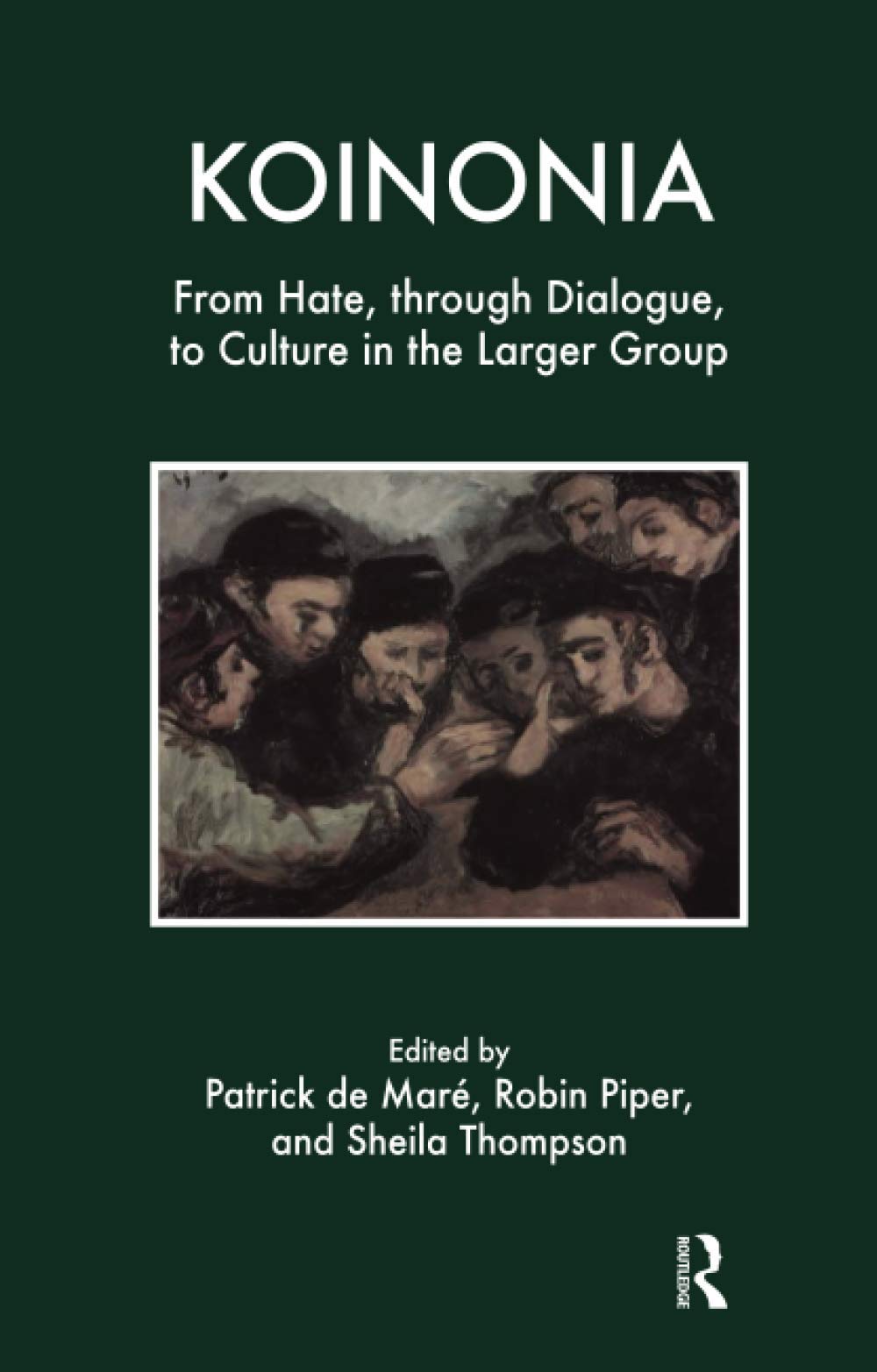
Koinonia: From Hate, Through Dialogue, to Culture in the Large Group by Patrick B. Demare

Psychology
Mindfulness-Based Interventions for Trauma and Its Consequences (Concise Guides on Trauma Care, 4)

Psychology
Handbook for Teaching Statistics and Research Methods by Mark E. Ware

Psychology
Psychoanalysis and the Nuclear Threat: Clinical and Theoretical Studies

Psychology
Humor and Psyche: Psychoanalytic Perspectives by James W. Barron

Relationships
The Experience and Expression of Uncertainty in Close Relationships by Jennifer A. Theiss
Related Products
View AllPsychology
Mindfulness-Based Interventions for Trauma and Its Consequences (Concise Guides on Trauma Care, 4)
Psychology
Handbook for Teaching Statistics and Research Methods by Mark E. Ware
Psychology
Psychoanalysis and the Nuclear Threat: Clinical and Theoretical Studies
Psychology
Humor and Psyche: Psychoanalytic Perspectives by James W. Barron

Psychology
Proceedings of the First International Conference on Genetic Algorithms and Their Applications
Psychology