

Positive Law and Objective Values: A Philosophical Inquiry into Law's Authority and Moral Objectivity by Andrei Marmor
Inclusive of all applicable taxes. FREE shipping on all orders.
Available Offers
- 🚚Free Delivery — Free shipping on all orders
- 💵Cash on Delivery — Pay when your order arrives
- ↩️15-Day Easy Returns — Hassle-free return policy
- 🔒Cash on Delivery — Pay safely when your order arrives
Check Delivery
Product Description
Introduction
In the vast landscape of legal philosophy, few questions are as enduring and contentious as the relationship between law and morality. Andrei Marmor's Positive Law and Objective Values offers a rigorous and original contribution to this debate. Published by OUP Oxford, this hardcover volume is essential reading for Indian law students, legal theorists, and anyone seeking a deeper understanding of how law can be both conventional and objective. Marmor challenges readers to rethink the foundations of legal positivism while engaging with the most pressing issues in jurisprudence today.
Book Overview
This book presents a sophisticated theory of law rooted in social conventions. Marmor argues that law is a system of constructive conventions—rules that are created and sustained by human practices. Crucially, he contends that because law is conventional, moral values cannot determine what the law is. However, this does not mean law is arbitrary. Marmor provides a detailed analysis of objectivity, showing that many aspects of law and moral values are metaphysically objective. The work bridges analytic jurisprudence with meta-ethics, offering a fresh perspective on the nature of legal authority and the limits of moral criticism.
Key Highlights
- Original thesis: Law is founded on constructive conventions, not moral truths.
- Rigorous analysis: Explores the concept of objectivity in law and morality.
- Authoritative voice: Written by Andrei Marmor, a leading figure in legal philosophy.
- Academic standard: Published by OUP Oxford, a premier academic press.
- Hardcover edition: Durable and ideal for library or personal collection.
Inside the Book
The book is structured around three core themes: the nature of social conventions, the authoritative character of law, and the objectivity of legal and moral values. Marmor begins by distinguishing between deep and surface conventions, arguing that law belongs to the latter. He then examines how law claims authority and why this claim does not depend on moral justification. The final part tackles objectivity, defending a robust but nuanced view that legal facts can be objective without being mind-independent in the way natural facts are. Throughout, Marmor engages with key thinkers like H.L.A. Hart, Joseph Raz, and Ronald Dworkin, making this a valuable dialogue with the tradition.
Key Topics
- Social conventions and their role in legal systems
- The nature of legal authority and its limits
- Objectivity in law and moral values
- Constructive versus regulative conventions
- Legal positivism and its critics
- Metaphysical foundations of jurisprudence
Reader Benefits
This book equips readers with a clear conceptual framework to understand the autonomy of law from morality. It sharpens critical thinking about legal reasoning and the grounds of legal validity. For Indian readers, the analysis is particularly relevant given the ongoing debates about secularism, constitutional morality, and the role of judges. Marmor’s arguments help clarify why law can be both a human creation and a source of objective guidance.
Learning Outcomes
- Understand the distinction between conventional and moral norms
- Analyze the concept of legal authority without moral reduction
- Evaluate different theories of objectivity in law
- Critique the relationship between law and morality using precise terminology
- Apply Marmor’s framework to contemporary legal issues
Who Should Read
This book is ideal for postgraduate law students, legal researchers, and philosophy students specializing in jurisprudence. It is also highly suitable for judges, lawyers, and academics who wish to deepen their theoretical grounding. Anyone with an interest in the foundations of legal systems—especially in a pluralistic society like India—will find Marmor’s work both challenging and rewarding.
About the Author
Andrei Marmor is a distinguished legal philosopher and professor of jurisprudence. He has taught at leading institutions including the University of Southern California and Tel Aviv University. His work focuses on legal positivism, the philosophy of language, and the nature of conventions. Marmor’s scholarship is known for its clarity, depth, and originality, making him one of the most cited authors in contemporary legal theory.
About the Publisher
OUP Oxford is the academic publishing arm of Oxford University, one of the world’s oldest and most prestigious universities. With a reputation for excellence in scholarly publishing, OUP Oxford produces works that set the standard in law, philosophy, and the humanities. This hardcover edition reflects their commitment to quality content and durable production.
Conclusion
Positive Law and Objective Values is a landmark text that redefines the debate between law and morality. Andrei Marmor’s clear argumentation and rigorous analysis make this book an indispensable resource for anyone serious about jurisprudence. Whether you are a student preparing for exams, a researcher writing a thesis, or a practitioner seeking intellectual depth, this volume offers lasting value. Order your copy from Bookshops.in today and add a cornerstone of legal philosophy to your library.
Quick Summary
Positive Law and Objective Values by Andrei Marmor is a rigorous philosophical exploration of the relationship between law and morality. The book argues that law is fundamentally grounded in constructive social conventions, and that moral values cannot dictate what the law is. Marmor provides a detailed analysis of the concept of objectivity, contending that many aspects of law and moral values are metaphysically objective. This work engages critically with major legal positivist thinkers like H.L.A. Hart and Joseph Raz, offering a fresh perspective on the authority of law. Ideal for advanced law students, legal scholars, and philosophers, the book challenges readers to reconsider the boundaries between legal norms and ethical values. By purchasing from Bookshops.in, Indian readers gain access to a premium hardcover edition of this seminal text, ensuring a lasting addition to their academic library. The book is essential for anyone seeking a deeper understanding of jurisprudence and the foundations of legal systems.
Book Highlights
Book Specifications
| ISBN-13 | 9780198268970 |
| ISBN-10 | 0198268971 |
| Publisher | Oxford Univ Pr on Demand |
| Language | English |
| Dimensions | 23.39 x 1.27 x 15.6 cm |
| Weight | 431 g |
| Category | Philosophy › Ethics |
| Genre | Non-fiction |
| Original Language | English |
Frequently Asked Questions
What is Positive Law and Objective Values about?
Who is the author of this book?
Which publisher released this book?
Is this book suitable for Indian law students?
What is the main argument of the book?
Does the book discuss legal positivism?
What is the ISBN for this book?
Is the book available in hardcover?
What is the price in India?
Who should read this book?
Does the book cover moral objectivity?
Is this book used in university courses?
Can I buy this from Bookshops.in?
Readers Also Search For
Customers Also Bought

Islam
Spiritual Economies (English, Daromir Rudnyckyj)

Islam
Who Is Allah? (English, Bruce B. Lawrence)
Islam
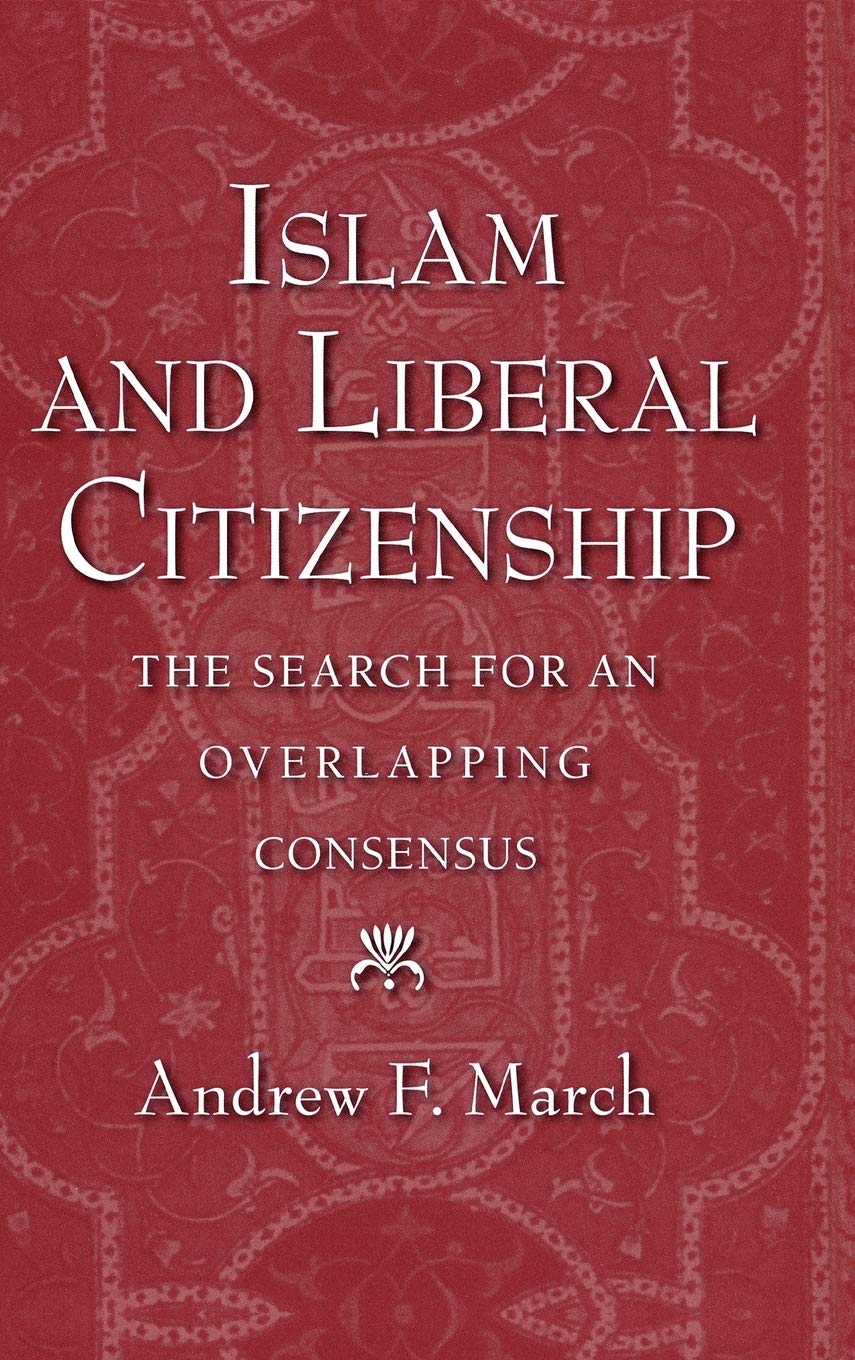
Islam and Liberal Citizenship: The Search for an Overlapping Consensus by Andrew F. March

Islam
Fiqh Us-Sunnah: Funerals and Diggers by Al-Sayyid Sabiq – Islamic Funeral Guide

Christianity
Genetics (English, Thomas a. Shannon | Mark P. Aulisio | Françoise Baylis)

Hinduism
Karma and Creativity by Christopher Key Chapple – Indian Philosophy
Related Products
View All
Philosophy
Latin American Philosophy: Currents, Issues, Debates by Eduardo Mendieta

Philosophy
Al-Farabi's Short Commentary on Aristotle's Prior Analytics by Nicholas Rescher – Philosophy

Philosophy
Poetics of Imagining: Modern to Post-modern by Richard Kearney

Philosophy
The Metaphysics of Extrinsic Properties: 11 (Metaphysical Research, 11)

Philosophy
Dialogues on Metaphysics and on Religion by Nicolas Malebranche – Philosophy
Philosophy