
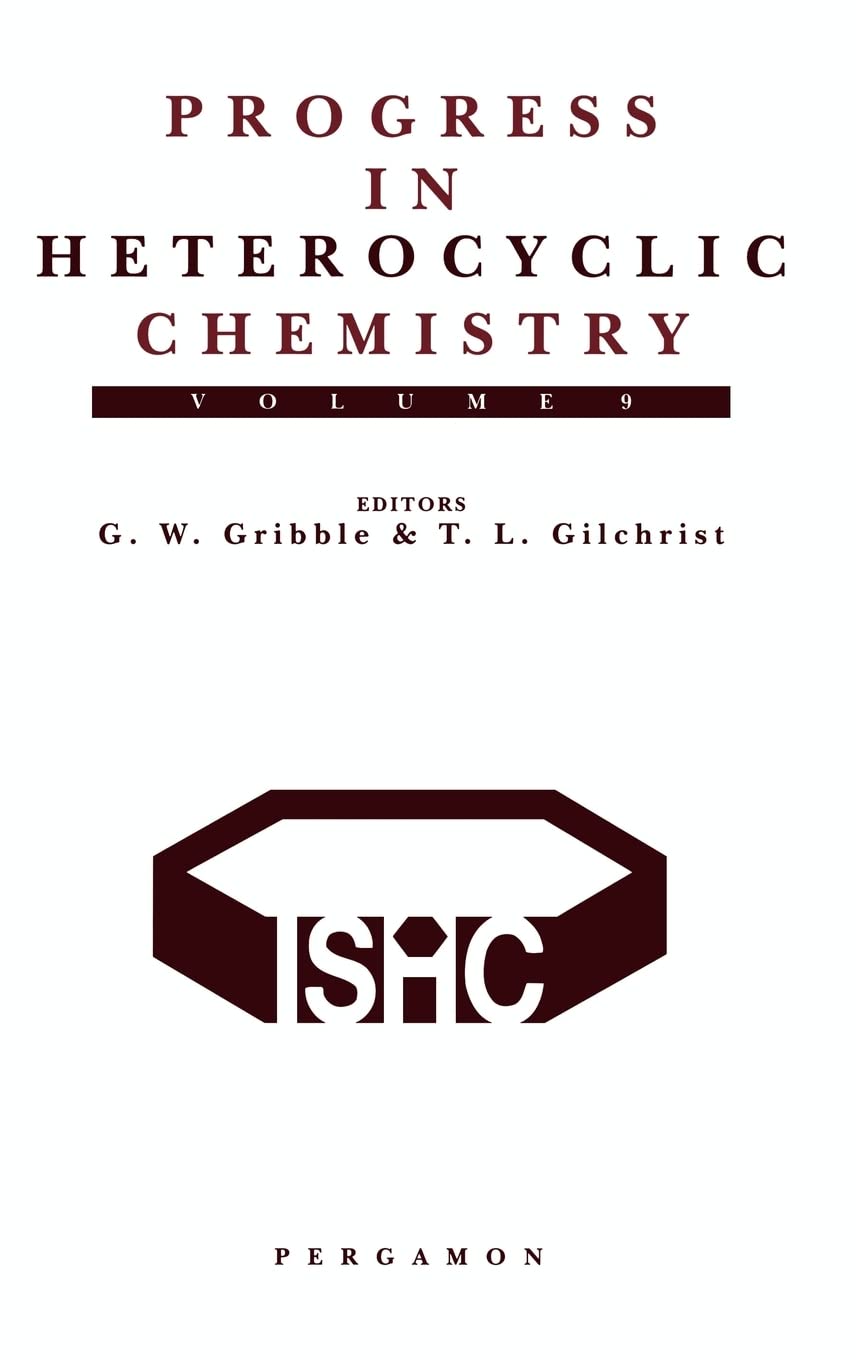
Progress in Heterocyclic Chemistry: A Critical Review of the 1996 Literature Preceded by Two Chapters on Current Heteroc
Inclusive of all applicable taxes. FREE shipping on all orders.
Available Offers
- 🚚Free Delivery — Free shipping on all orders
- 💵Cash on Delivery — Pay when your order arrives
- ↩️15-Day Easy Returns — Hassle-free return policy
- 🔒Cash on Delivery — Pay safely when your order arrives
Check Delivery
Product Description
Introduction
For students and professionals in organic chemistry, keeping pace with the rapidly evolving field of heterocyclic chemistry can be a challenge. Progress in Heterocyclic Chemistry: A Critical Review of the 1996 Literature Preceded by Two Chapters on Current Heterocyclic Topics offers a curated and authoritative solution. Published by Pergamon and edited by Thomas L. Gilchrist, this hardbound volume is an indispensable resource for Indian researchers, academicians, and advanced learners who seek a structured yet comprehensive overview of the year's most significant developments.
Book Overview
This ninth volume in the acclaimed annual review series, commissioned by the International Society of Heterocyclic Chemistry (ISHC), systematically surveys the 1996 literature. It is not merely a collection of abstracts but a critical analysis written by leading experts. The book opens with two special chapters on current heterocyclic topics, followed by a thorough review of original research reported during the year. For Indian chemists working in pharmaceuticals, agrochemicals, or materials science, this volume provides a reliable gateway to the latest breakthroughs without the need to scan hundreds of journals.
Key Highlights
- Critical Year Review: Expert-led evaluation of the 1996 heterocyclic chemistry literature, ensuring readers grasp the most impactful findings.
- Two Special Chapters: In-depth coverage of 'The Synthesis of Oxazoles from Diazocarbonyl Compounds' and 'The Heterocyclic Chemistry Associated with the Herbicide Glyphosate' – topics of high relevance to synthetic and industrial chemistry.
- Authoritative Contributors: Chapters written by leading researchers in heterocyclic chemistry from around the world.
- Annual Series Continuity: Part of a trusted series that has helped chemists stay updated since its inception.
Inside the Book
The volume is organized into two distinct parts. The first part features two topical reviews that delve into specific, timely subjects: the synthetic utility of diazocarbonyl compounds in constructing oxazoles, and the fascinating heterocyclic chemistry behind the widely used herbicide glyphosate. The second part comprises a series of highlight chapters, each covering a major class of heterocycles – from three-membered rings to larger systems and heterocyclic alkaloids. Every chapter presents a critical digest of the year's literature, including key reactions, novel methodologies, and structural insights.
Key Topics
- Oxazole synthesis via diazocarbonyl intermediates
- Herbicide glyphosate: heterocyclic aspects and mechanisms
- Three-, four-, and five-membered heterocyclic systems
- Six-membered rings and fused heterocycles
- Heterocyclic alkaloids and natural products
- New synthetic methods and reagents
- Biological and industrial applications of heterocycles
Reader Benefits
This book saves you countless hours of literature searching by presenting a distilled, critical perspective. Academic researchers can quickly identify emerging trends, while industrial chemists in India's vibrant pharma and agrochemical sectors will find actionable insights for drug discovery and process development. Advanced students preparing for competitive exams or research projects will gain a solid foundation in contemporary heterocyclic chemistry. The hardcover format ensures durability for repeated reference in library or laboratory settings.
Learning Outcomes
- Understand the major advances in heterocyclic chemistry reported in 1996.
- Gain practical knowledge of oxazole synthesis using diazocarbonyl compounds.
- Explore the heterocyclic chemistry underlying glyphosate's herbicidal action.
- Identify key synthetic strategies for various heterocyclic ring systems.
- Develop the ability to critically evaluate recent literature in the field.
Who Should Read
This volume is essential for organic chemistry researchers, postgraduate students, and PhD scholars specializing in heterocyclic or medicinal chemistry. It is equally valuable for industrial chemists in Indian pharmaceutical, agrochemical, and fine chemical companies who need to stay current with global research. Faculty members designing advanced coursework will find it a rich source of examples and case studies.
About the Author
Thomas L. Gilchrist is a respected organic chemist known for his contributions to heterocyclic chemistry and synthetic methodology. With decades of experience in research and teaching, he has authored numerous influential publications and served as editor for several volumes in the Progress in Heterocyclic Chemistry series. His editorial expertise ensures that each chapter meets the highest standards of accuracy and clarity.
About the Publisher
Pergamon, an imprint of Elsevier, has a long-standing reputation for publishing high-quality scientific and technical literature. With a global reach and a commitment to advancing knowledge, Pergamon's titles are trusted by researchers and institutions worldwide. This volume reflects their dedication to providing authoritative resources that support scientific progress in India and beyond.
Conclusion
Progress in Heterocyclic Chemistry: A Critical Review of the 1996 Literature is more than a reference – it is a strategic tool for anyone serious about heterocyclic chemistry. Whether you are a student building your knowledge base or a professional seeking to stay ahead, this hardcover volume delivers a year's worth of discoveries in one focused package. Add it to your collection and keep your research at the cutting edge.
Quick Summary
Progress in Heterocyclic Chemistry: A Critical Review of the 1996 Literature Preceded by Two Chapters on Current Heterocyclic Topics, edited by Thomas L. Gilchrist, is Volume 9 of the prestigious annual series commissioned by the International Society of Heterocyclic Chemistry. This hardcover reference provides a systematic, critical survey of the important original research published in heterocyclic chemistry during 1996. The book features expert-written highlight chapters that cover a wide range of heterocyclic compounds and reactions. Additionally, two special chapters delve into the synthesis of oxazoles from diazocarbonyl compounds and the heterocyclic chemistry associated with the herbicide glyphosate. This volume is designed for organic chemistry researchers, postgraduate students, and professionals in the pharmaceutical and agrochemical industries. Readers will gain a comprehensive understanding of the year's key developments, synthetic methodologies, and emerging topics. By purchasing from Bookshops.in, Indian customers receive authentic imported editions with fast, reliable delivery, making it the ideal choice for building a serious chemistry library.
Book Highlights
Book Specifications
| ISBN-13 | 9780080428017 |
| ISBN-10 | 0080428010 |
| Publisher | Pergamon Press |
| Language | English |
| Dimensions | 15.6 x 2.24 x 23.39 cm |
| Weight | 726 g |
| Category | Basic Sciences › Pharmacology |
| Series | Progress in Heterocyclic Chemistry |
| Genre | Non-fiction |
| Reading Age | 18+ |
| Original Language | English |
Frequently Asked Questions
What is Progress in Heterocyclic Chemistry about?
Who is the author of this book?
Is this book suitable for Indian students?
Does this book include practical synthesis methods?
Is this book part of a series?
What is the binding type?
What is the price of this book?
Can I use this book for research?
Does the book cover the chemistry of glyphosate?
What is the language of the book?
Is this book available in digital format?
Why should I buy from Bookshops.in?
Readers Also Search For
Customers Also Bought

Anatomy
Ultrastructure of the Digestive Tract: 4 (Electron Microscopy in Biology and Medicine)

Anatomy
Ultrastructure of the Connective Tissue Matrix: 3 (Electron Microscopy in Biology and Medicine)

Anatomy
Reproductive Genetics (Royal College of Obstetricians and Gynaecologists Study Group)

Anatomy
Human Gross Anatomy: An Outline Text by Robert J. Leonard – Medical Anatomy

Pharmacology
Mathematical Modeling and Simulation in Enteric Neurobiology

Anatomy
Nature’s Patterns and the Fractional Calculus: 2 (Fractional Calculus in Applied Sciences and Engineering, 2)
Related Products
View All
Pharmacology
Insulin, chemistry, structure, and function of insulin and related hormones: Proceedings of the Second International Insulin Symposium, Aachen, Germany, September 4–7, 1979

Pharmacology
A Handbook of Artificial Intelligence in Drug Delivery (English, Anil K. Philip)
Pharmacology
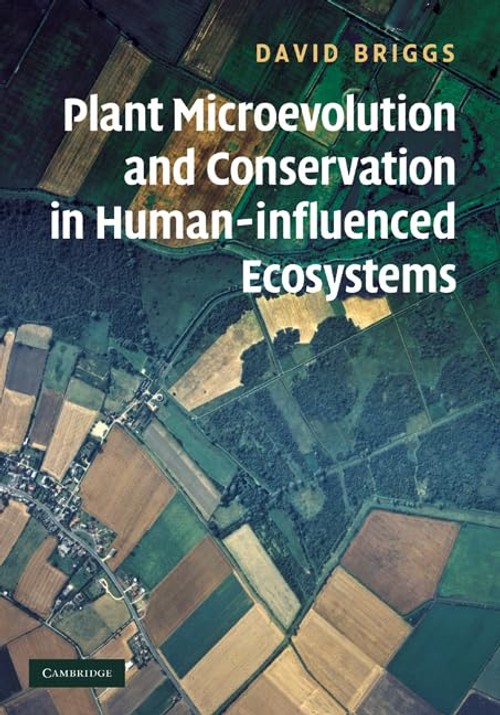
Plant Microevolution and Conservation in Human-influenced Ecosystems by David Briggs
Pharmacology
Electrochemotherapy, Electrogenetherapy, and Transdermal Drug Delivery by Mark J. Jaroszeski – Biome

Pharmacology
A Guide to the Extrapyramidal Side-Effects of Antipsychotic Drugs by D. G. Cunningham Owens
Pharmacology