
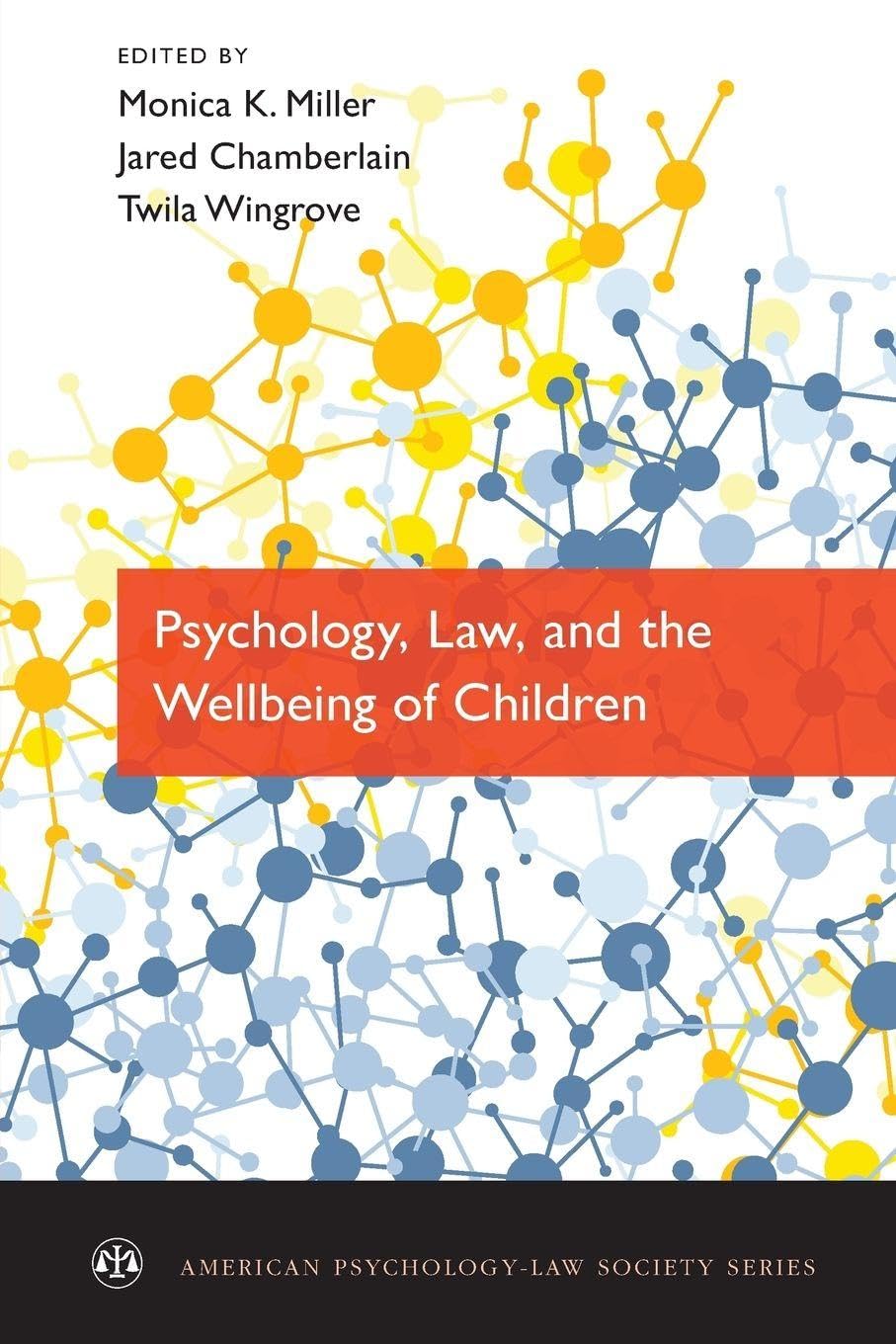
Psychology, Law, and the Wellbeing of Children by Monica K. Miller – A Deep Dive into Juvenile Justice and Child Welfare
Inclusive of all applicable taxes. FREE shipping on all orders.
Available Offers
- 🚚Free Delivery — Free shipping on all orders
- 💵Cash on Delivery — Pay when your order arrives
- ↩️15-Day Easy Returns — Hassle-free return policy
- 🔒Cash on Delivery — Pay safely when your order arrives
Check Delivery
Product Description
Introduction
In a rapidly evolving legal landscape, the intersection of psychology, law, and child welfare has never been more critical. Psychology, Law, and the Wellbeing of Children by Monica K. Miller offers a compelling examination of how legal systems shape the lives of young individuals. Published by Oxford University Press, this hardcover volume is an indispensable resource for Indian students, legal professionals, and policymakers seeking to understand the delicate balance between justice and child development. Through a blend of empirical research and real-world case studies, the book sheds light on how laws can both protect and inadvertently harm children, making it a vital addition to any academic or professional library in India.
Book Overview
This meticulously researched work delves into the ways civil and criminal laws impact children's mental health, decision-making, and overall wellbeing. Unlike traditional legal texts, Miller's approach integrates psychological principles to evaluate how policies—from juvenile justice to family law—affect young minds. The book traces the historical shift from treating juveniles as miniature adults to recognizing their unique cognitive and emotional needs. Each chapter unpacks a specific law or policy, reviews relevant psychological studies, and assesses the real-world consequences for children. With a focus on both protection and unintended harm, this volume offers a nuanced perspective that is essential for anyone involved in child advocacy or legal reform in India.
Key Highlights
- Interdisciplinary Approach: Bridges the gap between legal theory and psychological research, offering a holistic view of child wellbeing.
- Contemporary Relevance: Addresses modern legal challenges such as juvenile detention, custody battles, and children's rights in criminal proceedings.
- Evidence-Based Insights: Draws on cutting-edge studies to reveal how children's cognition, behavior, and emotions differ from adults—and why the law must adapt.
- Policy Implications: Provides actionable recommendations for lawmakers, judges, and educators to create child-sensitive legal environments.
- Authored by an Expert: Monica K. Miller is a leading scholar in forensic psychology and law, with decades of research experience.
Inside the Book
The book is structured to guide readers through complex legal-psychological terrain with clarity. Opening with a foundational overview of child development and legal history, it progresses into detailed analyses of specific laws. Chapters cover topics like the admissibility of child testimony, the impact of parental incarceration, and the psychological effects of foster care policies. Miller uses case law examples and statistical data to illustrate how legal decisions translate into lived experiences for children. The final sections synthesize findings into a framework for reform, emphasizing the need for laws that respect children's evolving capacities. Each chapter includes discussion questions, making it ideal for classroom use or professional training workshops across Indian universities and law schools.
Key Topics
- Juvenile justice systems and adolescent brain development
- Children's competency to stand trial and testify
- Family law: custody, visitation, and child protection
- Mental health interventions in legal contexts
- School discipline policies and zero-tolerance laws
- Immigration and asylum laws affecting minors
- Children's rights in civil litigation
- Ethical considerations in forensic child psychology
Reader Benefits
This book empowers readers to critically evaluate how legal systems serve—or fail—children. Students gain a solid foundation in forensic child psychology, while practitioners learn to apply research to real cases. Policymakers will find evidence-based arguments to advocate for reforms that prioritize child wellbeing. The Indian context is particularly relevant, as the country grapples with reforming its juvenile justice system and child protection laws. By understanding the psychological underpinnings of children's behavior, readers can become more effective advocates, judges, or social workers. The book also enhances empathy, encouraging a shift from punitive to rehabilitative approaches in legal settings.
Learning Outcomes
- Understand the developmental differences between children and adults that influence legal decision-making.
- Analyze how specific laws and policies impact children's mental health and development.
- Critically evaluate research methodologies in forensic psychology and their legal applications.
- Develop skills to design child-friendly legal procedures and interventions.
- Apply psychological principles to improve outcomes in juvenile justice, family law, and child advocacy.
Who Should Read
This book is tailored for law students, psychology undergraduates, and postgraduate researchers specializing in forensic or developmental psychology. It is equally valuable for practicing lawyers, judges, and magistrates in India who work with juvenile cases. Social workers, child rights activists, and policymakers in ministries of law and social justice will find the insights transformative. Educators teaching courses on child law, criminology, or human development will appreciate the structured content. Finally, parents and guardians seeking to understand how legal systems affect their children's lives will gain a deeper awareness of rights and protections.
About the Author
Monica K. Miller is a distinguished professor of criminal justice and psychology at the University of Nevada, Reno. With a PhD in social psychology and a JD in law, she brings a unique dual perspective to her work. Her research focuses on the intersection of law and psychology, particularly in areas involving children, families, and vulnerable populations. She has published extensively in peer-reviewed journals and authored multiple books on legal psychology. Miller is also a sought-after consultant for courts and legislative bodies, helping shape policies that are sensitive to child development. Her expertise ensures that this book is both academically rigorous and practically relevant.
About the Publisher
Oxford University Press (OUP) is a globally respected academic publisher with a rich history of producing authoritative works in law, psychology, and social sciences. Their commitment to scholarly excellence ensures that every title undergoes rigorous peer review. For Indian readers, OUP offers access to world-class research that bridges Western and Indian legal traditions. This hardcover edition is crafted with durable binding and high-quality paper, making it a lasting addition to any bookshelf. OUP's distribution network ensures that this book is readily available through Bookshops.in for students and professionals across India.
Conclusion
Psychology, Law, and the Wellbeing of Children is more than a textbook—it is a call to action for a more humane legal system. By illuminating the psychological realities of childhood, Monica K. Miller provides tools to create laws that nurture rather than harm. Whether you are a student preparing for a career in law or psychology, a professional seeking to update your practice, or a policymaker shaping India's future, this book offers invaluable insights. Order your hardcover copy today from Bookshops.in and join the movement to put children's wellbeing at the heart of justice.
Quick Summary
Psychology, Law, and the Wellbeing of Children by Monica K. Miller is a groundbreaking work that bridges the gap between psychological science and legal policy concerning youth. The book examines how civil and criminal laws impact children's mental health, development, and overall wellbeing. It covers topics such as juvenile justice, child custody, adolescent decision making, and the evolution of child-sensitive legislation. Drawing on recent research, Miller argues that legal actions must account for the distinct cognitive and emotional capacities of children. This volume is essential for law students, psychologists, social workers, and policymakers who seek to create more humane and effective policies for young people. Readers will learn how psychological insights can improve outcomes for children in legal settings, from courtrooms to family law disputes. Published by Oxford University Press, this hardcover edition is a valuable resource for Indian academics and professionals. By purchasing from Bookshops.in, you support a trusted Indian bookstore committed to quality and timely delivery.
Book Highlights
Book Specifications
| ISBN-13 | 9780199934218 |
| ISBN-10 | 0199934215 |
| Publisher | OUP USA |
| Language | English |
| Dimensions | 15.49 x 1.73 x 23.11 cm |
| Weight | 445 g |
| Category | Psychology › Clinical Psychology |
| Genre | Non-fiction |
| Original Language | English |
Frequently Asked Questions
What is Psychology, Law, and the Wellbeing of Children about?
Who is the author of this book?
What topics does the book cover?
Is this book suitable for Indian readers?
What is the ISBN of this book?
What format is the book available in?
What is the price of this book?
What is the language of the book?
How does this book help legal professionals?
Does the book cover Indian laws?
Can this book be used for academic courses?
What makes this book unique?
Where can I buy this book in India?
Readers Also Search For
Customers Also Bought
Psychology
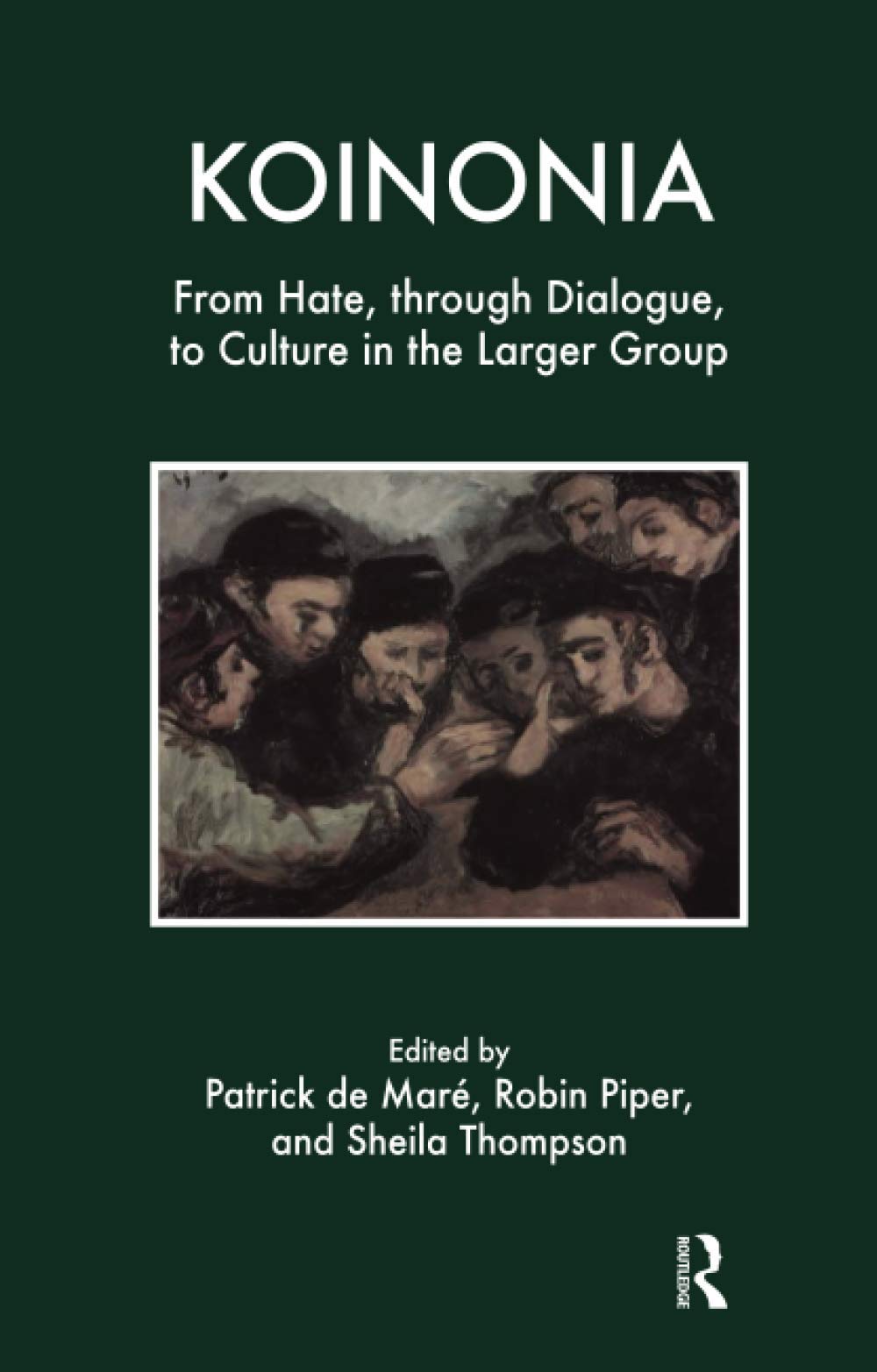
Koinonia: From Hate, Through Dialogue, to Culture in the Large Group by Patrick B. Demare
Psychology
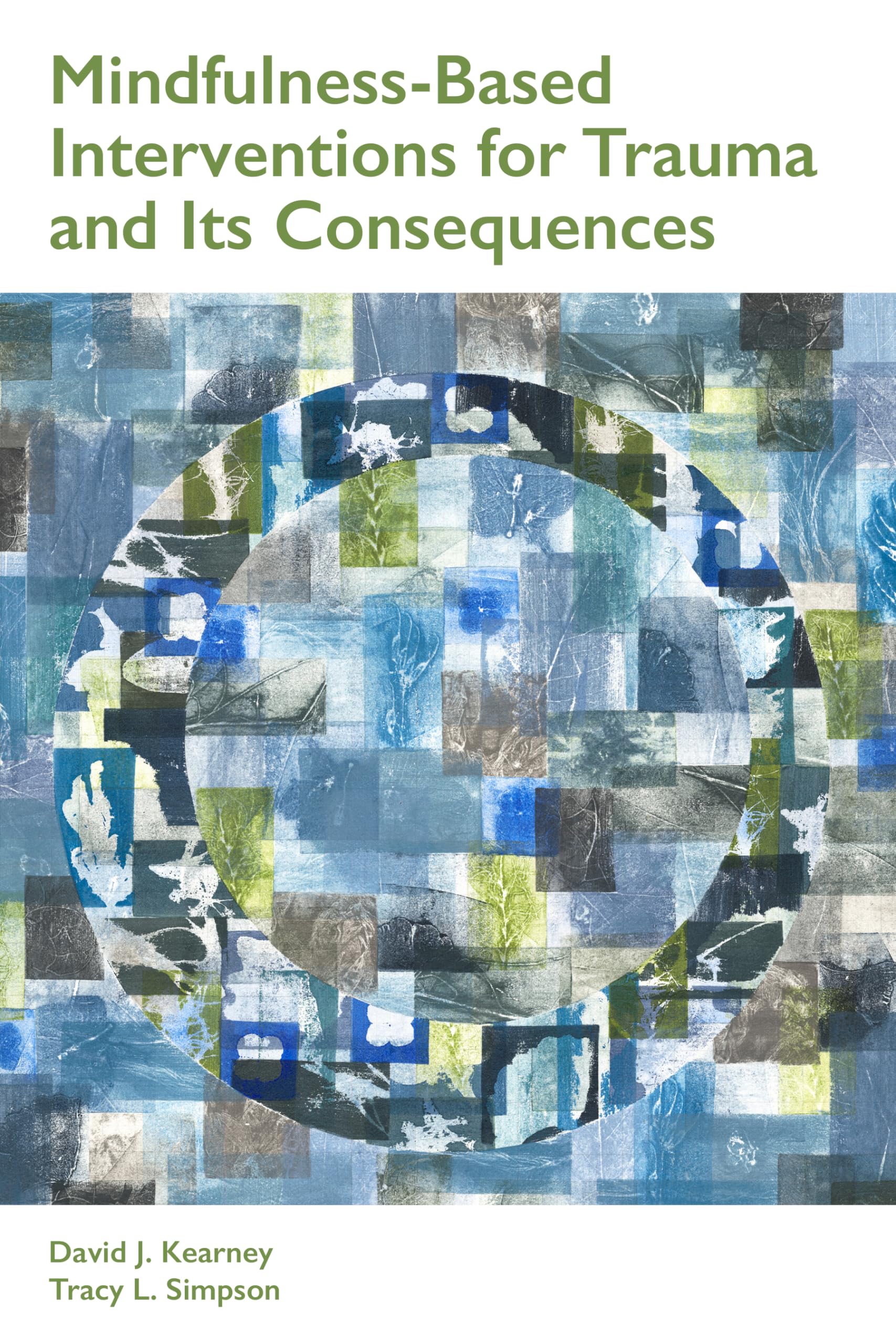
Mindfulness-Based Interventions for Trauma and Its Consequences (Concise Guides on Trauma Care, 4)

Psychology
Handbook for Teaching Statistics and Research Methods by Mark E. Ware

Psychology
Psychoanalysis and the Nuclear Threat: Clinical and Theoretical Studies
Psychology
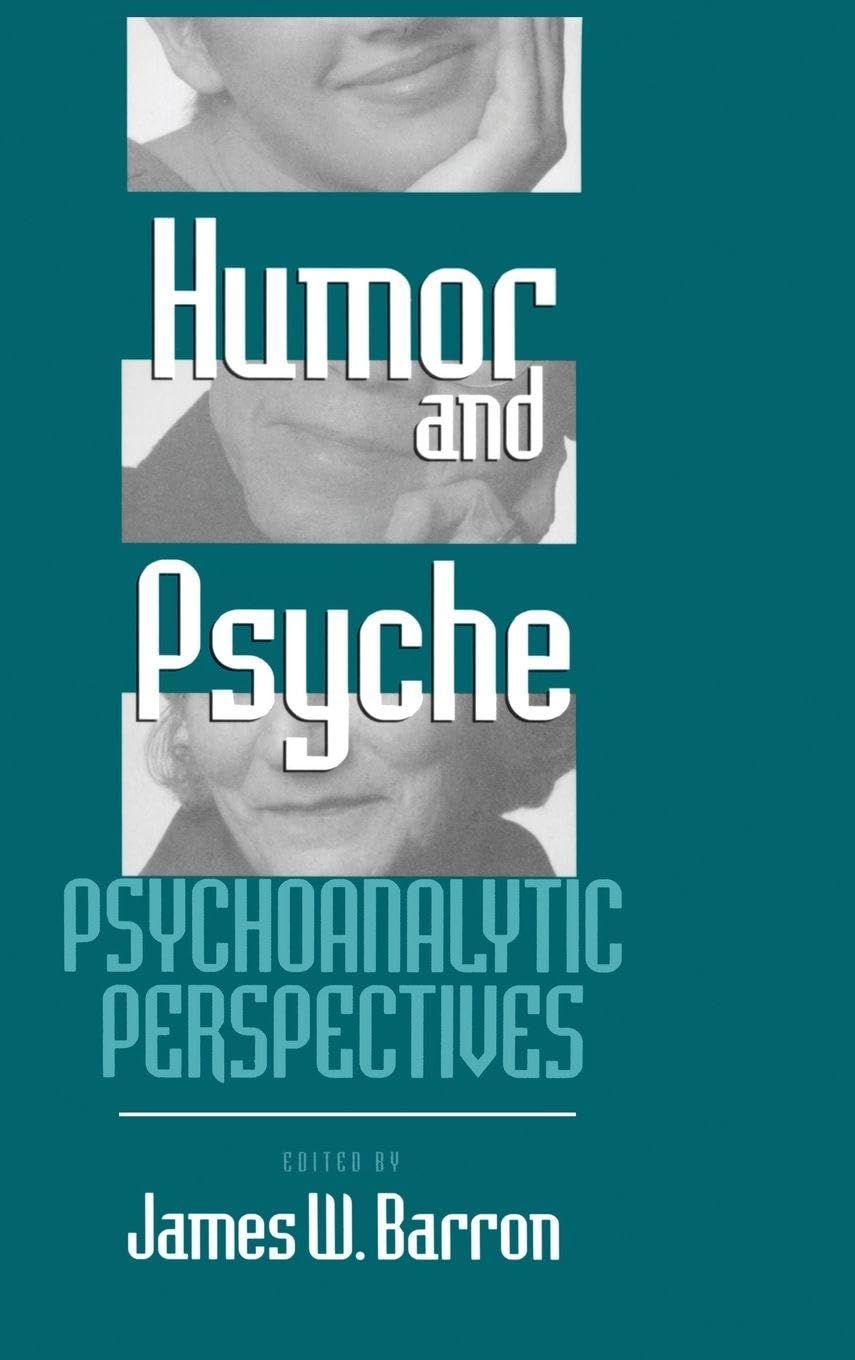
Humor and Psyche: Psychoanalytic Perspectives by James W. Barron

Relationships
The Experience and Expression of Uncertainty in Close Relationships by Jennifer A. Theiss
Related Products
View AllPsychology
Mindfulness-Based Interventions for Trauma and Its Consequences (Concise Guides on Trauma Care, 4)
Psychology
Handbook for Teaching Statistics and Research Methods by Mark E. Ware
Psychology
Psychoanalysis and the Nuclear Threat: Clinical and Theoretical Studies
Psychology
Humor and Psyche: Psychoanalytic Perspectives by James W. Barron

Psychology
Proceedings of the First International Conference on Genetic Algorithms and Their Applications
Psychology