

The Role of Science in Law by Robin Feldman – A Thoughtful Analysis of How Law Shapes Its Engagement with Science
Inclusive of all applicable taxes. FREE shipping on all orders.
Available Offers
- 🚚Free Delivery — Free shipping on all orders
- 💵Cash on Delivery — Pay when your order arrives
- ↩️15-Day Easy Returns — Hassle-free return policy
- 🔒Cash on Delivery — Pay safely when your order arrives
Check Delivery
Product Description
Introduction
In a world where legal decisions increasingly rely on scientific evidence, the interplay between law and science has never been more critical. Robin Feldman’s The Role of Science in Law offers a groundbreaking exploration of how legal frameworks shape and are shaped by scientific reasoning. This thought-provoking volume is essential for Indian law students, legal practitioners, and scholars seeking to understand the nuanced relationship between these two powerful disciplines.
Book Overview
Rather than focusing on the rapid evolution of scientific knowledge, this book turns the lens on the changing nature of law itself. Feldman argues that many conflicts at the intersection of law and science arise not because science is unstable, but because legal doctrines are constantly adapting to societal pressures. Through vivid examples from abortion regulations, gene patenting, copyright law, environmental rules, antitrust cases, and the insanity defence, the author demonstrates how law’s internal dynamics influence its engagement with science.
Key Highlights
- Original thesis: Shifts the debate from scientific volatility to legal transformation, offering a fresh perspective for Indian legal education.
- Interdisciplinary approach: Bridges law, philosophy, and policy, making it relevant for courses in jurisprudence, constitutional law, and forensic science.
- Contemporary relevance: Addresses cutting-edge issues such as gene patenting and digital copyright, which are hotly debated in Indian courts and legislatures.
- Critical analysis: Encourages readers to question the allure of scientific perfection in legal decision-making.
Inside the Book
The book is structured around core legal doctrines, each examined through the lens of how law’s evolving nature affects scientific evidence. Feldman dissects landmark cases and statutes, revealing how legal rules are not passive recipients of science but active shapers of its meaning. The prose is rigorous yet accessible, making complex ideas understandable for students and professionals alike.
Key Topics
- Abortion law and the role of medical evidence
- Gene patenting and intellectual property rights
- Copyright in the age of digital reproduction
- Environmental regulation and scientific uncertainty
- Antitrust law and economic analysis
- The insanity defence and psychiatric testimony
- Legal reasoning versus scientific methodology
Reader Benefits
- Deepen your understanding of how legal doctrines evolve in response to scientific advancements.
- Gain critical tools to evaluate expert testimony and scientific evidence in courtrooms.
- Enhance your arguments with a sophisticated grasp of the philosophical underpinnings of law-science interactions.
- Stay ahead of debates shaping Indian legal reforms in areas like biotechnology and digital rights.
Learning Outcomes
- Analyse the impact of legal change on the reception of scientific evidence.
- Critique the assumption that science offers objective solutions to legal dilemmas.
- Apply interdisciplinary frameworks to real-world legal problems.
- Develop nuanced perspectives on controversial topics such as gene patents and environmental standards.
Who Should Read
This book is ideal for law students preparing for careers in litigation, legal academia, or policy-making. It is equally valuable for practising lawyers, judges, and legal consultants who encounter scientific evidence in their work. Scholars of jurisprudence, sociology of law, and science and technology studies will find it a rich resource. Indian readers with an interest in how courts handle complex scientific issues—from forensic evidence to climate change—will benefit immensely.
About the Author
Robin Feldman is a distinguished professor of law at the University of California, Hastings College of the Law. She is a leading authority on intellectual property, antitrust law, and the intersection of law and science. Her research has been widely cited in academic journals and by courts, and she has advised government agencies on legal and policy matters. Her clear, engaging writing style makes complex ideas accessible without sacrificing depth.
About the Publisher
Oxford University Press is a globally respected academic publisher with a strong presence in India. Known for its rigorous editorial standards, OUP brings authoritative works in law, science, and the humanities to readers worldwide. This edition is part of their prestigious law series, ensuring quality and scholarly integrity.
Conclusion
The Role of Science in Law is not just a book—it is a vital tool for anyone who wants to understand how law and science truly interact. By challenging conventional wisdom, Robin Feldman equips readers to navigate the complexities of modern legal practice with clarity and insight. Add this hardcover edition to your library today and elevate your understanding of one of the most important debates of our time.
Quick Summary
The Role of Science in Law by Robin Feldman is a groundbreaking work that reorients the debate about law and science. Instead of blaming scientific change for legal difficulties, Feldman demonstrates that law's own structural evolution creates the friction. The book examines how courts have historically struggled with scientific evidence, from early forensics to modern genetics, and argues for a more democratic, transparent approach to integrating science into legal decisions. This hardcover edition from Oxford University Press is ideal for Indian law students, practicing attorneys, judges, and legal academics who want to understand the deeper forces shaping evidence law and judicial reasoning. Readers will learn to critically evaluate expert testimony, appreciate the limits of scientific certainty, and contribute to a more just legal system. Bookshops.in provides authentic copies with prompt pan-India delivery, making this essential reading accessible to the Indian legal community.
Book Highlights
Book Specifications
| ISBN-13 | 9780195368581 |
| ISBN-10 | 0195368584 |
| Publisher | OUP USA |
| Language | English |
| Dimensions | 21.08 x 2.29 x 14.48 cm |
| Weight | 381 g |
| Category | Law › Constitutional Law |
| Genre | Non-fiction |
| Original Language | English |
Frequently Asked Questions
What is the main argument of The Role of Science in Law?
Who is the author of this book?
Is this book suitable for Indian law students?
What format is this book available in?
Does the book discuss Indian case law?
How can this book help a practicing lawyer?
Is this book part of a series?
What is the ISBN for this book?
Why should I buy from Bookshops.in?
Does the book cover DNA evidence or forensics?
Can this book be used for a law school course?
What is the reading level of this book?
Does the author propose any solutions?
Readers Also Search For
Customers Also Bought

Constitutional Law
Indigenous law and the state
Constitutional Law
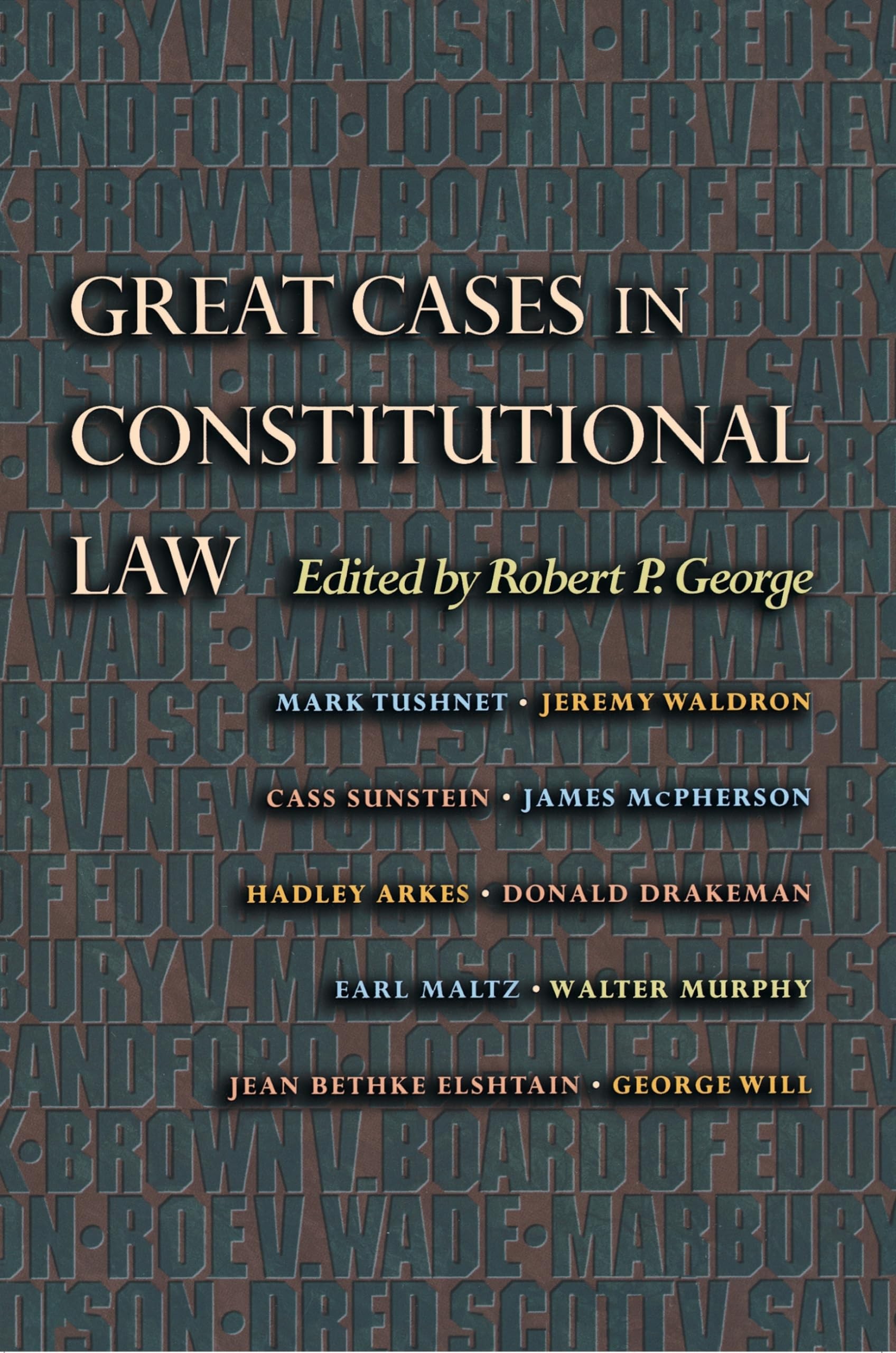
Great Cases in Constitutional Law (English, Robert P. George)

Constitutional Law
Guilty Pleas in International Criminal Law (English, Nancy Amoury Combs)

Constitutional Law
The Growth of the Law by Benjamin N. Cardozo – Jurisprudence

Constitutional Law
Court of Injustice: Law Without Recognition in U.S. Immigration by J. C. Salyer

Constitutional Law
Youth: Learning Through Cases
Related Products
View AllConstitutional Law
Indigenous law and the state
Constitutional Law
Great Cases in Constitutional Law (English, Robert P. George)
Constitutional Law
Guilty Pleas in International Criminal Law (English, Nancy Amoury Combs)
Constitutional Law
The Growth of the Law by Benjamin N. Cardozo – Jurisprudence
Constitutional Law
Court of Injustice: Law Without Recognition in U.S. Immigration by J. C. Salyer
Constitutional Law