
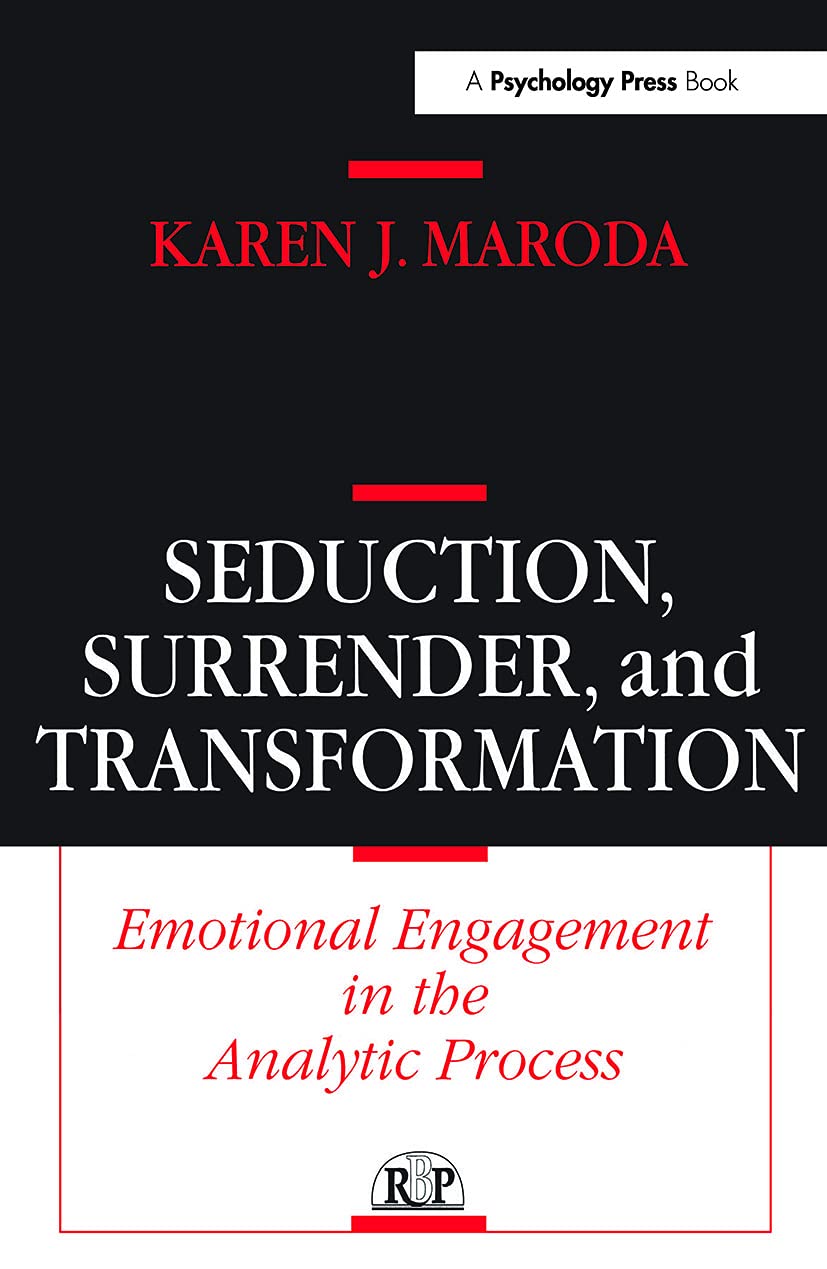
Seduction, Surrender, and Transformation: Emotional Engagement in the Analytic Process by Karen J. Maroda – A Routledge
Inclusive of all applicable taxes. FREE shipping on all orders.
Available Offers
- 🚚Free Delivery — Free shipping on all orders
- 💵Cash on Delivery — Pay when your order arrives
- ↩️15-Day Easy Returns — Hassle-free return policy
- 🔒Cash on Delivery — Pay safely when your order arrives
Check Delivery
Product Description
Introduction
In the evolving landscape of psychoanalysis and psychotherapy, few works challenge the traditional boundaries of therapeutic practice as boldly as Seduction, Surrender, and Transformation: Emotional Engagement in the Analytic Process. Written by renowned clinician Karen J. Maroda and published by Routledge, this hardcover volume reimagines the role of the analyst from a detached observer to an emotionally present participant. For Indian students, practitioners, and scholars of psychology, this book offers a transformative lens through which to understand the power of affect in healing. It is not merely a theoretical text but a practical guide to fostering genuine human connection within the analytic dyad.
Book Overview
This book presents a compelling argument for the centrality of emotional engagement in psychoanalytic work. Maroda draws on contemporary affect theory and interpersonal psychoanalysis to demonstrate how the analyst's authentic emotional responsiveness—including carefully considered self-disclosure—can catalyze deep psychological change. The author posits that many patients struggle with affect regulation and that completing cycles of affective communication between therapist and patient is essential for building self-trust and self-knowledge. Rather than remaining a neutral interpreter, the analyst becomes an active facilitator whose emotional presence helps the patient integrate fragmented experiences. The book is a rich blend of clinical vignettes, theoretical insights, and practical guidelines, making it accessible to both seasoned professionals and advanced students.
Key Highlights
- Radical redefinition of the analyst's role: Shifts from observer to active participant in the therapeutic process
- Focus on affect: Emphasizes emotional communication as the primary vehicle for transformation
- Practical self-disclosure: Offers nuanced guidance on when and how analysts can share their feelings
- Cycle of affective communication: Explains how completing emotional exchanges leads to healing
- Clinical depth: Rich case examples illustrate theory in action
- Relevance for Indian context: Addresses relational dynamics that resonate with collective cultural values
Inside the Book
The book is structured to guide readers through the theoretical foundations and practical applications of emotionally engaged psychoanalysis. Maroda begins by critiquing the traditional model of analytic neutrality and introduces the concept of mutual transformation—where both analyst and patient are changed through the encounter. She then delves into the neuroscience of affect, explaining how emotional arousal and regulation underpin psychological growth. Subsequent chapters explore the analyst's internal experience, the ethics of self-disclosure, and the management of intense emotions like shame and desire. The final sections offer detailed case studies that demonstrate how surrendering to emotional presence—rather than controlling it—can unlock profound therapeutic breakthroughs. Throughout, Maroda writes with clarity and warmth, making complex ideas accessible without oversimplifying.
Key Topics
- Affect regulation and dysregulation in psychotherapy
- The role of the analyst's subjectivity and countertransference
- Ethical and clinical considerations of therapist self-disclosure
- Interpersonal psychoanalysis and relational theory
- Emotional surrender as a therapeutic action
- Transformation through mutual affective engagement
- Shame, desire, and vulnerability in the analytic relationship
- Integrating neuroscience with clinical practice
Reader Benefits
- Enhanced clinical skills: Learn to use your own emotions therapeutically
- Deepened understanding: Grasp the theoretical underpinnings of affect-driven therapy
- Practical tools: Gain concrete strategies for managing intense emotional exchanges
- Cultural adaptability: Apply relational principles in diverse Indian therapeutic settings
- Self-awareness: Reflect on your own emotional responses as a practitioner
- Professional growth: Stay abreast of cutting-edge psychoanalytic thought
Learning Outcomes
By the end of this book, readers will be able to: articulate the theoretical shift from neutrality to emotional engagement; identify and complete cycles of affective communication in therapy; apply ethical guidelines for self-disclosure; recognize how the analyst's emotional vulnerability can facilitate patient transformation; integrate affect theory into their clinical work; and critically evaluate traditional psychoanalytic assumptions. These outcomes equip Indian mental health professionals to work more effectively with clients from varied cultural backgrounds, where emotional expression and relational closeness hold unique significance.
Who Should Read
This book is indispensable for practising psychotherapists, psychoanalysts, clinical psychologists, and psychiatry residents. It is also highly valuable for postgraduate students in clinical psychology, counselling, and social work who wish to deepen their understanding of therapeutic process. Academics teaching psychotherapy or psychoanalysis will find it a rich resource for course design. Additionally, anyone interested in the human capacity for emotional transformation—whether a seasoned professional or an eager learner—will be moved by this work. Indian readers, in particular, will appreciate how Maroda's emphasis on relational engagement aligns with the interpersonal and community-oriented fabric of Indian society.
About the Author
Karen J. Maroda is an American psychologist and psychoanalyst known for her pioneering work on affect, self-disclosure, and the analyst's emotional participation. With decades of clinical experience, she has authored several influential books, including The Power of Countertransference. Maroda is a sought-after supervisor and lecturer, and her writings have shaped contemporary relational psychoanalysis. Her style is both intellectually rigorous and deeply humane, making her a trusted voice for practitioners worldwide.
About the Publisher
Routledge is a premier global publisher of academic and professional books in the social sciences and humanities. With a legacy spanning over 180 years, Routledge is renowned for its authoritative texts in psychology, psychoanalysis, and counselling. Their catalogue includes works by leading thinkers such as Freud, Jung, Winnicott, and contemporary relational theorists. This book upholds Routledge's commitment to advancing knowledge that transforms clinical practice and human understanding.
Conclusion
Seduction, Surrender, and Transformation is more than a book—it is an invitation to rethink the very heart of therapeutic work. Karen J. Maroda masterfully combines theory, research, and clinical wisdom to show that emotional engagement is not a departure from analytic rigour but its deepest expression. For Indian readers navigating the complexities of modern mental health care, this volume offers a compassionate, evidence-based, and culturally resonant path to healing. Whether you are a student beginning your journey or an experienced clinician seeking renewal, this book will challenge, inspire, and transform you. Add it to your library today and discover the power of emotional presence in the analytic process.
Quick Summary
Seduction, Surrender, and Transformation by Karen J. Maroda is a groundbreaking work in interpersonal psychoanalysis that redefines the role of the analyst. Maroda argues that genuine emotional responsiveness, rather than detached interpretation, is the engine of therapeutic change. The book draws on affect theory and neuroscience to show how completing cycles of affective communication helps patients build self-trust and self-knowledge. Both patient and analyst are transformed through this mutual engagement. This Routledge hardcover is essential for Indian clinicians, counsellors, and psychology students who want to deepen their understanding of relational therapy. Readers will learn practical ways to use their own emotions therapeutically, address affect management issues, and move beyond traditional analytic neutrality. By purchasing from Bookshops.in, Indian readers receive an authentic imported edition with reliable delivery and customer support. Whether you are a practicing therapist or a graduate student, this book offers transformative insights into the heart of the analytic process.
Book Highlights
Book Specifications
| ISBN-13 | 9780881633979 |
| ISBN-10 | 0881633976 |
| Publisher | Routledge |
| Language | English |
| Dimensions | 15.19 x 1.24 x 22.91 cm |
| Weight | 340 g |
| Country | India |
| Category | Psychology › Psychotherapy |
| Genre | Non-fiction |
| Original Language | English |
Frequently Asked Questions
What is Seduction, Surrender, and Transformation about?
Who is the author of this book?
Is this book suitable for Indian psychology students?
What is the main argument of the book?
Does this book include case examples?
Is this book part of a series?
What is the price in India?
What are the key topics covered?
Who should read this book?
How is this book different from other psychoanalysis texts?
Does the book address countertransference?
Is the language technical?
Can this be used for self-study?
Why buy from Bookshops.in?
Readers Also Search For
Customers Also Bought
Psychology
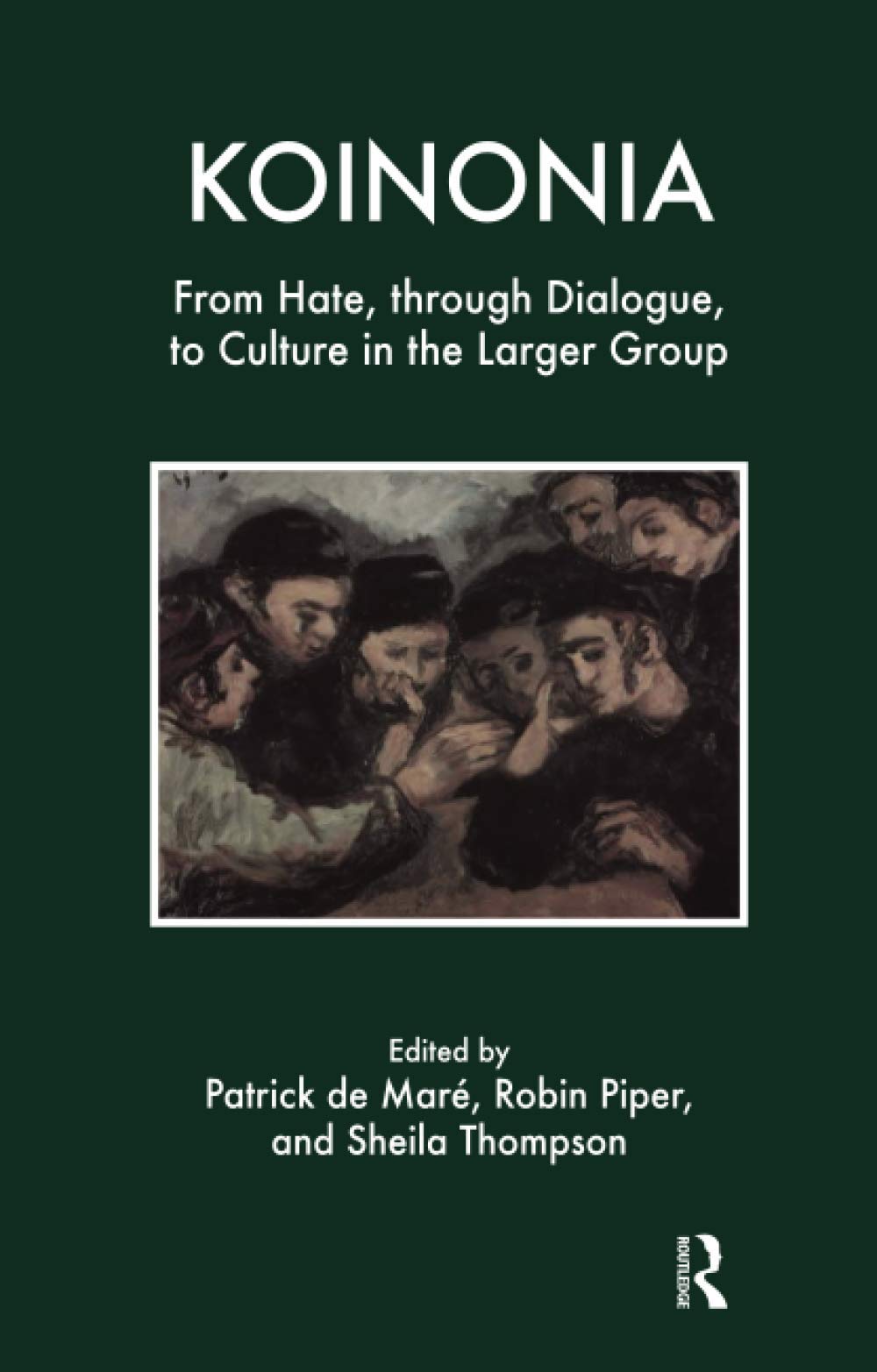
Koinonia: From Hate, Through Dialogue, to Culture in the Large Group by Patrick B. Demare

Psychology
Mindfulness-Based Interventions for Trauma and Its Consequences (Concise Guides on Trauma Care, 4)

Psychology
Handbook for Teaching Statistics and Research Methods by Mark E. Ware

Psychology
Psychoanalysis and the Nuclear Threat: Clinical and Theoretical Studies

Psychology
Humor and Psyche: Psychoanalytic Perspectives by James W. Barron

Relationships
The Experience and Expression of Uncertainty in Close Relationships by Jennifer A. Theiss
Related Products
View AllPsychology
Mindfulness-Based Interventions for Trauma and Its Consequences (Concise Guides on Trauma Care, 4)
Psychology
Handbook for Teaching Statistics and Research Methods by Mark E. Ware
Psychology
Psychoanalysis and the Nuclear Threat: Clinical and Theoretical Studies
Psychology
Humor and Psyche: Psychoanalytic Perspectives by James W. Barron

Psychology
Proceedings of the First International Conference on Genetic Algorithms and Their Applications
Psychology