
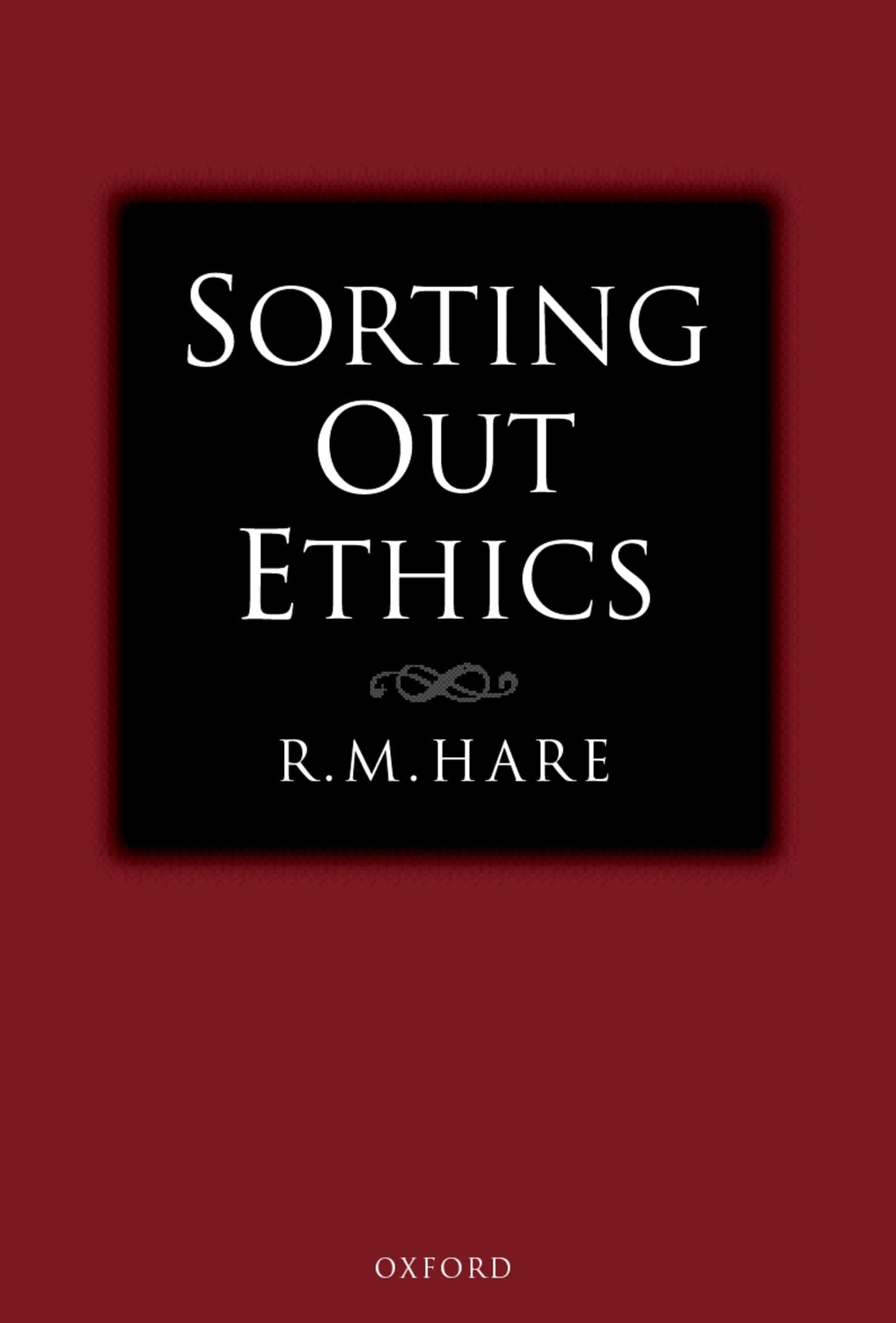
Sorting Out Ethics: A Lucid Survey of Moral Philosophy and Ethical Theories by R. M. Hare
Inclusive of all applicable taxes. FREE shipping on all orders.
Available Offers
- 🚚Free Delivery — Free shipping on all orders
- 💵Cash on Delivery — Pay when your order arrives
- ↩️15-Day Easy Returns — Hassle-free return policy
- 🔒Cash on Delivery — Pay safely when your order arrives
Check Delivery
Product Description
Introduction
In the vast and often bewildering landscape of moral philosophy, few works manage to combine rigorous argumentation with genuine accessibility. Sorting Out Ethics by R. M. Hare, published by OUP Oxford, stands as a luminous exception. This hardcover volume is not merely an introduction to ethical theories; it is a masterful distillation of a lifetime of philosophical inquiry. For Indian students, scholars, and curious readers navigating the complexities of right and wrong, this book offers a clear, structured, and engaging pathway through the major rival ethical systems. It is an indispensable addition to any serious library of society and social sciences.
Book Overview
Sorting Out Ethics is a characteristically lucid and lively survey of competing ethical theories by one of the most influential moral philosophers of the twentieth century. Hare, renowned for his pioneering work in meta-ethics and prescriptivism, here provides both a critical examination of alternative viewpoints and a definitive summary of his own fundamental ethical position. The book systematically explores the strengths and weaknesses of naturalism, intuitionism, emotivism, and other major schools, while presenting Hare's own universal prescriptivist approach with unmatched clarity. It is designed to help readers not only understand the debates but also to think for themselves about moral questions.
Key Highlights
- Authoritative Voice: Written by R. M. Hare, a towering figure in moral philosophy whose ideas have shaped contemporary ethics.
- Comprehensive yet Concise: Covers a wide range of ethical theories without overwhelming the reader, making it ideal for both beginners and advanced students.
- Critical Engagement: Offers balanced critiques of rival views while presenting Hare's own prescriptivist framework.
- Lifelong Relevance: Addresses timeless questions about moral reasoning, obligation, and the nature of goodness.
- Indian Context: Though rooted in Western philosophy, the logical structure and universal principles discussed are highly relevant to Indian ethical traditions and modern moral dilemmas.
Inside the Book
Hare begins by laying out the fundamental questions that drive ethical inquiry: What does it mean for an action to be right? Can moral judgments be true or false? He then proceeds to dissect each major ethical theory with surgical precision. The book examines naturalism, which ties morality to empirical facts; intuitionism, which appeals to self-evident moral truths; and emotivism, which reduces moral language to expressions of emotion. Hare contrasts these with his own universal prescriptivism, arguing that moral judgments are prescriptions that must be universalizable. Each chapter builds logically on the last, creating a cohesive argument that invites readers to test their own intuitions against rigorous reasoning.
Key Topics
- Moral Language and Meaning: Understanding what we are doing when we make moral statements.
- Naturalism and Its Critics: The attempt to derive ethics from facts about human nature.
- Intuitionism and Moral Certainty: The appeal to self-evident principles.
- Emotivism and Expressivism: The view that moral judgments express feelings.
- Universal Prescriptivism: Hare's own theory that moral judgments are universalizable prescriptions.
- Reason and Morality: The role of logic and consistency in ethical reasoning.
- Freedom and Responsibility: How moral choices relate to human agency.
Reader Benefits
- Clarity in Complexity: Hare's writing is famously clear, making dense philosophical arguments accessible to non-specialists.
- Critical Thinking Skills: Readers learn to evaluate arguments, spot fallacies, and construct their own moral reasoning.
- Academic Foundation: An excellent primer for students of philosophy, law, political science, and sociology.
- Personal Growth: Encourages deep reflection on one's own moral beliefs and their justification.
- Debate Readiness: Equips readers to engage in informed discussions about ethics in classrooms, workplaces, and public life.
Learning Outcomes
By the end of this book, readers will be able to: identify and explain the main rival ethical theories; critically assess the strengths and weaknesses of each approach; understand Hare's universal prescriptivism and its implications; apply logical reasoning to moral problems; articulate their own ethical stance with greater precision and confidence; and engage with contemporary ethical debates in a more informed and nuanced manner.
Who Should Read
- University Students: Especially those in philosophy, ethics, political science, law, and social sciences.
- Teachers and Academics: Seeking a clear, authoritative text for courses in moral philosophy.
- General Readers: Anyone curious about the foundations of morality and how to think clearly about ethical issues.
- Debaters and Public Speakers: Looking to strengthen their arguments on moral topics.
- Indian Youth: Navigating modern ethical dilemmas in a rapidly changing society.
About the Author
R. M. Hare (1919–2002) was one of the most distinguished moral philosophers of the twentieth century. He served as White's Professor of Moral Philosophy at the University of Oxford and later as Graduate Research Professor of Philosophy at the University of Florida. Hare's work on prescriptivism and universalizability revolutionized meta-ethics. His major books include The Language of Morals, Freedom and Reason, and Moral Thinking. Known for his clarity, rigour, and engagement with real-world problems, Hare's influence extends across philosophy, law, and public policy.
About the Publisher
OUP Oxford, a division of Oxford University Press, is one of the oldest and most respected academic publishers in the world. With a history spanning over five centuries, OUP is renowned for its commitment to scholarly excellence, rigorous editorial standards, and the dissemination of knowledge across all disciplines. This hardcover edition reflects OUP's tradition of producing durable, high-quality books that are built to last.
Conclusion
Sorting Out Ethics is more than a book; it is a guided tour through the most important questions of moral philosophy, led by one of its greatest practitioners. Whether you are a student preparing for exams, a teacher designing a curriculum, or a lifelong learner seeking wisdom, this volume will sharpen your thinking and deepen your understanding. Its combination of depth, clarity, and practical relevance makes it a must-have for anyone serious about ethics. Add this definitive work to your collection today and begin the journey of sorting out your own ethical convictions.
Quick Summary
Sorting Out Ethics by R. M. Hare is a masterful and accessible survey of the major competing ethical theories in moral philosophy, written by one of the most influential moral philosophers of the 20th century. The book not only provides a clear and vigorous overview of metaethics, normative ethics, and key positions like utilitarianism, Kantianism, and intuitionism, but also serves as a definitive summary of Hare's own prescriptivist ethical stance. It is designed for undergraduate and postgraduate philosophy students, as well as general readers who want to understand moral reasoning and evaluate ethical arguments critically. Readers will learn to compare different ethical frameworks, grasp the nuances of moral language, and develop their own reasoned positions on moral issues. This hardcover edition from OUP Oxford is ideal for Indian students and scholars seeking a reliable, concise textbook for courses in ethics. By purchasing from Bookshops.in, you get a genuine imported copy with fast delivery across India, backed by trusted service.
Book Highlights
Book Specifications
| ISBN-13 | 9780198250326 |
| ISBN-10 | 0198250320 |
| Publisher | Clarendon Pr |
| Language | English |
| Dimensions | 13.34 x 1.19 x 20.32 cm |
| Weight | 227 g |
| Category | Philosophy › Ethics |
| Genre | Non-fiction |
| Original Language | English |
Frequently Asked Questions
What is Sorting Out Ethics about?
Who is the author of Sorting Out Ethics?
What is the main theme of the book?
Is this book suitable for beginners in philosophy?
What is prescriptivism?
How does this book compare to Hare's earlier works?
What format is this book available in?
Can this book be used for Indian university courses?
Does the book cover applied ethics?
Is this book part of a series?
What is the ISBN for Sorting Out Ethics?
Why should I buy from Bookshops.in?
Does the book include a bibliography?
Readers Also Search For
Customers Also Bought
Islam
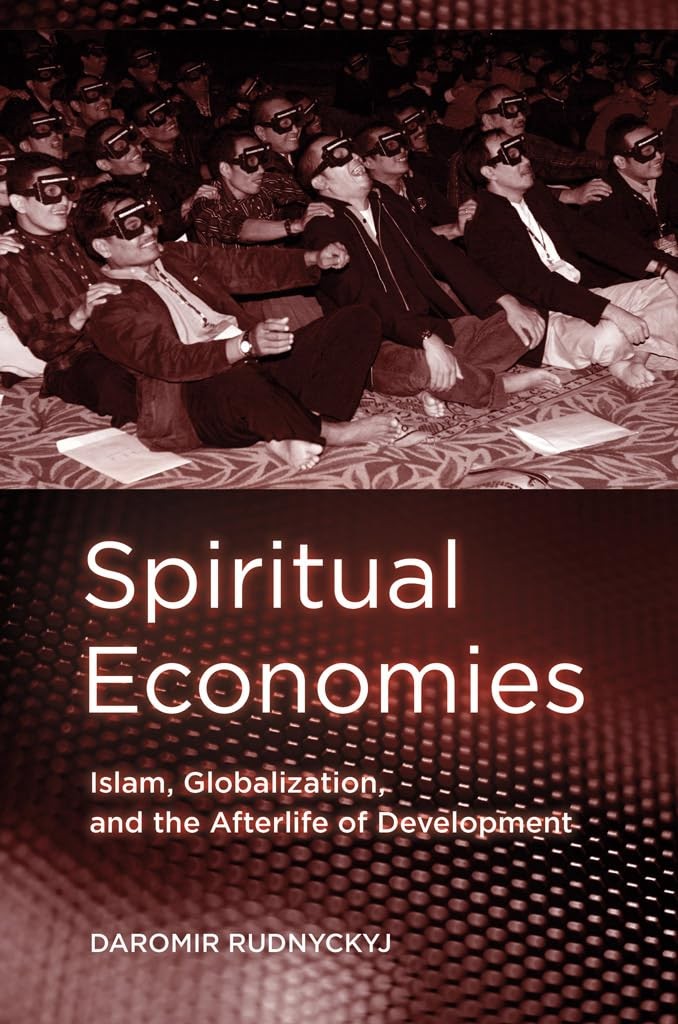
Spiritual Economies (English, Daromir Rudnyckyj)

Islam
Who Is Allah? (English, Bruce B. Lawrence)
Islam
Islam and Liberal Citizenship: The Search for an Overlapping Consensus by Andrew F. March
Islam
Fiqh Us-Sunnah: Funerals and Diggers by Al-Sayyid Sabiq – Islamic Funeral Guide

Christianity
Genetics (English, Thomas a. Shannon | Mark P. Aulisio | Françoise Baylis)

Hinduism
Karma and Creativity by Christopher Key Chapple – Indian Philosophy
Related Products
View All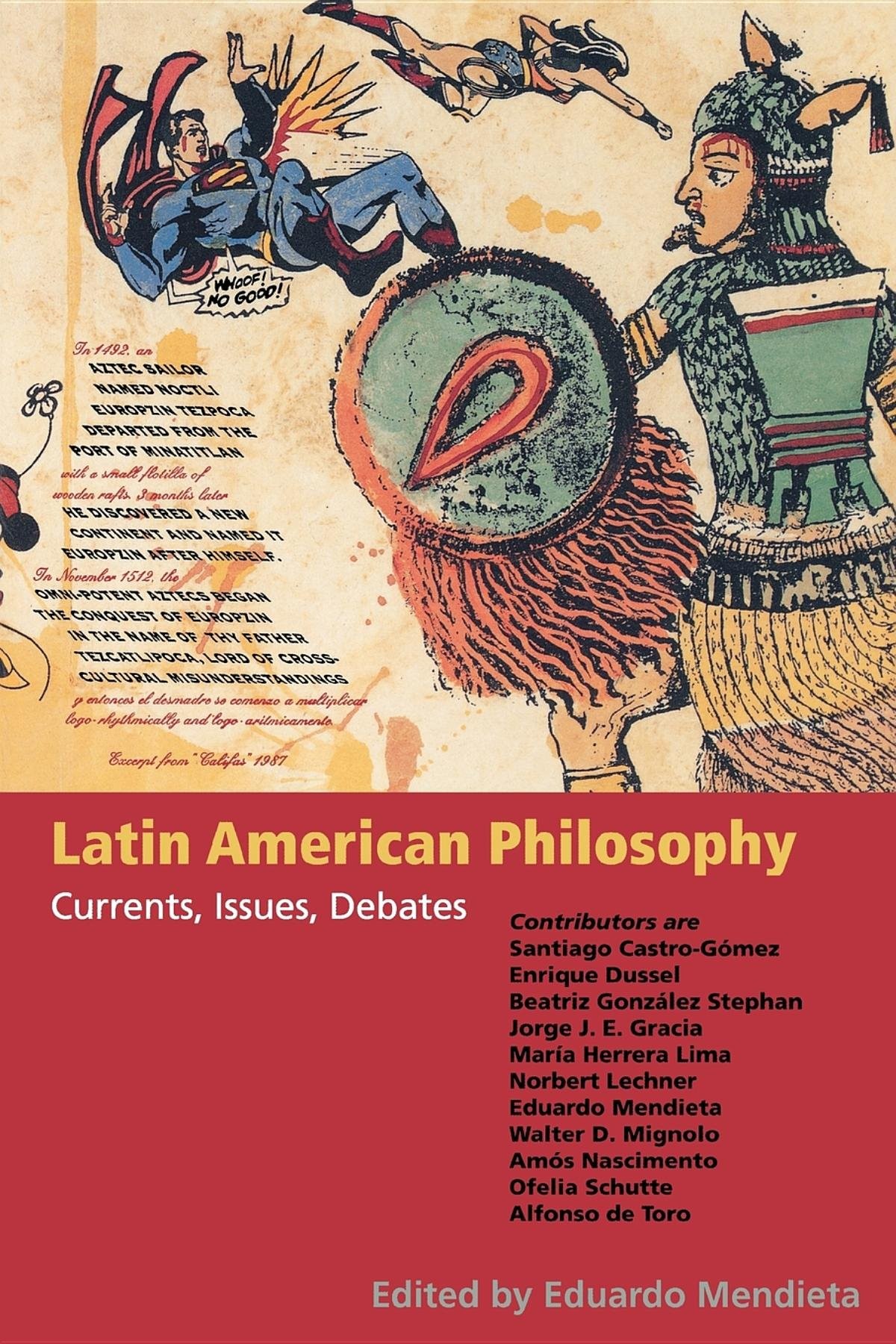
Philosophy
Latin American Philosophy: Currents, Issues, Debates by Eduardo Mendieta

Philosophy
Al-Farabi's Short Commentary on Aristotle's Prior Analytics by Nicholas Rescher – Philosophy
Philosophy
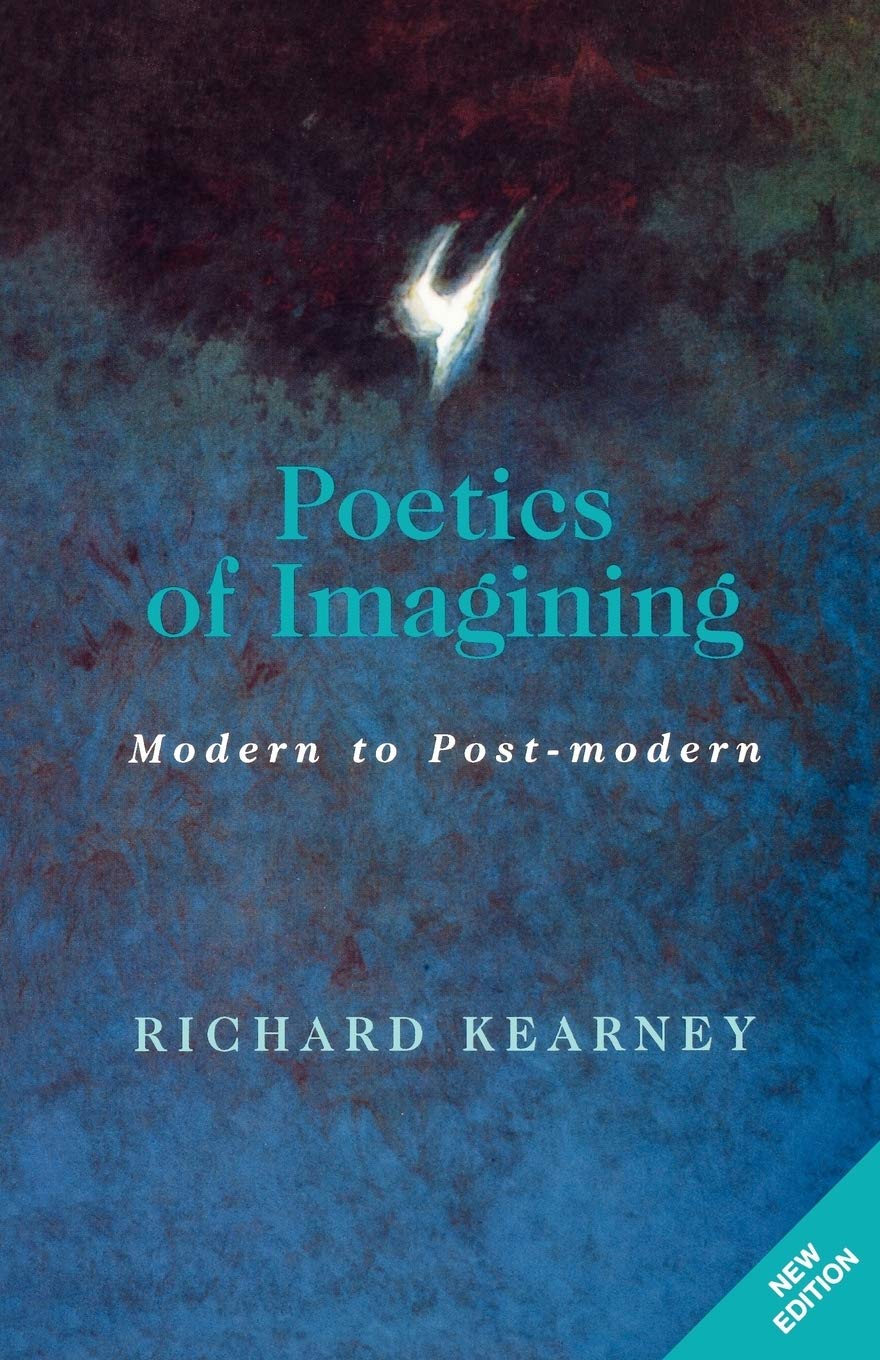
Poetics of Imagining: Modern to Post-modern by Richard Kearney
Philosophy
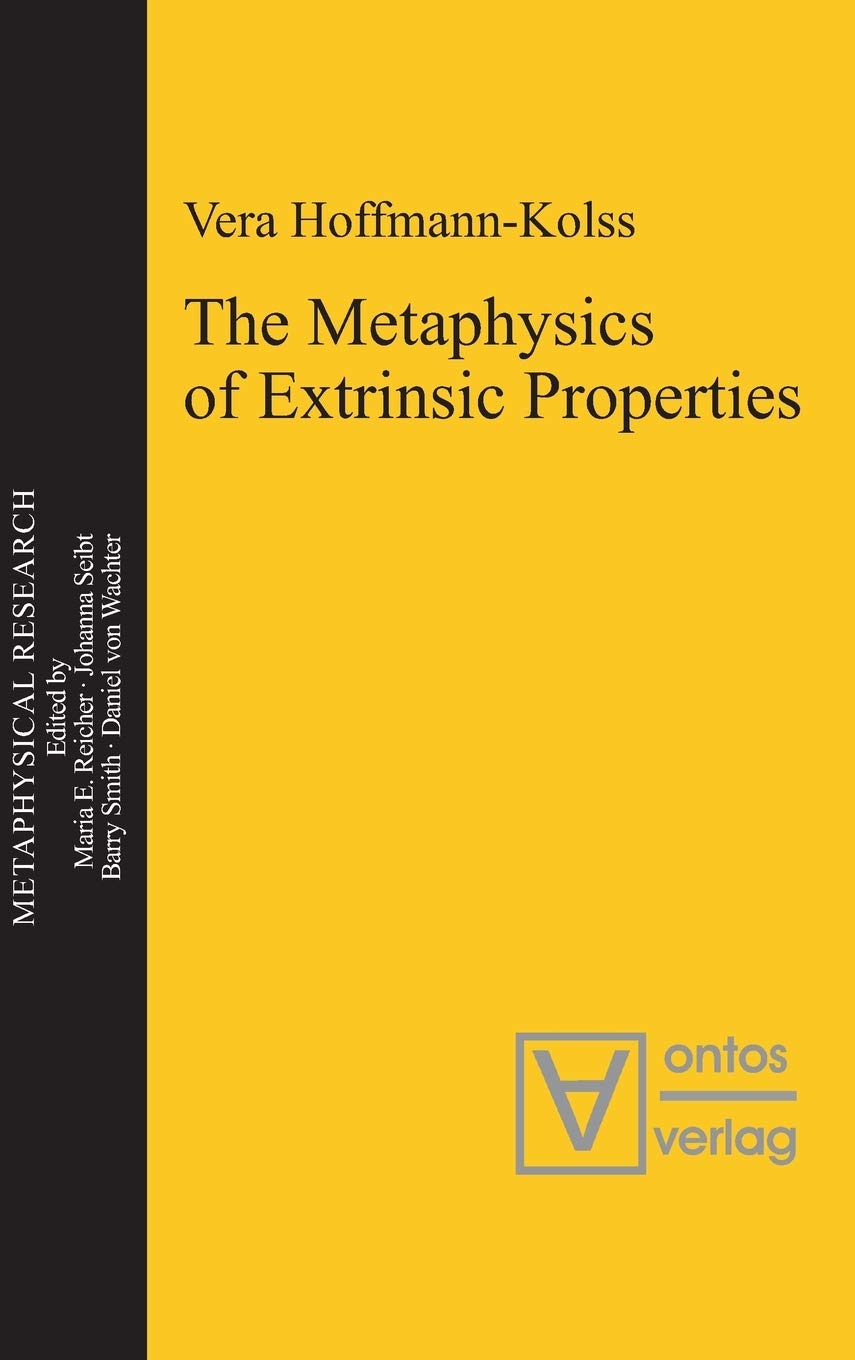
The Metaphysics of Extrinsic Properties: 11 (Metaphysical Research, 11)
Philosophy
Dialogues on Metaphysics and on Religion by Nicolas Malebranche – Philosophy
Philosophy