
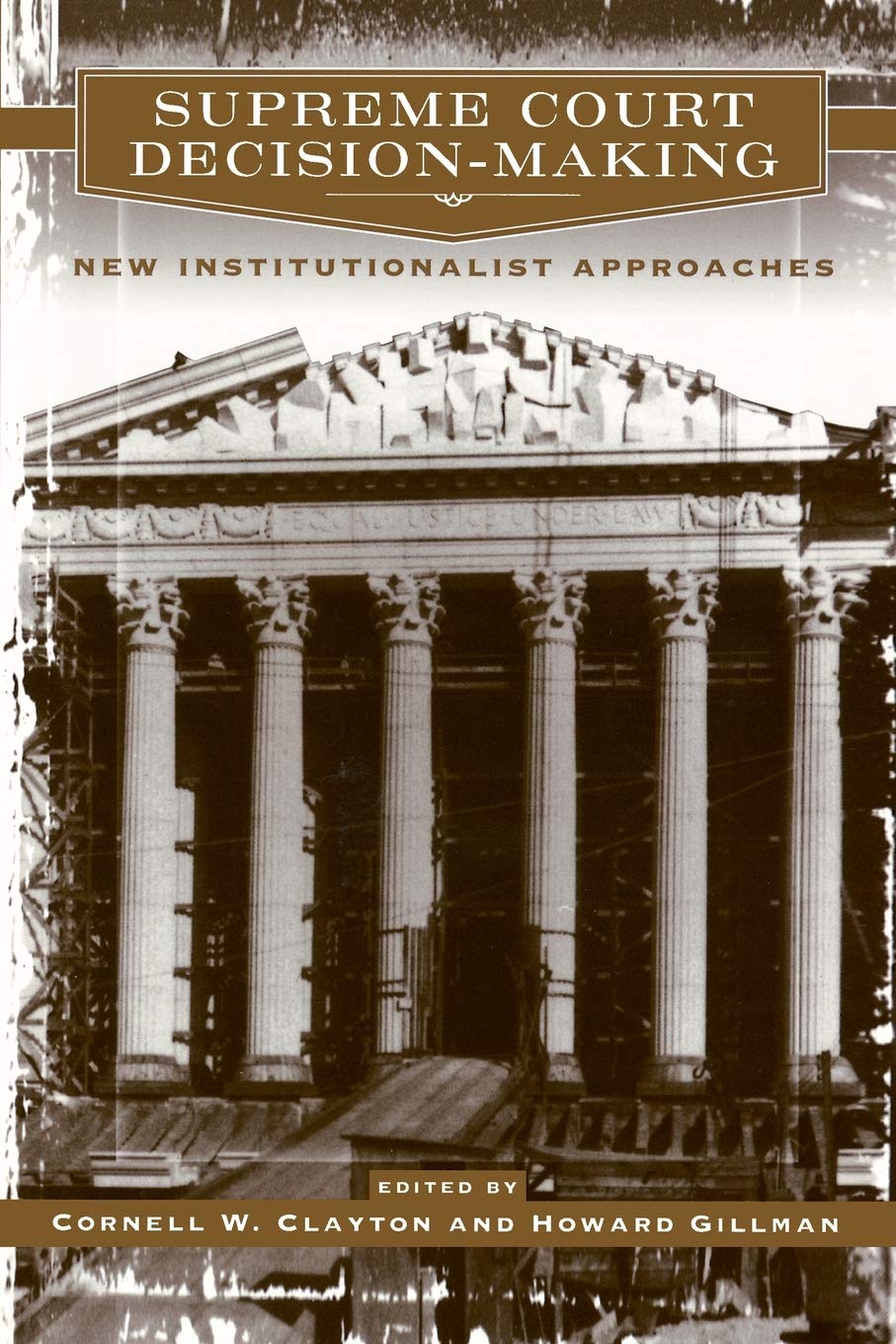
Supreme Court Decision-Making: New Institutionalist Approaches by Cornell W. Clayton – A Deep Dive into Institutional In
Inclusive of all applicable taxes. FREE shipping on all orders.
Available Offers
- 🚚Free Delivery — Free shipping on all orders
- 💵Cash on Delivery — Pay when your order arrives
- ↩️15-Day Easy Returns — Hassle-free return policy
- 🔒Cash on Delivery — Pay safely when your order arrives
Check Delivery
Product Description
Introduction
Understanding how the highest court of a nation arrives at its decisions is a pursuit that has fascinated legal scholars, political scientists, and students of governance for generations. Supreme Court Decision-Making: New Institutionalist Approaches, edited by Cornell W. Clayton, offers a refreshing and intellectually rigorous exploration of the forces that shape judicial outcomes. This volume moves beyond simplistic models of individual judicial ideology to examine the deeper institutional, historical, and strategic contexts that influence the bench. For Indian readers—whether law students, advocates, or academics—this book provides a comparative lens to reflect on the workings of our own Supreme Court and the broader dynamics of constitutional governance.
Book Overview
This hardbound volume from the University of Chicago Press brings together a distinguished group of scholars who apply two major theoretical frameworks—interpretive-historical institutionalism and rational choice theory—to the study of the U.S. Supreme Court. The book challenges the conventional view that justices are merely political actors voting their preferences. Instead, it argues that judicial behaviour is profoundly shaped by the court as an institution: its internal rules, its place within the political system, the nature of legal precedent, and the social movements that press upon it. Each essay in the collection contributes to a richer, more nuanced picture of how law and politics intertwine inside the marble halls of the highest court.
Key Highlights
- Interdisciplinary Approach: Blends political science, legal theory, and historical analysis to create a holistic understanding of judicial decision-making.
- Two Major Theoretical Lenses: Combines interpretive-historical institutionalism with rational choice theory, offering complementary perspectives on judicial behaviour.
- Prominent Contributors: Features original essays by leading scholars such as Lawrence Baum, Lee Epstein, Howard Gillman, Jack Knight, and others.
- Focus on Institutional Dynamics: Examines how coalition building, internal court norms, and the broader political environment influence outcomes.
- Relevance to Constitutional Democracies: Though focused on the U.S. Supreme Court, the insights are transferable to other common law systems, including India.
Inside the Book
The collection opens with an editorial introduction that sets the stage for the institutional turn in judicial studies. Subsequent chapters delve into topics such as the role of jurisprudence in constraining justices, the strategic interactions among judges, the impact of social movements on constitutional interpretation, and the unique characteristics of supreme courts as institutions. Readers will find detailed analyses of how justices build consensus, how legal doctrine evolves over time, and how external political pressures are mediated by the court's internal structures. The book also engages with the concept of judicial autonomy and the limits of court power in a democratic system.
Key Topics
- Interpretive-historical institutionalism versus rational choice approaches
- The influence of legal precedent and jurisprudence on decision-making
- Coalition dynamics and strategic bargaining among justices
- Social movements and their impact on constitutional change
- The U.S. Supreme Court's place in the separation of powers
- Comparative perspectives on judicial behaviour
Reader Benefits
This book equips readers with a sophisticated vocabulary and conceptual toolkit to analyse not just the U.S. Supreme Court but any apex court in a constitutional democracy. For Indian law students and legal professionals, it offers a framework to understand the interplay between institutional design and judicial outcomes—a perspective that is directly applicable to studying the Supreme Court of India. The essays also sharpen critical thinking about how legal systems evolve and how courts navigate political pressures while maintaining legitimacy.
Learning Outcomes
- Understand the limitations of purely ideological models of judicial behaviour
- Analyse how institutional rules and norms shape judicial decisions
- Evaluate the role of strategic interaction among justices in forming majorities
- Recognise the influence of social and political movements on constitutional interpretation
- Compare different theoretical approaches to studying courts and judges
Who Should Read
This book is ideal for law students, legal academics, political science scholars, and practitioners who seek a deeper understanding of judicial processes. It is also highly recommended for postgraduate students in constitutional law, comparative politics, and public law. Indian readers preparing for competitive exams such as the UGC-NET in law or political science, or those pursuing a master's or doctoral degree in these fields, will find the theoretical insights invaluable. Additionally, judges, advocates, and policy analysts interested in the institutional dimensions of justice will benefit from the rich analyses presented.
About the Author
Cornell W. Clayton is a distinguished professor of political science and a leading scholar in the field of public law and judicial politics. He has written extensively on the U.S. Supreme Court, constitutional interpretation, and the role of courts in democratic systems. His editorial work brings together some of the most influential voices in contemporary judicial studies, ensuring a balanced and comprehensive treatment of the subject.
About the Publisher
The University of Chicago Press is one of the most prestigious academic publishers in the world, known for its rigorous editorial standards and influential contributions to the social sciences, humanities, and law. Its publications are widely used in universities across the globe and are synonymous with scholarly excellence.
Conclusion
Supreme Court Decision-Making: New Institutionalist Approaches is an essential addition to the library of anyone serious about understanding how courts truly operate. By moving beyond simplistic explanations, this volume opens up a richer, more realistic portrait of judicial behaviour—one that acknowledges the power of institutions, history, and strategy. For Indian readers, it offers a valuable comparative perspective that enriches our understanding of our own judicial system and its place in a vibrant democracy. Order your copy today from Bookshops.in and deepen your grasp of the forces that shape the law.
Quick Summary
Supreme Court Decision-Making: New Institutionalist Approaches, edited by Cornell W. Clayton, is a seminal academic work that shifts the focus from individual justice ideology to the institutional and political contexts that shape U.S. Supreme Court rulings. The book brings together leading scholars who apply rational choice theory and interpretive-historical institutionalism to explore how factors like court structure, coalition building, jurisprudence, and social movements influence judicial outcomes. It is designed for law students, political science researchers, and legal professionals seeking a deeper understanding of the Supreme Court as a political institution. Readers will learn about the dynamics of internal decision-making, the role of external pressures, and how institutional rules constrain or enable justices. This hardcover edition from the University of Chicago Press is a valuable resource for Indian academics and students interested in comparative constitutional law and judicial behavior. By purchasing from Bookshops.in, you get authentic imported editions with reliable delivery across India.
Book Highlights
Book Specifications
| ISBN-13 | 9780226109558 |
| ISBN-10 | 0226109550 |
| Publisher | Univ of Chicago Pr |
| Language | English |
| Dimensions | 22.94 x 15.39 x 2.06 cm |
| Weight | 476 g |
| Country | India |
| Category | Political Science › Political History |
| Genre | Non-fiction |
| Original Language | English |
Frequently Asked Questions
What is the main focus of 'Supreme Court Decision-Making'?
Who is the author of this book?
What theoretical approaches are covered?
Is this book suitable for Indian law students?
Does this book include case studies?
What is the binding type?
What is the ISBN-13?
Can I use this book for academic research?
Does the book cover social movements?
Is this book focused only on the U.S. Supreme Court?
What is the price of this book?
Where can I buy this book in India?
Readers Also Search For
Customers Also Bought

Constitutional Law
Indigenous law and the state
Constitutional Law
Great Cases in Constitutional Law (English, Robert P. George)
Constitutional Law
Guilty Pleas in International Criminal Law (English, Nancy Amoury Combs)
Constitutional Law
The Growth of the Law by Benjamin N. Cardozo – Jurisprudence
Constitutional Law
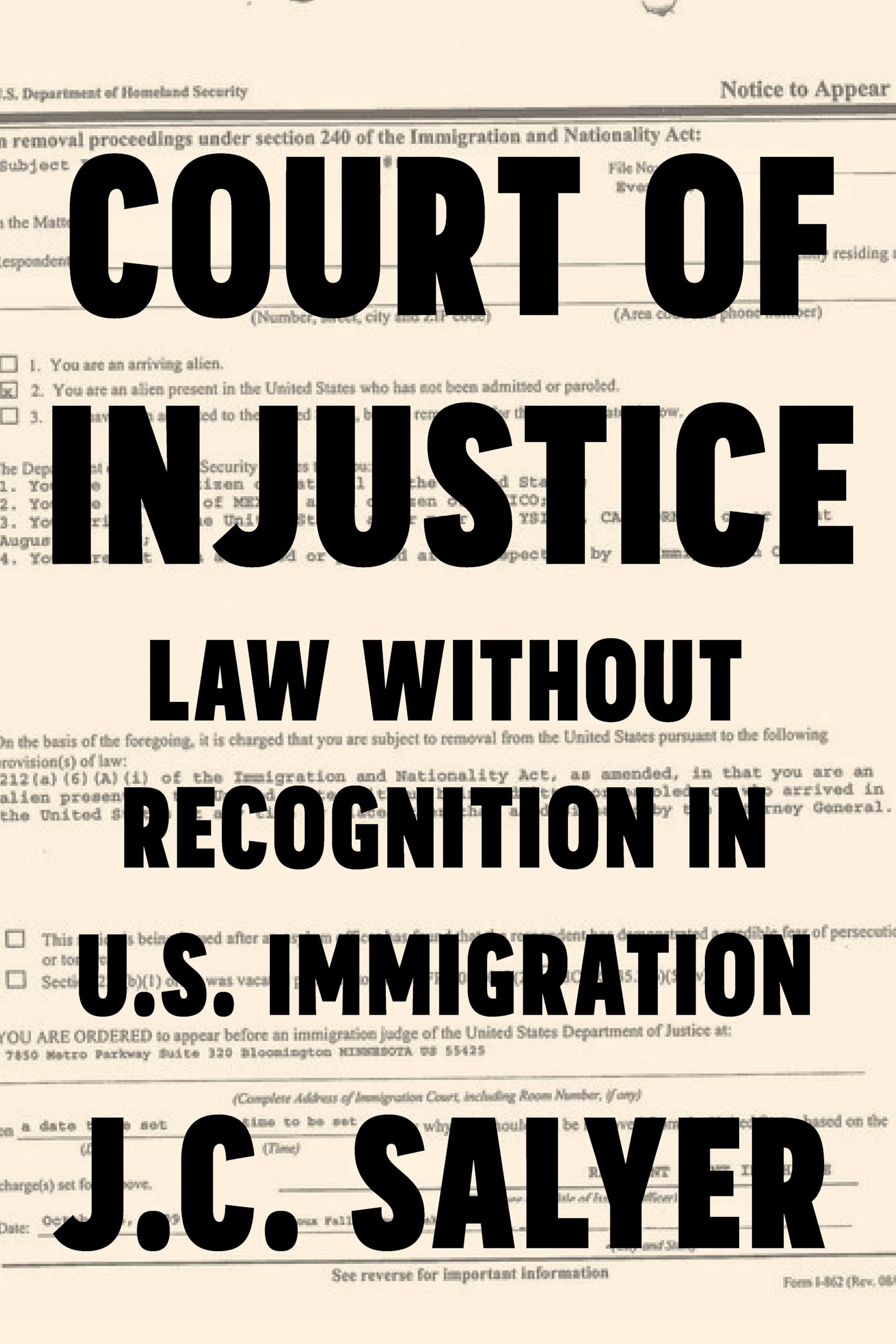
Court of Injustice: Law Without Recognition in U.S. Immigration by J. C. Salyer
Constitutional Law
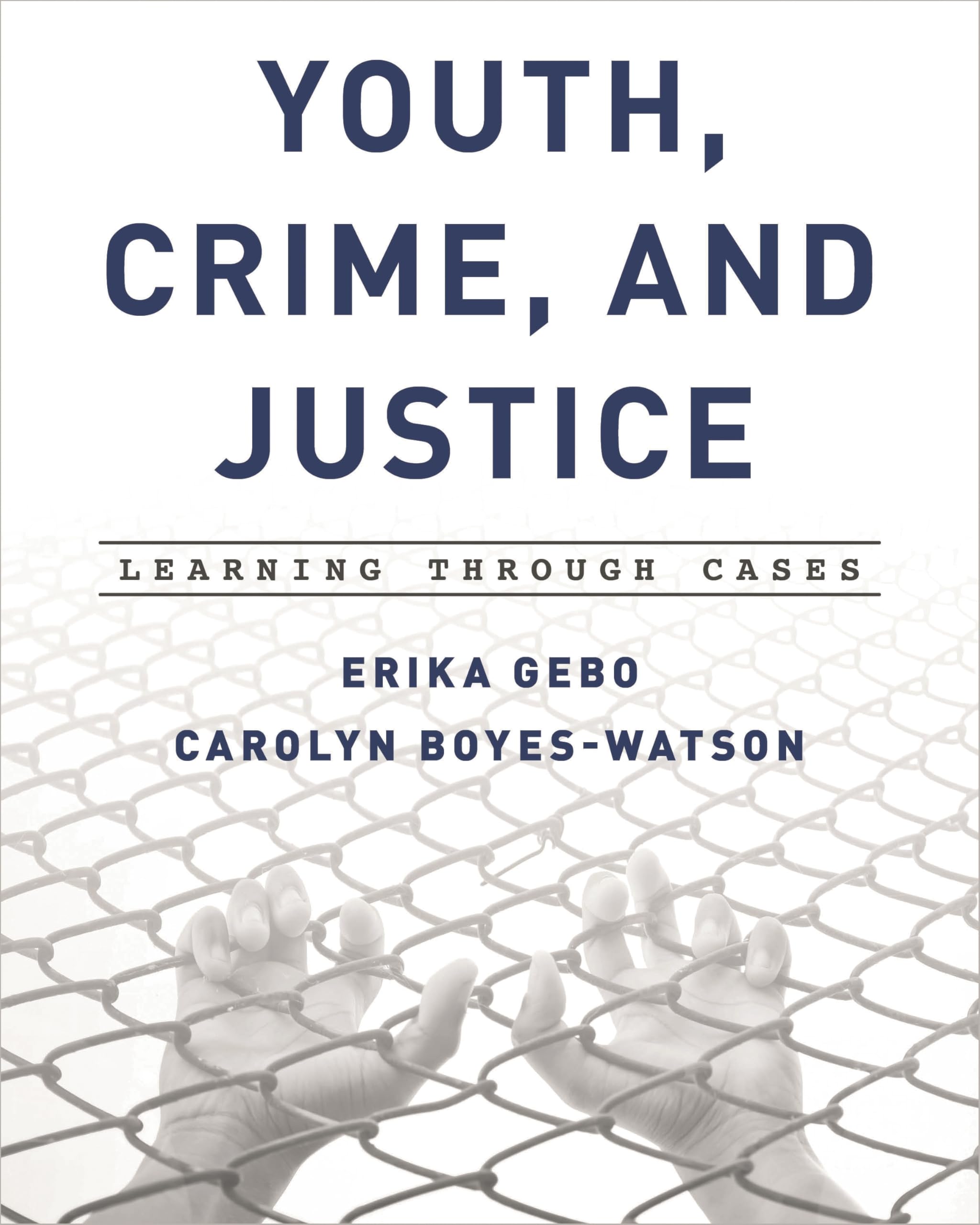
Youth: Learning Through Cases
Related Products
View All
Law
Mediasport | by Lawrence Wenner | Routledge | by Lawrence Wenner | Routledge | by Lawrence Wenner | Routledge | by Lawrence Wenner | Routledge | by Lawrence Wenner | Routledge | by Lawrence Wenner | Routledge | by Lawrence Wenner | Routledge | by Lawrence Wenner | Routledge | by Lawrence Wenner | Routledge | by Lawrence Wenner | Routledge | by Lawrence Wenner | Routledge | by Lawrence Wenner | Routledge | by Lawrence Wenner | Routledge | by Lawrence Wenner | Routledge | by Lawrence Wenner | Rout
Law
Human Rights Diplomacy | by Rein Mullerson | Routledge | by Rein Mullerson | Routledge | by Rein Mullerson | Routledge | by Rein Mullerson | Routledge | by Rein Mullerson | Routledge | by Rein Mullerson | Routledge | by Rein Mullerson | Routledge | by Rein Mullerson | Routledge | by Rein Mullerson | Routledge | by Rein Mullerson | Routledge | by Rein Mullerson | Routledge | by Rein Mullerson | Routledge | by Rein Mullerson | Routledge | by Rein Mullerson | Routledge | by Rein Mullerson | Routled
Law
Rome the Law-Giver | by Declareuil J. | Routledge | by Declareuil J. | Routledge | by Declareuil J. | Routledge | by Declareuil J. | Routledge | by Declareuil J. | Routledge | by Declareuil J. | Routledge | by Declareuil J. | Routledge | by Declareuil J. | Routledge | by Declareuil J. | Routledge | by Declareuil J. | Routledge | by Declareuil J. | Routledge | by Declareuil J. | Routledge | by Declareuil J. | Routledge | by Declareuil J. | Routledge | by Declareuil J. | Routledge | by Declareuil

Law
Human Rights and Gender Politics | by Anne-Marie Hilsdon | Martha MacIntyre | Vera MacKie | Routledge | by Anne-Marie Hilsdon | Martha MacIntyre | Vera MacKie | Routledge | by Anne-Marie Hilsdon | Martha MacIntyre | Vera MacKie | Routledge | by Anne-Marie Hilsdon | Martha MacIntyre | Vera MacKie | Routledge | by Anne-Marie Hilsdon | Martha MacIntyre | Vera MacKie | Routledge | by Anne-Marie Hilsdon | Martha MacIntyre | Vera MacKie | Routledge | by Anne-Marie Hilsdon | Martha MacIntyre | Vera Mac
Law
Politics of Human Rights in Southeast Asia | by Philip J. Eldridge | Routledge | by Philip J. Eldridge | Routledge | by Philip J. Eldridge | Routledge | by Philip J. Eldridge | Routledge | by Philip J. Eldridge | Routledge | by Philip J. Eldridge | Routledge | by Philip J. Eldridge | Routledge | by Philip J. Eldridge | Routledge | by Philip J. Eldridge | Routledge | by Philip J. Eldridge | Routledge | by Philip J. Eldridge | Routledge | by Philip J. Eldridge | Routledge | by Philip J. Eldridge |
Law