
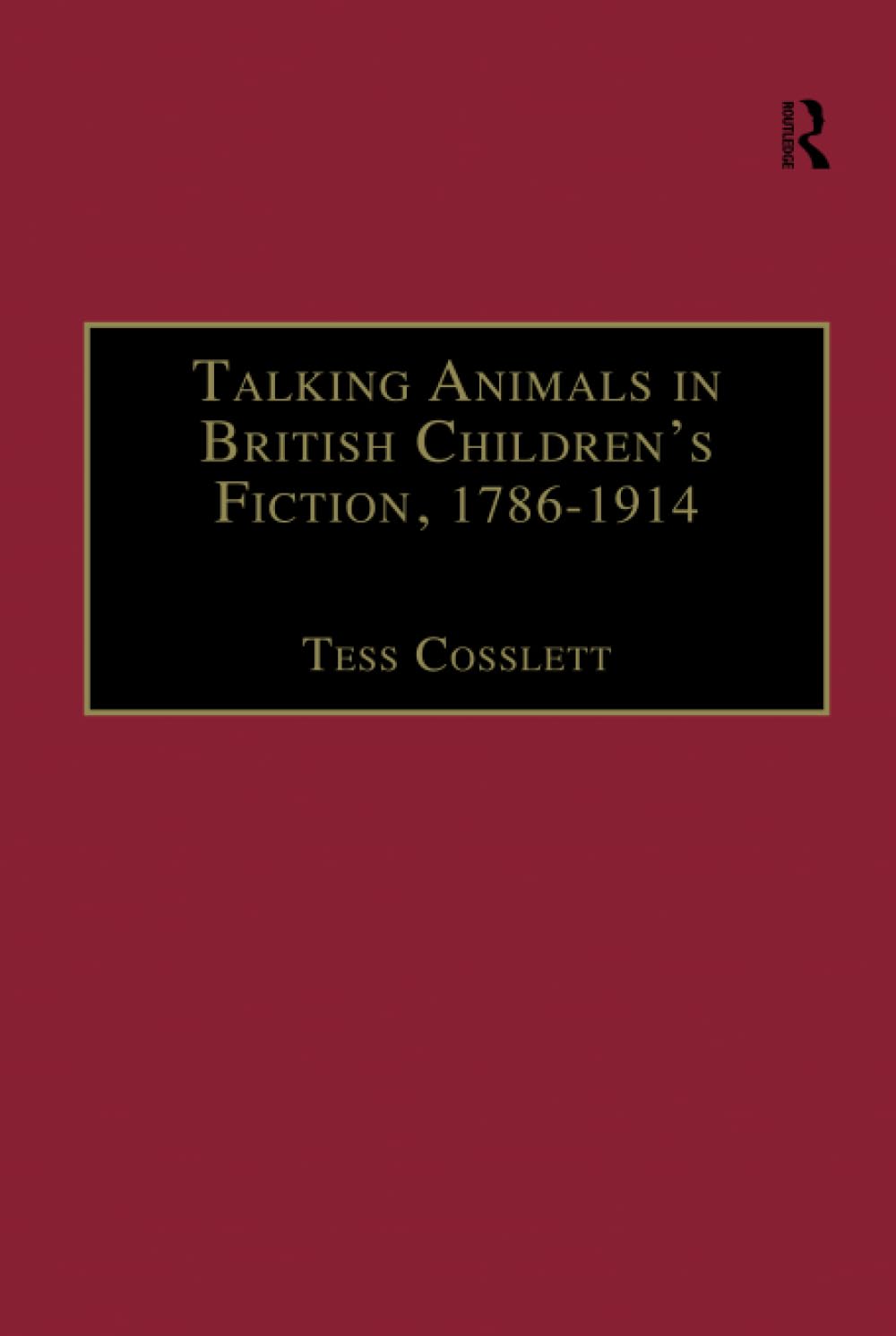
Talking Animals in British Children's Fiction 1786-1914 by Tess Cosslett – A Scholarly Exploration of Anthropomorphic Ta
Inclusive of all applicable taxes. FREE shipping on all orders.
Available Offers
- 🚚Free Delivery — Free shipping on all orders
- 💵Cash on Delivery — Pay when your order arrives
- ↩️15-Day Easy Returns — Hassle-free return policy
- 🔒Cash on Delivery — Pay safely when your order arrives
Check Delivery
Product Description
Introduction
In the landscape of children's literature, few narrative devices are as enduring as the talking animal. But what happens when we trace this tradition back to its roots in British children's fiction, between the years 1786 and 1914? Tess Cosslett's Talking Animals in British Children's Fiction 1786-1914 offers a rigorous and fascinating exploration of how authors used animal voices to reflect, challenge, and shape human society. This hardcover edition from Routledge is an essential resource for students, scholars, and anyone passionate about the hidden histories behind beloved classics like Black Beauty, The Wind in the Willows, and The Tale of Peter Rabbit.
Book Overview
This scholarly yet accessible volume examines the golden age of talking animal stories written for British children. Cosslett delves into a period when debates about evolution, animal consciousness, and the boundaries between human and non-human were fiercely contested. Through close readings of canonical texts and lesser-known works, she reveals how authors negotiated the delicate act of giving animals language and subjectivity. The book moves chronologically, from late eighteenth-century moral tales to the more sophisticated narratives of the early twentieth century, showing how each generation of writers reinvented the animal story to address contemporary anxieties about class, gender, empire, and nature.
Key Highlights
- Critical re-evaluation of classics: Fresh perspectives on Black Beauty, Beautiful Joe, The Wind in the Willows, and Beatrix Potter's works.
- Interdisciplinary approach: Applies Bakhtinian carnivalesque, feminist, postcolonial, and ecocritical theories to children's literature.
- Historical context: Situates each text within the scientific and philosophical debates of the Victorian and Edwardian eras.
- Child reader focus: Analyzes how these stories constructed the ideal child reader and what lessons were imparted.
- Animal subjectivity: Explores the ethical and narrative challenges of representing animal minds and voices.
Story Themes
At the heart of this study is the question of language and consciousness. Cosslett unpacks how authors managed the tension between giving animals human-like speech while maintaining their animal nature. Themes of power and powerlessness recur—animals often stand in for marginalized groups, including women, colonized peoples, and the working class. The natural versus the civilized is another central thread, as stories like The Wind in the Willows celebrate wildness while also domesticating it. Additionally, masculinity and femininity are examined through the gendered roles animals play, from the nurturing mother rabbit to the adventurous Toad. The book also tackles empire and colonialism, showing how animal hierarchies mirrored British imperial ideologies.
Reader Benefits
For Indian students and scholars of English literature, this book provides a solid theoretical framework for analyzing children's texts that are still widely read in classrooms. It bridges the gap between literary criticism and cultural history, making complex ideas like postcolonial theory and ecocriticism tangible through concrete examples. Teachers will find new ways to engage students with familiar stories, while researchers will appreciate the extensive bibliography and nuanced argumentation. General readers who love children's classics will gain a deeper appreciation for the layers of meaning hidden beneath the surface of talking animal tales.
Who Should Read
- Literature students (undergraduate and postgraduate) studying children's fiction, Victorian literature, or animal studies.
- Academic researchers in the fields of ecocriticism, postcolonial studies, and gender studies.
- Teachers and educators looking to enrich their lessons on classic children's books.
- Book lovers curious about the cultural and philosophical underpinnings of talking animal stories.
- Librarians and book collectors who want a robust critical companion to their collection.
About the Author
Tess Cosslett is a respected scholar in the field of Victorian and children's literature. With a background in English studies and a keen interest in the intersections of literature, science, and culture, she has published widely on topics ranging from animal narratives to feminist theory. Her work is known for its clarity, depth, and ability to make sophisticated critical ideas accessible without oversimplification. Talking Animals in British Children's Fiction 1786-1914 stands as a testament to her expertise and her passion for uncovering the cultural work performed by seemingly simple children's stories.
About the Publisher
Routledge is a globally renowned academic publisher, particularly strong in the humanities and social sciences. With a history dating back to the nineteenth century, Routledge has been at the forefront of publishing groundbreaking research in literary studies, cultural theory, and education. This hardcover edition reflects their commitment to producing durable, well-edited scholarly works that serve both the academic community and the broader reading public. For students and researchers in India, a Routledge title guarantees rigorous peer review and authoritative content.
Conclusion
Talking Animals in British Children's Fiction 1786-1914 is more than a critical study—it is a doorway into a rich literary tradition that continues to shape how we think about animals, childhood, and storytelling. By tracing the evolution of the talking animal from moral fable to complex narrative, Tess Cosslett illuminates the enduring power of these stories to question what it means to be human. Whether you are a student preparing for exams, a teacher designing a course, or a book lover revisiting childhood favourites, this volume offers fresh insights that will transform your reading experience. Order your hardcover copy from Bookshops.in today and add a definitive work of literary criticism to your library.
Quick Summary
'Talking Animals in British Children's Fiction 1786-1914' by Tess Cosslett is a rigorous academic study that re-evaluates classic children's stories featuring anthropomorphic animals. The book covers a wide range of canonical texts including Anna Sewell's 'Black Beauty', Margaret Marshall Saunders' 'Beautiful Joe', Kenneth Grahame's 'The Wind in the Willows', and Beatrix Potter's 'Peter Rabbit' series. Cosslett applies multiple critical frameworks—Bakhtinian carnivalesque, feminist theory, postcolonial critique, and ecocriticism—to uncover how these stories negotiated the human-animal boundary and constructed the child reader. The book raises important questions about animal speech, subjectivity, and the moral purposes of children's literature compared to adult fiction. It is an essential resource for scholars, graduate students, and anyone interested in the history of children's books, Victorian culture, or animal studies. By examining the period 1786 to 1914, Cosslett shows how debates about evolution, ethics, and education influenced the genre. Purchasing from Bookshops.in ensures you receive a genuine hardcover copy from Routledge, delivered reliably across India.
Book Highlights
Book Specifications
| ISBN-13 | 9780754636564 |
| ISBN-10 | 0754636569 |
| Publisher | Ashgate Pub Co |
| Language | English |
| Dimensions | 16.2 x 1.73 x 23.99 cm |
| Weight | 476 g |
| Country | India |
| Category | Philosophy › Ethics |
| Genre | Literary Criticism |
| Original Language | English |
Frequently Asked Questions
What is 'Talking Animals in British Children's Fiction 1786-1914' about?
Who is the author of this book?
Which theoretical approaches does the book use?
Is this book suitable for undergraduate students?
Does the book cover Indian or non-British animal stories?
Is this a hardcover or paperback edition?
What is the ISBN-13 of this book?
Can I use this book for my PhD thesis on children's literature?
Does the book include analysis of 'Beautiful Joe'?
What language is the book written in?
Is this book part of a series?
What is the price in Indian rupees?
Where can I buy this book in India?
Readers Also Search For
Customers Also Bought
Islam
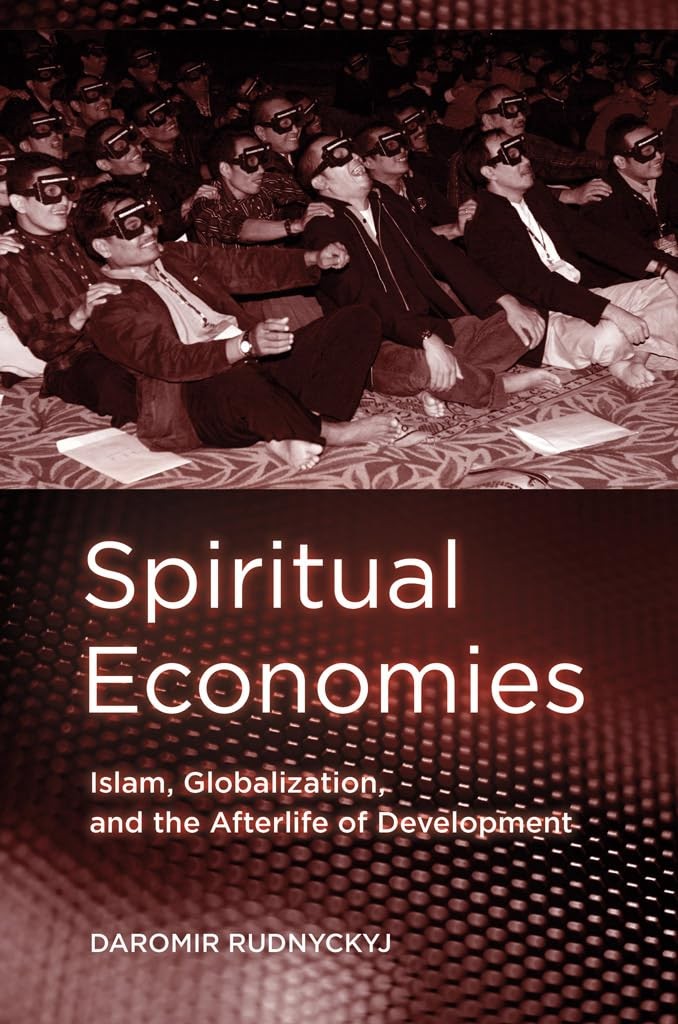
Spiritual Economies (English, Daromir Rudnyckyj)

Islam
Who Is Allah? (English, Bruce B. Lawrence)
Islam
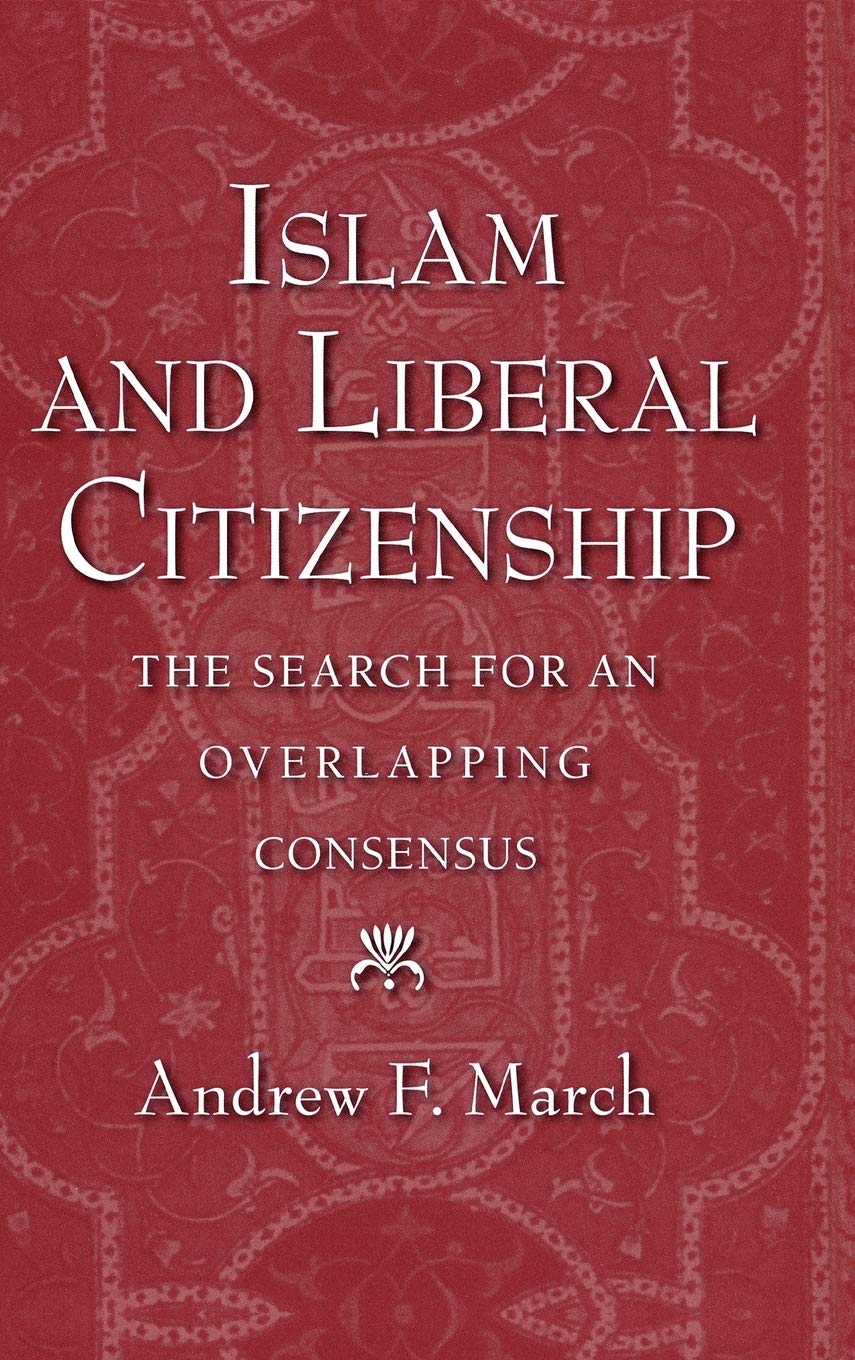
Islam and Liberal Citizenship: The Search for an Overlapping Consensus by Andrew F. March
Islam
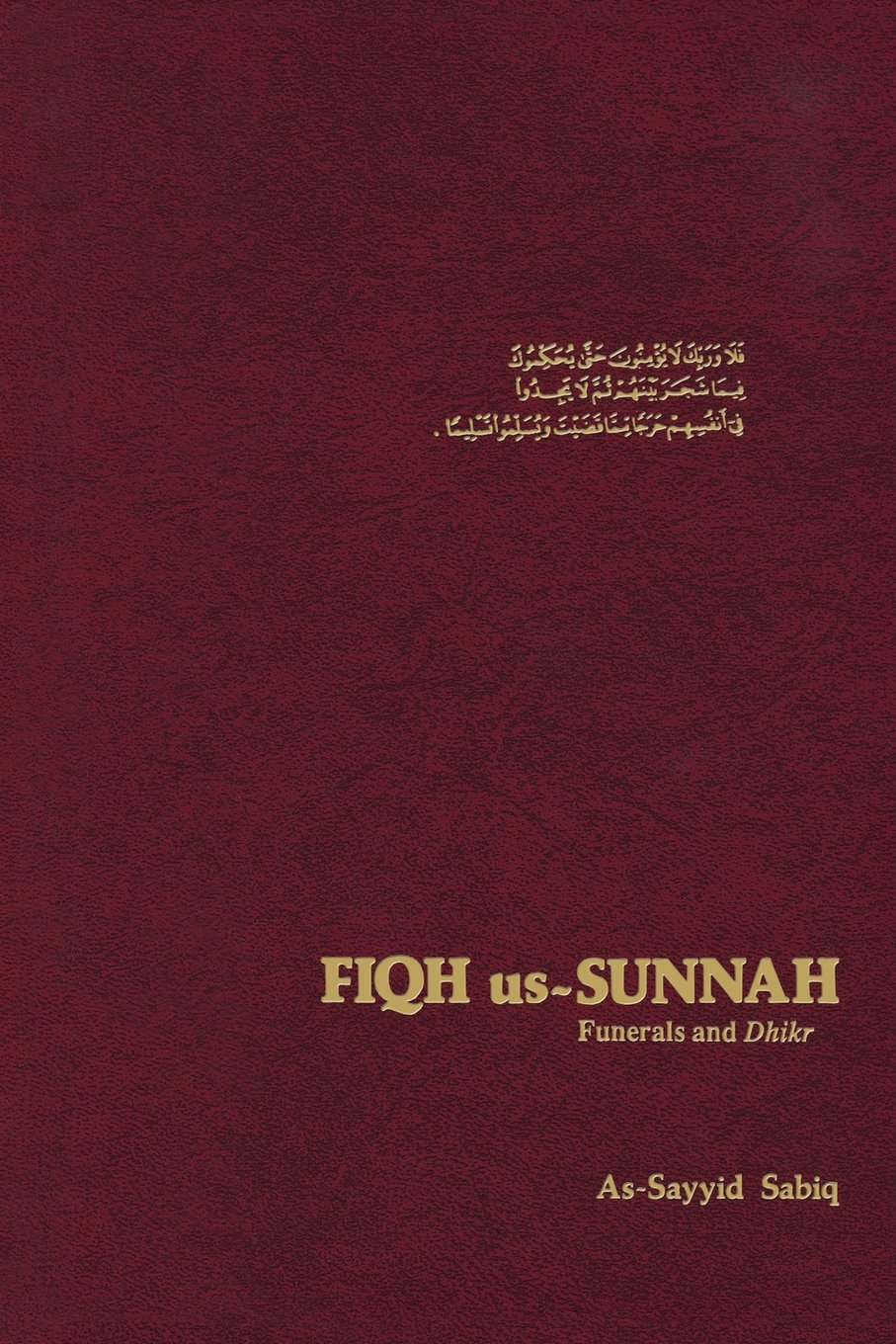
Fiqh Us-Sunnah: Funerals and Diggers by Al-Sayyid Sabiq – Islamic Funeral Guide

Christianity
Genetics (English, Thomas a. Shannon | Mark P. Aulisio | Françoise Baylis)

Hinduism
Karma and Creativity by Christopher Key Chapple – Indian Philosophy
Related Products
View All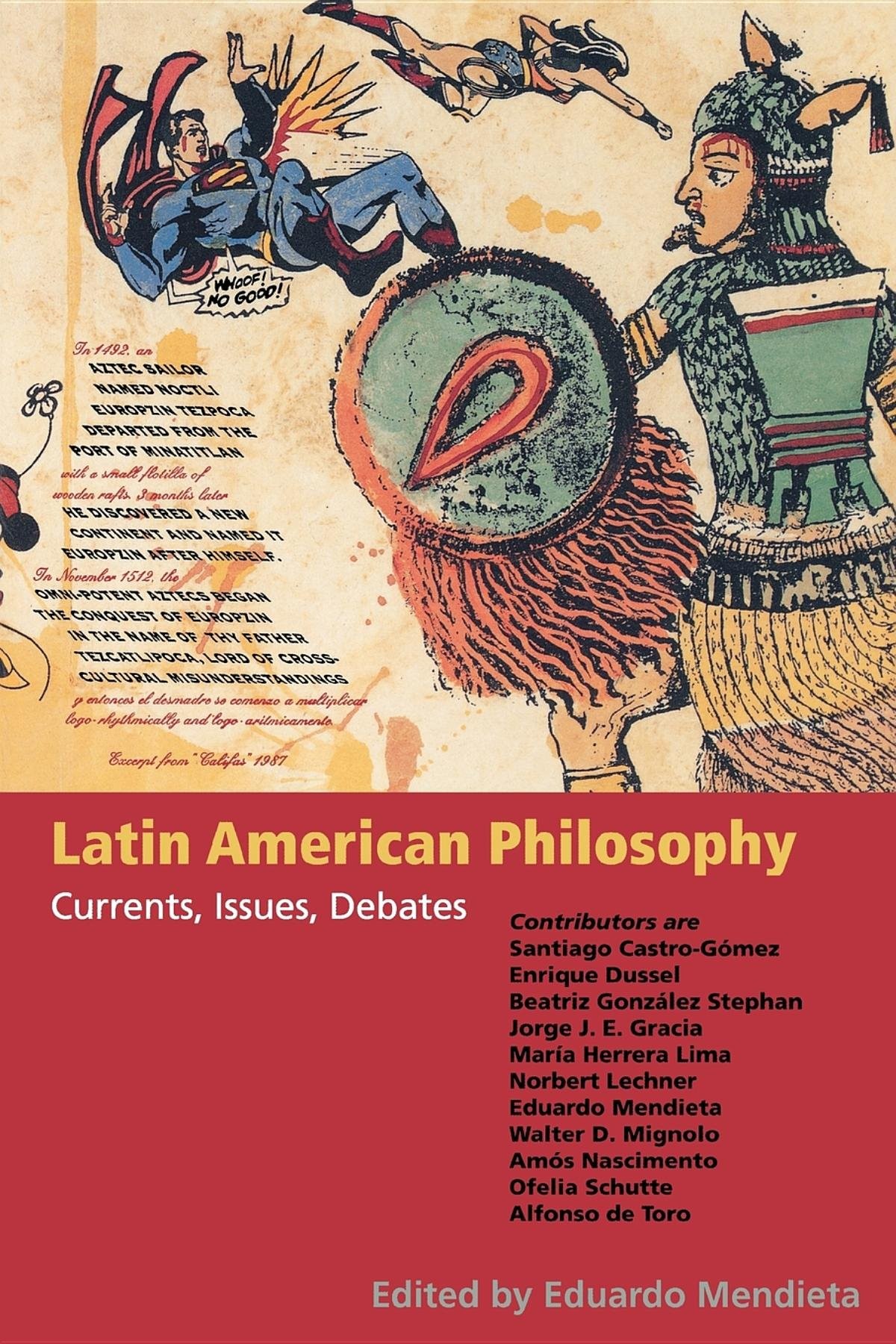
Philosophy
Latin American Philosophy: Currents, Issues, Debates by Eduardo Mendieta

Philosophy
Al-Farabi's Short Commentary on Aristotle's Prior Analytics by Nicholas Rescher – Philosophy
Philosophy
Poetics of Imagining: Modern to Post-modern by Richard Kearney
Philosophy
The Metaphysics of Extrinsic Properties: 11 (Metaphysical Research, 11)
Philosophy
Dialogues on Metaphysics and on Religion by Nicolas Malebranche – Philosophy
Philosophy