
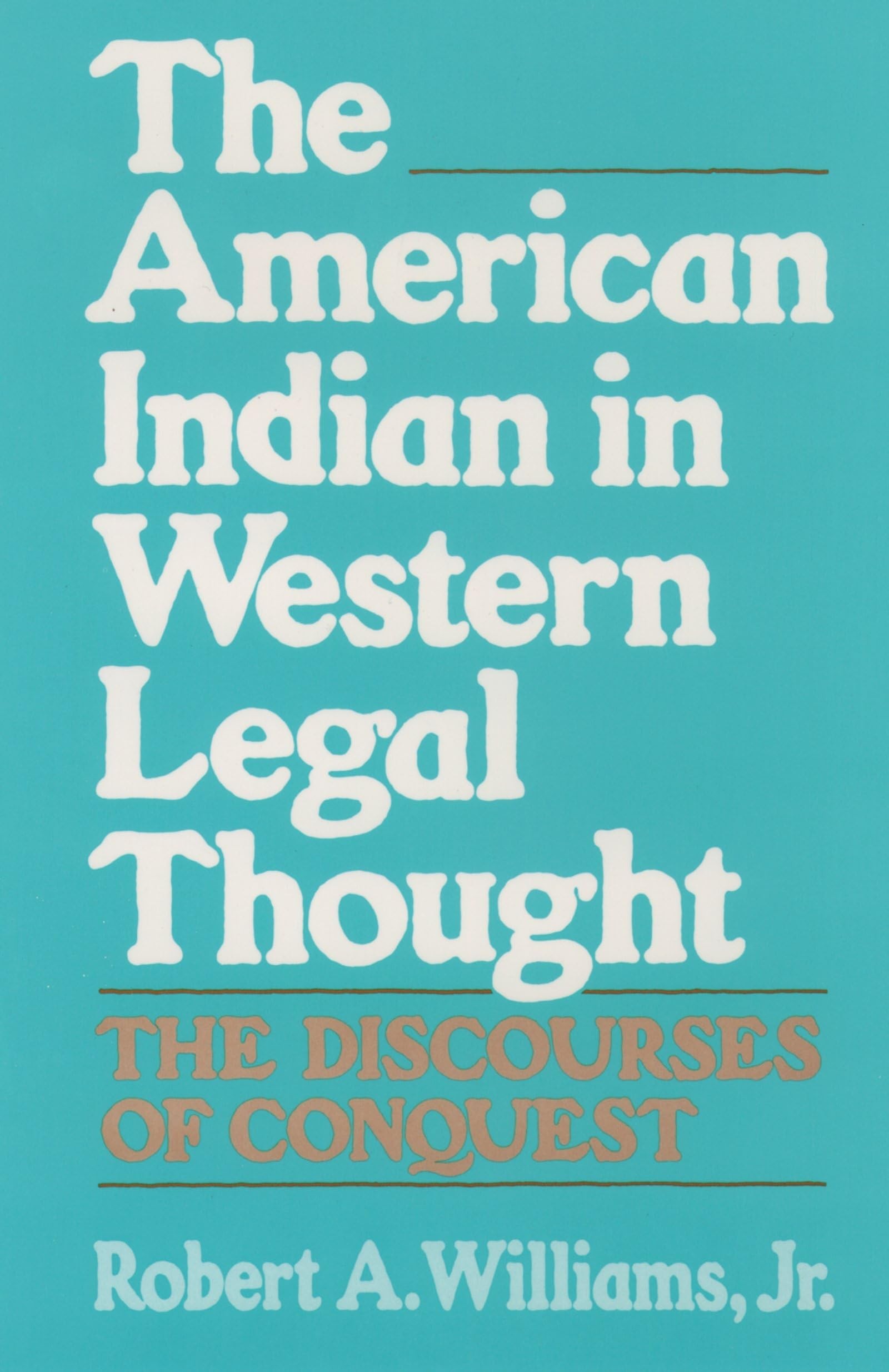
The American Indian in Western Legal Thought: The Discourses of Conquest by Robert A. Williams Jr. – A Deep Dive into Co
Inclusive of all applicable taxes. FREE shipping on all orders.
Available Offers
- 🚚Free Delivery — Free shipping on all orders
- 💵Cash on Delivery — Pay when your order arrives
- ↩️15-Day Easy Returns — Hassle-free return policy
- 🔒Cash on Delivery — Pay safely when your order arrives
Check Delivery
Product Description
Introduction
In the vast landscape of legal scholarship, few works manage to bridge the gap between historical injustice and contemporary legal doctrine with the precision and moral clarity found in The American Indian in Western Legal Thought: The Discourses of Conquest. Authored by Jr. Williams Robert A., a distinguished legal scholar and member of the Lumbee tribe, this hardcover volume from Oxford University Press offers a profound exploration of how Western legal systems have historically justified the subjugation of indigenous peoples. For Indian readers, students of law, and anyone interested in postcolonial studies, this book provides a compelling parallel to the legal narratives that have shaped tribal rights in India and across the globe.
Book Overview
This meticulously researched work traces the intellectual genealogy of Western legal thought as it pertains to American Indians and other indigenous tribal peoples. Beginning with the medieval Christian crusading era, Williams uncovers the deep roots of legal doctrines that categorized non-European peoples as 'heathens' and 'infidels.' The narrative moves through the Spanish conquest of the New World, English colonization, and the legal frameworks of the United States, showing how each era produced its own 'discourse of conquest' that legitimized land dispossession and cultural erasure. The book argues that these historical prejudices are not relics of the past but continue to echo in modern legal principles governing native peoples' rights in the United States and other nations.
Key Highlights
- Interdisciplinary Approach: Blends legal history, critical race theory, and indigenous studies to offer a holistic understanding of conquest.
- Original Thesis: Challenges the neutrality of Western legal thought by exposing its role in colonial expansion.
- Global Relevance: Provides insights applicable to the legal struggles of indigenous communities in India, Australia, and Latin America.
- Authoritative Scholarship: Backed by rigorous archival research and published by Oxford University Press, a hallmark of academic excellence.
Inside the Book
The book is structured chronologically, beginning with an analysis of the Crusades and the Papal Bulls that sanctioned violence against non-Christians. It then examines the Spanish Requerimiento, a legal document read to Native Americans before conquest, and the debates at Valladolid over the humanity of indigenous peoples. The English colonial period is dissected through the lens of property law and the doctrine of discovery, while the American era focuses on the Marshall Court decisions, such as Johnson v. M'Intosh, which enshrined the idea that native land rights were limited. Each chapter reveals how legal language was weaponized to create a hierarchy of civilizations.
Key Topics
- Medieval Christian crusading ideology and its legal legacy
- The Doctrine of Discovery and its application in the Americas
- Spanish legal debates on the humanity of indigenous peoples
- English common law and the concept of 'terra nullius'
- United States Supreme Court rulings on tribal sovereignty
- Modern echoes of colonial legal discourse in international law
- Comparative analysis of indigenous rights in settler-colonial states
Reader Benefits
Readers will gain a critical understanding of how law can serve as an instrument of oppression as well as liberation. The book empowers students and legal professionals to deconstruct biased legal narratives and recognize the enduring impact of colonialism on contemporary jurisprudence. For Indian readers, it offers a framework to analyze the legal status of Scheduled Tribes and the historical injustices embedded in land laws. The work also enriches debates on reparative justice and constitutional reform.
Learning Outcomes
- Understand the historical origins of legal doctrines that marginalized indigenous peoples.
- Analyze the role of religion and race in shaping Western legal thought.
- Identify parallels between the legal treatment of American Indians and tribal communities in India.
- Critique contemporary legal arguments that perpetuate colonial assumptions.
- Apply interdisciplinary methods to the study of law and social justice.
Who Should Read
This book is essential for law students, legal historians, political scientists, anthropologists, and activists working on indigenous rights. It is also highly recommended for scholars of postcolonial studies, comparative law, and human rights. Indian readers, particularly those engaged with the legal framework for Adivasi communities, will find the analysis both illuminating and cautionary. The book is accessible enough for advanced undergraduates yet deep enough for seasoned academics.
About the Author
Jr. Williams Robert A. is a professor of law at the University of Arizona and a member of the Lumbee Tribe of North Carolina. He is one of the foremost scholars in the field of critical indigenous legal studies and has written extensively on the intersections of race, law, and colonialism. His work has influenced legal reforms and inspired a generation of scholars to reexamine the foundations of property law and sovereignty.
About the Publisher
Oxford University Press is a globally respected academic publisher known for its rigorous editorial standards and commitment to scholarly excellence. With a history spanning over five centuries, OUP publishes works that shape intellectual discourse across disciplines. This hardcover edition reflects the publisher's dedication to producing durable, high-quality books that serve as lasting resources for students and researchers.
Conclusion
The American Indian in Western Legal Thought: The Discourses of Conquest is not merely a history book; it is a vital tool for understanding how law has been used to justify dispossession and how it can be reclaimed for justice. By exposing the persistent biases in legal doctrine, Williams invites readers to imagine a more equitable legal future for all indigenous peoples. For anyone seeking to comprehend the deep structures of colonial power, this book is an indispensable addition to their library.
Quick Summary
The American Indian in Western Legal Thought: The Discourses of Conquest by Robert A. Williams Jr. is a groundbreaking work that exposes how Western legal systems have historically justified the conquest and colonization of indigenous peoples. Williams, a legal scholar of the Lumbee tribe, traces the evolution of legal ideas from the medieval Christian crusades, through the Spanish and English colonial periods, to the formation of United States Indian law. He reveals how categories like 'heathen' and 'infidel' were used to deny Native Americans legal personhood and property rights, and argues that these racist and Eurocentric prejudices are still embedded in legal doctrines today. This book is essential for law students, historians, indigenous rights activists, and anyone interested in understanding the deep legal roots of colonialism. By purchasing from Bookshops.in, Indian readers gain access to a premium Oxford University Press hardcover that challenges conventional legal history and offers a powerful indigenous perspective on law, power, and justice.
Book Highlights
Book Specifications
| ISBN-13 | 9780195080025 |
| ISBN-10 | 0195080025 |
| Publisher | OUP USA |
| Language | English |
| Dimensions | 23.55 x 15.7 x 2.54 cm |
| Weight | 544 g |
| Category | Political Science › Civil Rights |
| Genre | Nonfiction |
| Original Language | English |
Frequently Asked Questions
What is the main thesis of The American Indian in Western Legal Thought?
Who is Robert A. Williams Jr.?
Is this book only about American Indians?
What time period does the book cover?
Does the book discuss Indian law in India?
Is this book suitable for undergraduate students?
What makes this book unique?
Does the book offer solutions or only critique?
What is the role of the medieval crusades in the book?
How does the book treat Spanish colonial law?
What is the significance of the term 'discourses of conquest'?
Is this book relevant to contemporary legal issues?
Does the book include primary sources?
Can I buy this book from Bookshops.in?
Readers Also Search For
Customers Also Bought
Constitutional Law
Indigenous law and the state
Constitutional Law
Great Cases in Constitutional Law (English, Robert P. George)
Constitutional Law
Guilty Pleas in International Criminal Law (English, Nancy Amoury Combs)
Constitutional Law
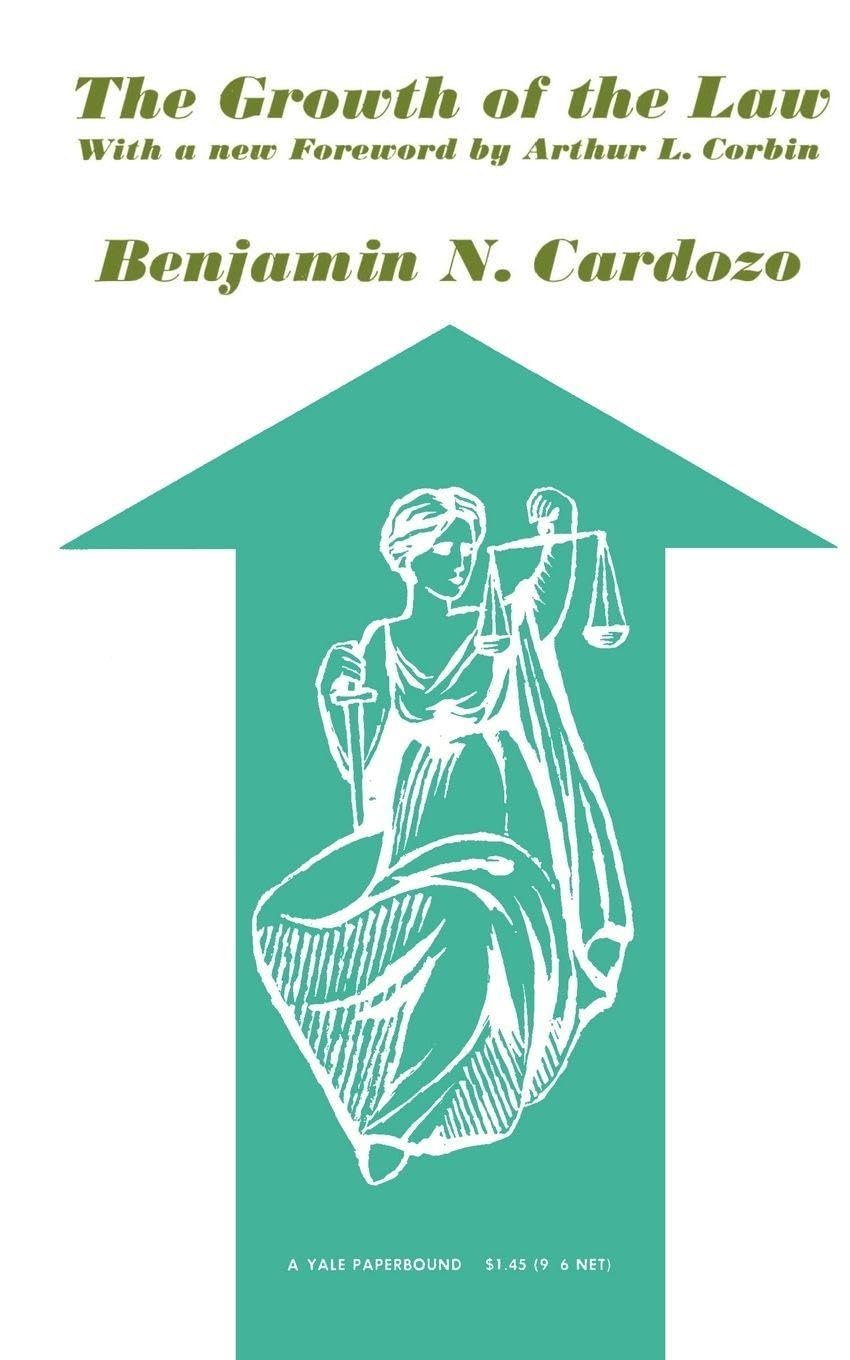
The Growth of the Law by Benjamin N. Cardozo – Jurisprudence
Constitutional Law
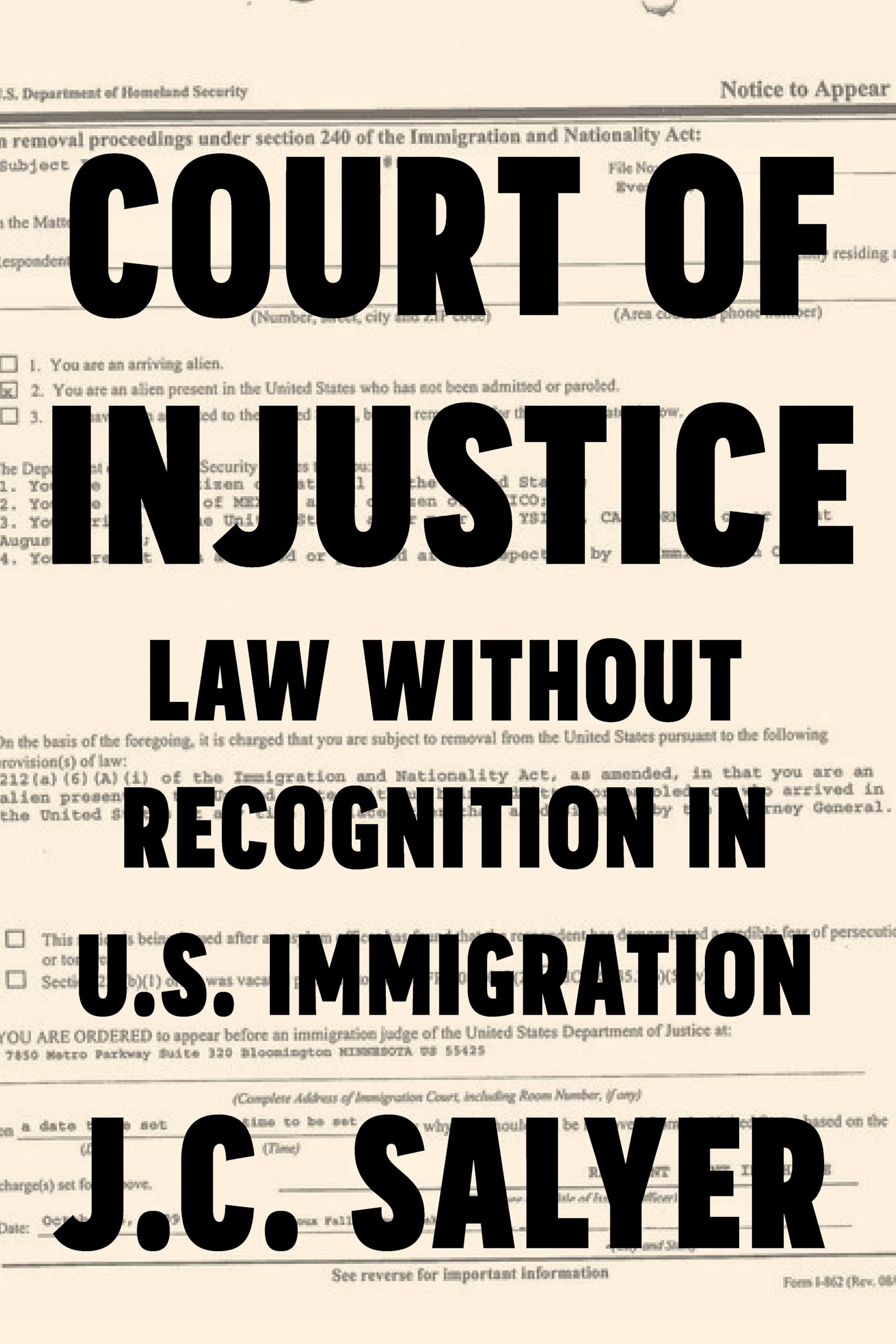
Court of Injustice: Law Without Recognition in U.S. Immigration by J. C. Salyer
Constitutional Law
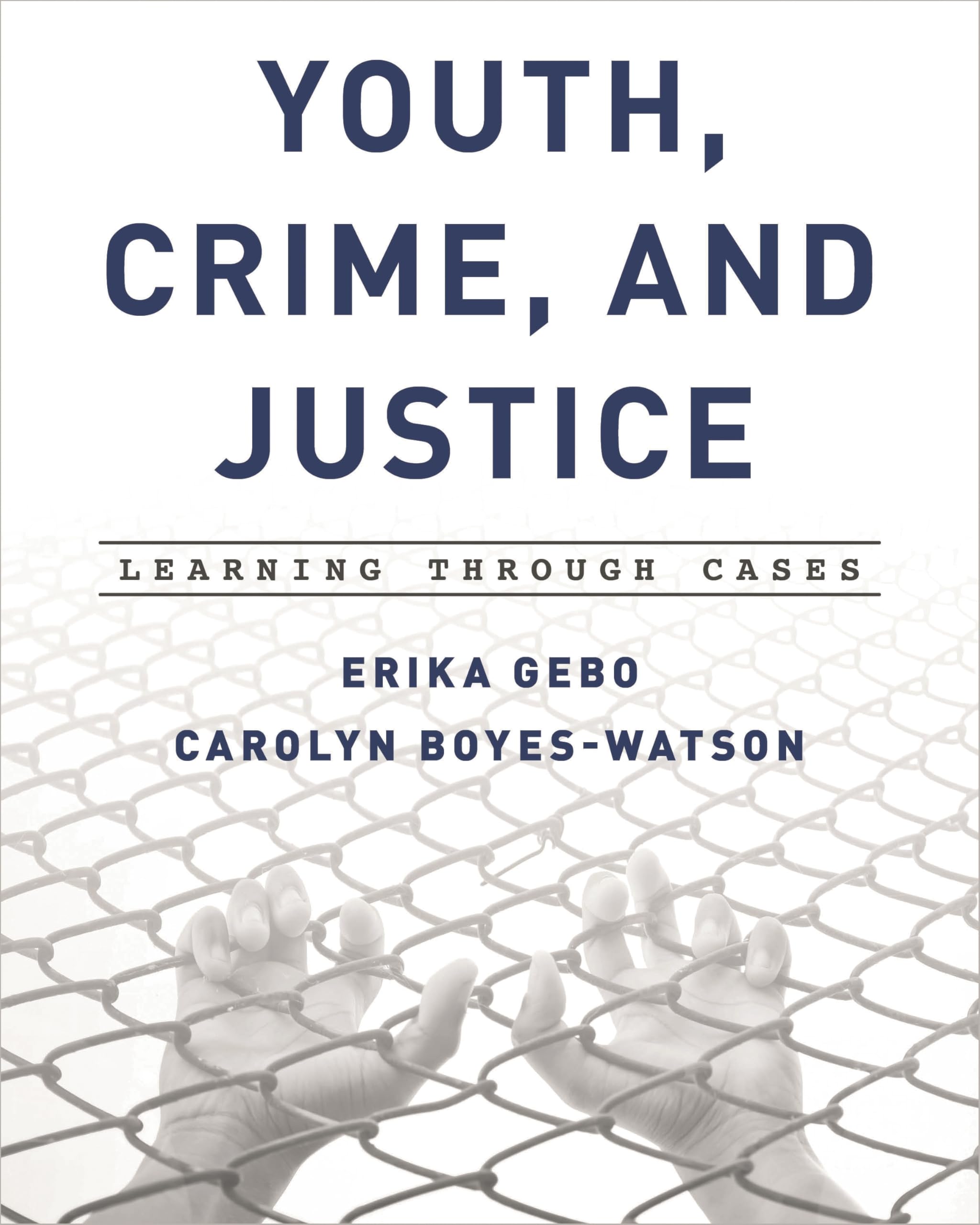
Youth: Learning Through Cases
Related Products
View All
Law
Mediasport | by Lawrence Wenner | Routledge | by Lawrence Wenner | Routledge | by Lawrence Wenner | Routledge | by Lawrence Wenner | Routledge | by Lawrence Wenner | Routledge | by Lawrence Wenner | Routledge | by Lawrence Wenner | Routledge | by Lawrence Wenner | Routledge | by Lawrence Wenner | Routledge | by Lawrence Wenner | Routledge | by Lawrence Wenner | Routledge | by Lawrence Wenner | Routledge | by Lawrence Wenner | Routledge | by Lawrence Wenner | Routledge | by Lawrence Wenner | Rout
Law
Human Rights Diplomacy | by Rein Mullerson | Routledge | by Rein Mullerson | Routledge | by Rein Mullerson | Routledge | by Rein Mullerson | Routledge | by Rein Mullerson | Routledge | by Rein Mullerson | Routledge | by Rein Mullerson | Routledge | by Rein Mullerson | Routledge | by Rein Mullerson | Routledge | by Rein Mullerson | Routledge | by Rein Mullerson | Routledge | by Rein Mullerson | Routledge | by Rein Mullerson | Routledge | by Rein Mullerson | Routledge | by Rein Mullerson | Routled
Law
Rome the Law-Giver | by Declareuil J. | Routledge | by Declareuil J. | Routledge | by Declareuil J. | Routledge | by Declareuil J. | Routledge | by Declareuil J. | Routledge | by Declareuil J. | Routledge | by Declareuil J. | Routledge | by Declareuil J. | Routledge | by Declareuil J. | Routledge | by Declareuil J. | Routledge | by Declareuil J. | Routledge | by Declareuil J. | Routledge | by Declareuil J. | Routledge | by Declareuil J. | Routledge | by Declareuil J. | Routledge | by Declareuil
Law
Human Rights and Gender Politics | by Anne-Marie Hilsdon | Martha MacIntyre | Vera MacKie | Routledge | by Anne-Marie Hilsdon | Martha MacIntyre | Vera MacKie | Routledge | by Anne-Marie Hilsdon | Martha MacIntyre | Vera MacKie | Routledge | by Anne-Marie Hilsdon | Martha MacIntyre | Vera MacKie | Routledge | by Anne-Marie Hilsdon | Martha MacIntyre | Vera MacKie | Routledge | by Anne-Marie Hilsdon | Martha MacIntyre | Vera MacKie | Routledge | by Anne-Marie Hilsdon | Martha MacIntyre | Vera Mac
Law
Politics of Human Rights in Southeast Asia | by Philip J. Eldridge | Routledge | by Philip J. Eldridge | Routledge | by Philip J. Eldridge | Routledge | by Philip J. Eldridge | Routledge | by Philip J. Eldridge | Routledge | by Philip J. Eldridge | Routledge | by Philip J. Eldridge | Routledge | by Philip J. Eldridge | Routledge | by Philip J. Eldridge | Routledge | by Philip J. Eldridge | Routledge | by Philip J. Eldridge | Routledge | by Philip J. Eldridge | Routledge | by Philip J. Eldridge |
Law