
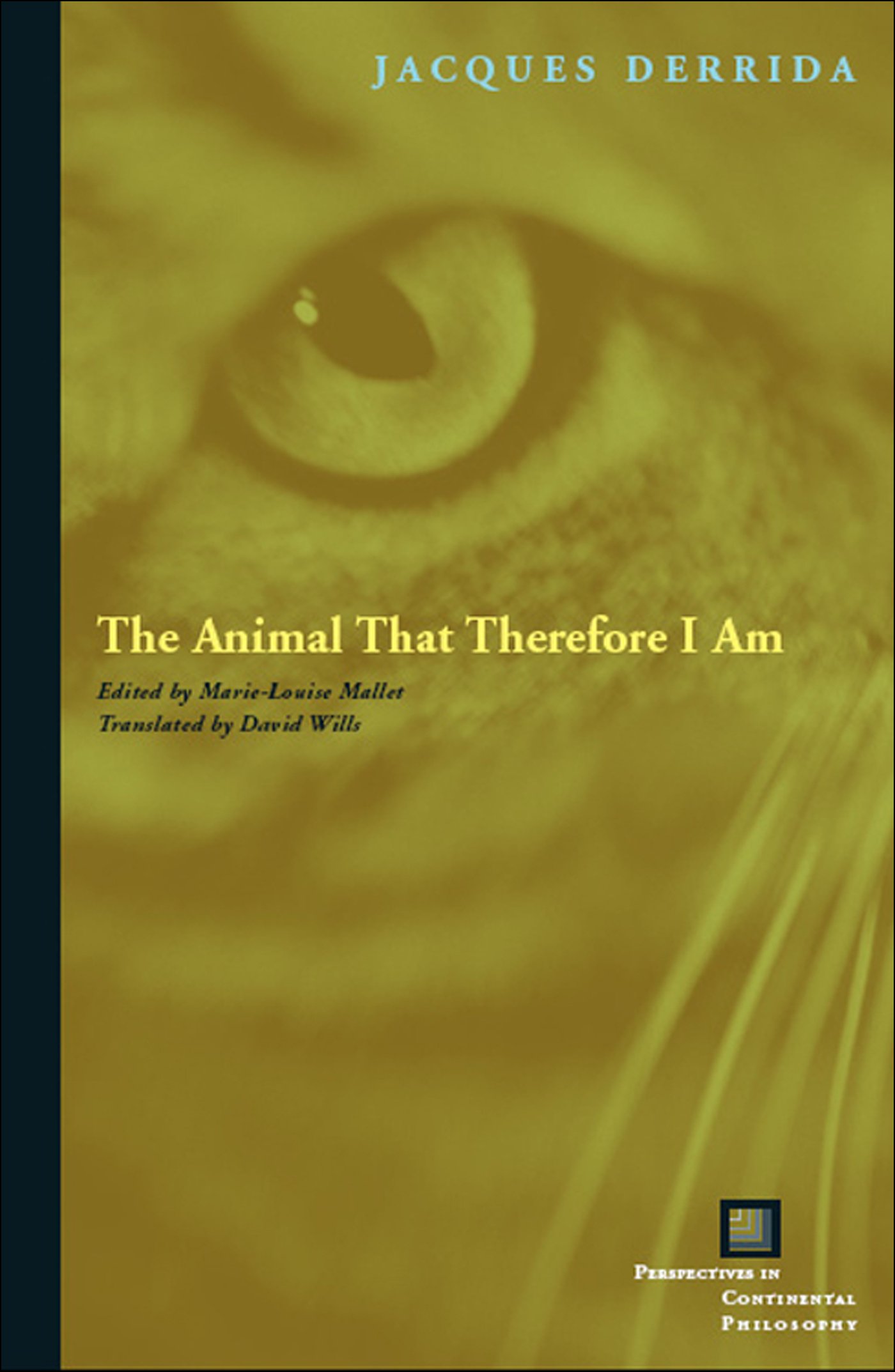
The Animal That Therefore I Am: Jacques Derrida's Philosophical Exploration of the Human-Animal Divide
Inclusive of all applicable taxes. FREE shipping on all orders.
Available Offers
- 🚚Free Delivery — Free shipping on all orders
- 💵Cash on Delivery — Pay when your order arrives
- ↩️15-Day Easy Returns — Hassle-free return policy
- 🔒Cash on Delivery — Pay safely when your order arrives
Check Delivery
Product Description
Introduction
Jacques Derrida’s The Animal That Therefore I Am stands as one of the most provocative and searching philosophical works of the late twentieth century. Originally delivered as a ten-hour address at the 1997 Cérisy conference, this book challenges the very foundations of how we think about animals, consciousness, and the boundary between human and nonhuman life. For Indian readers engaged with continental philosophy, posthumanism, or ethical questions around speciesism, this text offers a rigorous yet deeply personal meditation on what it means to encounter another living being.
Book Overview
In The Animal That Therefore I Am, Derrida turns his deconstructive lens on the long tradition of Western thought that has relegated animals to a single, undifferentiated category: “the animal.” He traces this line of separation from Descartes through Kant, Heidegger, Lacan, and Lévi-Strauss, exposing how philosophers have denied animals language, reason, and the capacity for response. The book is both an affectionate retrospective on the animals that appear throughout Derrida’s own work and a profound critique of the human-animal divide. It begins with the famous image of Derrida standing naked before his cat, an encounter that becomes the starting point for a radical rethinking of subjectivity, ethics, and autobiography.
Key Highlights
- A landmark work by one of the most influential philosophers of the twentieth century
- Challenges the Cartesian distinction between human and animal
- Engages with major thinkers including Kant, Heidegger, Lacan, and Lévi-Strauss
- Combines autobiographical reflection with rigorous philosophical analysis
- Essential reading for students of continental philosophy, animal studies, and ethics
Inside the Book
The book is structured around Derrida’s ten-hour address, assembled posthumously from published sections, written sessions, and informal recordings. It opens with the provocative question of the animal gaze, moves through a critique of philosophical anthropocentrism, and concludes with a reexamination of the concept of “autobiography” itself. Derrida’s writing is both lyrical and dense, weaving personal anecdotes with close readings of philosophical texts. Readers will encounter discussions of animal suffering, the ethics of eating, and the politics of species, all framed within Derrida’s signature deconstructive method.
Key Topics
- The human-animal distinction in Western philosophy
- Deconstruction and the question of the animal
- Autobiography and the animal other
- Ethics of animal life and suffering
- Language, reason, and response in animals
- The legacy of Descartes, Kant, and Heidegger
Reader Benefits
This book offers Indian readers a chance to engage with one of the most challenging and rewarding works of contemporary philosophy. It provides tools to question taken-for-granted assumptions about human uniqueness and the moral status of animals. For students of literature, cultural studies, and environmental humanities, Derrida’s text opens new pathways for thinking about representation, difference, and responsibility. The hardcover edition from Fordham University Press is a durable addition to any serious library.
Learning Outcomes
- Understand the philosophical history of the human-animal divide
- Analyze Derrida’s deconstructive approach to traditional concepts
- Critically evaluate arguments about animal consciousness and language
- Develop a nuanced perspective on ethics and species difference
- Apply deconstructive reading strategies to philosophical and literary texts
Who Should Read
This book is ideal for postgraduate students and researchers in philosophy, especially those working in continental philosophy, ethics, and animal studies. It will also appeal to scholars in literary theory, cultural studies, and environmental humanities. Advanced undergraduates with a background in Derrida or poststructuralism will find it challenging but rewarding. Anyone interested in the ethical dimensions of human-animal relations—from activists to academics—will benefit from Derrida’s insights.
About the Author
Jacques Derrida (1930–2004) was one of the most influential philosophers of the twentieth century. Born in Algeria, he taught at the École Normale Supérieure in Paris and later at the University of California, Irvine. He is the founder of deconstruction, a method of critical analysis that has reshaped philosophy, literary theory, and the humanities. His works include Of Grammatology, Writing and Difference, and Specters of Marx. Derrida’s thought continues to provoke debate and inspire new generations of thinkers worldwide.
About the Publisher
Fordham University Press, based in New York, is a distinguished academic publisher known for its contributions to philosophy, theology, and the humanities. With a focus on rigorous scholarship and intellectual depth, Fordham has published works by leading thinkers in continental philosophy and critical theory. This hardcover edition ensures the lasting value of Derrida’s text for libraries and individual readers alike.
Conclusion
The Animal That Therefore I Am is not merely a book about animals—it is a profound inquiry into the very nature of being, response, and responsibility. Derrida’s work invites Indian readers to rethink the boundaries that define the human and to confront the ethical implications of our treatment of other species. Whether you are a seasoned philosopher or a curious student, this book will challenge, unsettle, and transform your thinking. Order your copy from Bookshops.in today and add a landmark text to your collection.
Quick Summary
The Animal That Therefore I Am is Jacques Derrida's seminal philosophical work that challenges the centuries-old distinction between humans and animals. Based on his ten-hour address at the 1997 Cérisy conference, the book weaves together autobiography, deconstruction, and ethics to question how Western philosophy has marginalized animal life. Derrida begins with the simple yet profound experience of being seen by his cat, using this moment to unravel the Cartesian legacy that defines humans as thinking beings and animals as mere machines. The text is both a retrospective on the role of animals in Derrida's own work and a rigorous critique of speciesism. It is intended for advanced students and scholars of continental philosophy, critical theory, and animal studies. Readers will learn to question taken-for-granted assumptions about consciousness, subjectivity, and ethical responsibility. By purchasing from Bookshops.in, Indian readers gain access to a premium hardcover edition of a landmark text that continues to shape contemporary philosophical discourse. This book is not just an academic exercise; it is a call to rethink our relationship with the living world.
Book Highlights
Book Specifications
| ISBN-13 | 9780823227907 |
| ISBN-10 | 0823227901 |
| Publisher | Fordham Univ Pr |
| Language | English |
| Dimensions | 15.24 x 1.91 x 23.5 cm |
| Weight | 363 g |
| Country | India |
| Category | Philosophy › Ethics |
| Genre | Philosophy |
| Reading Age | Adult |
| Original Language | French |
Frequently Asked Questions
What is The Animal That Therefore I Am about?
Who is Jacques Derrida?
Is this book suitable for beginners in philosophy?
What is the price of this book on Bookshops.in?
What is the ISBN for this book?
Is this book available in languages other than English?
What is the main argument of the book?
How does this book relate to animal studies?
Can I use this book for academic research?
What is the reading level of this book?
Does the book have a preface or introduction?
Why should I buy this from Bookshops.in?
Readers Also Search For
Customers Also Bought
Islam
Spiritual Economies (English, Daromir Rudnyckyj)

Islam
Who Is Allah? (English, Bruce B. Lawrence)
Islam
Islam and Liberal Citizenship: The Search for an Overlapping Consensus by Andrew F. March
Islam
Fiqh Us-Sunnah: Funerals and Diggers by Al-Sayyid Sabiq – Islamic Funeral Guide

Christianity
Genetics (English, Thomas a. Shannon | Mark P. Aulisio | Françoise Baylis)

Hinduism
Karma and Creativity by Christopher Key Chapple – Indian Philosophy
Related Products
View All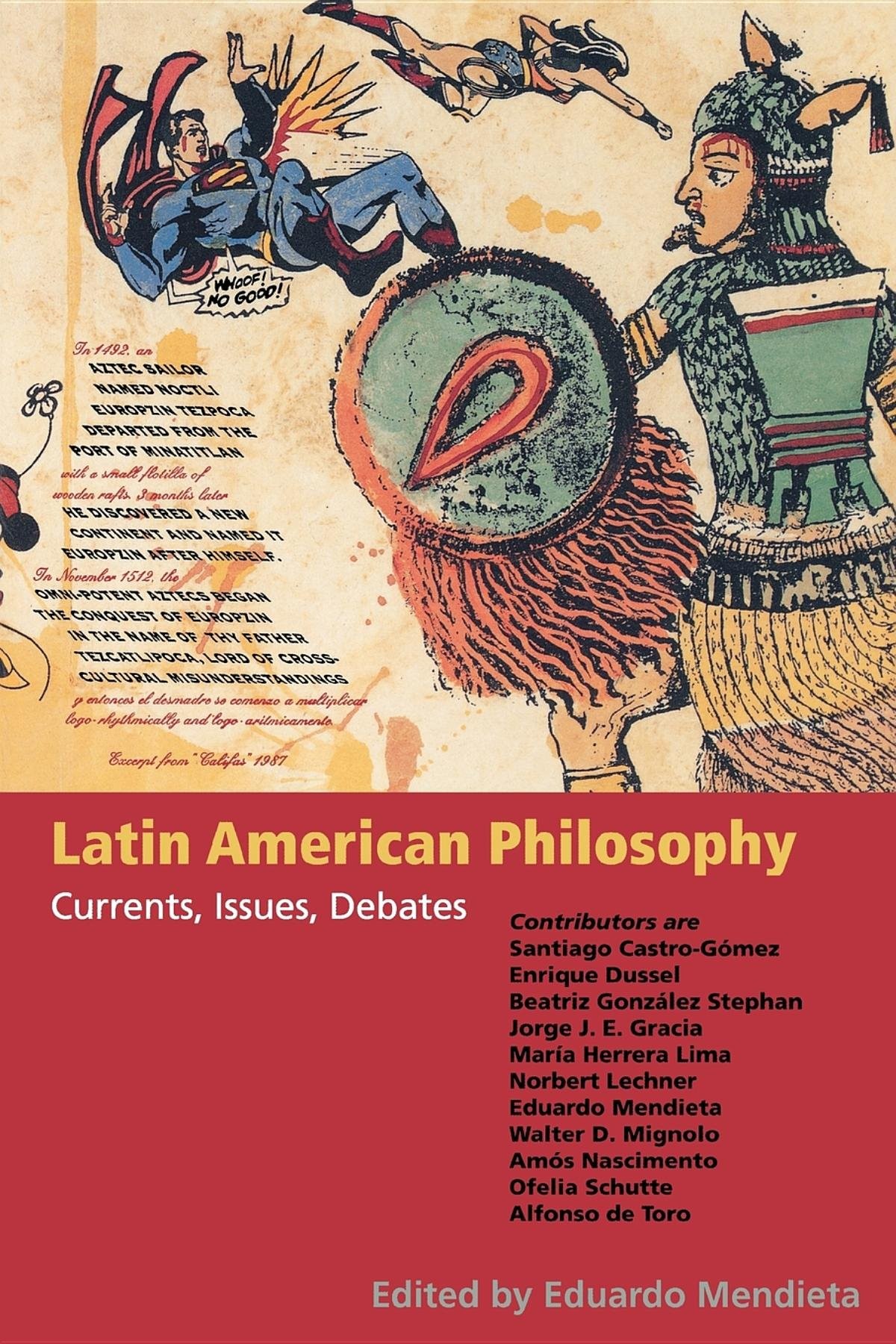
Philosophy
Latin American Philosophy: Currents, Issues, Debates by Eduardo Mendieta

Philosophy
Al-Farabi's Short Commentary on Aristotle's Prior Analytics by Nicholas Rescher – Philosophy
Philosophy
Poetics of Imagining: Modern to Post-modern by Richard Kearney
Philosophy
The Metaphysics of Extrinsic Properties: 11 (Metaphysical Research, 11)
Philosophy
Dialogues on Metaphysics and on Religion by Nicolas Malebranche – Philosophy
Philosophy