
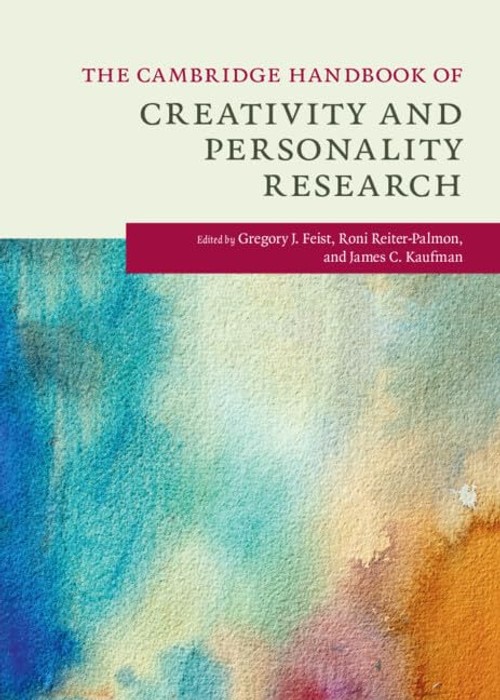
The Cambridge Handbook of Creativity and Personality Research by Gregory J. Feist – A Definitive Guide to the Psychology
Inclusive of all applicable taxes. FREE shipping on all orders.
Available Offers
- 🚚Free Delivery — Free shipping on all orders
- 💵Cash on Delivery — Pay when your order arrives
- ↩️15-Day Easy Returns — Hassle-free return policy
- 🔒Cash on Delivery — Pay safely when your order arrives
Check Delivery
Product Description
Introduction
In the vast landscape of human achievement, creativity stands as one of the most sought-after yet elusive qualities. What drives a person to think differently, to innovate, to produce original works of art or science? For decades, psychologists have sought to answer this question by examining the intersection of personality and creative expression. The Cambridge Handbook of Creativity and Personality Research, edited by Gregory J. Feist and published by Cambridge University Press, offers the most comprehensive and authoritative exploration of this dynamic relationship. This hardbound volume brings together global experts to dissect how individual traits, motives, and dispositions shape creative behaviour. For Indian students, researchers, and professionals, this handbook serves as an essential gateway to understanding the psychological foundations of creativity in a structured, evidence-based manner.
Book Overview
This handbook is the first of its kind to systematically bridge two critical domains of psychology: personality research and creativity studies. Spanning over 400 pages, the book compiles cutting-edge chapters from leading scholars across continents. It moves beyond simplistic definitions to examine how personality traits such as openness, conscientiousness, extraversion, and neuroticism interact with motivational and cognitive processes to foster or hinder creative output. The volume also addresses cultural, developmental, and contextual factors, making it relevant for readers in India who seek to apply these insights in educational, organisational, or artistic settings. Every chapter is grounded in empirical research, offering a rigorous yet accessible dive into the science of creativity.
Key Highlights
- First comprehensive handbook to integrate personality and creativity research under one cover.
- Features contributions from over 30 international experts, including pioneers in the field.
- Explores both classic theories (e.g., Big Five, trait activation) and emerging models (e.g., dynamic systems, gene-environment interactions).
- Includes chapters on creativity in specific domains such as science, art, music, and entrepreneurship.
- Discusses the role of motivation, emotion, and intelligence in creative achievement.
- Provides cross-cultural perspectives, with relevance to Indian contexts.
- Hardcover edition ensures durability for repeated reference in libraries and personal collections.
Inside the Book
The handbook is organised into six thematic sections, each building upon the last. The opening chapters lay the groundwork by defining creativity and personality, and by reviewing historical and methodological approaches. Subsequent sections delve into the interplay between specific personality traits and creative processes, such as divergent thinking, problem-solving, and insight. A dedicated section examines motivational and affective drivers—including intrinsic motivation, curiosity, and risk-taking—that propel creative individuals. Later chapters explore developmental trajectories, from childhood to late adulthood, and consider how environments like schools, workplaces, and cultures shape creative personality. The final section addresses applied topics, such as enhancing creativity through interventions and understanding creative genius. Each chapter ends with a summary of key findings and future research directions, making it a valuable tool for coursework and self-study.
Key Topics
- The Big Five personality traits and their links to creative achievement.
- Openness to experience as the strongest predictor of creativity.
- The role of extraversion and introversion in different creative domains.
- Neuroticism, emotional instability, and the creative temperament.
- Motivational factors: intrinsic vs. extrinsic motivation, achievement strivings.
- Cognitive processes: divergent thinking, convergent thinking, and insight.
- Creativity in science, technology, engineering, and mathematics (STEM).
- Creative personality across cultures, including Indian perspectives.
- Developmental changes in creativity from childhood to old age.
- Practical interventions to foster creative personality in education and organisations.
Reader Benefits
This handbook offers immense value for Indian readers. For psychology students, it provides a solid foundation for research papers, theses, and competitive examinations like UGC-NET or JRF. For educators, it offers evidence-based strategies to nurture creativity in classrooms. For corporate trainers and HR professionals, it illuminates how personality assessments can identify and develop creative talent. Artists, writers, and entrepreneurs will gain deeper self-awareness about their own creative drives and blocks. The book also helps parents and mentors understand how to support creative development in children. By reading this volume, you will not only learn what makes creative people tick but also discover actionable insights to enhance your own creative potential.
Learning Outcomes
- Understand the major personality theories and their application to creativity research.
- Identify the specific traits that consistently predict creative behaviour across domains.
- Analyse how motivation, emotion, and intelligence interact with personality to influence creativity.
- Evaluate research methodologies used in studying creativity and personality.
- Apply cross-cultural findings to Indian educational and professional contexts.
- Design evidence-based interventions to foster creativity in individuals and groups.
- Critically assess debates around creativity, mental health, and the 'tortured artist' stereotype.
Who Should Read
The Cambridge Handbook of Creativity and Personality Research is ideal for undergraduate and postgraduate students of psychology, education, and organisational behaviour. It is equally valuable for researchers and academics seeking a consolidated reference. Professionals in human resources, talent management, and innovation consulting will find practical frameworks. Additionally, creative practitioners—writers, designers, musicians, and scientists—who wish to understand the psychological underpinnings of their work will benefit. The book is written at an advanced level but remains accessible to motivated readers with a basic background in psychology. Indian readers will appreciate the inclusion of studies from non-Western populations, though the primary focus is on global research.
About the Author
Gregory J. Feist is a renowned psychologist and professor at San José State University, California. He is widely recognised for his research on the psychology of science, creativity, and personality. Feist has authored numerous influential papers and books, including The Psychology of Science and the Origins of the Scientific Mind. He is a Fellow of the Association for Psychological Science and the American Psychological Association. His editorial work on this handbook brings together decades of expertise, ensuring a balanced and rigorous treatment of the subject. Feist’s ability to synthesise complex research into clear, engaging prose makes this volume both scholarly and readable.
About the Publisher
Cambridge University Press is one of the world’s oldest and most prestigious academic publishers, with a history dating back to 1534. Known for its rigorous peer-review process and high editorial standards, Cambridge University Press publishes groundbreaking works across all disciplines. This handbook is part of their renowned Cambridge Handbooks in Psychology series, which offers definitive reference works for students and professionals. The press’s commitment to advancing knowledge ensures that every title it releases—including this one—meets the highest standards of accuracy and scholarly integrity. For Indian readers, Cambridge University Press titles are widely available through Bookshops.in, providing access to world-class academic resources.
Conclusion
In a world that increasingly prizes innovation and original thinking, understanding the personality roots of creativity is more important than ever. The Cambridge Handbook of Creativity and Personality Research stands as a landmark volume that illuminates this fascinating intersection with depth and clarity. Whether you are a student embarking on research, a teacher shaping young minds, or a professional seeking to unlock creative potential, this handbook will serve as an indispensable companion. Its comprehensive coverage, expert authorship, and practical insights make it a worthy addition to any serious library. Order your hardcover copy today from Bookshops.in and embark on a journey to understand the creative mind like never before.
Quick Summary
The Cambridge Handbook of Creativity and Personality Research, edited by Gregory J. Feist and published by Cambridge University Press, is the first comprehensive volume to systematically explore the relationship between personality and creativity. Bringing together contributions from leading international scholars, the handbook covers a wide range of topics including personality traits like openness and conscientiousness, motivational factors, cognitive processes, developmental and cultural influences, and methodological issues. It is designed for psychology students, researchers, educators, and professionals who seek a deep understanding of what makes individuals creative. Readers will gain insights into how personality shapes creative expression across domains such as arts, science, and business. The book also offers practical implications for fostering creativity in educational and organizational settings. By purchasing from Bookshops.in, Indian readers receive a genuine hardcover edition with fast, reliable delivery, making it a valuable addition to any academic or personal library.
Book Highlights
Book Specifications
| ISBN-13 | 9781107107595 |
| ISBN-10 | 1107107598 |
| Publisher | Cambridge English |
| Language | English |
| Dimensions | 18.42 x 3.18 x 26.04 cm |
| Weight | 940 g |
| Country | United Kingdom |
| Category | Social Sciences › Psychology |
| Genre | Psychology |
| Original Language | English |
Frequently Asked Questions
What is The Cambridge Handbook of Creativity and Personality Research about?
Who is the author of this book?
Which publisher released this book?
Is this book suitable for undergraduate students?
Does the book cover Indian perspectives on creativity?
What format is this book available in?
What is the ISBN of this book?
Can I use this book for my research paper?
Is this book available in Indian bookstores?
Does the book include practical applications?
What are the key personality traits discussed?
Is this book part of a series?
Why should I buy from Bookshops.in?
Readers Also Search For
Customers Also Bought
Psychology
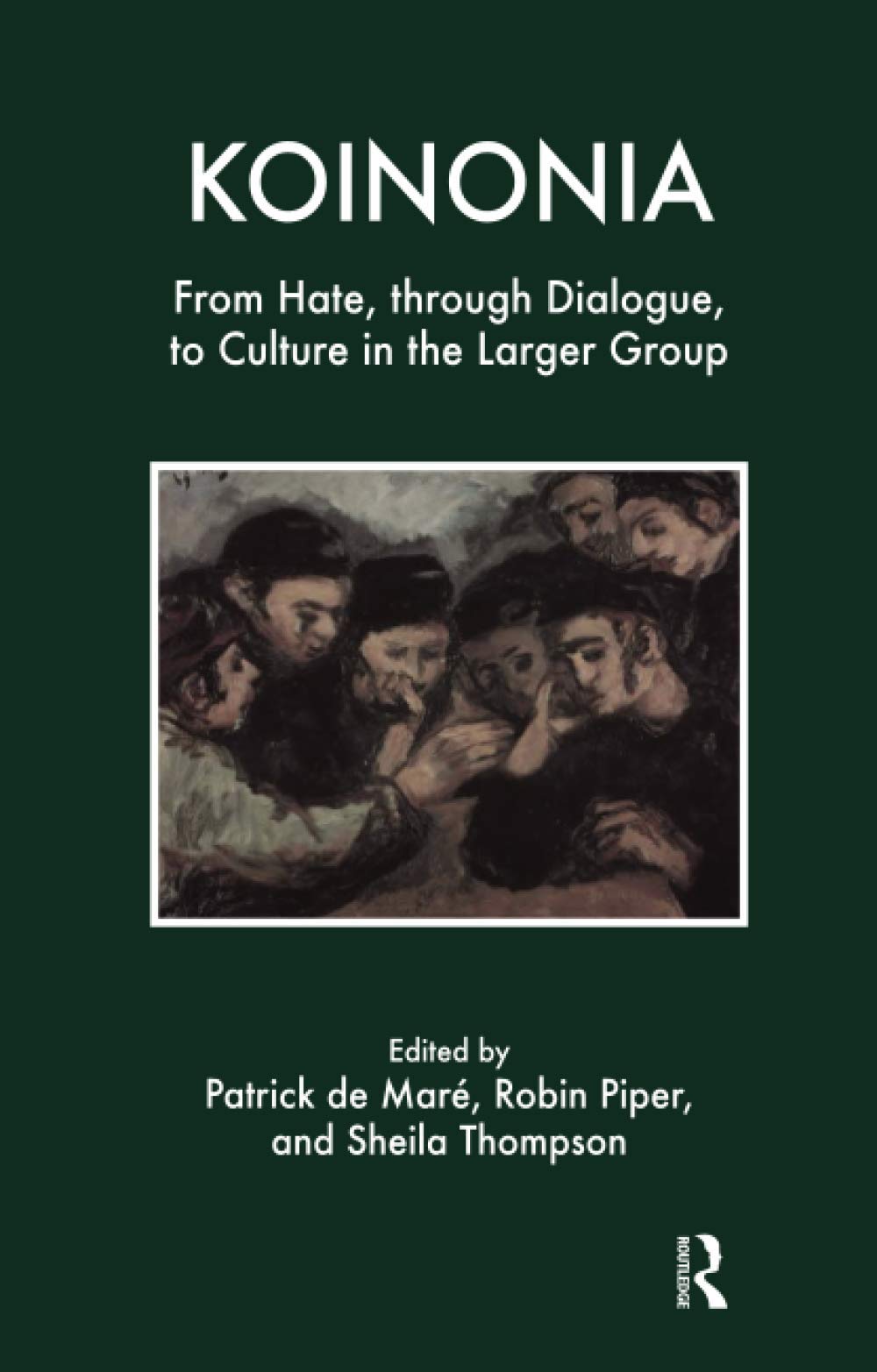
Koinonia: From Hate, Through Dialogue, to Culture in the Large Group by Patrick B. Demare
Psychology
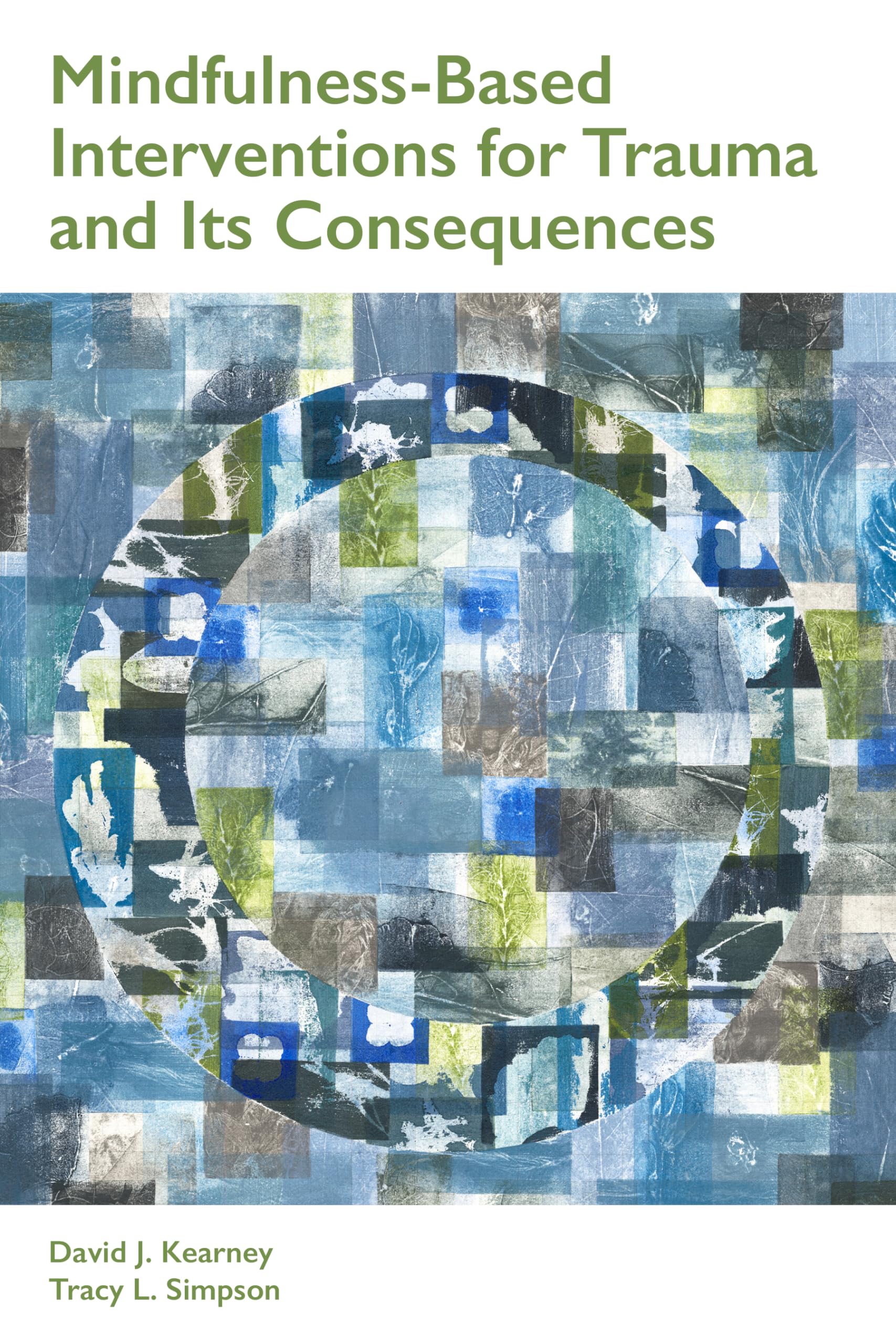
Mindfulness-Based Interventions for Trauma and Its Consequences (Concise Guides on Trauma Care, 4)

Psychology
Handbook for Teaching Statistics and Research Methods by Mark E. Ware

Psychology
Psychoanalysis and the Nuclear Threat: Clinical and Theoretical Studies
Psychology
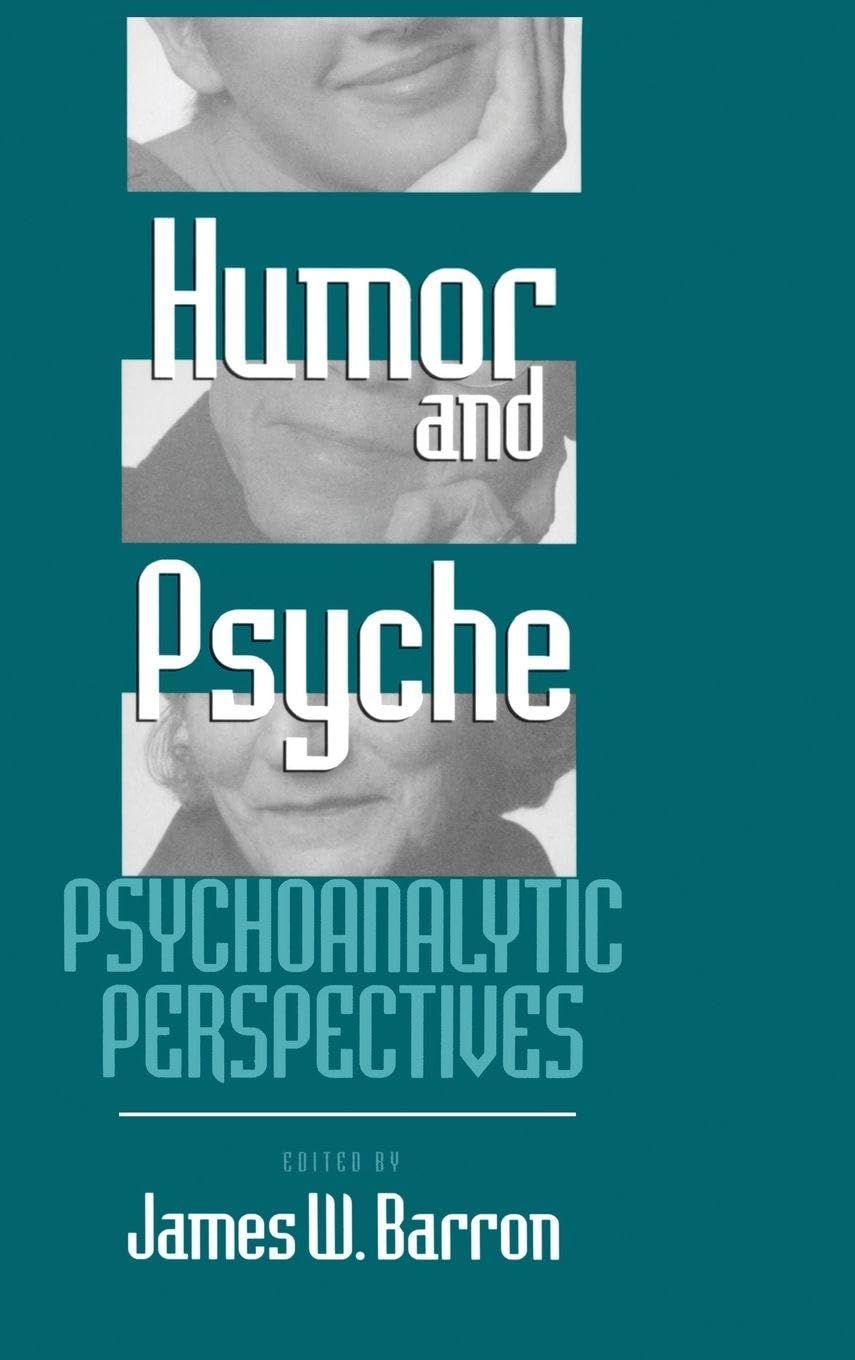
Humor and Psyche: Psychoanalytic Perspectives by James W. Barron
Relationships
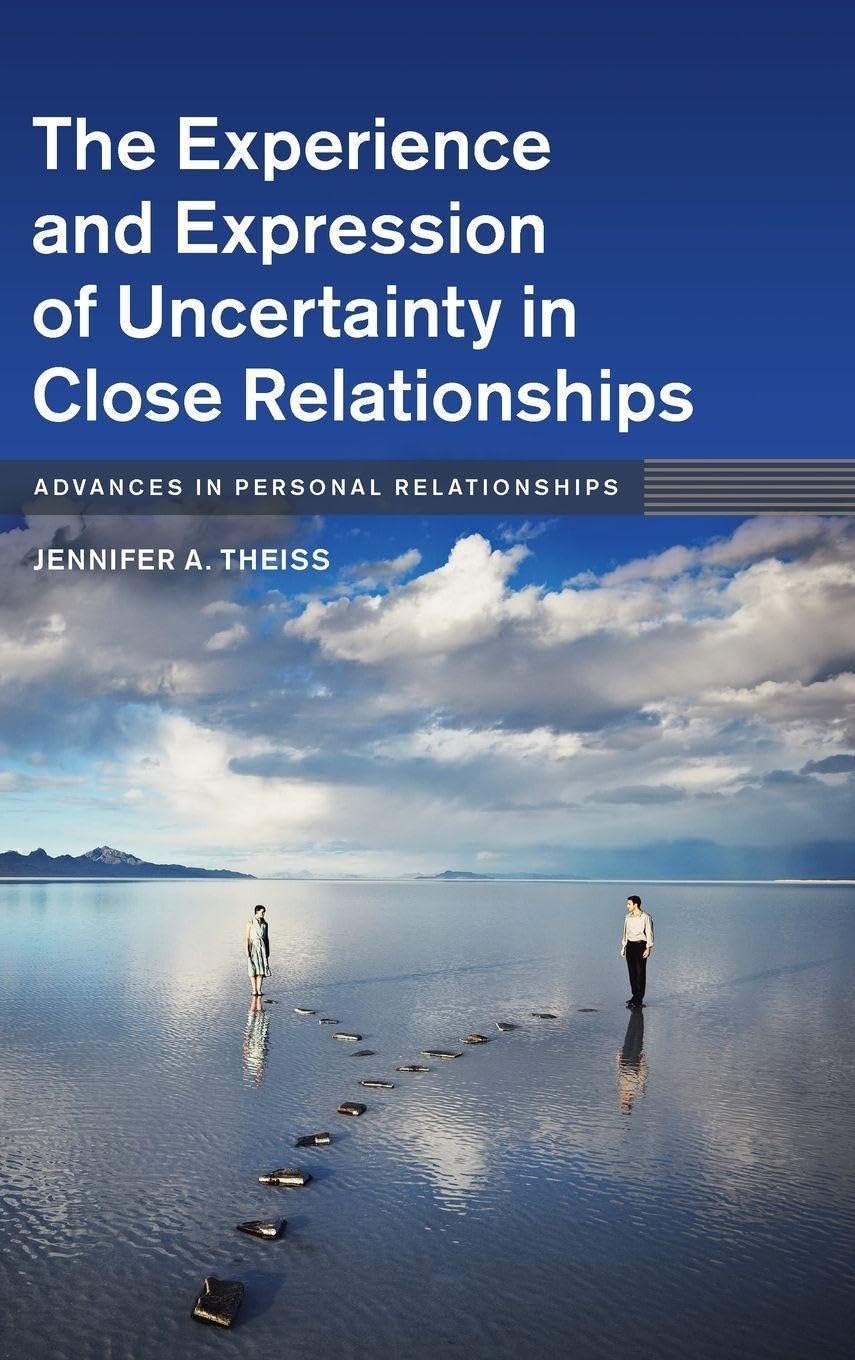
The Experience and Expression of Uncertainty in Close Relationships by Jennifer A. Theiss
Related Products
View AllPsychology
Mindfulness-Based Interventions for Trauma and Its Consequences (Concise Guides on Trauma Care, 4)
Psychology
Handbook for Teaching Statistics and Research Methods by Mark E. Ware
Psychology
Psychoanalysis and the Nuclear Threat: Clinical and Theoretical Studies
Psychology
Humor and Psyche: Psychoanalytic Perspectives by James W. Barron

Psychology
Proceedings of the First International Conference on Genetic Algorithms and Their Applications
Psychology