
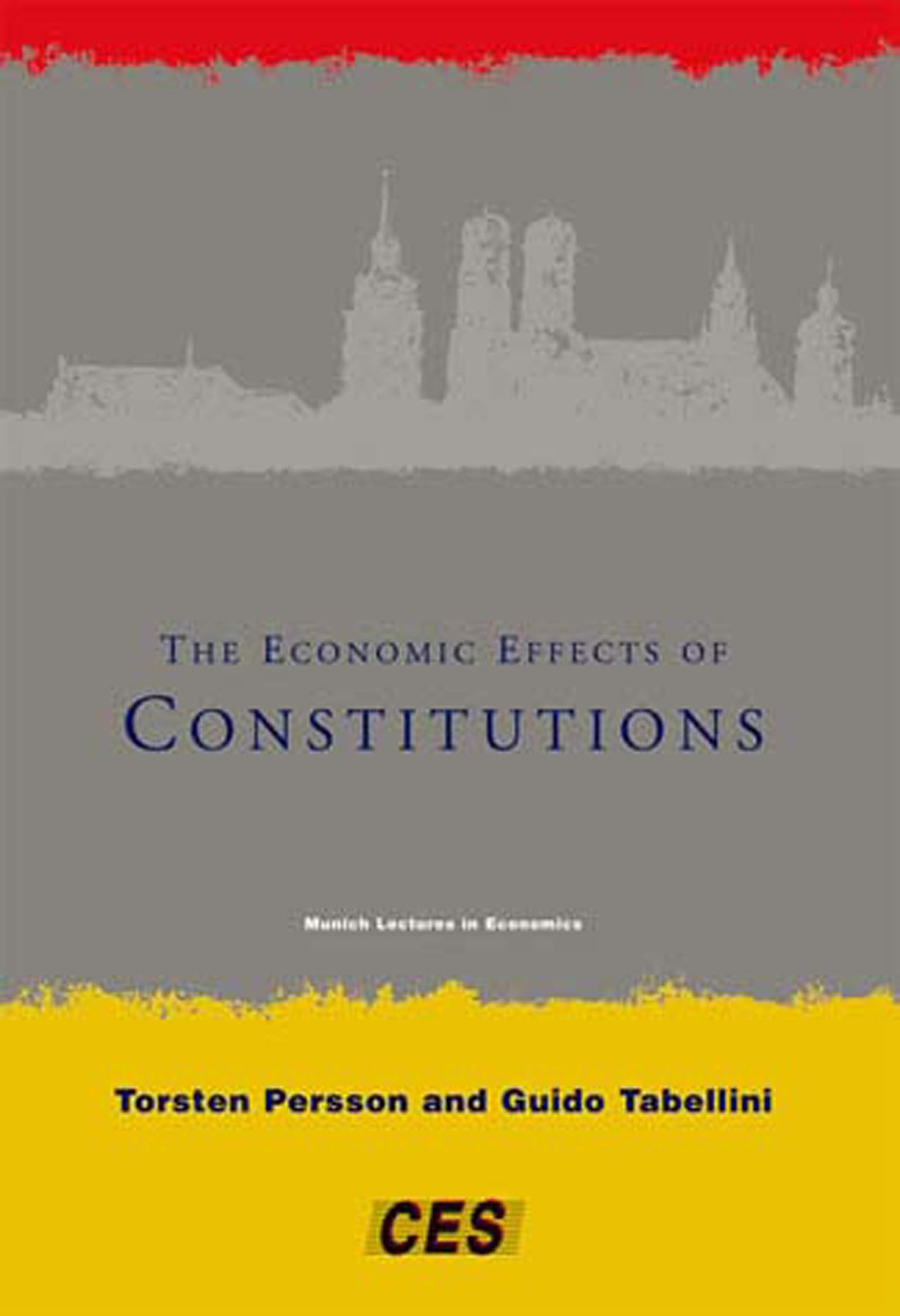
The Economic Effects Of Constitutions: An Empirical Analysis of Constitutional Systems and Economic Policy by Torsten Pe
Inclusive of all applicable taxes. FREE shipping on all orders.
Available Offers
- 🚚Free Delivery — Free shipping on all orders
- 💵Cash on Delivery — Pay when your order arrives
- ↩️15-Day Easy Returns — Hassle-free return policy
- 🔒Cash on Delivery — Pay safely when your order arrives
Check Delivery
Product Description
Introduction
What makes some nations prosper while others struggle with fiscal instability and policy inefficiency? For students, researchers, and policy enthusiasts in India, where constitutional debates are alive and democratic institutions are constantly evolving, The Economic Effects Of Constitutions by Torsten Persson offers a groundbreaking empirical lens. This hardbound MIT Press volume is not a dry theoretical treatise but a rigorous, data-driven investigation into how constitutional rules shape economic outcomes. Published in English, this book is essential for anyone seeking to understand the real-world consequences of political design.
Book Overview
The Economic Effects Of Constitutions is the empirical companion to Persson’s earlier theoretical work on political economy. The authors—Torsten Persson—use sophisticated econometric tools to bridge what they call the missing link between a country’s constitutional framework and its economic policies. Rather than relying on abstract models, the book tests hypotheses against real data from a large sample of contemporary democracies. It systematically compares presidential versus parliamentary systems and majoritarian versus proportional electoral rules, revealing how these constitutional choices influence government size, budget deficits, corruption, and structural reforms.
Key Highlights
- Empirical Rigour: The first comprehensive econometric study of how constitutions affect economic policy, moving beyond theory to testable facts.
- Cross-Country Comparisons: Draws on a broad dataset of modern democracies, making findings relevant for India and other developing nations.
- Policy-Relevant Insights: Shows that presidential regimes tend to have smaller public sectors, while proportional elections lead to larger, less targeted spending and bigger deficits.
- Electoral System Details: Examines how district magnitude and ballot structure influence corruption and structural policies.
- Authoritative Publisher: MIT Press is a globally respected academic publisher, ensuring high editorial standards.
Inside the Book
The book is structured as an uncompromisingly empirical sequel. It begins by revisiting key theoretical predictions from constitutional economics, then lays out the econometric methodology. Each chapter focuses on a specific policy outcome—such as government size, welfare spending, budget deficits, and corruption—and tests how constitutional variables explain variations across countries. The authors also delve into the nuances of electoral systems, showing that not all proportional systems are alike. The final chapters discuss the implications for constitutional design and reform, offering lessons that resonate strongly in India’s federal and multi-party context.
Key Topics
- Presidential versus parliamentary systems and their impact on fiscal policy.
- Majoritarian versus proportional electoral systems and government spending.
- District magnitude, ballot structure, and corruption.
- Constitutional constraints and budget deficits.
- Structural policies and economic reforms under different regimes.
- Empirical methods for political economy research.
Reader Benefits
- Gain evidence-based understanding of why some democracies have larger governments or higher corruption.
- Learn to critically evaluate constitutional reform proposals using real-world data.
- Develop analytical skills in applying econometric tools to political institutions.
- Access a reference work that bridges law, economics, and political science.
Learning Outcomes
- Identify causal links between constitutional rules and economic performance.
- Compare the fiscal consequences of presidential versus parliamentary systems.
- Analyze how electoral system details shape policy outcomes like corruption and spending.
- Evaluate constitutional design options for emerging democracies.
- Apply empirical research methods to study political institutions.
Who Should Read
This book is ideal for graduate students and researchers in economics, political science, and law. It is equally valuable for policymakers, constitutional advisors, and journalists covering Indian politics and governance. Anyone interested in why India’s parliamentary system with first-past-the-post elections produces different outcomes than a proportional system will find deep insights here. The book is also suitable for advanced undergraduates in Indian universities studying political economy or comparative politics.
About the Author
Torsten Persson is a distinguished Swedish economist and professor at the Institute for International Economic Studies at Stockholm University. He is a leading figure in political economy, known for his work on constitutional economics, fiscal policy, and the role of institutions. His research has been published in top-tier journals and has influenced policy debates worldwide. This book represents the culmination of his empirical work on the economic consequences of constitutional design.
About the Publisher
MIT Press is one of the world’s most prestigious academic publishers, based at the Massachusetts Institute of Technology. Known for its rigorous editorial standards and cutting-edge scholarship, MIT Press has a long tradition of publishing transformative works in economics, political science, and technology. This hardcover edition is a durable, high-quality volume suitable for libraries and serious study.
Conclusion
The Economic Effects Of Constitutions is an indispensable resource for anyone who wants to move beyond opinion and understand the measurable impact of political institutions on economic life. For Indian readers, where constitutional amendments and electoral reforms are perennial topics, this book provides a solid empirical foundation for informed debate. Whether you are a student, a researcher, or a policy professional, this MIT Press hardcover belongs on your shelf as a reference that will be cited for decades. Order your copy today from Bookshops.in and deepen your understanding of how constitutions shape our economic destiny.
Quick Summary
The Economic Effects Of Constitutions by Torsten Persson is a landmark empirical study that bridges the gap between constitutional design and economic policy. Using rigorous econometric methods on a large sample of democratic countries, Persson investigates how two fundamental constitutional features—presidential versus parliamentary systems and majoritarian versus proportional electoral rules—shape fiscal outcomes. The book reveals that presidential regimes tend to produce smaller public sectors, while proportional elections are associated with higher and less targeted government spending. This work is an essential resource for graduate students, researchers, and policymakers in economics, political science, and law. For Indian readers, it offers valuable comparative insights into how India's parliamentary democracy and electoral system influence economic governance. By purchasing from Bookshops.in, you get a high-quality hardcover edition from MIT Press, delivered across India with trusted service.
Book Highlights
Book Specifications
| ISBN-13 | 9780262661928 |
| ISBN-10 | 0262661926 |
| Publisher | Mit Pr |
| Language | English |
| Dimensions | 15.24 x 1.85 x 22.86 cm |
| Weight | 435 g |
| Country | India |
| Category | Political Science › Government |
| Genre | Non-fiction |
| Original Language | English |
Frequently Asked Questions
What is The Economic Effects Of Constitutions about?
Who is the author of this book?
Is this book suitable for Indian readers?
What is the main methodology used in the book?
Does the book cover presidential vs parliamentary systems?
What is the role of electoral systems in the book?
Is this book technical or accessible?
What are the key findings of the book?
How does this book relate to Torsten Persson's earlier work?
Is there a sequel or companion volume?
What language is the book in?
Where can I buy this book in India?
Readers Also Search For
Customers Also Bought
Constitutional Law
Indigenous law and the state
Constitutional Law
Great Cases in Constitutional Law (English, Robert P. George)
Constitutional Law
Guilty Pleas in International Criminal Law (English, Nancy Amoury Combs)
Constitutional Law
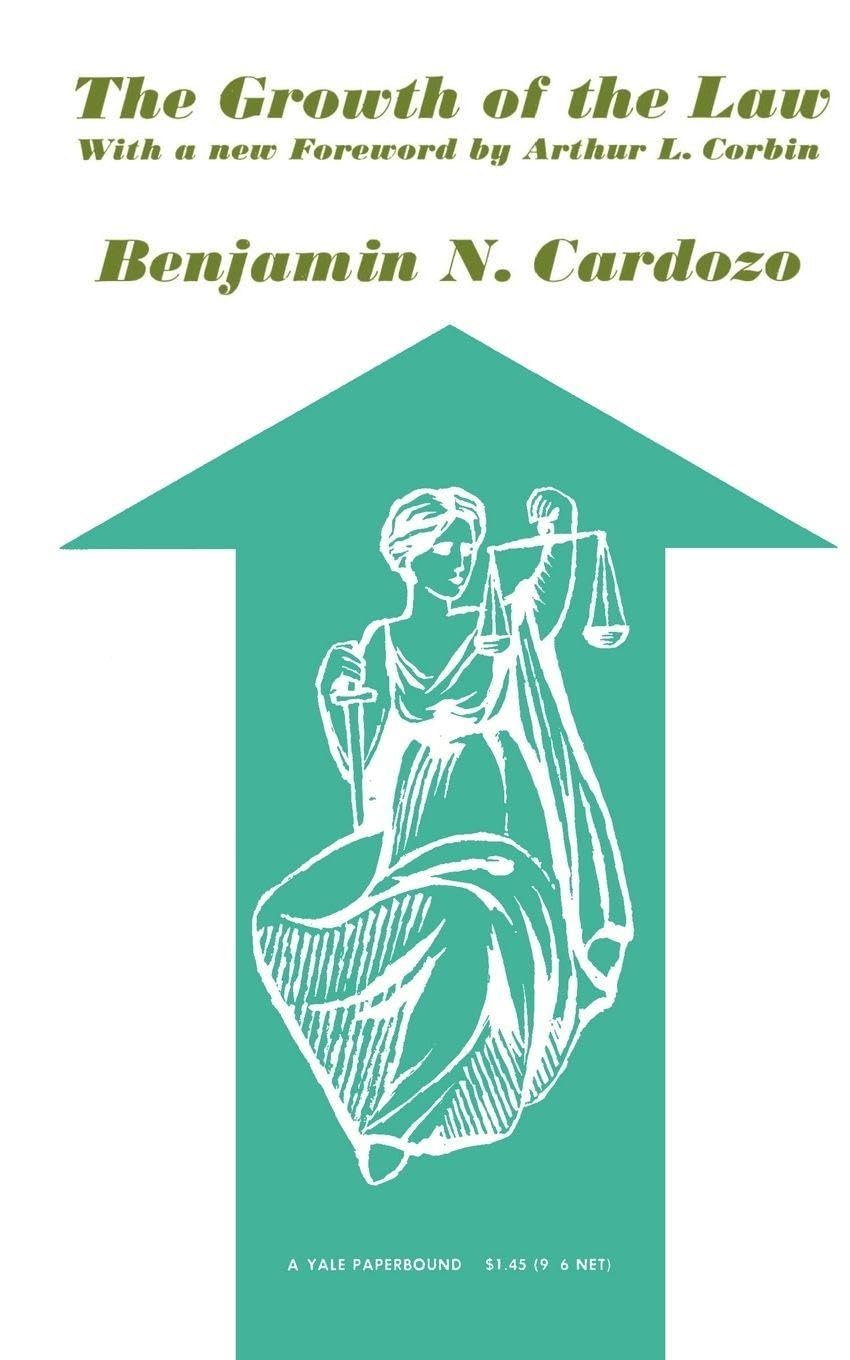
The Growth of the Law by Benjamin N. Cardozo – Jurisprudence
Constitutional Law
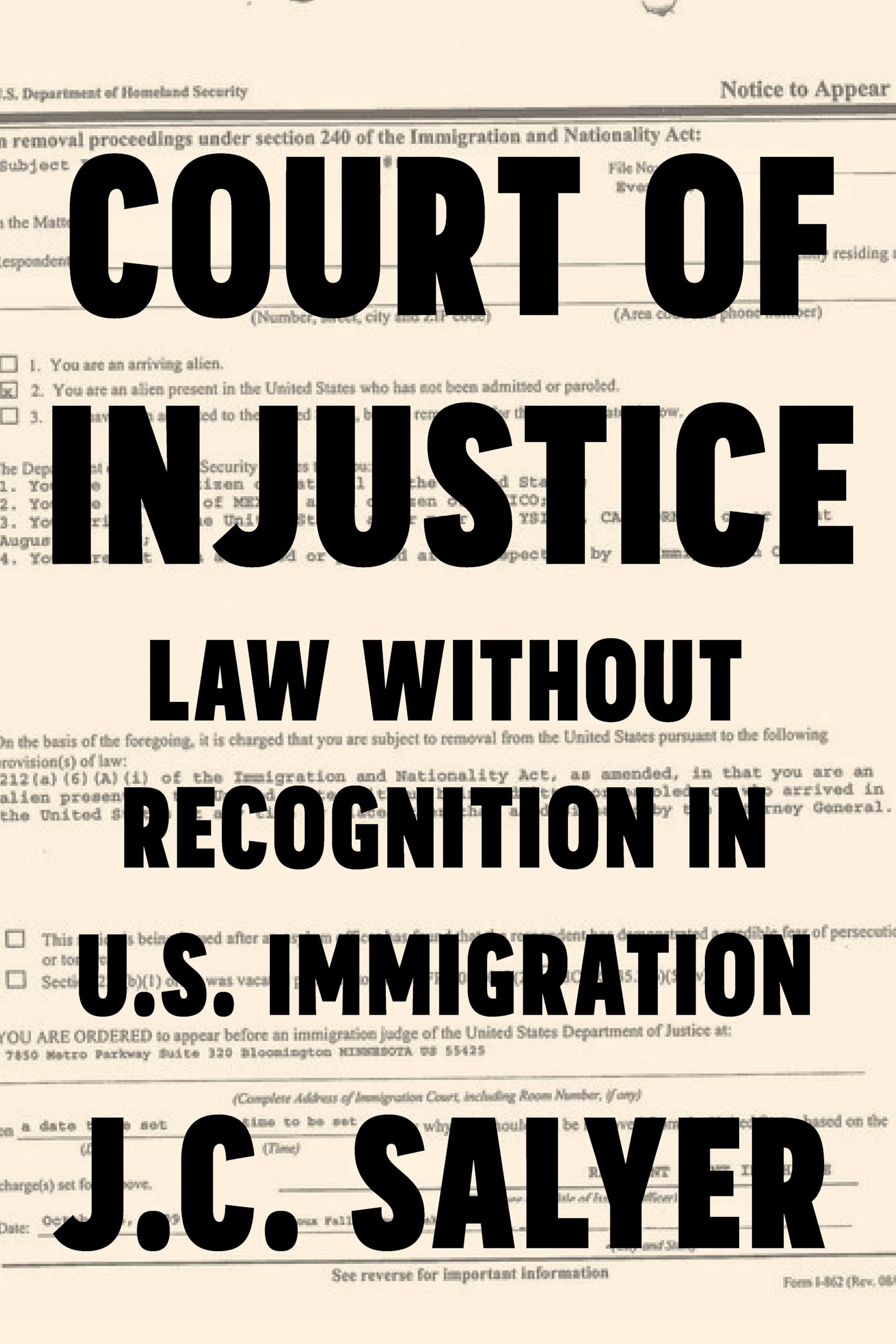
Court of Injustice: Law Without Recognition in U.S. Immigration by J. C. Salyer

Constitutional Law
Youth: Learning Through Cases
Related Products
View All
Law
Human Rights Diplomacy | by Rein Mullerson | Routledge | by Rein Mullerson | Routledge | by Rein Mullerson | Routledge | by Rein Mullerson | Routledge | by Rein Mullerson | Routledge | by Rein Mullerson | Routledge | by Rein Mullerson | Routledge | by Rein Mullerson | Routledge | by Rein Mullerson | Routledge | by Rein Mullerson | Routledge | by Rein Mullerson | Routledge | by Rein Mullerson | Routledge | by Rein Mullerson | Routledge | by Rein Mullerson | Routledge | by Rein Mullerson | Routled
Law
Rome the Law-Giver | by Declareuil J. | Routledge | by Declareuil J. | Routledge | by Declareuil J. | Routledge | by Declareuil J. | Routledge | by Declareuil J. | Routledge | by Declareuil J. | Routledge | by Declareuil J. | Routledge | by Declareuil J. | Routledge | by Declareuil J. | Routledge | by Declareuil J. | Routledge | by Declareuil J. | Routledge | by Declareuil J. | Routledge | by Declareuil J. | Routledge | by Declareuil J. | Routledge | by Declareuil J. | Routledge | by Declareuil

Law
Human Rights and Gender Politics | by Anne-Marie Hilsdon | Martha MacIntyre | Vera MacKie | Routledge | by Anne-Marie Hilsdon | Martha MacIntyre | Vera MacKie | Routledge | by Anne-Marie Hilsdon | Martha MacIntyre | Vera MacKie | Routledge | by Anne-Marie Hilsdon | Martha MacIntyre | Vera MacKie | Routledge | by Anne-Marie Hilsdon | Martha MacIntyre | Vera MacKie | Routledge | by Anne-Marie Hilsdon | Martha MacIntyre | Vera MacKie | Routledge | by Anne-Marie Hilsdon | Martha MacIntyre | Vera Mac
Law
Politics of Human Rights in Southeast Asia | by Philip J. Eldridge | Routledge | by Philip J. Eldridge | Routledge | by Philip J. Eldridge | Routledge | by Philip J. Eldridge | Routledge | by Philip J. Eldridge | Routledge | by Philip J. Eldridge | Routledge | by Philip J. Eldridge | Routledge | by Philip J. Eldridge | Routledge | by Philip J. Eldridge | Routledge | by Philip J. Eldridge | Routledge | by Philip J. Eldridge | Routledge | by Philip J. Eldridge | Routledge | by Philip J. Eldridge |
Law
Rerouting the Postcolonial | by Janet Wilson | Cristina Sandru | Sarah Lawson Welsh | Routledge | by Janet Wilson | Cristina Sandru | Sarah Lawson Welsh | Routledge | by Janet Wilson | Cristina Sandru | Sarah Lawson Welsh | Routledge | by Janet Wilson | Cristina Sandru | Sarah Lawson Welsh | Routledge | by Janet Wilson | Cristina Sandru | Sarah Lawson Welsh | Routledge | by Janet Wilson | Cristina Sandru | Sarah Lawson Welsh | Routledge | by Janet Wilson | Cristina Sandru | Sarah Lawson Welsh |
Law