
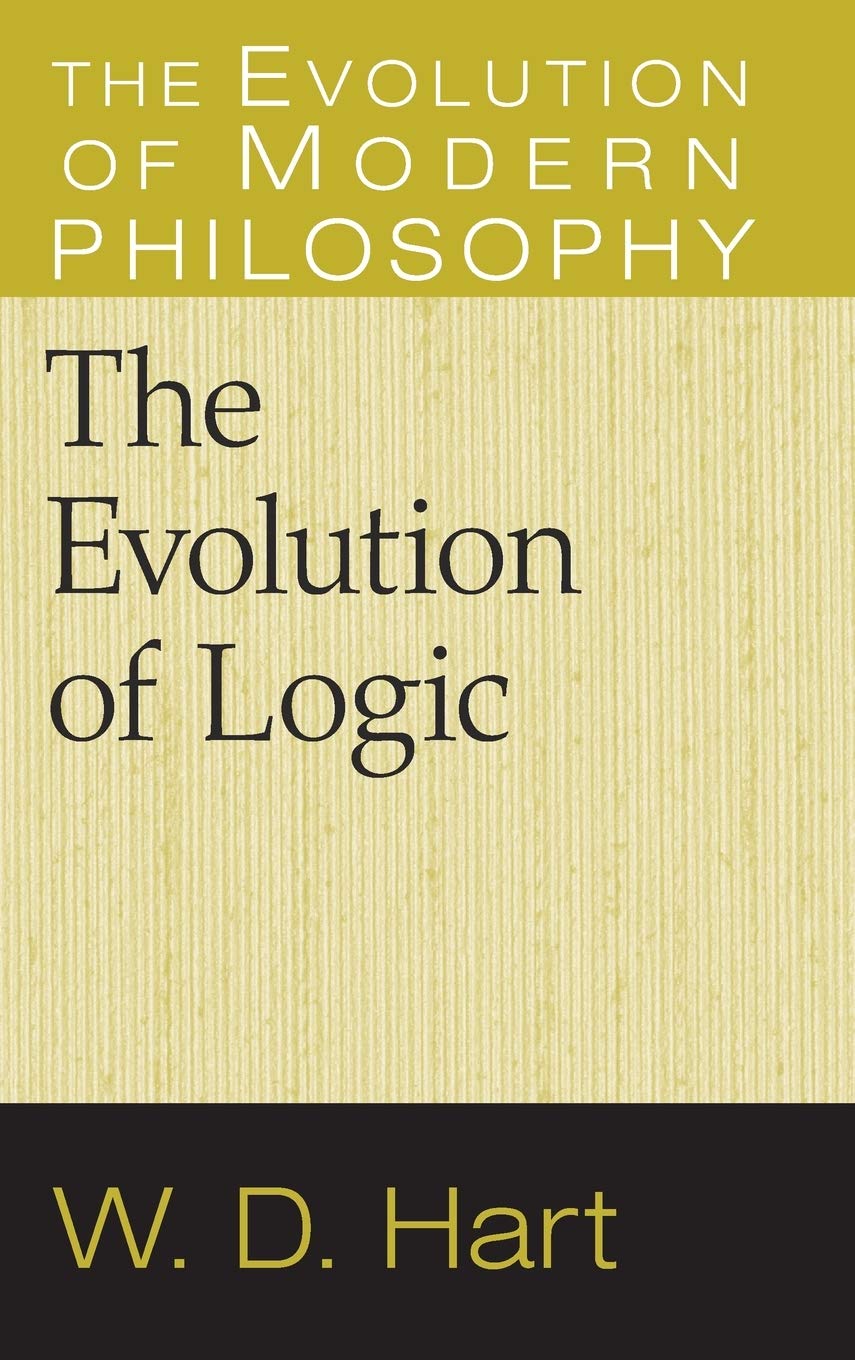
The Evolution of Logic: A Critical History of Logic and Philosophy by W. D. Hart – Essential Reading for Students of Mat
Inclusive of all applicable taxes. FREE shipping on all orders.
Available Offers
- 🚚Free Delivery — Free shipping on all orders
- 💵Cash on Delivery — Pay when your order arrives
- ↩️15-Day Easy Returns — Hassle-free return policy
- 🔒Cash on Delivery — Pay safely when your order arrives
Check Delivery
Product Description
Introduction
In the vast landscape of Indian higher education, where philosophy and mathematics often stand as separate towers of learning, The Evolution of Logic by W. D. Hart emerges as a rare bridge between these two disciplines. Published by the esteemed Cambridge University Press, this hardbound volume offers a critical and selective history of the profound collaboration between logic and philosophy over the last 150 years. For Indian students and scholars navigating the complexities of modern thought, this book provides an essential roadmap to understanding how logic reshaped our philosophical foundations.
Book Overview
This work traces the extraordinary renaissance of logic that began in the nineteenth century, a period when thinkers like Cantor nearly tamed the infinite and Frege sought to reduce mathematics to logic, challenging Kantian philosophy. The narrative captures the excitement and crisis of these developments, especially the threat posed by paradoxes such as Russell's. The book then moves beyond World War II, when mathematical logic became a specialized subdiscipline within mathematics departments, often leaving philosophers disconnected from its monumental achievements. Hart aims to reconnect philosophers with four key monuments: the consistency and independence of the continuum hypothesis, Post's problem, and Morley's theorem, making these complex ideas accessible to a philosophical audience.
Key Highlights
- Critical historical narrative spanning the golden age of logic from Cantor to Gödel
- Focus on the philosophical implications of major logical discoveries
- Accessible treatment of four central results in mathematical logic
- Bridges the gap between mathematics departments and philosophy classrooms
- Hardcover edition from Cambridge University Press, a trusted name in academic publishing
Inside the Book
The book is divided into two broad parts. The first section delves into the pre-war ferment, exploring Cantor's set theory, Frege's logicism, and the paradoxes that shook the foundations. Hart examines how these developments generated excellent philosophy by excellent philosophers and mathematicians. The second section tackles post-war logic, focusing on the tools necessary for modern scholars to engage with the monuments of the field. Each chapter is crafted to build conceptual clarity, starting from philosophical motivations and moving toward technical results, without overwhelming the reader with formalism.
Key Topics
- The Cantorian revolution and the concept of infinity
- Frege's project to reduce mathematics to logic
- Russell's paradox and the crisis in foundations
- The continuum hypothesis and its independence
- Post's problem in recursion theory
- Morley's theorem in model theory
- The relationship between logic, mathematics, and philosophy
Reader Benefits
This book empowers readers to grasp the deep connections between logical formalism and philosophical inquiry. It demystifies technical results that are often locked inside mathematics departments, offering philosophers—and curious students from any discipline—a way to appreciate the beauty and significance of modern logic. The narrative style is engaging, making heavy concepts feel light and approachable. Indian students preparing for competitive exams in philosophy or mathematics will find this a valuable reference, while researchers will appreciate the critical perspective Hart brings to historical debates.
Learning Outcomes
- Understand the historical trajectory of logic from the nineteenth century to the present
- Appreciate the philosophical stakes behind major logical theorems
- Gain familiarity with key results like the independence of the continuum hypothesis
- Develop the conceptual tools to engage with advanced logical literature
- Recognize the interplay between mathematical rigor and philosophical reasoning
Who Should Read
The Evolution of Logic is ideal for undergraduate and postgraduate students of philosophy, especially those specializing in logic, philosophy of mathematics, or history of ideas. It is equally valuable for mathematics students who wish to understand the philosophical roots of their discipline. Teachers and researchers looking for a concise yet profound survey of logic's evolution will find this book indispensable. Anyone with a curiosity about how human reason has been systematically explored over the last century and a half will be captivated by Hart's narrative.
About the Author
W. D. Hart is a distinguished philosopher and logician, known for his work in the philosophy of mathematics and logic. He has taught at the University of Illinois at Chicago and has contributed significantly to the field through his writings and teaching. His ability to translate complex logical ideas into philosophical discourse makes him a unique voice in contemporary scholarship.
About the Publisher
Cambridge University Press is one of the world's oldest and most respected academic publishers. With a legacy of disseminating knowledge since 1584, it continues to produce authoritative works in science, mathematics, and philosophy. This hardcover edition reflects the Press's commitment to quality and durability, making it a worthy addition to any serious library in India.
Conclusion
In an age where interdisciplinary understanding is more important than ever, The Evolution of Logic stands as a vital resource for Indian scholars. It not only chronicles a transformative period in intellectual history but also provides the tools to engage with the deepest questions about reason, truth, and infinity. Whether you are a student stepping into the world of logic for the first time or a seasoned researcher seeking fresh perspectives, this book offers a rewarding journey through the landscape of modern thought.
Quick Summary
The Evolution of Logic by W. D. Hart is a critical history of the collaboration between logic and philosophy from the mid-nineteenth century to the mid-twentieth. The book examines how Cantor's work on the infinite, Frege's logicism, and Russell's paradox reshaped both disciplines. Hart provides a selective account focusing on the philosophical motivations behind logical developments and the challenges posed by paradoxes. After World War II, as mathematical logic became a specialized field within mathematics, philosophers lost touch with its major achievements. This book aims to reconnect readers with four key monuments of logic, including consistency proofs. Written for advanced students and scholars of philosophy and mathematics, it offers a clear, insightful narrative that bridges technical logic and philosophical inquiry. By purchasing from Bookshops.in, Indian readers gain access to a premium hardcover edition from a trusted academic publisher, perfect for deep study and reference.
Book Highlights
Book Specifications
| ISBN-13 | 9780521766814 |
| ISBN-10 | 0521766818 |
| Publisher | Cambridge University Press |
| Language | English |
| Dimensions | 15.88 x 2.54 x 23.5 cm |
| Weight | 540 g |
| Country | India |
| Category | Philosophy › History & Surveys |
| Genre | Nonfiction |
| Original Language | English |
Frequently Asked Questions
What is 'The Evolution of Logic' about?
Who is the author of this book?
Is this book suitable for beginners in logic?
What time period does the book cover?
Does the book cover Gödel's theorems?
Is this book used in Indian universities?
What is the binding of this edition?
Is this book only about Western logic?
Can I use this book for self-study?
Does the book include exercises?
What is the price of this book?
Is the book available in paperback?
How is this book different from other logic histories?
Readers Also Search For
Customers Also Bought
Islam
Spiritual Economies (English, Daromir Rudnyckyj)

Islam
Who Is Allah? (English, Bruce B. Lawrence)
Islam
Islam and Liberal Citizenship: The Search for an Overlapping Consensus by Andrew F. March
Islam
Fiqh Us-Sunnah: Funerals and Diggers by Al-Sayyid Sabiq – Islamic Funeral Guide

Christianity
Genetics (English, Thomas a. Shannon | Mark P. Aulisio | Françoise Baylis)

Hinduism
Karma and Creativity by Christopher Key Chapple – Indian Philosophy
Related Products
View All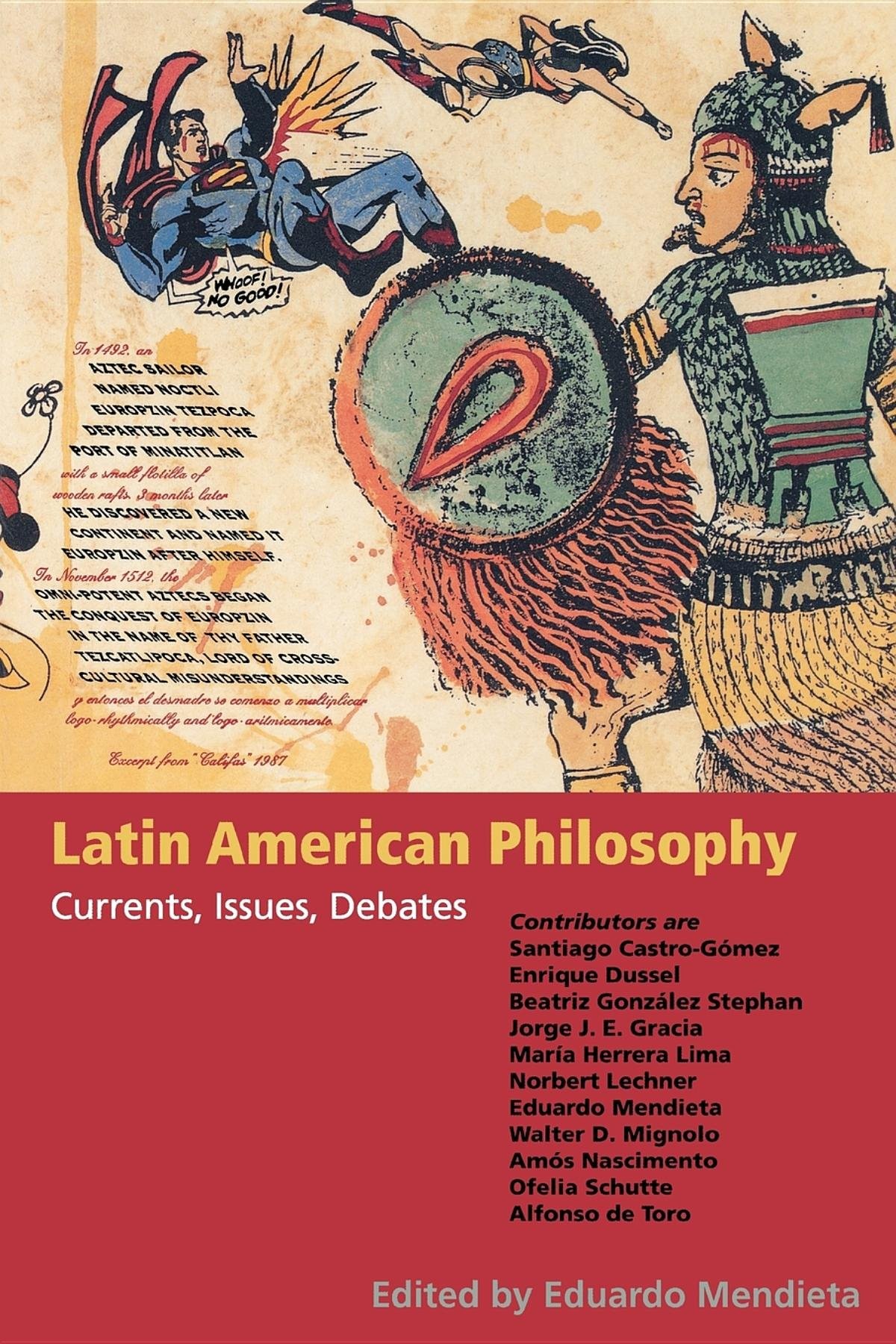
Philosophy
Latin American Philosophy: Currents, Issues, Debates by Eduardo Mendieta

Philosophy
Al-Farabi's Short Commentary on Aristotle's Prior Analytics by Nicholas Rescher – Philosophy
Philosophy
Poetics of Imagining: Modern to Post-modern by Richard Kearney
Philosophy
The Metaphysics of Extrinsic Properties: 11 (Metaphysical Research, 11)
Philosophy
Dialogues on Metaphysics and on Religion by Nicolas Malebranche – Philosophy
Philosophy