
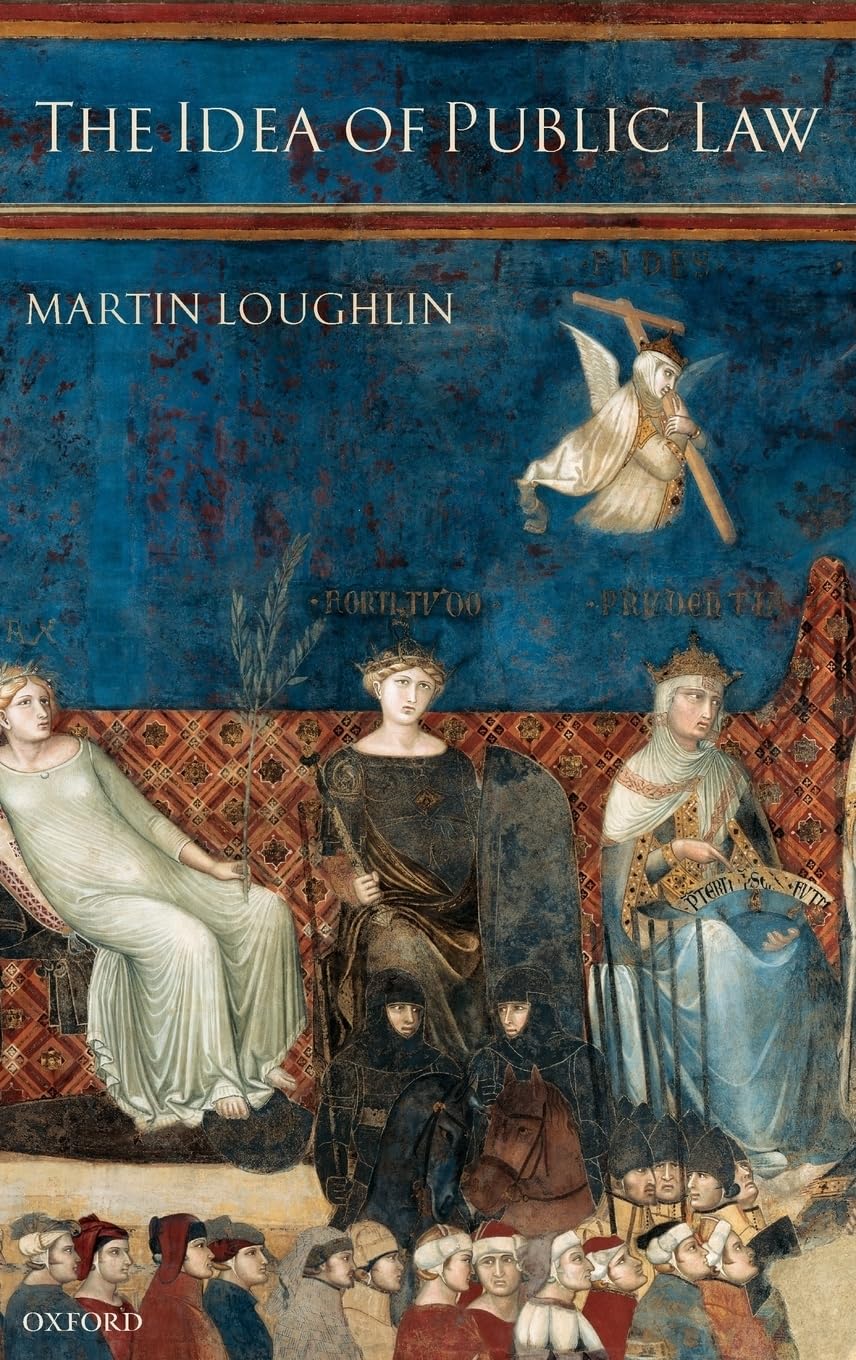
The Idea of Public Law by Martin Loughlin – A Comprehensive Legal Theory Book on the Foundations of Public Law
Inclusive of all applicable taxes. FREE shipping on all orders.
Available Offers
- 🚚Free Delivery — Free shipping on all orders
- 💵Cash on Delivery — Pay when your order arrives
- ↩️15-Day Easy Returns — Hassle-free return policy
- 🔒Cash on Delivery — Pay safely when your order arrives
Check Delivery
Product Description
Introduction
Public law forms the very foundation of governance, yet its true nature often remains elusive to students and scholars alike. Martin Loughlin’s The Idea of Public Law is a masterful exploration that cuts through the complexity, offering a clear and compelling answer to the fundamental question: what exactly is public law? This hardcover edition, published by OUP Oxford, is an essential addition to any serious law library, especially for those pursuing constitutional or administrative law in India and beyond.
Book Overview
In this rigorously argued work, Loughlin presents public law not as a mere collection of statutes and precedents, but as an autonomous discipline with its own distinctive methods, concepts, and tasks. He systematically unpacks the core ideas that give public law its unique character—governing, politics, representation, sovereignty, constituent power, and rights. By doing so, he provides a fresh and intellectually stimulating framework for understanding how public law shapes and is shaped by political authority.
Key Highlights
- Authoritative voice: Martin Loughlin is a leading scholar in public law, bringing decades of expertise to this definitive study.
- Conceptual clarity: The book demystifies abstract ideas like sovereignty and constituent power, making them accessible without oversimplification.
- Autonomous discipline: Loughlin argues convincingly that public law deserves to be studied on its own terms, separate from private law.
- Critical perspective: It challenges conventional approaches and offers a novel account that repositions public law at the heart of modern governance.
Inside the Book
The book is structured as a logical progression through the foundational elements of public law. Loughlin begins by establishing the autonomy of the discipline, then moves through the concepts of governing and politics, the role of representation, the nature of sovereignty, the idea of constituent power, and finally the place of rights. Each chapter builds on the last, creating a cohesive and persuasive argument that is both deeply theoretical and practically relevant.
Key Topics
- The autonomy of public law as a discipline
- The relationship between governing and political authority
- Representation as a constitutional principle
- Sovereignty and its limits in modern states
- Constituent power and constitutional change
- The role of rights within public law frameworks
Reader Benefits
This book offers more than just theoretical insight. For law students, it provides a solid conceptual foundation that will enhance your understanding of constitutional and administrative law courses. For legal professionals, it offers a fresh lens through which to re-examine familiar doctrines. For scholars, it opens up new avenues for research and debate. Every reader will come away with a deeper appreciation of how public law structures the relationship between the state and the individual.
Learning Outcomes
- Understand why public law is an autonomous discipline with unique methods
- Grasp the core concepts that define public law, including sovereignty and constituent power
- Analyse the interplay between politics, representation, and legal authority
- Critically evaluate the role of rights in public law systems
- Apply theoretical insights to contemporary constitutional issues in India and globally
Who Should Read
This book is ideal for law students at the undergraduate and postgraduate levels, especially those specialising in constitutional law, administrative law, or legal theory. It is equally valuable for legal academics, judges, practising lawyers, and policy professionals who wish to deepen their conceptual understanding. Anyone with an interest in the philosophical foundations of governance and the rule of law will find this work both enlightening and rewarding.
About the Author
Martin Loughlin is a professor of public law at the London School of Economics and Political Science. He is widely regarded as one of the foremost thinkers in the field, with a career dedicated to exploring the theoretical underpinnings of public law. His works have influenced legal scholarship across the Commonwealth, including in India, where his ideas on sovereignty and constituent power resonate deeply with constitutional debates.
About the Publisher
OUP Oxford is the academic publishing arm of Oxford University Press, one of the oldest and most respected publishers in the world. Known for its rigorous editorial standards and wide range of scholarly works, OUP Oxford ensures that every title, including this hardcover edition, meets the highest quality in content and production.
Conclusion
The Idea of Public Law is not just a book—it is an intellectual journey that redefines how we think about law and governance. Whether you are a student preparing for exams, a researcher building your bibliography, or a professional seeking deeper insight, this volume will challenge and inspire you. Order your copy today from Bookshops.in and add a landmark work to your collection.
Quick Summary
The Idea of Public Law by Martin Loughlin is a seminal work that redefines the study of public law as an autonomous discipline with its own conceptual toolkit. The book systematically explores the foundational elements of public law—governing, politics, representation, sovereignty, constituent power, and rights—to present a novel and cohesive theoretical framework. Loughlin argues that public law cannot be reduced to other disciplines like political science or sociology; instead, it has its own methods and tasks. This book is ideal for advanced law students, legal researchers, and anyone interested in the philosophical underpinnings of constitutional and administrative law. For Indian readers, the book offers deep insights into concepts that are central to India's constitutional order, such as sovereignty and constituent power. By purchasing from Bookshops.in, you receive an authentic hardcover edition from OUP Oxford, ensuring a premium reading experience. Readers will gain a profound understanding of how public law structures political authority and legal rights, making this an indispensable addition to any legal library.
Book Highlights
Book Specifications
| ISBN-13 | 9780199267231 |
| ISBN-10 | 0199267235 |
| Publisher | OUP Oxford |
| Language | English |
| Dimensions | 23.62 x 1.78 x 15.75 cm |
| Weight | 454 g |
| Category | Political Science › Political History |
| Genre | Non-fiction |
| Original Language | English |
Frequently Asked Questions
What is The Idea of Public Law about?
Who is the author of this book?
Is this book suitable for Indian law students?
Does the book cover constituent power?
Is this book available in paperback?
What is the price of this book?
Can I use this book for my LLM thesis?
Does the book discuss rights?
What is the language of the book?
Is there a digital edition available?
What is the ISBN?
Why buy from Bookshops.in?
Readers Also Search For
Customers Also Bought

Constitutional Law
Indigenous law and the state
Constitutional Law
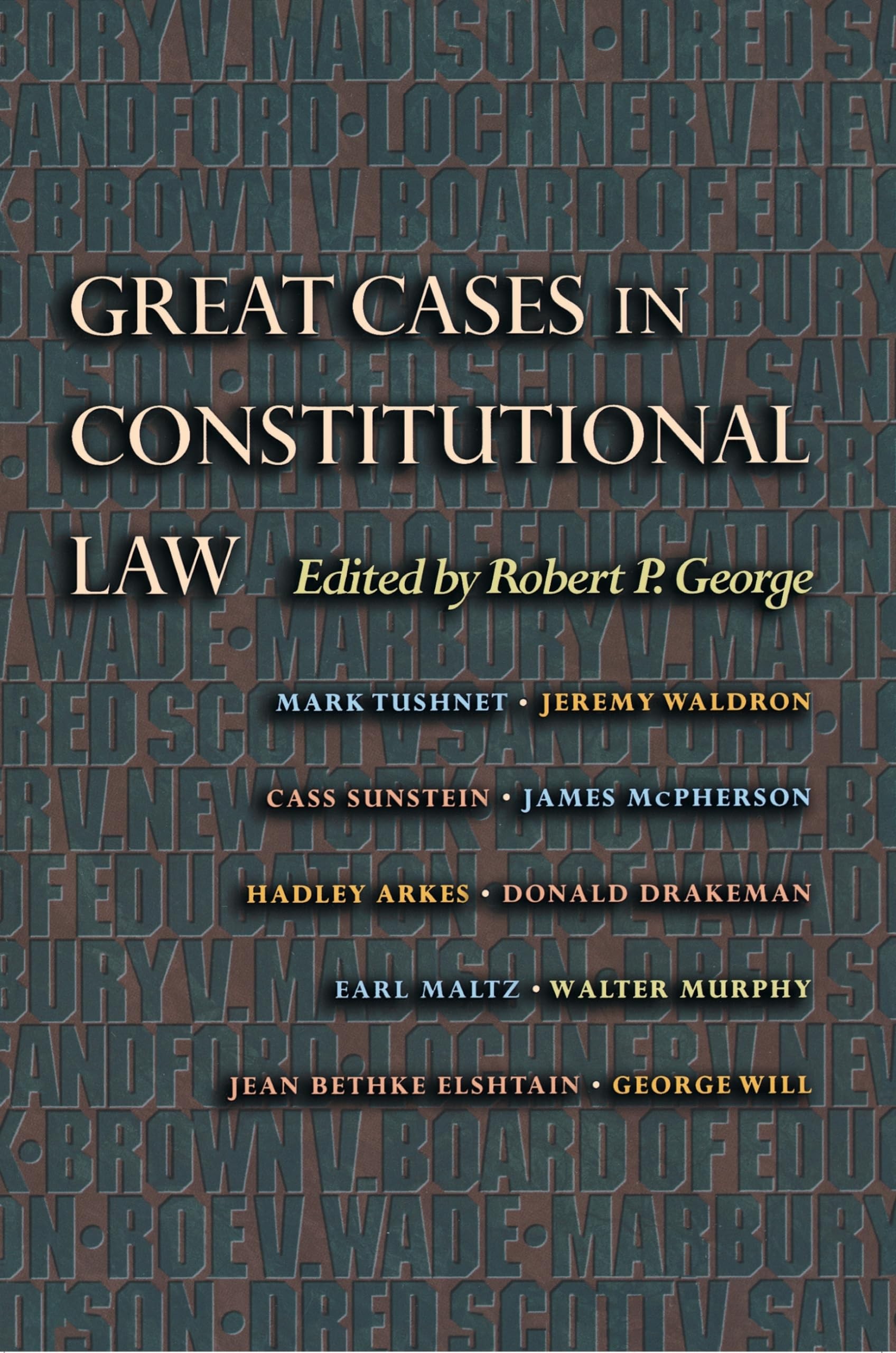
Great Cases in Constitutional Law (English, Robert P. George)
Constitutional Law
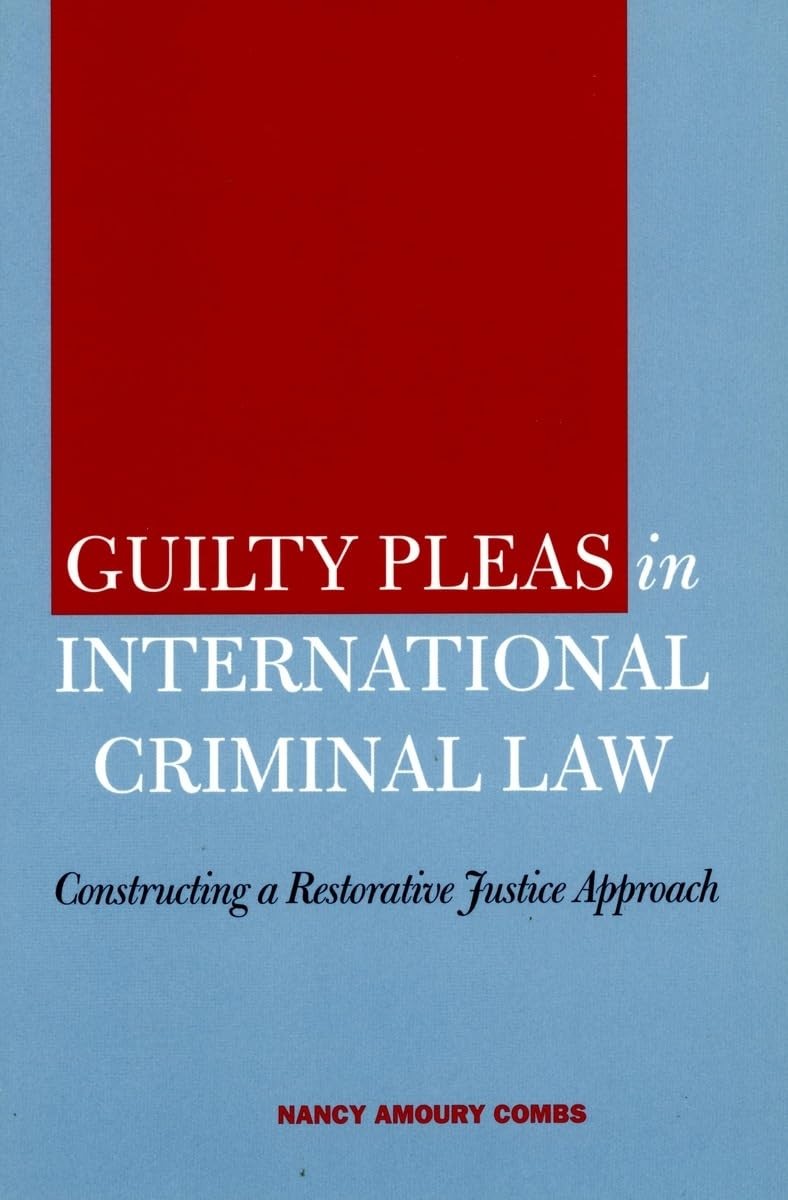
Guilty Pleas in International Criminal Law (English, Nancy Amoury Combs)

Constitutional Law
The Growth of the Law by Benjamin N. Cardozo – Jurisprudence

Constitutional Law
Court of Injustice: Law Without Recognition in U.S. Immigration by J. C. Salyer

Constitutional Law
Youth: Learning Through Cases
Related Products
View All
Law
Mediasport | by Lawrence Wenner | Routledge | by Lawrence Wenner | Routledge | by Lawrence Wenner | Routledge | by Lawrence Wenner | Routledge | by Lawrence Wenner | Routledge | by Lawrence Wenner | Routledge | by Lawrence Wenner | Routledge | by Lawrence Wenner | Routledge | by Lawrence Wenner | Routledge | by Lawrence Wenner | Routledge | by Lawrence Wenner | Routledge | by Lawrence Wenner | Routledge | by Lawrence Wenner | Routledge | by Lawrence Wenner | Routledge | by Lawrence Wenner | Rout

Law
Human Rights Diplomacy | by Rein Mullerson | Routledge | by Rein Mullerson | Routledge | by Rein Mullerson | Routledge | by Rein Mullerson | Routledge | by Rein Mullerson | Routledge | by Rein Mullerson | Routledge | by Rein Mullerson | Routledge | by Rein Mullerson | Routledge | by Rein Mullerson | Routledge | by Rein Mullerson | Routledge | by Rein Mullerson | Routledge | by Rein Mullerson | Routledge | by Rein Mullerson | Routledge | by Rein Mullerson | Routledge | by Rein Mullerson | Routled
Law
Rome the Law-Giver | by Declareuil J. | Routledge | by Declareuil J. | Routledge | by Declareuil J. | Routledge | by Declareuil J. | Routledge | by Declareuil J. | Routledge | by Declareuil J. | Routledge | by Declareuil J. | Routledge | by Declareuil J. | Routledge | by Declareuil J. | Routledge | by Declareuil J. | Routledge | by Declareuil J. | Routledge | by Declareuil J. | Routledge | by Declareuil J. | Routledge | by Declareuil J. | Routledge | by Declareuil J. | Routledge | by Declareuil

Law
Human Rights and Gender Politics | by Anne-Marie Hilsdon | Martha MacIntyre | Vera MacKie | Routledge | by Anne-Marie Hilsdon | Martha MacIntyre | Vera MacKie | Routledge | by Anne-Marie Hilsdon | Martha MacIntyre | Vera MacKie | Routledge | by Anne-Marie Hilsdon | Martha MacIntyre | Vera MacKie | Routledge | by Anne-Marie Hilsdon | Martha MacIntyre | Vera MacKie | Routledge | by Anne-Marie Hilsdon | Martha MacIntyre | Vera MacKie | Routledge | by Anne-Marie Hilsdon | Martha MacIntyre | Vera Mac

Law
Politics of Human Rights in Southeast Asia | by Philip J. Eldridge | Routledge | by Philip J. Eldridge | Routledge | by Philip J. Eldridge | Routledge | by Philip J. Eldridge | Routledge | by Philip J. Eldridge | Routledge | by Philip J. Eldridge | Routledge | by Philip J. Eldridge | Routledge | by Philip J. Eldridge | Routledge | by Philip J. Eldridge | Routledge | by Philip J. Eldridge | Routledge | by Philip J. Eldridge | Routledge | by Philip J. Eldridge | Routledge | by Philip J. Eldridge |

Law