
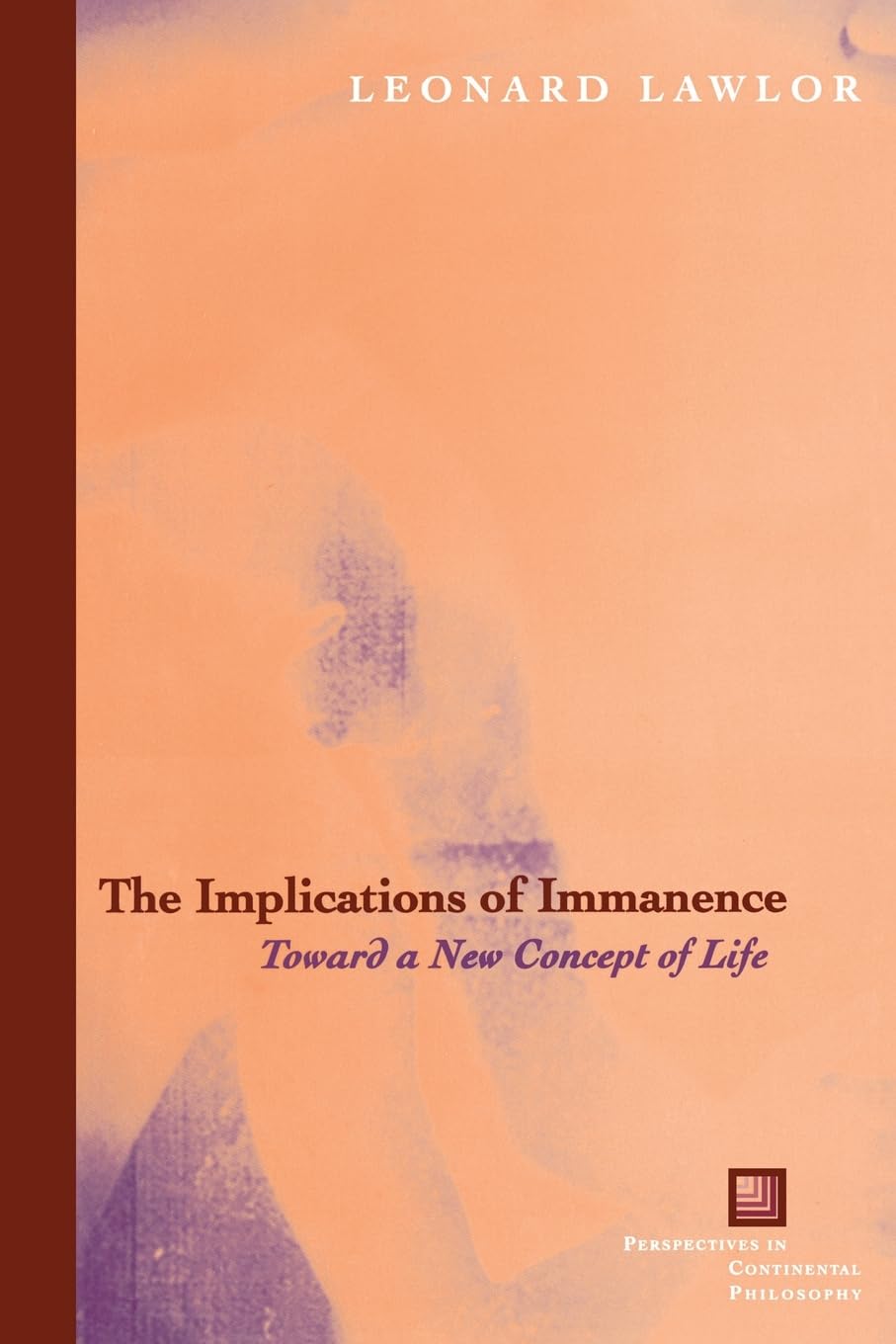
The Implications of Immanence: Toward a New Concept of Life by Leonard Lawlor – A Post-Phenomenological Exploration of L
Inclusive of all applicable taxes. FREE shipping on all orders.
Available Offers
- 🚚Free Delivery — Free shipping on all orders
- 💵Cash on Delivery — Pay when your order arrives
- ↩️15-Day Easy Returns — Hassle-free return policy
- 🔒Cash on Delivery — Pay safely when your order arrives
Check Delivery
Product Description
Introduction
In an era where the boundaries between life, politics, and philosophy are increasingly blurred, Leonard Lawlor’s The Implications of Immanence: Toward a New Concept of Life offers a bold and rigorous rethinking of what it means to live. This hardcover volume, published by Fordham University Press, is an essential read for students and scholars of law, philosophy, and critical theory. Lawlor challenges the dominant discourse of biopower and bare life, presenting instead a vision of life that embraces its own fragility and finitude. For Indian readers navigating questions of ethics, justice, and existence, this book provides a profound framework to understand life beyond mere biological survival.
Book Overview
The Implications of Immanence is not just a critique of existing philosophies; it is a constructive project that charts a path beyond phenomenology. Lawlor develops what he calls a “life-ism,” a positive philosophy that thinks life and death together, rejecting any simple vitalism. The book is deeply engaged with the works of key French thinkers such as Michel Foucault, Gilles Deleuze, and Jacques Derrida, yet it forges its own unique trajectory. Central to the argument is the idea of a “minuscule hiatus” — a tiny gap within the living present that separates lived experience from the living body. This hiatus introduces a blind spot into perception, making life inherently open to alterity and transformation. Lawlor’s work is a rigorous, meticulously argued text that will appeal to anyone interested in contemporary continental philosophy, political theory, and the ethics of life.
Key Highlights
- Original philosophical framework: Develops a new concept of life that goes beyond biopower and bare life, offering a positive alternative to reductionist views.
- Engagement with major thinkers: Provides extensive, carefully documented discussions of Foucault, Deleuze, Derrida, and Giorgio Agamben, making it a valuable resource for advanced study.
- Interdisciplinary relevance: Bridges philosophy, law, political theory, and ethics, making it suitable for a wide range of academic disciplines.
- Rigorous argumentation: Each chapter is built on close readings and logical progression, ensuring depth and clarity for serious readers.
- Hardcover quality: A durable, premium edition from Fordham University Press, ideal for library collections and long-term reference.
Inside the Book
The book is structured around a series of carefully argued chapters that move from critique to construction. Lawlor begins by examining the limitations of phenomenology, particularly its inability to account for the dispersion of death within life. He then turns to the concept of immanence, drawing on Deleuze and Spinoza to articulate a plane of life that is not transcendent or hierarchical. The middle sections explore the “minuscule hiatus” and its implications for perception, time, and embodiment. Later chapters develop the notion of “life-ism” as a positive project, showing how thinking life and death together can lead to new ethical and political possibilities. The conclusion ties these threads together, emphasizing the unpredictability of immanence and its potential for opening up new ways of living.
Key Topics
- Biopower and bare life
- Immanence and transcendence in philosophy
- The phenomenology of perception and the blind spot
- Death as dispersed within life
- Post-phenomenological French philosophy
- Ethics of finitude and alterity
- Life-ism versus vitalism
- The works of Foucault, Deleuze, Derrida, and Agamben
Reader Benefits
This book offers readers a chance to engage with one of the most original philosophical projects of recent years. By challenging the dominance of biopolitical thought, Lawlor provides tools to rethink the value of life in contexts of legal and political struggle. Indian students and scholars will find the book particularly relevant for understanding contemporary debates around sovereignty, human rights, and ecological ethics. The rigorous yet accessible style ensures that even complex ideas are presented with clarity, making it a rewarding read for both advanced researchers and motivated postgraduate students.
Learning Outcomes
- Gain a deep understanding of the limitations of phenomenology and the need for a new concept of life.
- Learn to critically engage with the works of Foucault, Deleuze, Derrida, and Agamben on life and politics.
- Develop the ability to articulate the concept of immanence and its implications for ethics and law.
- Understand the “minuscule hiatus” as a key philosophical tool for rethinking perception, time, and embodiment.
- Acquire the vocabulary and framework to participate in contemporary debates on biopower, bare life, and post-humanism.
Who Should Read
The Implications of Immanence is ideal for postgraduate students and academics in philosophy, political theory, legal studies, and critical theory. It will also appeal to researchers working on continental philosophy, French thought, and the ethics of life. For Indian readers interested in the intersections of law, life, and power, this book offers a sophisticated yet grounded approach that is both challenging and rewarding.
About the Author
Leonard Lawlor is a distinguished philosopher and professor of philosophy at the University of Memphis. He is a leading scholar of contemporary French philosophy, with numerous books and articles on Deleuze, Derrida, Foucault, and phenomenology. His work is known for its precision, depth, and commitment to rethinking fundamental concepts. Lawlor’s writing bridges the gap between rigorous scholarship and accessible prose, making his ideas available to a wide academic audience.
About the Publisher
Fordham University Press, based in New York, is a prestigious academic publisher known for its contributions to philosophy, theology, and the humanities. With a commitment to scholarly excellence, the press publishes works that shape intellectual discourse across disciplines. This hardcover edition reflects their high standards of production and editorial care.
Conclusion
The Implications of Immanence: Toward a New Concept of Life is a landmark work that redefines how we think about life, death, and politics. Leonard Lawlor’s meticulous argumentation and original insights make this book an indispensable resource for anyone serious about contemporary philosophy. For Indian readers seeking to engage with global debates on biopower, ethics, and existence, this hardcover volume from Fordham University Press is a vital addition to any library. Order your copy today from Bookshops.in and explore a new horizon of thought.
Quick Summary
The Implications of Immanence: Toward a New Concept of Life by Leonard Lawlor is a groundbreaking work in continental philosophy that challenges the dominant paradigm of bio-power and bare life. Lawlor, a leading scholar of French thought, develops a post-phenomenological philosophy centered on the concept of immanence. He introduces the 'minuscule hiatus'—a tiny division within the living present that reveals death as integral to life, thereby rejecting both biologism and vitalism. The book engages deeply with thinkers like Agamben, Foucault, Deleuze, and Derrida, offering a new ethical framework called 'life-ism.' This book is ideal for graduate students, researchers, and academics in philosophy, political theory, and cultural studies who seek to understand life beyond power relations. Readers will gain critical tools to analyze contemporary bio-politics and explore alternative concepts of life. By purchasing from Bookshops.in, Indian readers receive an authentic hardcover edition with prompt service and competitive pricing.
Book Highlights
Book Specifications
| ISBN-13 | 9780823226542 |
| ISBN-10 | 0823226549 |
| Publisher | Fordham University Press |
| Language | English |
| Dimensions | 14.61 x 1.91 x 22.23 cm |
| Weight | 318 g |
| Category | Philosophy › History & Surveys |
| Genre | Non-fiction |
| Original Language | English |
Frequently Asked Questions
What is the main argument of The Implications of Immanence?
Who is Leonard Lawlor?
Is this book suitable for beginners in philosophy?
How does Lawlor engage with Giorgio Agamben?
What does 'minuscule hiatus' mean?
Does the book discuss Foucault?
What is 'life-ism'?
Is this a hardcover edition?
What is the ISBN?
Can I use this book for my PhD research?
Does the book have reviews?
Why buy from Bookshops.in?
Readers Also Search For
Customers Also Bought
Islam
Spiritual Economies (English, Daromir Rudnyckyj)

Islam
Who Is Allah? (English, Bruce B. Lawrence)
Islam
Islam and Liberal Citizenship: The Search for an Overlapping Consensus by Andrew F. March

Islam
Fiqh Us-Sunnah: Funerals and Diggers by Al-Sayyid Sabiq – Islamic Funeral Guide

Christianity
Genetics (English, Thomas a. Shannon | Mark P. Aulisio | Françoise Baylis)

Hinduism
Karma and Creativity by Christopher Key Chapple – Indian Philosophy
Related Products
View All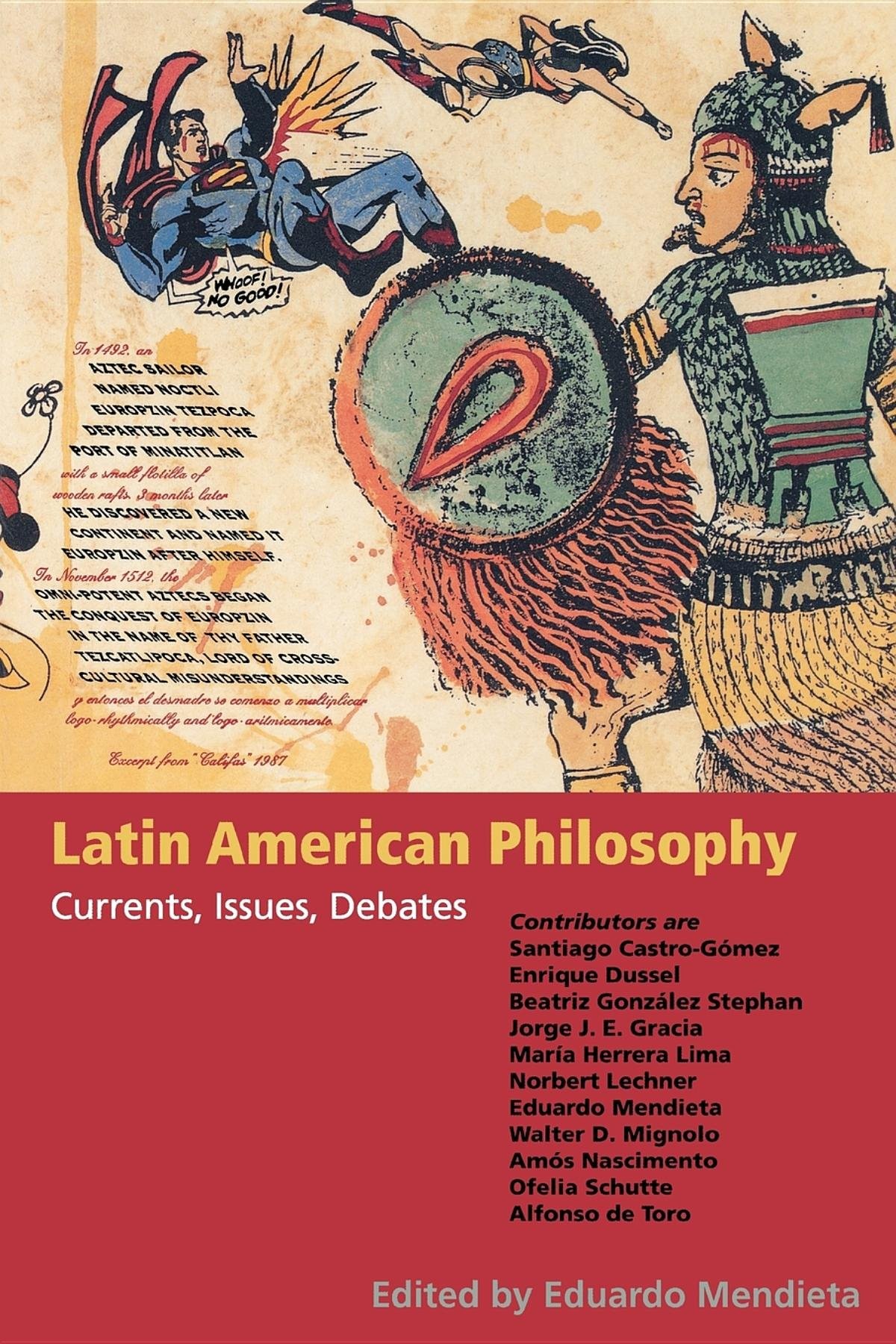
Philosophy
Latin American Philosophy: Currents, Issues, Debates by Eduardo Mendieta

Philosophy
Al-Farabi's Short Commentary on Aristotle's Prior Analytics by Nicholas Rescher – Philosophy
Philosophy
Poetics of Imagining: Modern to Post-modern by Richard Kearney
Philosophy
The Metaphysics of Extrinsic Properties: 11 (Metaphysical Research, 11)
Philosophy
Dialogues on Metaphysics and on Religion by Nicolas Malebranche – Philosophy
Philosophy