
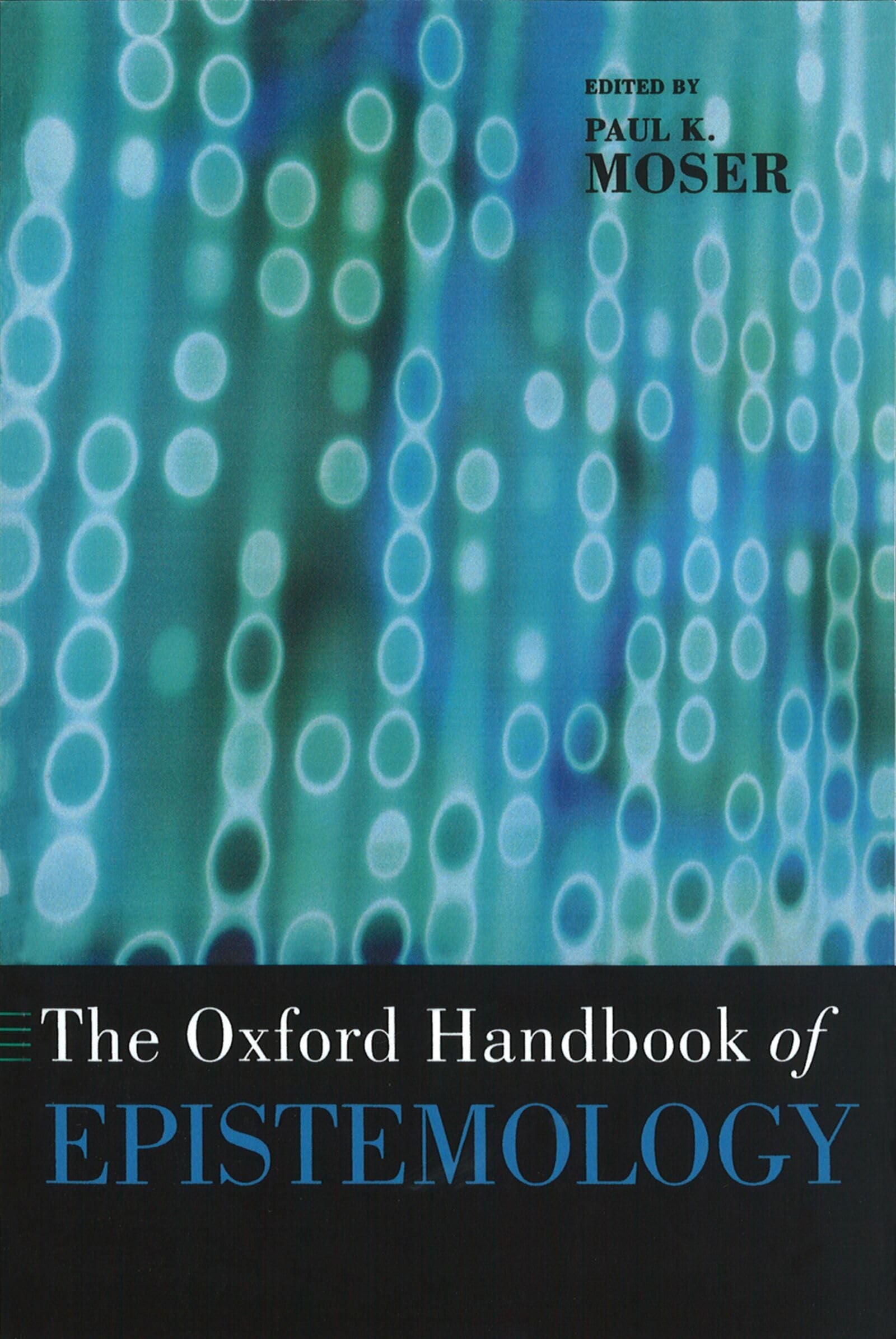
The Oxford Handbook of Epistemology by Paul K. Moser – A Definitive Guide to the Theory of Knowledge for Students and Sc
Inclusive of all applicable taxes. FREE shipping on all orders.
Available Offers
- 🚚Free Delivery — Free shipping on all orders
- 💵Cash on Delivery — Pay when your order arrives
- ↩️15-Day Easy Returns — Hassle-free return policy
- 🔒Cash on Delivery — Pay safely when your order arrives
Check Delivery
Product Description
Introduction
Epistemology—the philosophical study of knowledge—is one of the most foundational branches of philosophy. For students, scholars, and curious minds in India seeking a rigorous yet accessible guide to this complex field, The Oxford Handbook of Epistemology stands as an indispensable resource. Edited by the distinguished philosopher Paul K. Moser and published by Oxford University Press, this hardcover volume brings together nineteen original, previously unpublished chapters written by today's leading epistemologists. It offers a comprehensive survey of the key ideas, problems, and debates that define contemporary epistemology, all while remaining approachable for advanced undergraduates, graduate students, and professional philosophers alike.
Book Overview
This handbook is not merely a collection of summaries; it is a work of original scholarship that pushes the boundaries of epistemological inquiry. Each chapter functions both as a critical introduction to a major topic and as a fresh contribution to ongoing discussions. The volume covers a wide spectrum—from the nature of knowledge and justification to scepticism, belief, and the ethics of belief. It avoids overly technical jargon, making it suitable for Indian readers who are new to the subject, while still offering depth for those already familiar with philosophical discourse. Whether you are preparing for competitive exams, writing a research paper, or simply nurturing a passion for philosophy, this book provides a solid foundation.
Key Highlights
- Original Contributions: Nineteen specially commissioned chapters from renowned philosophers, offering cutting-edge perspectives.
- Comprehensive Scope: Covers foundational theories, contemporary debates, and emerging trends in epistemology.
- Accessible Writing: Written in clear, engaging prose that balances rigour with readability.
- Academic Authority: Published by Oxford University Press, a name synonymous with scholarly excellence worldwide.
- Durable Hardcover: A sturdy edition built to last through years of study and reference.
Inside the Book
Inside this volume, readers will find carefully structured chapters that explore the core questions of epistemology: What does it mean to know something? How do we justify our beliefs? Can we ever be certain? The contributors address these questions from multiple angles, including internalism and externalism, foundationalism and coherentism, and the role of perception and memory. The book also delves into applied epistemology, such as social epistemology and the epistemology of testimony, which are especially relevant in today's information-rich world. Each chapter includes references and suggestions for further reading, guiding Indian students toward deeper study.
Key Topics
- The nature and structure of knowledge
- Theories of justification and rationality
- Scepticism and the limits of knowledge
- Perception, memory, and introspection
- Social epistemology and testimony
- The ethics of belief and epistemic responsibility
- Modal epistemology and knowledge of possibilities
Reader Benefits
- Build a Strong Foundation: Gain a clear understanding of the central concepts and debates in epistemology.
- Enhance Critical Thinking: Learn to analyse arguments, evaluate evidence, and question assumptions—skills vital for academic and professional success.
- Prepare for Examinations: Ideal for UGC-NET, UPSC philosophy optional, and university coursework in Indian colleges.
- Save Time: A single volume replaces multiple textbooks, offering a curated overview of the entire field.
- Join a Scholarly Conversation: Engage with the same ideas discussed in top philosophy departments around the world.
Learning Outcomes
By studying this handbook, readers will be able to: articulate the major theories of knowledge and justification; critically evaluate sceptical arguments; apply epistemological concepts to real-world issues such as fake news and intellectual humility; identify the strengths and weaknesses of different epistemological positions; and conduct independent research in philosophy with confidence. The book also fosters a deeper appreciation for the value of intellectual inquiry in everyday life.
Who Should Read
- Philosophy Students: Undergraduate and postgraduate students in Indian universities seeking a comprehensive textbook.
- Researchers and Academics: Scholars looking for a reliable reference work and fresh perspectives.
- Competitive Exam Aspirants: Candidates preparing for UGC-NET, UPSC, or state-level exams with a philosophy component.
- General Readers: Anyone with a curiosity about what it means to know and how we can trust our beliefs.
About the Author
Paul K. Moser is a professor of philosophy at Loyola University Chicago and a leading figure in contemporary epistemology and philosophy of religion. He has authored numerous influential books, including Knowledge and Evidence and Philosophy after Objectivity, and has edited several prestigious handbooks. His work is known for its clarity, depth, and engagement with both analytic and existential traditions. Moser's editorial expertise ensures that this handbook maintains a high standard of scholarship while remaining accessible to a diverse readership.
About the Publisher
Oxford University Press (OUP) is the world's largest university press, with a history dating back to 1586. OUP is renowned for publishing authoritative reference works, academic textbooks, and scholarly monographs across all disciplines. Its Oxford Handbooks series is particularly respected for bringing together the best minds in a field to produce definitive, up-to-date surveys. Indian readers can trust OUP for rigorous editorial standards and global academic excellence.
Conclusion
The Oxford Handbook of Epistemology is more than a book—it is an invitation to think deeply about the very foundations of human knowledge. For Indian students and scholars, it offers a rare combination of breadth, originality, and accessibility. Whether you are taking your first steps into philosophy or seeking to deepen your expertise, this hardcover volume will serve as a trusted companion on your intellectual journey. Add it to your library today and begin exploring the timeless questions that shape our understanding of the world.
Quick Summary
The Oxford Handbook of Epistemology, edited by Paul K. Moser, is an authoritative collection of 19 original essays written by leading figures in the field. It provides a comprehensive yet accessible survey of contemporary epistemology, covering central topics such as the nature of knowledge, epistemic justification, skepticism, and the social dimensions of knowing. Designed for advanced undergraduates, graduate students, and professional philosophers, the handbook balances depth with clarity, avoiding unnecessary technicality while engaging with cutting-edge debates. Readers will gain a solid grounding in both classical and emerging issues, including virtue epistemology, epistemic value, and naturalized epistemology. This hardcover edition is ideal for Indian students preparing for university courses or competitive exams like NET/SET, as well as for scholars seeking a reliable reference. By purchasing from Bookshops.in, you receive an authentic Oxford University Press edition with prompt delivery across India, making it a valuable addition to any philosophy library.
Book Highlights
Book Specifications
| ISBN-13 | 9780195301700 |
| ISBN-10 | 0195301706 |
| Publisher | OUP USA |
| Language | English |
| Dimensions | 23.67 x 18.54 x 4.04 cm |
| Weight | 930 g |
| Country | India |
| Category | Philosophy › Epistemology |
| Series | Oxford Handbooks |
| Genre | Philosophy |
| Original Language | English |
Frequently Asked Questions
What is The Oxford Handbook of Epistemology about?
Who edited this handbook?
Is this book suitable for beginners?
What is the ISBN-13?
Is this book available in paperback?
Can I use this book for NET/SET philosophy exams?
Does the book include references?
Who are some contributors to the handbook?
What is the price of the book?
Is this book part of a series?
What topics does the book cover?
Is the language easy to understand?
Why should I buy from Bookshops.in?
Readers Also Search For
Customers Also Bought
Islam
Spiritual Economies (English, Daromir Rudnyckyj)

Islam
Who Is Allah? (English, Bruce B. Lawrence)
Islam
Islam and Liberal Citizenship: The Search for an Overlapping Consensus by Andrew F. March

Islam
Fiqh Us-Sunnah: Funerals and Diggers by Al-Sayyid Sabiq – Islamic Funeral Guide

Christianity
Genetics (English, Thomas a. Shannon | Mark P. Aulisio | Françoise Baylis)

Hinduism
Karma and Creativity by Christopher Key Chapple – Indian Philosophy
Related Products
View All
Philosophy
Latin American Philosophy: Currents, Issues, Debates by Eduardo Mendieta

Philosophy
Al-Farabi's Short Commentary on Aristotle's Prior Analytics by Nicholas Rescher – Philosophy
Philosophy
Poetics of Imagining: Modern to Post-modern by Richard Kearney

Philosophy
The Metaphysics of Extrinsic Properties: 11 (Metaphysical Research, 11)
Philosophy
Dialogues on Metaphysics and on Religion by Nicolas Malebranche – Philosophy
Philosophy