
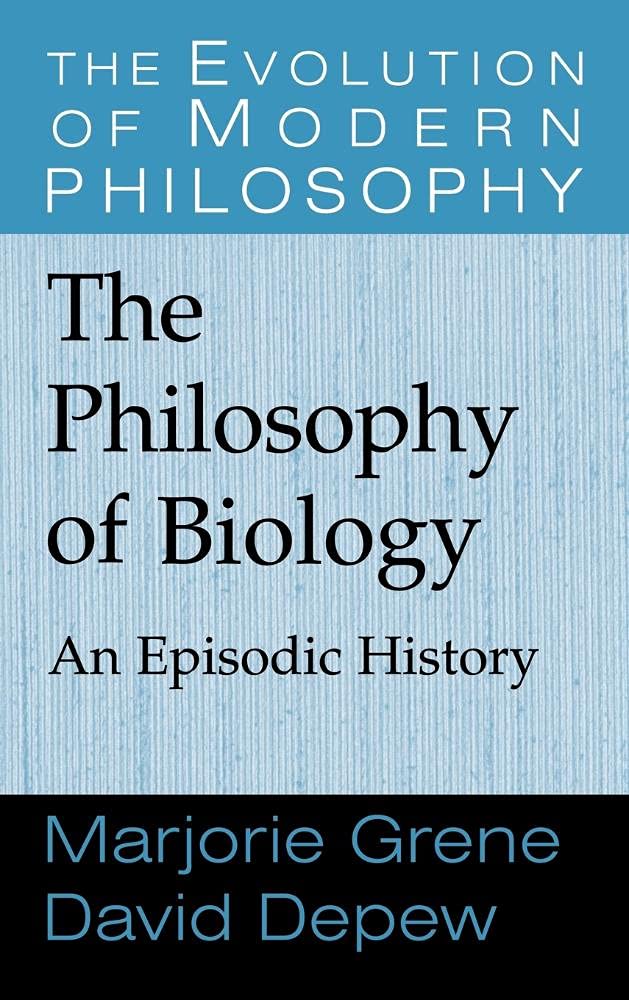
The Philosophy of Biology: An Episodic History by Marjorie Grene – A Comprehensive Journey Through Science and Thought
Inclusive of all applicable taxes. FREE shipping on all orders.
Available Offers
- 🚚Free Delivery — Free shipping on all orders
- 💵Cash on Delivery — Pay when your order arrives
- ↩️15-Day Easy Returns — Hassle-free return policy
- 🔒Cash on Delivery — Pay safely when your order arrives
Check Delivery
Product Description
Introduction
What does it truly mean to be alive? Is life just a complex arrangement of atoms, or does it possess something that sets it apart from the inanimate world? For students, researchers, and curious minds in India, The Philosophy of Biology: An Episodic History offers a profound journey into these very questions. Written by the eminent philosopher Marjorie Grene, this hardcover volume from Cambridge University Press is not just a book—it is an intellectual adventure that traces the deepest conversations between biology and philosophy across centuries. Whether you are a science student in Delhi, a philosophy enthusiast in Mumbai, or a teacher in Bangalore, this book will transform how you think about life, science, and knowledge itself.
Book Overview
This is not a dry textbook. Instead, it is a carefully crafted narrative that moves through pivotal episodes in the history of biological thought. Beginning with Aristotle, the father of biology, the book explores how his ideas about life and purpose shaped Western science. It then leaps to Descartes and Harvey, contrasting mechanistic and vitalist views. The journey continues through Buffon and Kant in the eighteenth century, the dramatic Cuvier–Geoffroy debate in the nineteenth, and the revolutionary impact of Darwin. Later chapters delve into the evolutionary synthesis, the species problem, and the tension between reductionism and holism. The final reflections tie everything back to the philosophy of science itself, making this a truly comprehensive work.
Key Highlights
- Episodic Structure: Each chapter focuses on a key historical moment, making complex ideas accessible and engaging.
- Dialogue Between Disciplines: The book bridges biology and philosophy without sacrificing depth in either field.
- Classic Thinkers Revisited: Aristotle, Descartes, Kant, Darwin, and Mendel are examined through a fresh philosophical lens.
- Relevance to Modern Science: Topics like reductionism, teleology, and function are directly linked to contemporary debates in genetics and evolutionary biology.
- Authoritative Authorship: Marjorie Grene was a leading philosopher of biology, and her expertise shines through every page.
Inside the Book
The book is organized into clearly defined chapters, each dedicated to a specific episode. You will find detailed discussions of Aristotle’s biological works, Harvey’s discovery of blood circulation, and Descartes’ mechanistic philosophy. The chapters on Buffon and Kant explore how natural history and critical philosophy intersected. The Cuvier–Geoffroy debate is presented with dramatic flair, showing how functional and structural approaches clashed. Pre-Darwinian geology and natural theology set the stage for Darwin’s revolution. The transition from Darwin to Mendelism is carefully traced, and the evolutionary synthesis is analyzed in depth. Later chapters tackle the species problem, the reducibility of biology to physics, and the role of function and teleology in biological explanation.
Key Topics
- Life and Non-Life: What criteria distinguish living from non-living systems?
- Mechanism vs. Vitalism: The historical debate between Descartes and Harvey, and its modern echoes.
- Natural Theology and Design: How pre-Darwinian thinkers reconciled biology with religious belief.
- Darwinian Evolution: The philosophical implications of natural selection and common descent.
- The Species Problem: What is a species? Is it a real category or a human construct?
- Reductionism: Can biology be fully explained by physics and chemistry?
- Function and Teleology: Why do organisms appear to have purpose, and how should science treat this?
Reader Benefits
This book is designed to sharpen your critical thinking. You will learn to ask better questions about science, not just accept facts. It helps you see the hidden assumptions behind biological theories and appreciate how historical context shapes scientific knowledge. For Indian students preparing for competitive exams or writing research papers, this book offers a unique perspective that goes beyond standard curricula. It also enriches classroom discussions and provides a solid foundation for anyone interested in the philosophy of science. The episodic format makes it easy to read in parts, and the hardcover binding ensures durability for years of reference.
Learning Outcomes
- Understand the major philosophical questions that have driven biological thought from Aristotle to the present.
- Analyze key historical debates, such as the Cuvier–Geoffroy controversy and the Darwinian revolution.
- Evaluate arguments for and against reductionism in biology.
- Critically assess concepts like function, teleology, and species in light of modern science.
- Connect philosophical ideas to contemporary issues in genetics, ecology, and evolutionary theory.
Who Should Read
This book is ideal for undergraduate and postgraduate students in biology, philosophy, and history of science. It is also highly valuable for teachers and professors who want to bring a philosophical dimension to their lectures. Research scholars working on interdisciplinary topics will find it an essential reference. General readers with a strong interest in science and ideas will also enjoy the clear, engaging narrative. If you are someone who loves to ponder the big questions—Why are we here? What is life?—this book is for you.
About the Author
Marjorie Grene (1910–2009) was one of the foremost philosophers of biology of the twentieth century. She studied under Martin Heidegger and Karl Jaspers, and later taught at the University of California, Davis, and Virginia Tech. Her work bridged continental and analytic philosophy, and she wrote extensively on topics ranging from existentialism to evolutionary theory. Grene was known for her clarity, rigor, and willingness to challenge orthodoxies. Her co-author, who assisted with later editions, brings additional expertise in the history of biology. Together, they have created a work that remains a classic in the field.
About the Publisher
Cambridge University Press is one of the oldest and most respected academic publishers in the world. Founded in 1534, it has a long tradition of publishing groundbreaking works in science, philosophy, and the humanities. This hardcover edition reflects their commitment to quality, with durable binding and clear typography that makes reading a pleasure. For Indian readers, Cambridge University Press ensures that the book meets international standards of scholarship while being accessible to a global audience.
Conclusion
The Philosophy of Biology: An Episodic History is more than a book—it is an invitation to think deeply about life, science, and the nature of knowledge. Whether you are a student in Kolkata preparing for a seminar, a researcher in Hyderabad exploring evolutionary theory, or a lifelong learner in Chennai, this volume will enrich your understanding and spark new questions. With its engaging narrative, rigorous analysis, and historical sweep, it deserves a place on the bookshelf of every serious thinker. Order your copy from Bookshops.in today and embark on a journey that connects the wisdom of the past with the science of the present.
Quick Summary
The Philosophy of Biology: An Episodic History by Marjorie Grene is a scholarly exploration of the philosophical questions that have shaped the science of biology. Rather than a dry chronological account, the book uses key episodes from history to examine how thinkers have grappled with the nature of life, the distinction between living and non-living, and the methods appropriate for studying organisms. Starting with Aristotle, the narrative moves through Descartes and Harvey, then to Buffon and Kant in the 18th century, and into the 19th century with the Cuvier-Geoffroy debate, pre-Darwinian geology, and natural theology. The impact of Darwin is given significant attention, followed by the transition to Mendelism and the evolutionary synthesis. Later chapters address the species problem, reductionism, and the uniqueness of biological explanation. This book is ideal for Indian students and researchers in philosophy, history of science, and biology. By purchasing from Bookshops.in, you receive a genuine Cambridge University Press hardcover, carefully packed and delivered across India.
Book Highlights
Book Specifications
| ISBN-13 | 9780521643719 |
| ISBN-10 | 0521643716 |
| Publisher | Cambridge University Press |
| Language | English |
| Dimensions | 15.88 x 2.54 x 22.86 cm |
| Weight | 800 g |
| Country | India |
| Category | Philosophy › History & Surveys |
| Genre | Non-fiction |
| Original Language | English |
Frequently Asked Questions
What is The Philosophy of Biology: An Episodic History about?
Who is the author of this book?
Is this book suitable for Indian students?
Which topics are covered in this book?
What is the ISBN of this book?
Is this a hardcover or paperback?
What is the price of this book in India?
Does this book include modern evolutionary biology?
Is this book part of a series?
Can I use this book for my PhD research?
Does the book discuss reductionism?
What is the reading level of this book?
Where can I buy this book in India?
Readers Also Search For
Customers Also Bought
Islam
Spiritual Economies (English, Daromir Rudnyckyj)

Islam
Who Is Allah? (English, Bruce B. Lawrence)
Islam
Islam and Liberal Citizenship: The Search for an Overlapping Consensus by Andrew F. March

Islam
Fiqh Us-Sunnah: Funerals and Diggers by Al-Sayyid Sabiq – Islamic Funeral Guide

Christianity
Genetics (English, Thomas a. Shannon | Mark P. Aulisio | Françoise Baylis)

Hinduism
Karma and Creativity by Christopher Key Chapple – Indian Philosophy
Related Products
View All
Philosophy
The Metaphysics of Extrinsic Properties: 11 (Metaphysical Research, 11)
Philosophy
Dialogues on Metaphysics and on Religion by Nicolas Malebranche – Philosophy
Philosophy
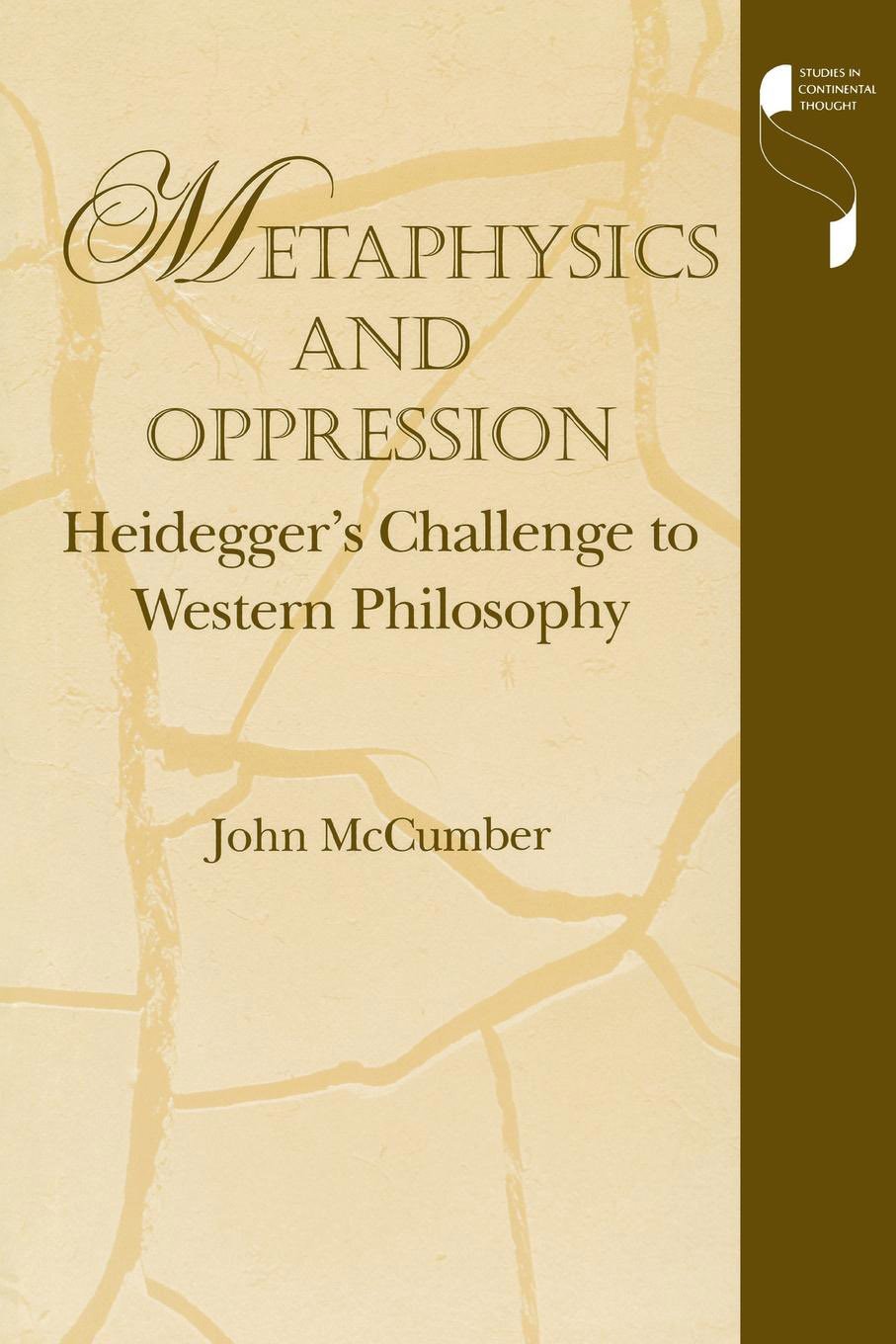
Metaphysics and Oppression: Heidegger's Challenge to Western Philosophy by John McCumber
Philosophy
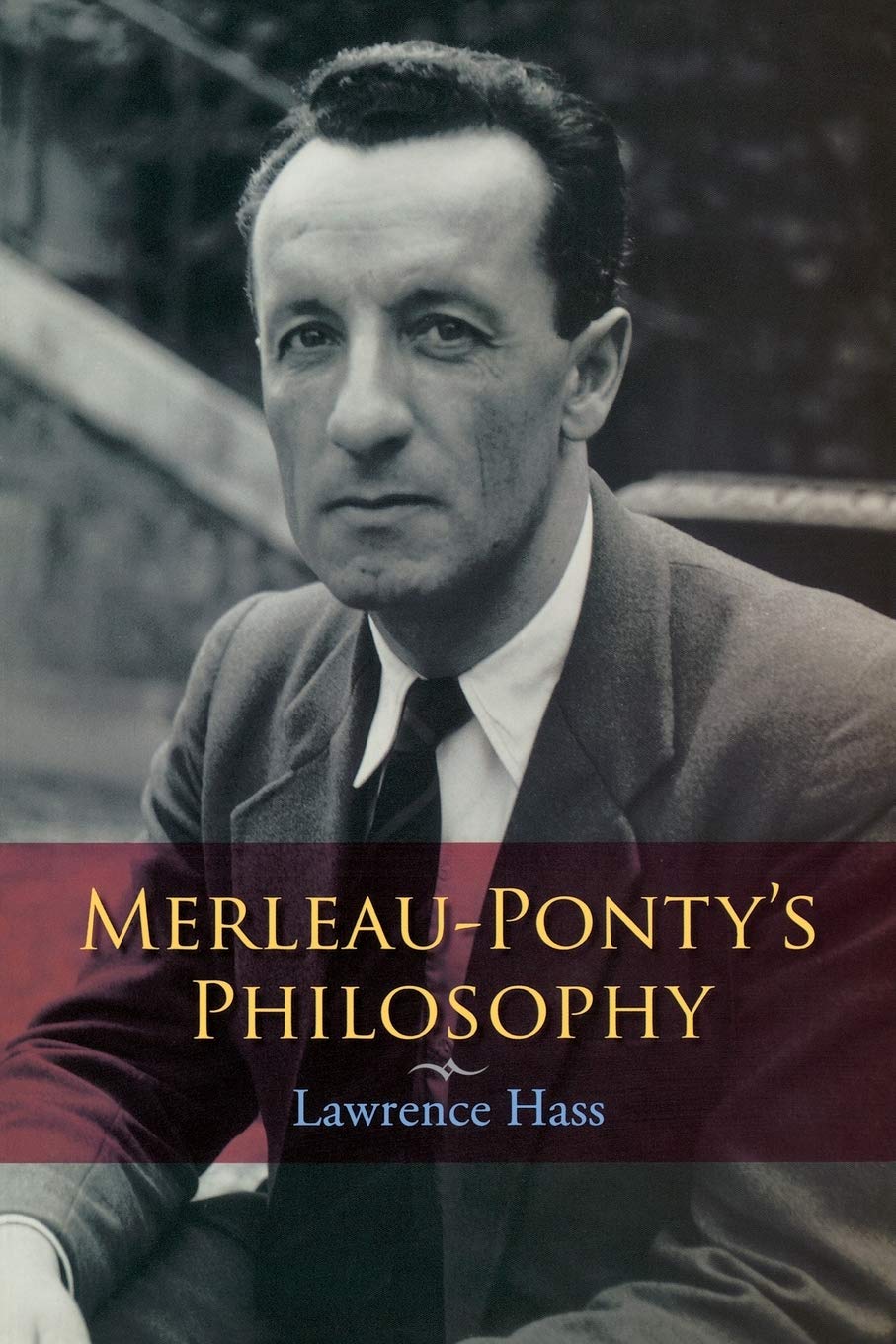
Merleau-Ponty's Philosophy by Lawrence Hass – Phenomenology & Continental Philosophy
Philosophy
Feminism, Capitalism, and Ecology
Philosophy