

The Philosophy of Positive Law: Foundations of Jurisprudence by James Bernard Murphy – A Deep Dive into Legal Philosophy
Inclusive of all applicable taxes. FREE shipping on all orders.
Available Offers
- 🚚Free Delivery — Free shipping on all orders
- 💵Cash on Delivery — Pay when your order arrives
- ↩️15-Day Easy Returns — Hassle-free return policy
- 🔒Cash on Delivery — Pay safely when your order arrives
Check Delivery
Product Description
Introduction
What makes a law truly 'positive'? Is it because it is deliberately enacted by a sovereign authority, or because it lacks the moral necessity of natural law? In The Philosophy of Positive Law: Foundations of Jurisprudence, James Bernard Murphy embarks on a groundbreaking journey through the history of legal thought, offering Indian law students, scholars, and practitioners a fresh lens to understand the very essence of legal systems. This hardbound volume from Yale University Press is not merely a textbook—it is an intellectual odyssey that connects ancient philosophy with modern jurisprudence.
Book Overview
Murphy rewrites central chapters in the history of jurisprudence by revealing a surprising continuity among four towering thinkers: Plato, Thomas Aquinas, Thomas Hobbes, and John Austin. Rather than viewing their theories as separate or conflicting, Murphy shows that each philosopher contributed to a single, evolving discourse on positive law. The book explores a fundamental ambiguity at the heart of legal philosophy: the tension between law as a deliberate human imposition and law as a system stripped of moral necessity. By tracing this duality across centuries, Murphy illuminates how positive law straddles both descriptive and normative dimensions, shaping not only jurisprudence but also our understanding of political authority and social order.
Key Highlights
- First comprehensive study of positive law as a unified philosophical concept, bridging ancient and modern traditions.
- In-depth analysis of four pivotal legal philosophers, showing their collective contribution to the foundations of jurisprudence.
- Clarifies the core ambiguity between law as deliberately imposed and law as lacking moral necessity—a distinction that remains vital for Indian legal debates.
- Rigorous yet accessible prose suitable for advanced undergraduates, postgraduate students, and legal professionals.
- Published by Yale University Press, ensuring scholarly excellence and authoritative content.
Inside the Book
The book is structured to guide readers through a chronological and thematic exploration. It begins with Plato's conception of law as a rational imposition, then moves to Aquinas's synthesis of natural and positive law. Hobbes's radical redefinition of law as the command of a sovereign is examined next, followed by Austin's positivist framework. Each chapter unpacks how these thinkers grappled with the same foundational question: what gives law its binding force? Murphy also engages with contemporary critiques and extends the discourse to modern legal systems, making this work relevant for understanding India's own legal heritage and its colonial and post-colonial legal structures.
Key Topics
- The concept of positive law in classical Greek philosophy
- Aquinas's distinction between eternal, natural, and human law
- Hobbes's theory of sovereignty and legal obligation
- Austin's command theory and the separation of law and morality
- The relationship between deliberate enactment and moral neutrality
- Positive law's role in shaping legal positivism and natural law debates
- Implications for legal interpretation, judicial reasoning, and constitutionalism
Reader Benefits
- Deepen your understanding of the philosophical roots of modern legal systems, including India's common law tradition.
- Gain analytical tools to critique and compare different theories of law, enhancing your academic writing and argumentation.
- Bridge theory and practice by connecting abstract philosophical ideas to real-world legal issues such as legislative intent, judicial activism, and the rule of law.
- Prepare for competitive exams like CLAT, LLB entrance tests, and law school seminars with a solid grasp of jurisprudential foundations.
- Expand your library with a premium hardcover edition that is both a reference work and a thought-provoking read.
Learning Outcomes
- Articulate the core ambiguity in the concept of positive law and its historical evolution.
- Compare and contrast the theories of Plato, Aquinas, Hobbes, and Austin on law's origin and authority.
- Evaluate the strengths and limitations of legal positivism in light of natural law traditions.
- Apply philosophical insights to contemporary legal problems, including the role of morality in adjudication.
- Develop a nuanced perspective on how law acquires its binding character—whether from deliberate enactment or from its separation from moral norms.
Who Should Read
This book is indispensable for law students pursuing degrees in LLB, LLM, or PhD programs, especially those specializing in jurisprudence, legal theory, or constitutional law. Academic researchers and law faculty will find it a valuable resource for teaching and scholarship. Practicing lawyers and judges interested in the philosophical underpinnings of their profession will gain deeper insights into the nature of legal reasoning. Additionally, philosophy students with an interest in political and legal philosophy, as well as general readers curious about the foundations of law, will find this work engaging and illuminating.
About the Author
James Bernard Murphy is a distinguished professor of government at Dartmouth College, where he has taught political philosophy and jurisprudence for decades. His research spans the history of legal and political thought, with a particular focus on the relationship between law, morality, and human agency. Murphy has authored several influential works, including The Moral Economy of Labor and Aquinas and Modern Law. His scholarship is known for its clarity, depth, and ability to connect classical ideas with contemporary debates, making him a leading voice in the field of legal philosophy.
About the Publisher
Yale University Press is one of the world's most prestigious academic publishers, renowned for its commitment to scholarly excellence and intellectual rigor. Since its founding in 1908, Yale University Press has published groundbreaking works in law, philosophy, history, and the social sciences. This hardcover edition reflects the press's dedication to producing durable, beautifully crafted books that stand the test of time—perfect for the serious student or collector of legal philosophy.
Conclusion
The Philosophy of Positive Law: Foundations of Jurisprudence is more than a history of ideas—it is a vital resource for anyone seeking to understand the very nature of law itself. By tracing the thread of positive law through Plato, Aquinas, Hobbes, and Austin, James Bernard Murphy offers a unified narrative that challenges conventional divisions between natural law and legal positivism. For Indian readers navigating a legal landscape shaped by diverse traditions—from ancient Dharmashastra to modern constitutionalism—this book provides timeless insights into what makes law binding, legitimate, and just. Add this authoritative hardcover to your collection and elevate your understanding of jurisprudence.
Quick Summary
The Philosophy of Positive Law: Foundations of Jurisprudence by James Bernard Murphy is a landmark work that reinterprets the history of legal philosophy by examining the concept of positive law through the eyes of four major thinkers: Plato, Thomas Aquinas, Thomas Hobbes, and John Austin. Murphy reveals a fundamental continuity among these philosophers, showing that their theories of positive law are successive chapters in a single story. The book explores a central ambiguity: is law positive because it is deliberately imposed (as opposed to customary law) or because it lacks moral necessity (as opposed to natural law)? These two senses are not coextensive, and the discourse of positive law oscillates unstably between them. This book is ideal for law students, legal scholars, and philosophy enthusiasts in India who want to deepen their understanding of jurisprudence. Readers will learn about the origins of legal positivism, the relationship between law and morality, and the historical evolution of legal thought. By purchasing from Bookshops.in, you get a premium hardcover edition delivered across India, with reliable service and authentic Yale University Press publications.
Book Highlights
Book Specifications
| ISBN-13 | 9780300191523 |
| ISBN-10 | 0300191529 |
| Publisher | Yale Univ Pr |
| Language | English |
| Dimensions | 15.24 x 1.63 x 22.86 cm |
| Weight | 363 g |
| Category | Higher Education Textbooks › Law |
| Genre | Non-fiction |
| Reading Age | Adult |
| Original Language | English |
Frequently Asked Questions
What is the main argument of The Philosophy of Positive Law?
Who are the philosophers analyzed in this book?
Is this book suitable for undergraduate law students in India?
How does this book differ from other books on jurisprudence?
Does the book cover Indian legal philosophy?
Can I use this book for CLAT or LLB exam preparation?
What is the price of this book on Bookshops.in?
Who is the author James Bernard Murphy?
Does this book discuss natural law?
Is the book written in simple language?
What are the key themes of the book?
Where can I buy this book in India?
Is this book part of a series?
Readers Also Search For
Customers Also Bought

Constitutional Law
Indigenous law and the state
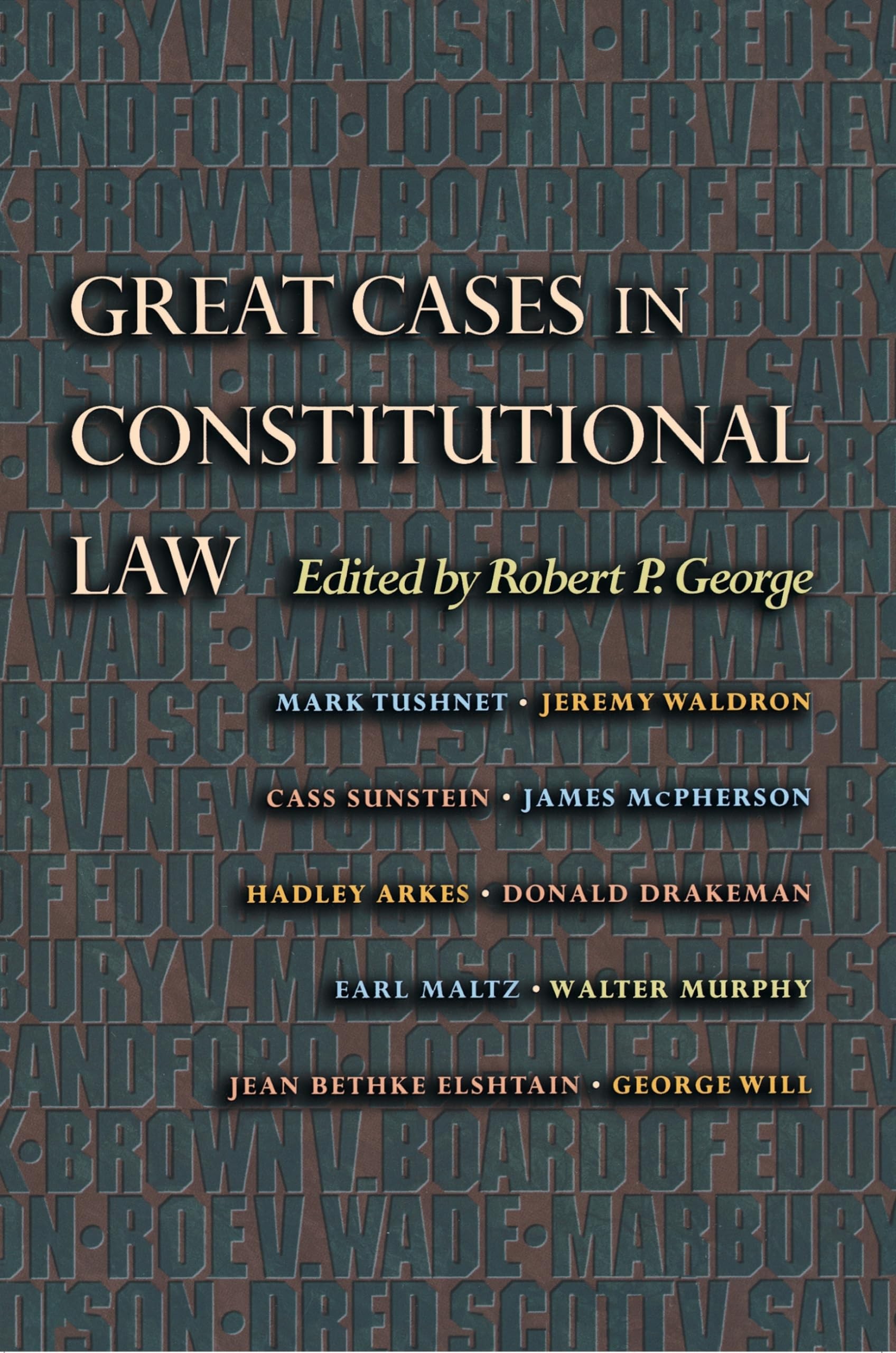
Constitutional Law
Great Cases in Constitutional Law (English, Robert P. George)

Constitutional Law
Guilty Pleas in International Criminal Law (English, Nancy Amoury Combs)
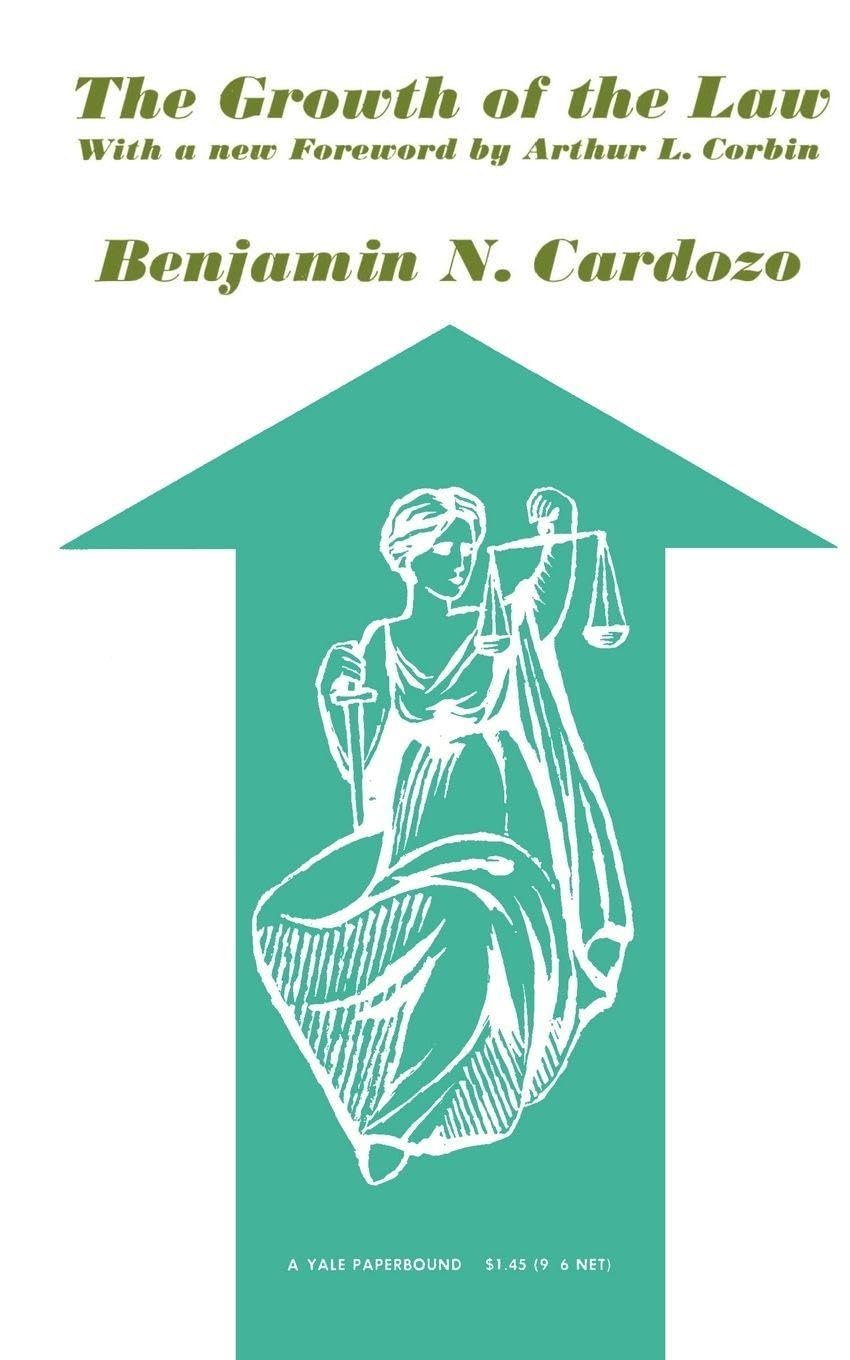
Constitutional Law
The Growth of the Law by Benjamin N. Cardozo – Jurisprudence
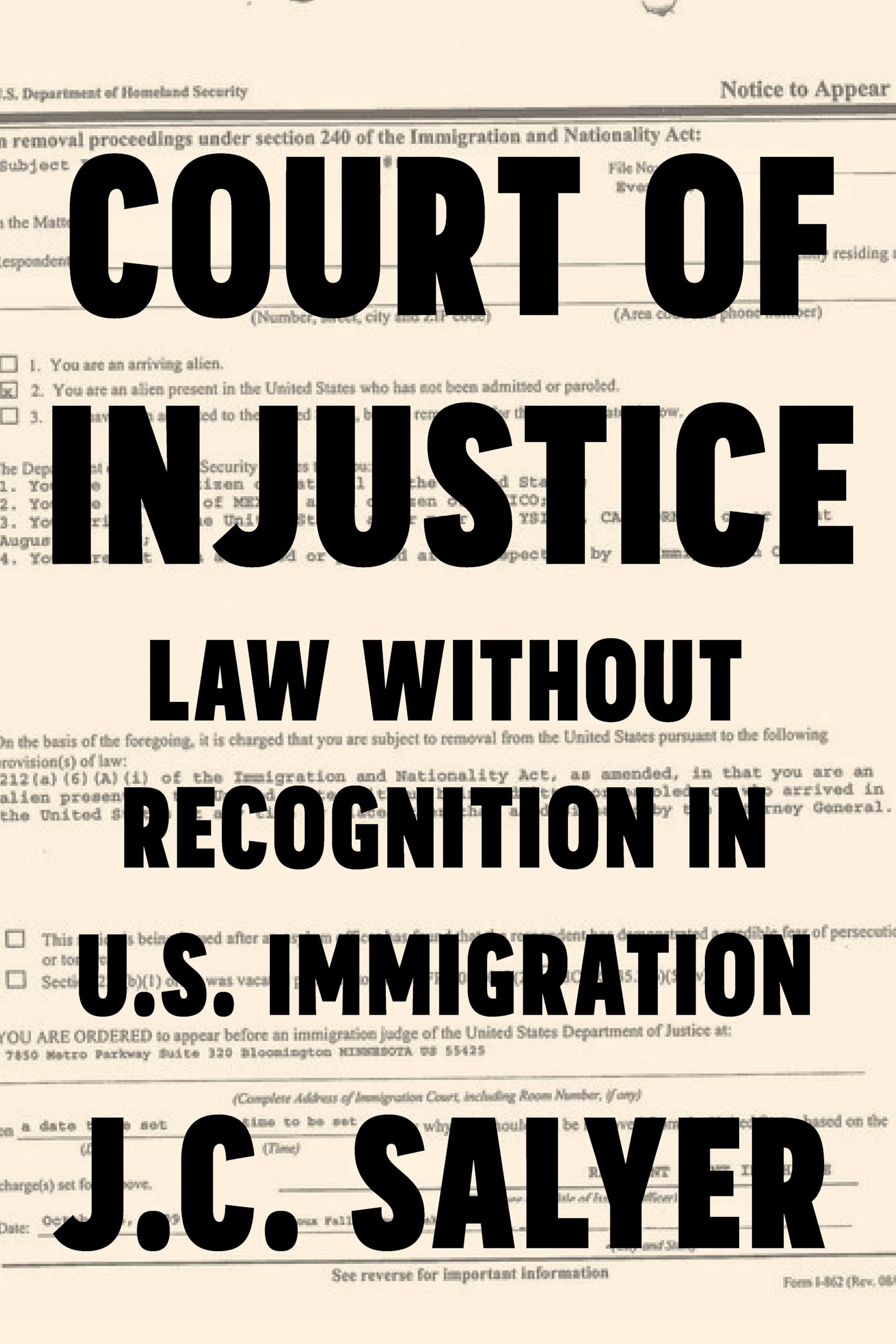
Constitutional Law
Court of Injustice: Law Without Recognition in U.S. Immigration by J. C. Salyer

Constitutional Law
Youth: Learning Through Cases
Related Products
View All
Law
Mediasport | by Lawrence Wenner | Routledge | by Lawrence Wenner | Routledge | by Lawrence Wenner | Routledge | by Lawrence Wenner | Routledge | by Lawrence Wenner | Routledge | by Lawrence Wenner | Routledge | by Lawrence Wenner | Routledge | by Lawrence Wenner | Routledge | by Lawrence Wenner | Routledge | by Lawrence Wenner | Routledge | by Lawrence Wenner | Routledge | by Lawrence Wenner | Routledge | by Lawrence Wenner | Routledge | by Lawrence Wenner | Routledge | by Lawrence Wenner | Rout

Law
Human Rights Diplomacy | by Rein Mullerson | Routledge | by Rein Mullerson | Routledge | by Rein Mullerson | Routledge | by Rein Mullerson | Routledge | by Rein Mullerson | Routledge | by Rein Mullerson | Routledge | by Rein Mullerson | Routledge | by Rein Mullerson | Routledge | by Rein Mullerson | Routledge | by Rein Mullerson | Routledge | by Rein Mullerson | Routledge | by Rein Mullerson | Routledge | by Rein Mullerson | Routledge | by Rein Mullerson | Routledge | by Rein Mullerson | Routled
Law
Rome the Law-Giver | by Declareuil J. | Routledge | by Declareuil J. | Routledge | by Declareuil J. | Routledge | by Declareuil J. | Routledge | by Declareuil J. | Routledge | by Declareuil J. | Routledge | by Declareuil J. | Routledge | by Declareuil J. | Routledge | by Declareuil J. | Routledge | by Declareuil J. | Routledge | by Declareuil J. | Routledge | by Declareuil J. | Routledge | by Declareuil J. | Routledge | by Declareuil J. | Routledge | by Declareuil J. | Routledge | by Declareuil

Law
Human Rights and Gender Politics | by Anne-Marie Hilsdon | Martha MacIntyre | Vera MacKie | Routledge | by Anne-Marie Hilsdon | Martha MacIntyre | Vera MacKie | Routledge | by Anne-Marie Hilsdon | Martha MacIntyre | Vera MacKie | Routledge | by Anne-Marie Hilsdon | Martha MacIntyre | Vera MacKie | Routledge | by Anne-Marie Hilsdon | Martha MacIntyre | Vera MacKie | Routledge | by Anne-Marie Hilsdon | Martha MacIntyre | Vera MacKie | Routledge | by Anne-Marie Hilsdon | Martha MacIntyre | Vera Mac

Law
Politics of Human Rights in Southeast Asia | by Philip J. Eldridge | Routledge | by Philip J. Eldridge | Routledge | by Philip J. Eldridge | Routledge | by Philip J. Eldridge | Routledge | by Philip J. Eldridge | Routledge | by Philip J. Eldridge | Routledge | by Philip J. Eldridge | Routledge | by Philip J. Eldridge | Routledge | by Philip J. Eldridge | Routledge | by Philip J. Eldridge | Routledge | by Philip J. Eldridge | Routledge | by Philip J. Eldridge | Routledge | by Philip J. Eldridge |

Law