
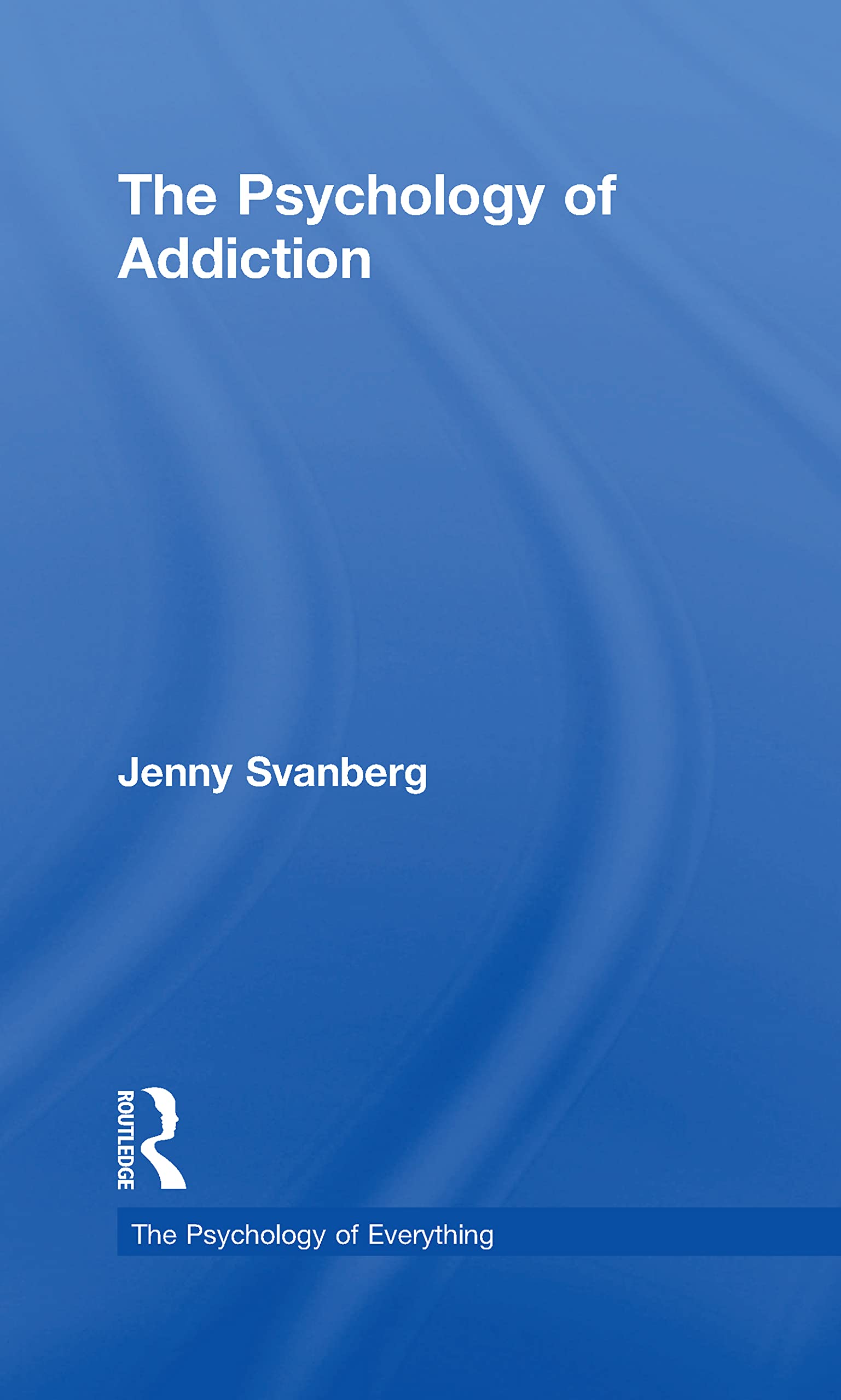
The Psychology of Addiction: Understanding Habits, Recovery, and Compassion by Jenny Svanberg – A Routledge Publication
Inclusive of all applicable taxes. FREE shipping on all orders.
Available Offers
- 🚚Free Delivery — Free shipping on all orders
- 💵Cash on Delivery — Pay when your order arrives
- ↩️15-Day Easy Returns — Hassle-free return policy
- 🔒Cash on Delivery — Pay safely when your order arrives
Check Delivery
Product Description
Introduction
Addiction is a word that carries immense weight, often misunderstood and shrouded in stigma. In a world where substances and behaviours can easily spiral out of control, understanding the psychological roots of addiction is more crucial than ever. The Psychology of Addiction by Jenny Svanberg offers a compassionate, evidence-based exploration of why people become addicted and how recovery is possible. This hardcover edition from Routledge is an essential read for Indian students, mental health professionals, and anyone seeking to understand the human mind behind the habit.
Book Overview
Published by Routledge, a globally respected academic publisher, this book dives deep into the psychological mechanisms that drive addictive behaviours. Jenny Svanberg, a clinical psychologist with years of experience, presents a balanced view that neither moralises nor oversimplifies addiction. The book covers substance dependencies like alcohol and drugs, as well as behavioural addictions such as gambling, gaming, and sex. It challenges common myths and offers a fresh perspective rooted in compassion and scientific research.
Key Highlights
- Compassionate Approach: The book emphasises understanding over judgment, making it accessible to those personally affected by addiction.
- Evidence-Based Insights: Draws on psychological research and clinical case studies to explain addiction's complexities.
- Focus on Recovery: Discusses the role of social networks, therapy, and personal motivation in overcoming addiction.
- Relevant to Indian Context: Addresses universal themes that resonate with Indian readers, including family dynamics, cultural pressures, and stigma.
Inside the Book
The book is structured to guide readers from the basics of addiction psychology to advanced concepts. It begins by defining addiction and distinguishing it from harmless habits. Subsequent chapters explore the brain's reward system, the impact of trauma, and the social factors that contribute to dependency. Svanberg also dedicates sections to recovery pathways, including cognitive-behavioural approaches and the importance of community support. Each chapter is enriched with real-life examples and reflective questions.
Key Topics
- What Makes a Habit an Addiction? The fine line between choice and compulsion.
- Why Some People Become Addicted: Genetic, psychological, and environmental factors.
- Drug and Alcohol Addiction: How substances hijack the brain's chemistry.
- Behavioural Addictions: Gambling, gaming, and sex addiction explained.
- Recovery and Relapse: The psychological tools that support lasting change.
- Stigma and Society: How social attitudes affect treatment and self-worth.
Reader Benefits
- For Students: A clear, well-researched textbook-style introduction to addiction psychology.
- For Professionals: Practical insights for counsellors, therapists, and social workers.
- For Families: Helps loved ones understand addiction without blame.
- For Individuals: Offers hope and a roadmap for personal recovery journeys.
Learning Outcomes
By reading this book, you will be able to: identify the psychological markers of addiction; understand the difference between substance and behavioural addictions; recognise the role of social networks in recovery; evaluate common misconceptions about addicts; and apply compassionate strategies to support yourself or others. The book also equips readers with knowledge to critically assess addiction policies and treatment approaches.
Who Should Read
This book is ideal for undergraduate and postgraduate students of psychology, counselling, and social work in Indian universities. It is also highly recommended for mental health practitioners, addiction counsellors, and healthcare professionals. Moreover, anyone who has a friend or family member struggling with addiction—or who wants to understand their own relationship with habits—will find this book profoundly enlightening.
About the Author
Jenny Svanberg is a chartered clinical psychologist and a specialist in addiction. She has worked extensively with individuals and families affected by substance use and behavioural dependencies. Her writing is informed by decades of clinical practice and a deep commitment to reducing stigma. She brings warmth and clarity to a topic often clouded by shame, making her work accessible to both academic and general readers.
About the Publisher
Routledge is a premier academic publisher known for its high-quality books in the social sciences, including psychology, sociology, and education. With a legacy spanning over 150 years, Routledge ensures that each title undergoes rigorous peer review and editorial excellence. This hardcover edition is built to last, making it a valuable addition to any library or personal collection.
Conclusion
The Psychology of Addiction is more than a textbook—it is a bridge between science and empathy. Jenny Svanberg dismantles stereotypes and offers a humane, insightful look at one of the most challenging issues of our time. Whether you are a student in Mumbai, a therapist in Delhi, or a concerned family member in Bengaluru, this book will change the way you think about addiction and recovery. Order your copy from Bookshops.in today and take the first step toward deeper understanding.
Quick Summary
The Psychology of Addiction by Jenny Svanberg is a compassionate and insightful exploration of addiction, addressing why harmless habits can turn into addictions and why only some individuals become addicted. The book focuses on drug and alcohol addiction, but also covers behavioral addictions like gambling, gaming, and sex. It emphasizes the importance of social networks in recovery and challenges the stigma surrounding addiction. Written in an accessible style, it is ideal for Indian students of psychology, counselling, and social work, as well as professionals and general readers. Readers will learn about the psychological mechanisms of addiction, the role of compassion in treatment, and how social policy affects recovery. By choosing Bookshops.in, you support a trusted Indian bookstore that offers genuine editions and reliable delivery, making this important resource easily available to you.
Book Highlights
Book Specifications
| ISBN-13 | 9781138207271 |
| ISBN-10 | 1138207276 |
| Publisher | Routledge |
| Language | English |
| Dimensions | 13.34 x 1.27 x 20.32 cm |
| Weight | 236 g |
| Category | Psychology › Neuropsychology |
| Genre | Non-fiction |
| Original Language | English |
Frequently Asked Questions
What is The Psychology of Addiction about?
Who wrote The Psychology of Addiction?
Is this book suitable for Indian readers?
What types of addiction are covered?
Does the book discuss recovery?
Is this a textbook?
Who is the publisher?
What is the ISBN-13?
Is the book available in hardcover?
Can this help someone with addiction?
Does the book include case studies?
What is the price in India?
Where can I buy this book in India?
Readers Also Search For
Customers Also Bought

Psychology
Koinonia: From Hate, Through Dialogue, to Culture in the Large Group by Patrick B. Demare

Psychology
Mindfulness-Based Interventions for Trauma and Its Consequences (Concise Guides on Trauma Care, 4)

Psychology
Handbook for Teaching Statistics and Research Methods by Mark E. Ware

Psychology
Psychoanalysis and the Nuclear Threat: Clinical and Theoretical Studies
Psychology
Humor and Psyche: Psychoanalytic Perspectives by James W. Barron

Relationships
The Experience and Expression of Uncertainty in Close Relationships by Jennifer A. Theiss
Related Products
View AllPsychology
Mindfulness-Based Interventions for Trauma and Its Consequences (Concise Guides on Trauma Care, 4)
Psychology
Handbook for Teaching Statistics and Research Methods by Mark E. Ware
Psychology
Psychoanalysis and the Nuclear Threat: Clinical and Theoretical Studies
Psychology
Humor and Psyche: Psychoanalytic Perspectives by James W. Barron

Psychology
Proceedings of the First International Conference on Genetic Algorithms and Their Applications
Psychology