
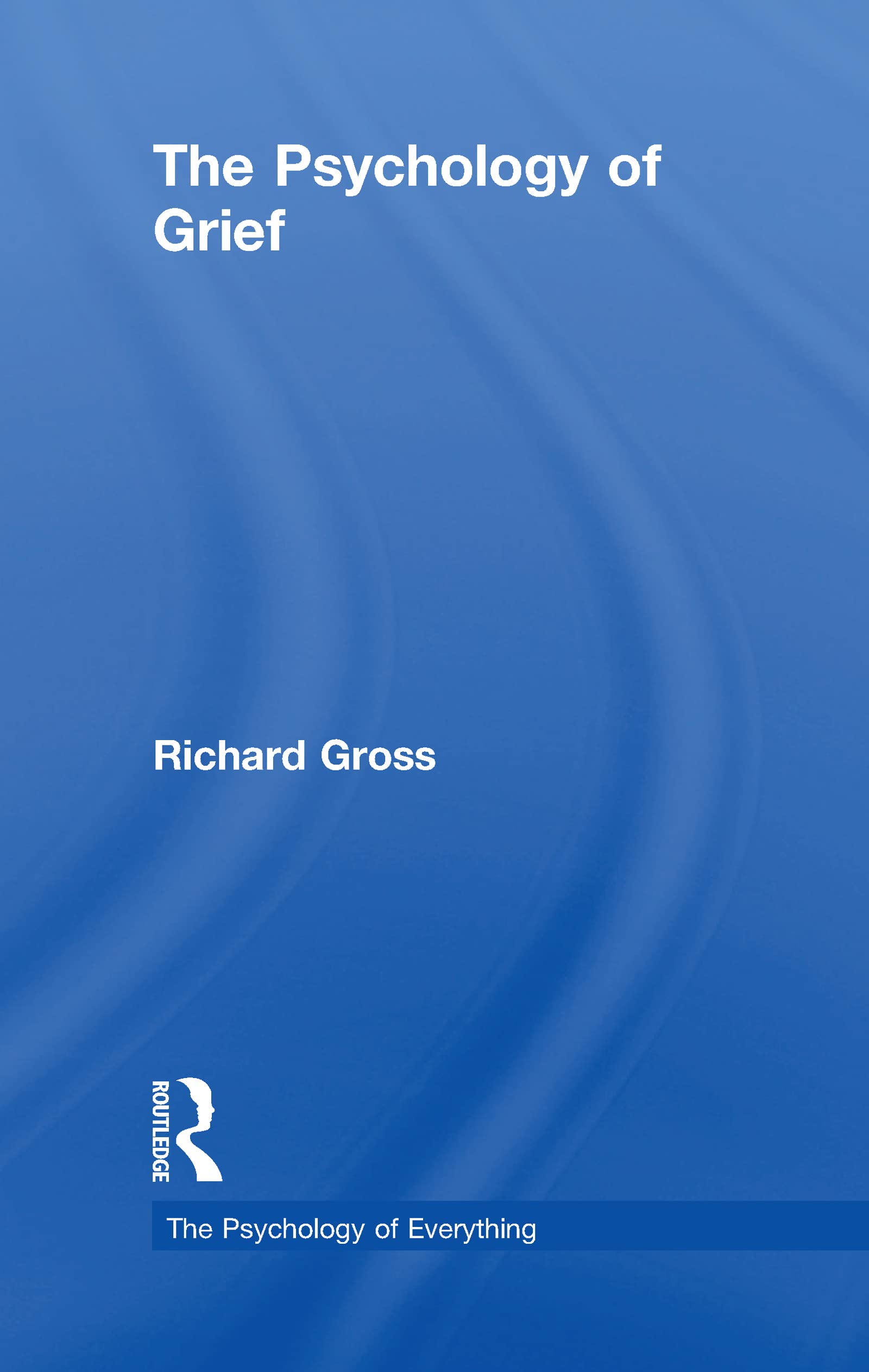
The Psychology of Grief by Richard Gross – A Compassionate Exploration of Loss, Bereavement and Emotional Healing
Inclusive of all applicable taxes. FREE shipping on all orders.
Available Offers
- 🚚Free Delivery — Free shipping on all orders
- 💵Cash on Delivery — Pay when your order arrives
- ↩️15-Day Easy Returns — Hassle-free return policy
- 🔒Cash on Delivery — Pay safely when your order arrives
Check Delivery
Product Description
Introduction
Grief is one of the most profound and universal human experiences, yet it remains deeply personal and often misunderstood. In The Psychology of Grief, renowned psychologist Richard Gross offers a compassionate and insightful exploration of what happens to us emotionally when we lose someone we love. This book is not just a theoretical treatise—it is a thoughtful guide that helps readers navigate the complex terrain of bereavement, challenging long-held myths and offering a fresh perspective on the grieving process. For Indian readers, where family and community bonds are deeply cherished, understanding grief becomes even more essential. Gross’s work bridges psychological theory with real-world experience, making it an invaluable resource for students, counsellors, and anyone seeking to make sense of loss.
Book Overview
Published by Routledge, a leader in academic and professional publishing, The Psychology of Grief is a hardbound volume that delves into the emotional, cognitive, and social dimensions of losing a loved one. Richard Gross draws on decades of research and clinical practice to present a nuanced view that moves beyond the outdated idea of fixed ‘stages’ of grief. Instead, he emphasises the diversity of responses—how grief can shape our identity, alter our relationships, and even transform our worldview. The book is written in an accessible yet rigorous style, making it suitable for both academic study and personal reading. Whether you are a psychology student in Delhi, a counsellor in Mumbai, or a bereaved individual in Kolkata, this book offers clarity and comfort.
Key Highlights
- Challenges the ‘stages of grief’ model popularised by earlier theories, offering a more flexible and individualised understanding.
- Integrates psychoanalytic, cognitive, and social perspectives to provide a comprehensive view of grief.
- Examines cultural and linguistic influences on how we experience and express grief, relevant to India’s diverse traditions.
- Explores the impact of grief on self-identity and how loss reshapes our sense of who we are.
- Includes case studies and real-life examples that bring psychological concepts to life.
Inside the Book
From Freud’s pioneering work on mourning to contemporary attachment theory, The Psychology of Grief takes readers on a journey through the evolution of grief research. Gross carefully unpacks complex ideas—such as disenfranchised grief, complicated grief, and the role of continuing bonds—using clear language and relatable scenarios. Each chapter builds on the last, creating a coherent narrative that respects the reader’s intellect while remaining emotionally sensitive. The book also addresses the language we use to talk about grief, showing how metaphors and cultural narratives shape our understanding. For Indian audiences, this is particularly insightful given the rich tapestry of rituals and communal mourning practices across the subcontinent.
Key Topics
- Freud’s psychoanalytic theory of mourning and its lasting influence.
- Attachment and loss: how early bonds affect grief responses.
- Social and cultural norms that frame grief in different societies.
- Identity reconstruction after bereavement.
- Disenfranchised grief—losses that are not openly acknowledged.
- Complicated grief and when professional help may be needed.
- The role of rituals in healing, with references to Indian practices.
Reader Benefits
Reading The Psychology of Grief empowers you to understand your own emotions and those of others during times of loss. It helps dispel guilt and confusion, offering validation that there is no ‘right’ way to grieve. For students and professionals, it provides a solid foundation in bereavement psychology. For individuals facing loss, it offers solace and a framework for healing. The book also equips readers with the language to discuss grief openly, reducing stigma and fostering empathy in families and communities.
Learning Outcomes
- Understand the psychological theories that explain grief and mourning.
- Identify the wide range of emotional responses to loss, from sadness to anger to relief.
- Recognise the influence of culture and society on grieving processes.
- Differentiate between healthy grief and complicated grief.
- Apply insights to personal experiences or professional practice.
Who Should Read
This book is ideal for undergraduate and postgraduate psychology students across Indian universities, as well as counselling trainees and mental health professionals. It is also highly recommended for social workers, nurses, and anyone working in palliative care or bereavement support. Moreover, individuals who have experienced loss—or who wish to support a grieving loved one—will find immense value in its pages. The book’s accessible style makes it suitable for general readers with an interest in human emotions.
About the Author
Richard Gross is a respected psychologist and author, known for his clear and engaging writing style. He has taught psychology at various institutions and has written numerous bestselling textbooks, including Psychology: The Science of Mind and Behaviour. His work is widely used in Indian universities, and he brings decades of experience in both teaching and clinical practice. Gross’s ability to translate complex psychological concepts into everyday language makes him a trusted voice in the field.
About the Publisher
Routledge is a global academic publisher with a strong presence in India. Known for its rigorous peer-review process and high-quality content, Routledge publishes works that shape the social sciences and humanities. This book is part of their esteemed psychology catalogue, ensuring that readers receive accurate, up-to-date, and well-researched information.
Conclusion
The Psychology of Grief is more than a book—it is a companion for anyone touched by loss. Richard Gross offers a humane and intelligent account that respects the complexity of grief while providing practical wisdom. Whether you are studying psychology, supporting others through bereavement, or navigating your own journey of loss, this hardcover edition from Routledge will deepen your understanding and comfort your heart. Order your copy today from Bookshops.in and take the first step toward a more compassionate view of grief.
Quick Summary
The Psychology of Grief by Richard Gross is a thoughtful and compassionate exploration of what happens emotionally when we lose someone we love. Moving beyond simplistic stage models, this Routledge book delves into psychoanalytic, cultural, and social perspectives on bereavement. It examines how language shapes our understanding of grief, how cultural norms can either support or constrain the grieving process, and how grief can transform our sense of self. Written for psychology students, counsellors, and anyone navigating loss, the book offers a non-prescriptive, humane approach that validates the wide range of responses people have to grief. Readers will gain a deeper appreciation for the complexity of mourning and learn to support themselves and others with empathy. By purchasing from Bookshops.in, Indian readers receive an authentic Routledge hardcover at a competitive price, with reliable delivery and customer support.
Book Highlights
Book Specifications
| ISBN-13 | 9781138088061 |
| ISBN-10 | 1138088064 |
| Publisher | Routledge |
| Language | English |
| Dimensions | 13.34 x 1.27 x 20.32 cm |
| Weight | 231 g |
| Country | India |
| Category | Health, Family & Personal Development › Healthy Living & Wellness |
| Genre | Non-fiction |
| Original Language | English |
Frequently Asked Questions
What is The Psychology of Grief about?
Who is the author of this book?
Is this book suitable for beginners in psychology?
Does the book support the five stages of grief?
What makes this book different from other grief books?
Can this book help me cope with my own grief?
Is this book used in Indian universities?
Does the book cover disenfranchised grief?
What is the price of The Psychology of Grief?
Does the book include case studies?
Is there a digital version available?
Why should I buy from Bookshops.in?
Readers Also Search For
Customers Also Bought
Psychology
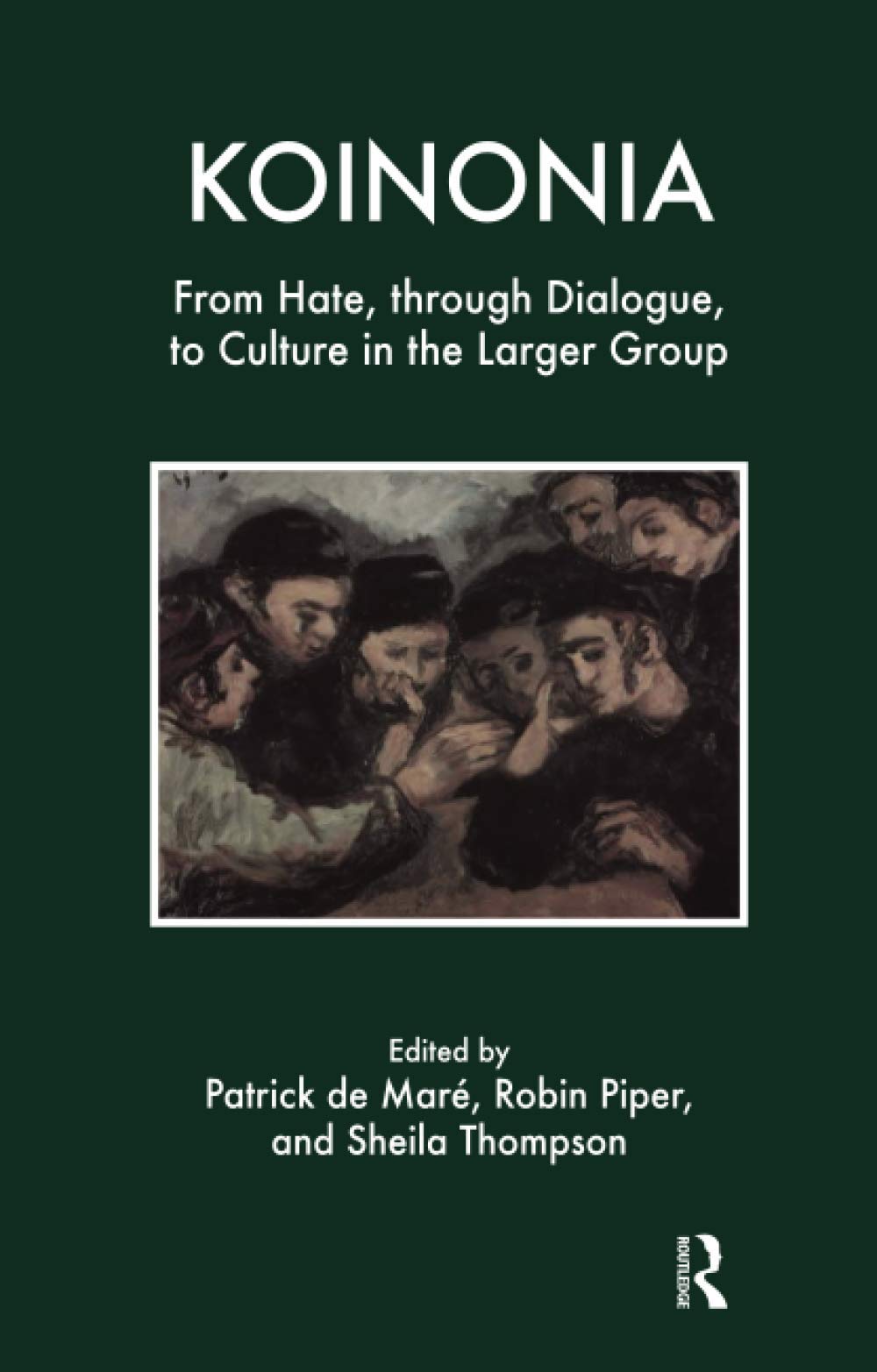
Koinonia: From Hate, Through Dialogue, to Culture in the Large Group by Patrick B. Demare

Psychology
Mindfulness-Based Interventions for Trauma and Its Consequences (Concise Guides on Trauma Care, 4)

Psychology
Handbook for Teaching Statistics and Research Methods by Mark E. Ware

Psychology
Psychoanalysis and the Nuclear Threat: Clinical and Theoretical Studies
Psychology
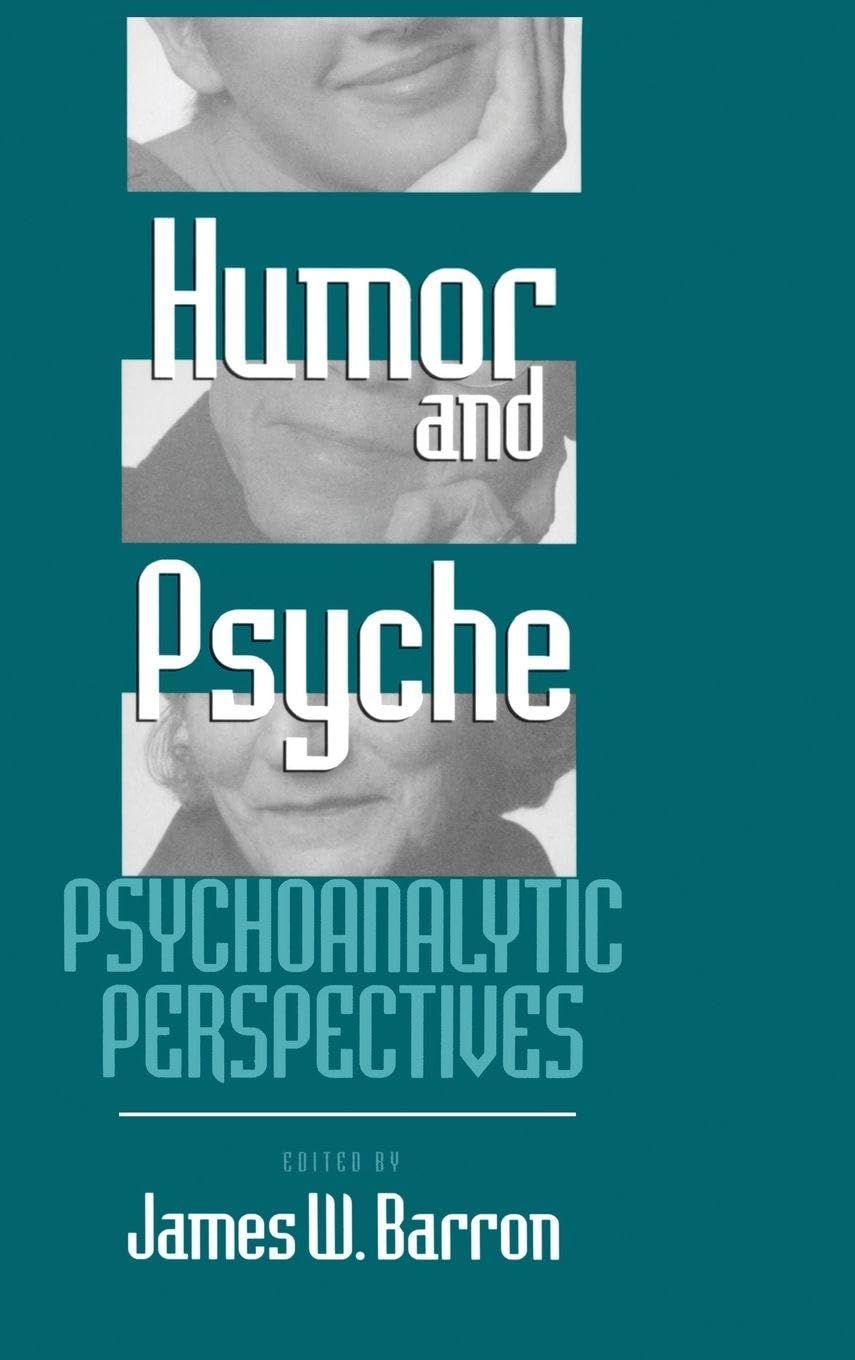
Humor and Psyche: Psychoanalytic Perspectives by James W. Barron

Relationships
The Experience and Expression of Uncertainty in Close Relationships by Jennifer A. Theiss
Related Products
View All
Health, Family & Personal Development
Making the Transition to Home: Simple Modifications to Encourage Independent Living

Health, Family & Personal Development
Asian Functional Foods (Nutraceutical Science and Technology)

Health, Family & Personal Development
State of the Marital Union: Rhetoric, Identity, and Nineteenth-Century Marriage Controversies

Health, Family & Personal Development
My Mindset, My Asset: Laying Hold on the Potentials of the Mind
Health, Family & Personal Development
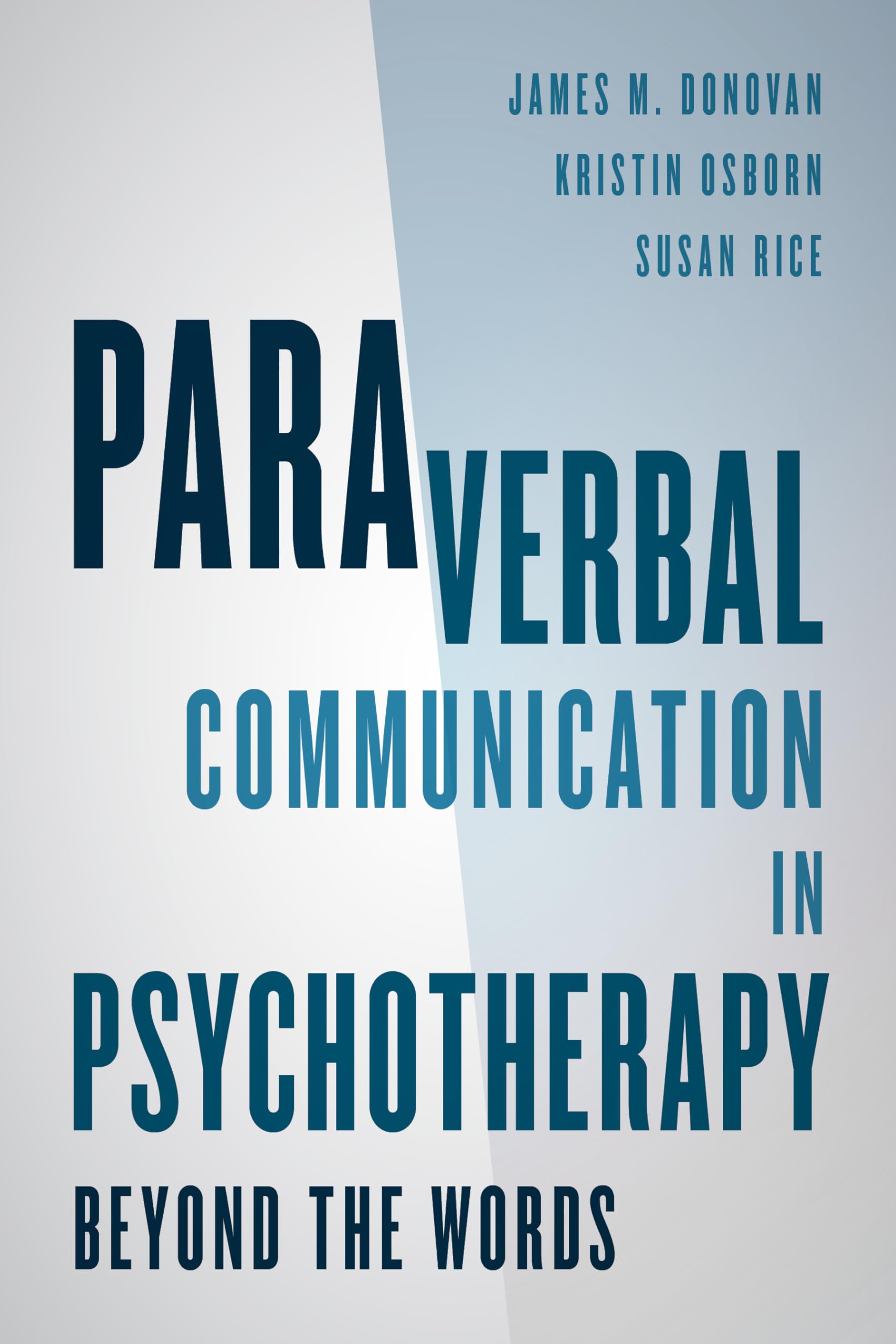
Paraverbal Communication in Psychotherapy: Beyond the Words

Health, Family & Personal Development