
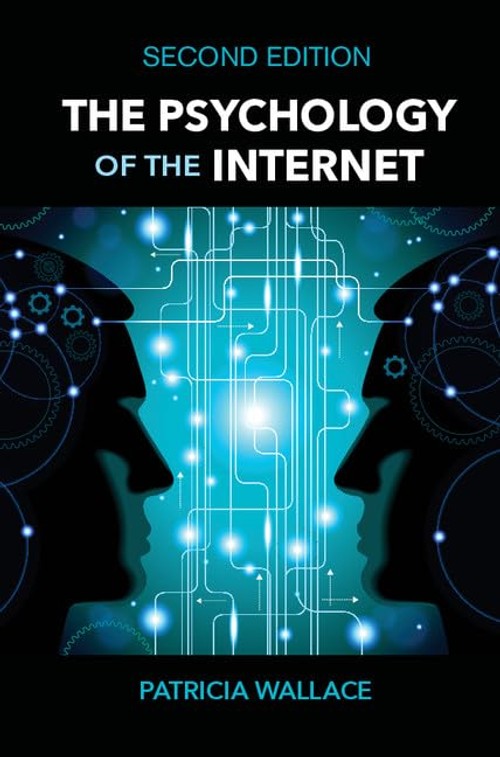
The Psychology of the Internet: Understanding Online Behaviour and Digital Relationships by Patricia Wallace
Inclusive of all applicable taxes. FREE shipping on all orders.
Available Offers
- 🚚Free Delivery — Free shipping on all orders
- 💵Cash on Delivery — Pay when your order arrives
- ↩️15-Day Easy Returns — Hassle-free return policy
- 🔒Cash on Delivery — Pay safely when your order arrives
Check Delivery
Product Description
Introduction
In an age where our digital footprints are as real as our physical presence, understanding the psychological forces that shape online behaviour has never been more critical. The Psychology of the Internet by Patricia Wallace offers a compelling, research-driven exploration of how cyberspace influences human thought, emotion, and action. Published by Cambridge University Press, this hardbound edition is an essential resource for Indian students, educators, and professionals navigating the complexities of the online world.
Book Overview
This second edition builds on classic and contemporary research to examine the subtle yet profound ways the internet alters our interactions. From the anonymity of chat rooms to the curated personas of social media, Wallace unpacks why we often behave differently online than offline. The book balances academic rigour with accessible prose, making it ideal for both classroom study and personal enrichment. It covers emerging trends such as online dating, gaming communities, and digital activism, offering a panoramic view of the internet's psychological landscape.
Key Highlights
- Research-Backed Insights: Draws on decades of psychological studies to explain online behaviour.
- Balanced Perspective: Avoids sensationalism, presenting both the benefits and pitfalls of internet use.
- Updated Content: Reflects recent developments in social media, privacy, and online aggression.
- Critical Thinking Focus: Encourages readers to reflect on their own digital habits and biases.
- Global Relevance: Examples and case studies resonate with Indian readers, from urban professionals to rural students.
Inside the Book
Patricia Wallace guides readers through a structured journey across the internet's psychological dimensions. Early chapters establish foundational concepts like identity formation and impression management in virtual spaces. Later sections delve into group dynamics, online aggression, and the net's addictive properties. Each chapter concludes with thought-provoking questions that challenge assumptions and spark discussion. The hardcover format ensures durability for repeated reference.
Key Topics
- Online Identity and Self-Presentation: How we craft and manage digital personas.
- Social Media and Relationships: The impact of platforms like Instagram and WhatsApp on personal bonds.
- Cyber Aggression and Trolling: Psychological roots of hostile online behaviour.
- Online Dating and Romance: Algorithms, attraction, and trust in digital matchmaking.
- Gaming and Virtual Worlds: Motivation, immersion, and social interaction in online games.
- Privacy and Surveillance: The trade-off between convenience and data security.
- Addiction and Compulsive Use: Understanding internet dependency and its consequences.
- Child Development and the Net: How early exposure shapes cognitive and social growth.
Reader Benefits
- Enhanced Self-Awareness: Recognise your own online patterns and improve digital well-being.
- Practical Knowledge: Apply psychological principles to navigate social media, work, and study.
- Academic Edge: Ideal for psychology, sociology, and computer science courses in Indian universities.
- Informed Parenting: Understand children's online experiences and foster healthy digital habits.
- Professional Growth: Useful for marketers, UX designers, and HR professionals managing remote teams.
Learning Outcomes
- Analyse Behaviour: Identify why people act differently in anonymous versus identifiable settings.
- Evaluate Research: Critically assess studies on internet psychology and their real-world implications.
- Understand Group Dynamics: Explain phenomena like echo chambers, polarisation, and collective action online.
- Assess Risks: Recognise signs of online addiction, cyberbullying, and privacy threats.
- Design Better Experiences: Apply psychological insights to create ethical digital products and policies.
Who Should Read
This book is tailored for undergraduate and postgraduate students in psychology, communication studies, and information technology. It is equally valuable for educators designing courses on digital culture, parents seeking to guide their children, and professionals in marketing, content creation, or human resources. Anyone curious about why we swipe, like, share, and troll will find a wealth of answers within these pages.
About the Author
Patricia Wallace is a renowned psychologist and author with decades of experience studying human-computer interaction. She has held senior roles at the University of Maryland and the Johns Hopkins University Center for Talented Youth. Her research spans online learning, virtual teams, and the psychology of technology, making her a leading voice in understanding the digital mind.
About the Publisher
Cambridge University Press, established in 1534, is one of the world's oldest and most prestigious academic publishers. Their titles are synonymous with rigorous scholarship and global reach. This hardcover edition upholds their tradition of excellence, offering Indian readers a reliable, authoritative text for academic and personal libraries.
Conclusion
The Psychology of the Internet is more than a textbook—it is a mirror reflecting our digital selves. Patricia Wallace's thoughtful analysis equips readers to navigate cyberspace with awareness, empathy, and critical insight. Whether you are a student, a professional, or a lifelong learner, this book will transform how you understand every click, comment, and connection. Add this essential volume to your collection and explore the mind behind the screen.
Quick Summary
The Psychology of the Internet by Patricia Wallace is a comprehensive, research-driven exploration of how digital environments shape human thought, emotion, and behaviour. This second edition delves into topics such as social media influence, online dating, cyberbullying, gaming, group dynamics, and the development of children in the digital age. Wallace draws on both classic and contemporary studies to explain why people often act differently online than in person, and how anonymity, disinhibition, and social cues (or their absence) affect interactions. The book encourages critical thinking about one's own online habits and the broader societal implications of internet use. It is ideal for students of psychology, sociology, and media studies, as well as any reader curious about the psychological forces behind their digital life. By purchasing from Bookshops.in, Indian readers receive a genuine hardcover edition with fast, reliable delivery across the country.
Book Highlights
Book Specifications
| ISBN-13 | 9781107079137 |
| ISBN-10 | 1107079136 |
| Publisher | Cambridge University Press |
| Language | English |
| Dimensions | 15.24 x 2.54 x 22.86 cm |
| Weight | 680 g |
| Category | Social Sciences › Psychology |
| Genre | Non-fiction |
| Original Language | English |
Frequently Asked Questions
What is The Psychology of the Internet about?
Who is the author of this book?
Is this book suitable for beginners?
Does the book cover social media?
What topics are included in the book?
Is this book used in university courses?
Does the book include research studies?
Can this book help with digital well-being?
Is the book available in hardcover?
What is the language of the book?
Does the book address online gaming?
Where can I buy this book in India?
Readers Also Search For
Customers Also Bought

Psychology
Koinonia: From Hate, Through Dialogue, to Culture in the Large Group by Patrick B. Demare

Psychology
Mindfulness-Based Interventions for Trauma and Its Consequences (Concise Guides on Trauma Care, 4)

Psychology
Handbook for Teaching Statistics and Research Methods by Mark E. Ware

Psychology
Psychoanalysis and the Nuclear Threat: Clinical and Theoretical Studies
Psychology
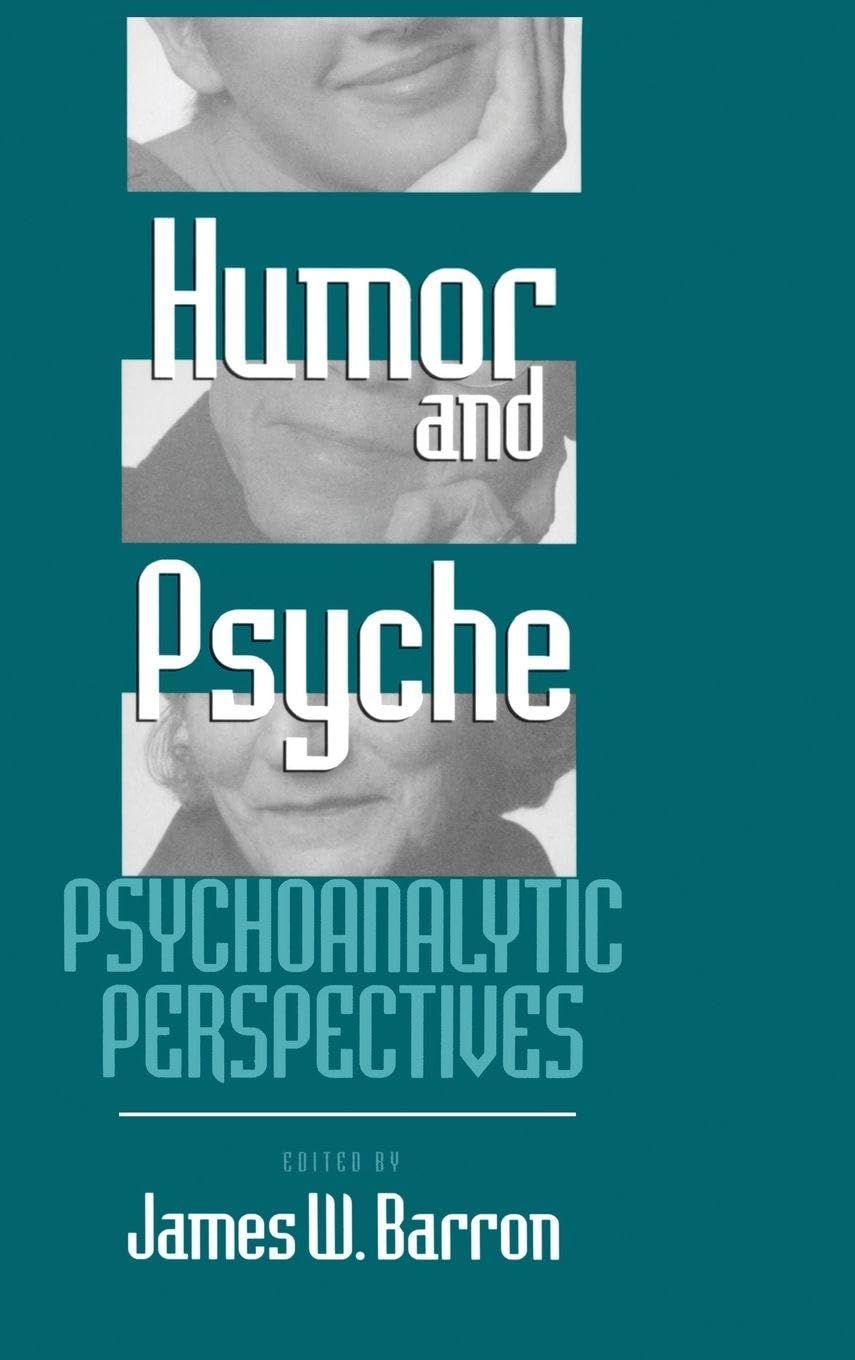
Humor and Psyche: Psychoanalytic Perspectives by James W. Barron

Relationships
The Experience and Expression of Uncertainty in Close Relationships by Jennifer A. Theiss
Related Products
View AllPsychology
Mindfulness-Based Interventions for Trauma and Its Consequences (Concise Guides on Trauma Care, 4)
Psychology
Handbook for Teaching Statistics and Research Methods by Mark E. Ware
Psychology
Psychoanalysis and the Nuclear Threat: Clinical and Theoretical Studies
Psychology
Humor and Psyche: Psychoanalytic Perspectives by James W. Barron

Psychology
Proceedings of the First International Conference on Genetic Algorithms and Their Applications
Psychology