
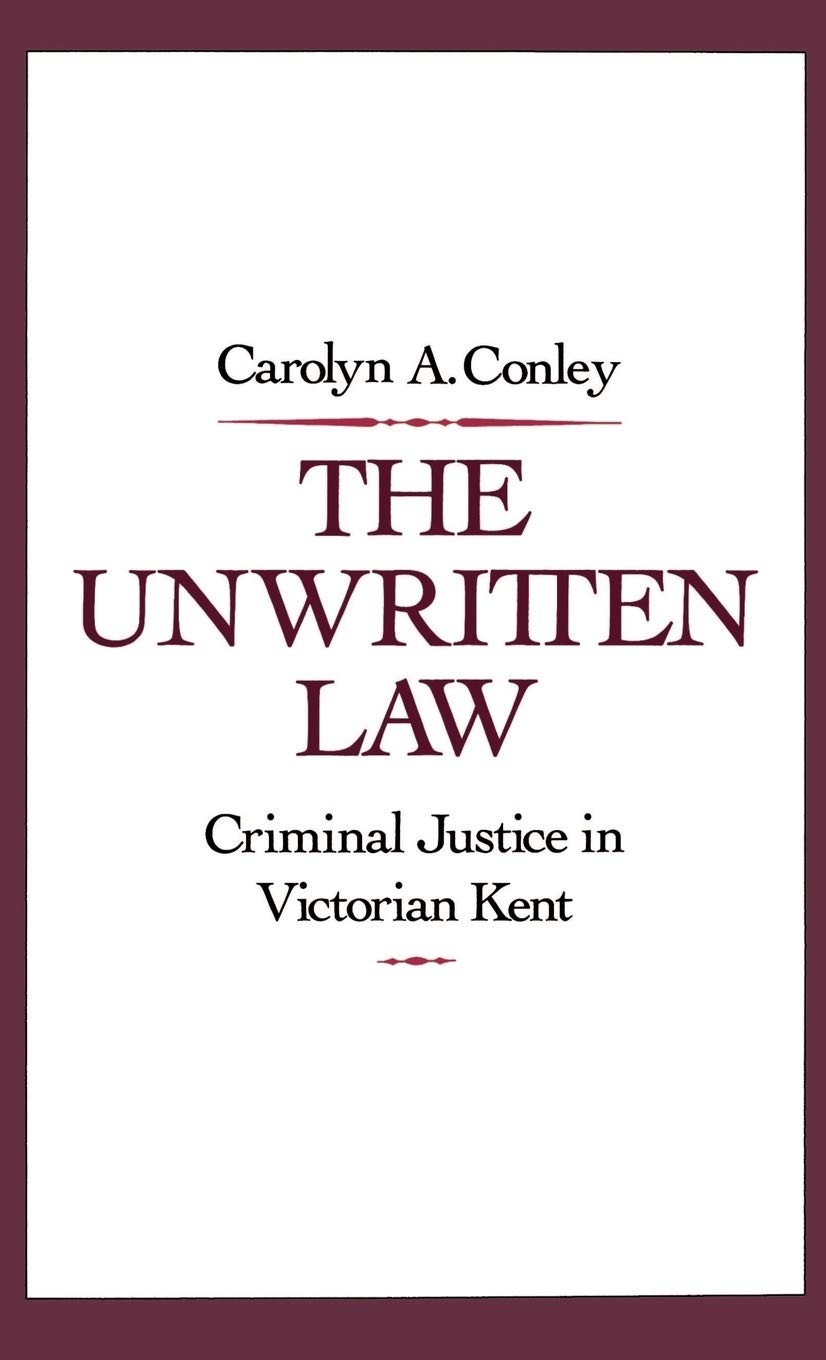
The Unwritten Law: Criminal Justice in Victorian Kent by Carolyn A. Conley – A Deep Dive into Class, Gender, and Communi
Inclusive of all applicable taxes. FREE shipping on all orders.
Available Offers
- 🚚Free Delivery — Free shipping on all orders
- 💵Cash on Delivery — Pay when your order arrives
- ↩️15-Day Easy Returns — Hassle-free return policy
- 🔒Cash on Delivery — Pay safely when your order arrives
Check Delivery
Product Description
Introduction
In the annals of legal history, few periods are as fascinating as the Victorian era, when rigid formal laws often clashed with deeply ingrained social norms. Carolyn A. Conley's The Unwritten Law: Criminal Justice in Victorian Kent offers a compelling exploration of this tension. Through meticulous research and vivid storytelling, the book reveals how judges, juries, and police officers navigated the gap between written statutes and the unwritten codes of community morality. This hardcover volume from Oxford University Press is an indispensable resource for students, legal professionals, and history enthusiasts seeking to understand the complex interplay of class, gender, and justice in nineteenth-century England.
Book Overview
Set in the English county of Kent during the 1870s, this work examines hundreds of criminal cases to uncover how ordinary people—and the legal system—defined justice. Conley uses court records, police reports, and newspaper accounts to reconstruct a world where a woman who blinded her abusive lover received five years, while a man who attacked a woman who left him got only four months. The book argues that the unwritten law—the community's sense of fairness—often overrode formal legal codes, especially when it came to crimes involving women, the poor, or the socially marginalised. It is a groundbreaking study of how discretion and prejudice shaped outcomes in Victorian courtrooms.
Key Highlights
- Original research: Based on exhaustive analysis of primary sources, including court transcripts and police ledgers.
- Gender and justice: Reveals stark double standards in how men and women were treated for similar offences.
- Class dynamics: Shows how a defendant's social standing influenced verdicts and sentences.
- Community norms: Explores how local notions of honour, respectability, and propriety guided legal decisions.
- Accessible prose: Written in an engaging style that makes complex legal history understandable for all readers.
Inside the Book
The book is structured thematically, beginning with an overview of the Victorian legal system and its key actors—judges, magistrates, police, and juries. Subsequent chapters delve into specific categories of crime: violence against women, property offences, sexual crimes, and breaches of public order. Conley provides detailed case studies, such as the trial of a labourer who assaulted his wife, and contrasts these with cases involving middle-class defendants. The final chapters analyse how the unwritten law persisted even as formal legal reforms were introduced. Appendices include statistical tables and a glossary of legal terms, making it a valuable reference work.
Key Topics
- The Victorian legal system and its hierarchy of courts
- Gender-based disparities in sentencing and prosecution
- Class prejudice and its impact on judicial outcomes
- Domestic violence and the law's response to marital abuse
- Property crimes and the treatment of the poor
- Sexual offences, including rape and infanticide
- The role of police discretion in shaping criminal justice
- Community attitudes towards honour, shame, and punishment
- The gap between formal legislation and everyday practice
- Reform movements and their limited effect on local justice
Reader Benefits
Readers will gain a nuanced understanding of how law operates not in a vacuum but within a social context. The book challenges simplistic notions of Victorian morality by showing that justice was often arbitrary and biased. Law students will appreciate the real-world examples of how legal principles are applied—or ignored—on the ground. Historians will find a rich source of primary data and analytical frameworks. General readers will be drawn to the dramatic human stories that illuminate the struggles of ordinary people caught in the machinery of justice. The book also encourages critical thinking about contemporary issues of inequality and legal discretion.
Learning Outcomes
- Understand the difference between formal law and unwritten social codes.
- Analyse how gender, class, and community status affect legal outcomes.
- Evaluate the role of discretion in policing and judicial decision-making.
- Identify patterns of discrimination in historical criminal justice systems.
- Apply historical insights to modern debates on legal reform and equity.
- Develop skills in interpreting primary legal sources and statistical data.
Who Should Read
This book is ideal for undergraduate and postgraduate students of law, criminology, history, sociology, and gender studies. It is also highly recommended for legal practitioners, judges, and policymakers interested in the historical roots of contemporary justice issues. History buffs and general readers with a curiosity about Victorian England will find the narrative both enlightening and gripping. Academic libraries, law school libraries, and personal collections of serious readers will benefit from this well-researched volume.
About the Author
Carolyn A. Conley is a distinguished historian specialising in British legal and social history. She has held teaching positions at several universities and is known for her rigorous archival research and engaging writing style. Her work focuses on the intersection of law, gender, and class, and she has published extensively on Victorian crime and punishment. The Unwritten Law remains her most celebrated contribution to the field, praised for its originality and depth.
About the Publisher
Oxford University Press (OUP) is a world-renowned academic publisher with a legacy of excellence spanning over 500 years. Known for its authoritative texts in law, history, and the humanities, OUP sets the standard for scholarly publishing. This hardcover edition reflects OUP's commitment to quality, with durable binding, clear typography, and archival-quality paper—perfect for long-term study and reference.
Conclusion
The Unwritten Law: Criminal Justice in Victorian Kent is more than a history book; it is a mirror held up to the enduring tensions between law and society. Carolyn A. Conley's masterful analysis reminds us that justice is never simply a matter of statutes—it is shaped by human biases, community values, and unwritten codes that persist even today. For anyone seeking to understand the roots of modern legal disparities, this book is an essential and rewarding read. Order your copy from Bookshops.in and add this landmark work to your collection.
Quick Summary
The Unwritten Law: Criminal Justice in Victorian Kent by Carolyn A. Conley is a groundbreaking historical study that delves into the workings of the criminal justice system in 19th-century Kent, England. Using original court and police records, Conley reveals how the formal written law was often subverted by an 'unwritten law' based on community norms, class, gender, and social status. The book presents compelling case studies, such as a woman who blinded her abusive partner receiving a harsher sentence than a man who committed a similar crime against a woman. It examines the mediating roles of judges, juries, and police officers, showing how they balanced legal statutes with local expectations. This book is ideal for students of legal history, criminology, Victorian studies, and social history. Readers will gain a nuanced understanding of how justice is shaped by societal forces. Buying from Bookshops.in ensures you receive a genuine hardcover edition from a trusted Indian bookstore.
Book Highlights
Book Specifications
| ISBN-13 | 9780195063387 |
| ISBN-10 | 0195063384 |
| Publisher | OUP USA |
| Language | English |
| Dimensions | 15.65 x 2.34 x 21.34 cm |
| Weight | 431 g |
| Category | History Textbooks › Europe |
| Genre | Non-fiction |
| Original Language | English |
Frequently Asked Questions
What is The Unwritten Law about?
Who is the author of this book?
What sources does the book use?
Is this book suitable for Indian students?
What time period does the book cover?
Does the book include case studies?
What themes are explored?
Is this book academic or popular?
What is the ISBN?
Is the book available in hardcover?
What is the price in India?
Can I use this book for a research paper?
Does the book discuss women's treatment in courts?
Readers Also Search For
Customers Also Bought
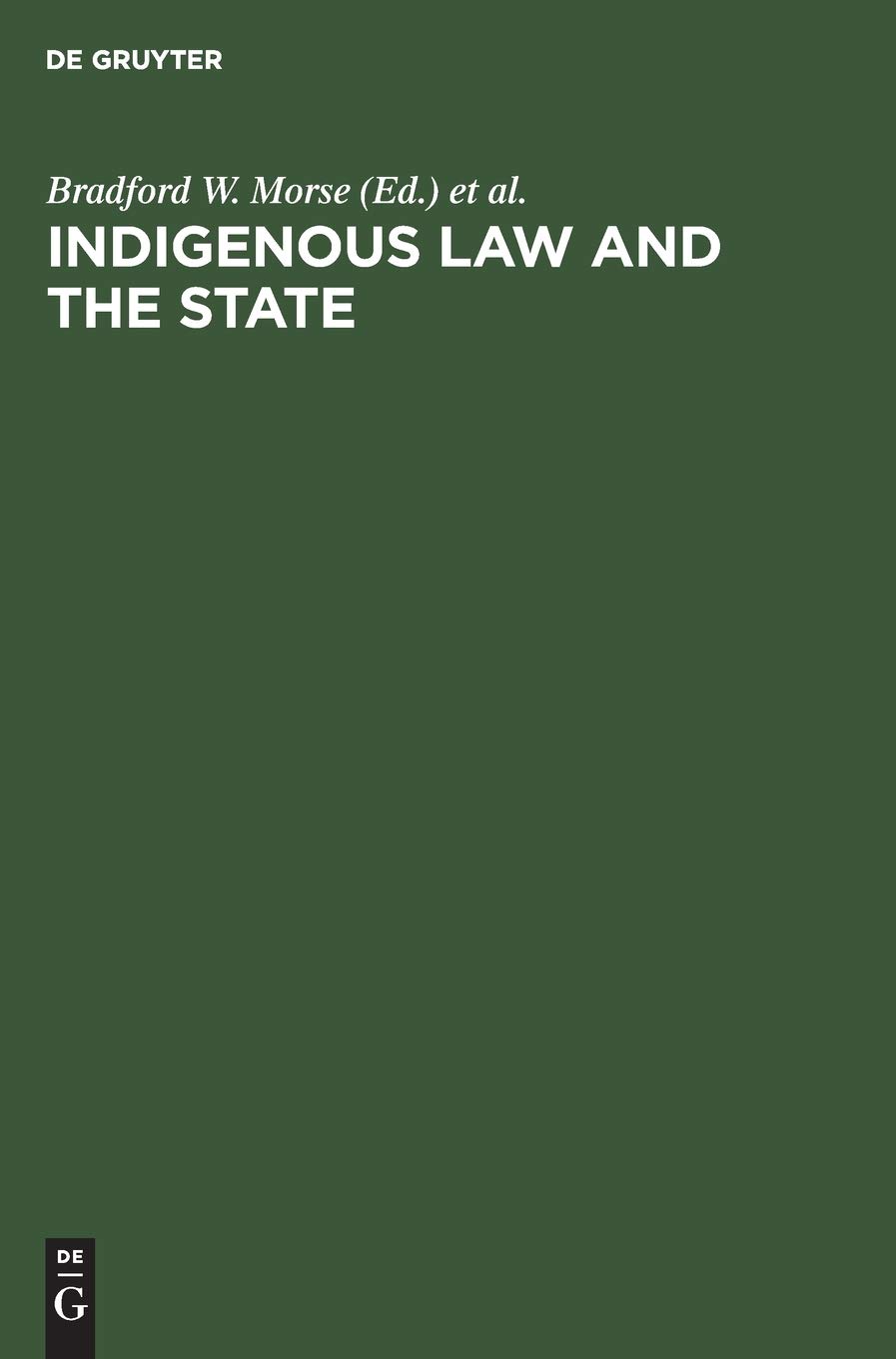
Constitutional Law
Indigenous law and the state
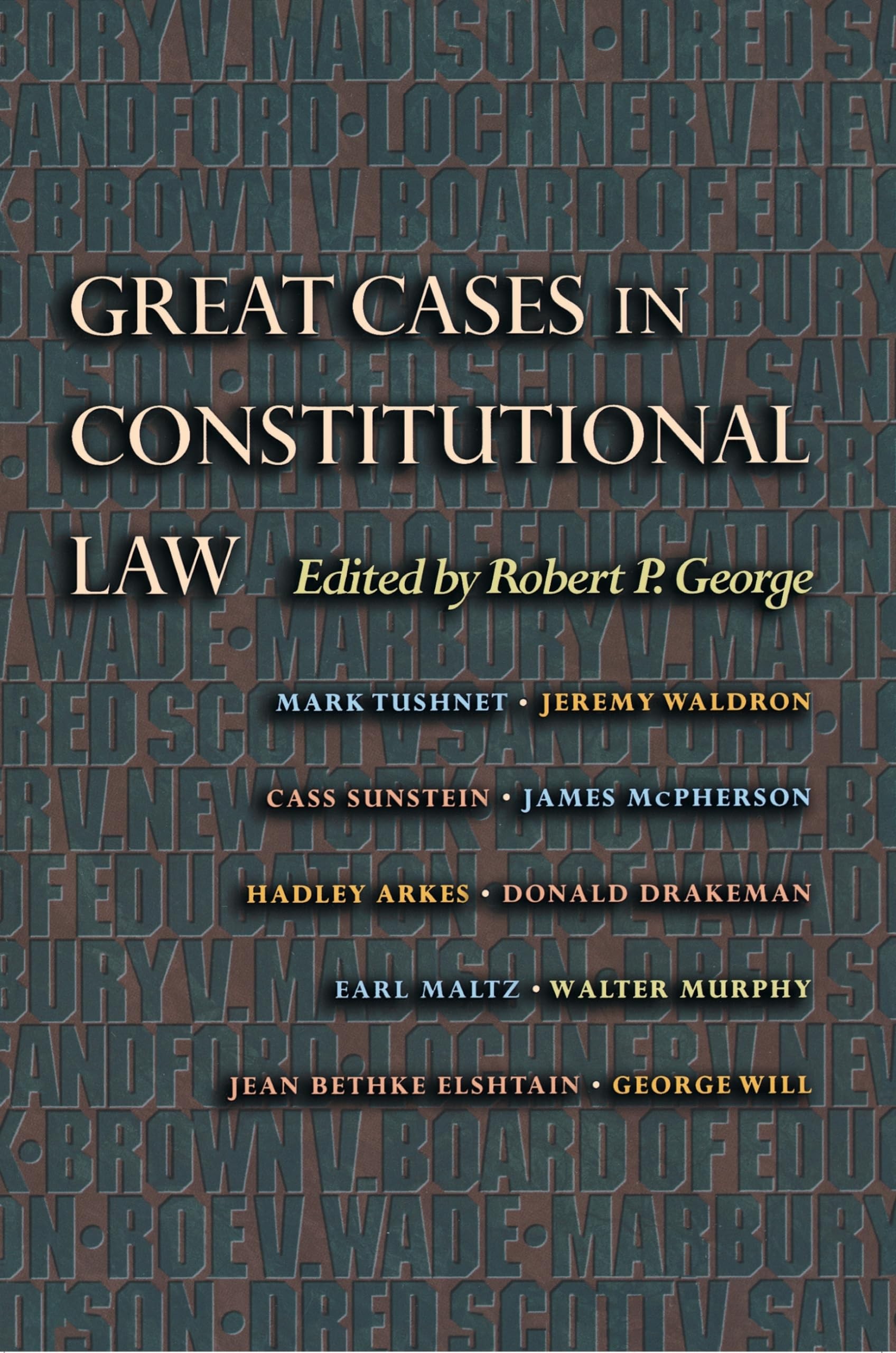
Constitutional Law
Great Cases in Constitutional Law (English, Robert P. George)
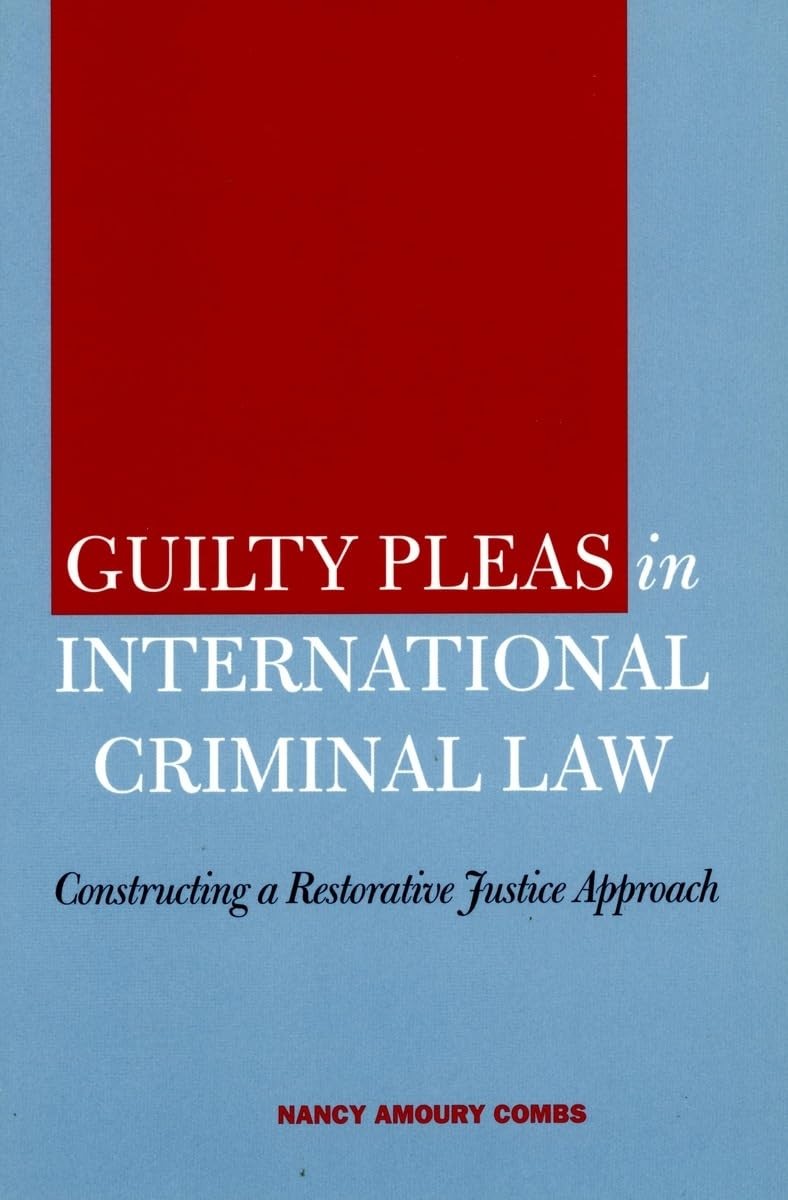
Constitutional Law
Guilty Pleas in International Criminal Law (English, Nancy Amoury Combs)
Constitutional Law
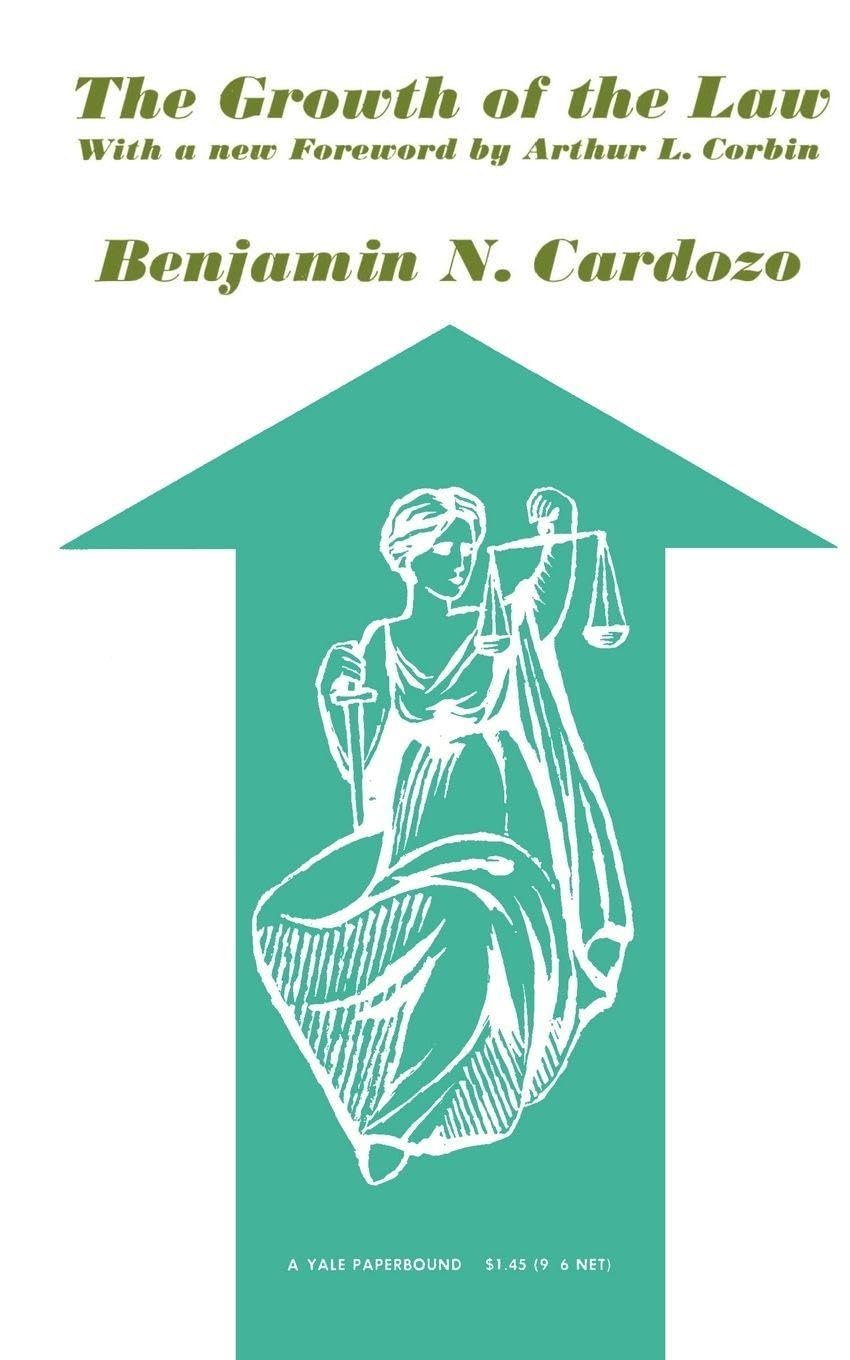
The Growth of the Law by Benjamin N. Cardozo – Jurisprudence
Constitutional Law
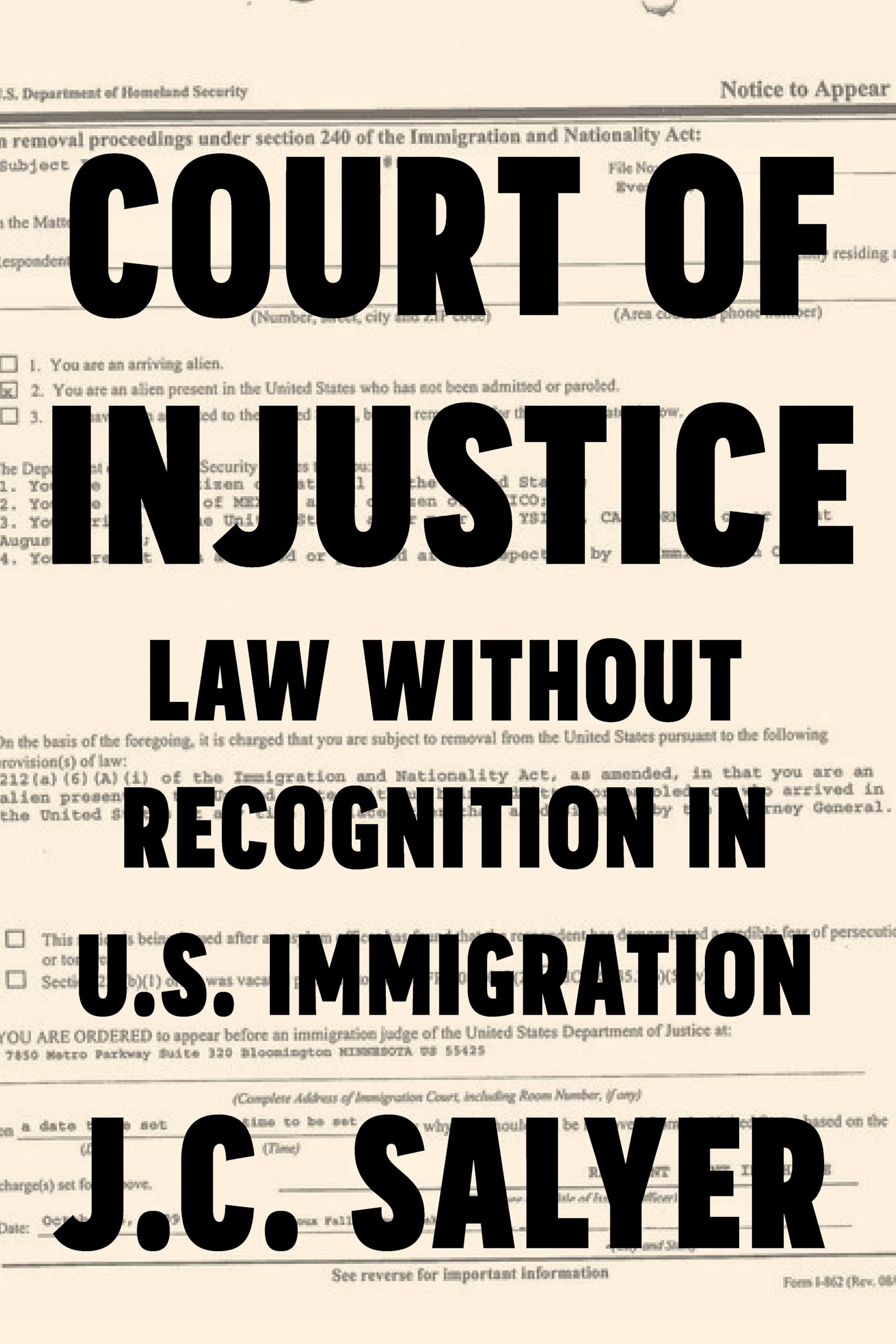
Court of Injustice: Law Without Recognition in U.S. Immigration by J. C. Salyer
Constitutional Law
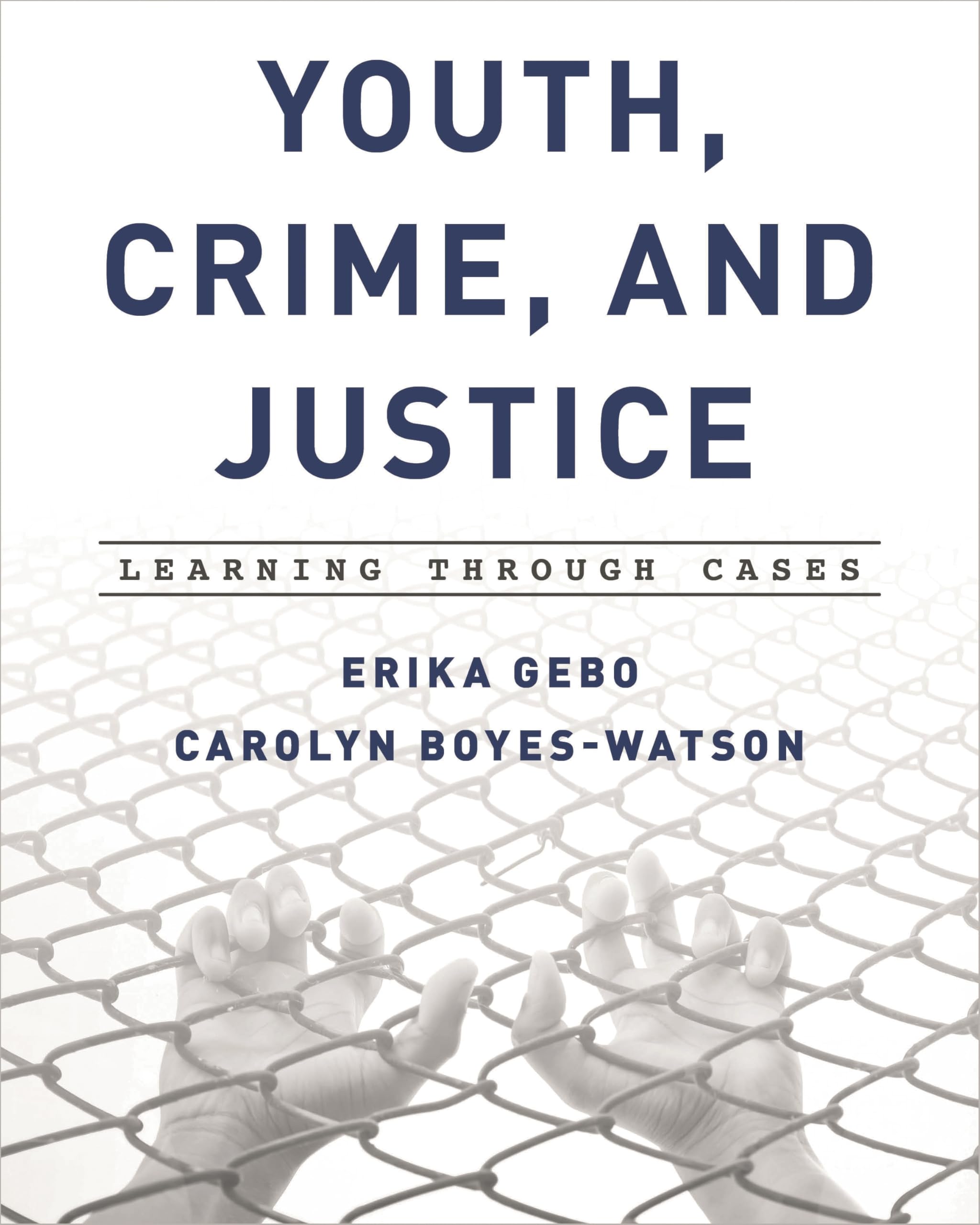
Youth: Learning Through Cases
Related Products
View All
Law
Mediasport | by Lawrence Wenner | Routledge | by Lawrence Wenner | Routledge | by Lawrence Wenner | Routledge | by Lawrence Wenner | Routledge | by Lawrence Wenner | Routledge | by Lawrence Wenner | Routledge | by Lawrence Wenner | Routledge | by Lawrence Wenner | Routledge | by Lawrence Wenner | Routledge | by Lawrence Wenner | Routledge | by Lawrence Wenner | Routledge | by Lawrence Wenner | Routledge | by Lawrence Wenner | Routledge | by Lawrence Wenner | Routledge | by Lawrence Wenner | Rout

Law
Human Rights Diplomacy | by Rein Mullerson | Routledge | by Rein Mullerson | Routledge | by Rein Mullerson | Routledge | by Rein Mullerson | Routledge | by Rein Mullerson | Routledge | by Rein Mullerson | Routledge | by Rein Mullerson | Routledge | by Rein Mullerson | Routledge | by Rein Mullerson | Routledge | by Rein Mullerson | Routledge | by Rein Mullerson | Routledge | by Rein Mullerson | Routledge | by Rein Mullerson | Routledge | by Rein Mullerson | Routledge | by Rein Mullerson | Routled
Law
Rome the Law-Giver | by Declareuil J. | Routledge | by Declareuil J. | Routledge | by Declareuil J. | Routledge | by Declareuil J. | Routledge | by Declareuil J. | Routledge | by Declareuil J. | Routledge | by Declareuil J. | Routledge | by Declareuil J. | Routledge | by Declareuil J. | Routledge | by Declareuil J. | Routledge | by Declareuil J. | Routledge | by Declareuil J. | Routledge | by Declareuil J. | Routledge | by Declareuil J. | Routledge | by Declareuil J. | Routledge | by Declareuil
Law
Human Rights and Gender Politics | by Anne-Marie Hilsdon | Martha MacIntyre | Vera MacKie | Routledge | by Anne-Marie Hilsdon | Martha MacIntyre | Vera MacKie | Routledge | by Anne-Marie Hilsdon | Martha MacIntyre | Vera MacKie | Routledge | by Anne-Marie Hilsdon | Martha MacIntyre | Vera MacKie | Routledge | by Anne-Marie Hilsdon | Martha MacIntyre | Vera MacKie | Routledge | by Anne-Marie Hilsdon | Martha MacIntyre | Vera MacKie | Routledge | by Anne-Marie Hilsdon | Martha MacIntyre | Vera Mac
Law
Politics of Human Rights in Southeast Asia | by Philip J. Eldridge | Routledge | by Philip J. Eldridge | Routledge | by Philip J. Eldridge | Routledge | by Philip J. Eldridge | Routledge | by Philip J. Eldridge | Routledge | by Philip J. Eldridge | Routledge | by Philip J. Eldridge | Routledge | by Philip J. Eldridge | Routledge | by Philip J. Eldridge | Routledge | by Philip J. Eldridge | Routledge | by Philip J. Eldridge | Routledge | by Philip J. Eldridge | Routledge | by Philip J. Eldridge |
Law