

The Victorian Art School: Architecture, History, Environment by Lawrence Ranald – A Deep Dive into Nineteenth-Century De
Inclusive of all applicable taxes. FREE shipping on all orders.
Available Offers
- 🚚Free Delivery — Free shipping on all orders
- 💵Cash on Delivery — Pay when your order arrives
- ↩️15-Day Easy Returns — Hassle-free return policy
- 🔒Cash on Delivery — Pay safely when your order arrives
Check Delivery
Product Description
Introduction
The Victorian Art School: Architecture, History, Environment by Lawrence Ranald offers a groundbreaking exploration of how art schools shaped the urban and educational landscape of nineteenth-century Britain. This hardcover volume, published by Routledge, is a vital resource for students, architects, historians, and educators interested in the intersection of design, pedagogy, and civic improvement. With a focus on iconic institutions like Charles Rennie Mackintosh’s Glasgow School of Art and earlier examples in Manchester and Birmingham, the book reveals how these buildings were not just centres of learning but also responses to the environmental challenges of the Victorian city. For Indian readers, this book provides a rich comparative lens to understand how colonial and postcolonial art education evolved in parallel with global movements.
Book Overview
Lawrence Ranald meticulously documents the rise of the art school in the nineteenth century, tracing its origins from South Kensington to the industrial heartlands of Britain. The book argues that these institutions were designed with an unprecedented concern for light and air, combating the pollution and overcrowding of Victorian urban centres. By examining the architectural innovations, pedagogical theories, and local governance struggles that shaped these schools, the author presents a unique environmental reading of the city. The narrative highlights how provincial cities like Manchester and Birmingham fought for cultural independence from London, using their art schools as symbols of civic pride and modernity.
Key Highlights
- Environmental focus: Explores how art school design prioritized natural light and ventilation in polluted cities.
- Architectural case studies: In-depth analysis of Mackintosh’s Glasgow School of Art, Manchester School of Art, and Birmingham School of Art.
- Pedagogical evolution: Traces the shift from South Kensington’s centralized model to provincial autonomy in art education.
- Urban context: Connects art school construction with broader civic improvement programmes in Victorian Britain.
- Cultural independence: Reveals tensions between capital and provinces in shaping design education.
Inside the Book
The volume is divided into thematic chapters that blend architectural history, environmental studies, and educational theory. Readers will find detailed floor plans, archival photographs, and contemporary illustrations that bring the buildings to life. The text examines how innovations in glass, iron, and ventilation systems were deployed to create healthier learning spaces. It also delves into the curriculum debates that influenced school layouts, from drawing studios to museum galleries. Each case study is contextualized within the social and economic realities of its time, making the book a rich tapestry of Victorian life.
Key Topics
- Origins of the South Kensington system and its spread across Britain.
- Architectural responses to urban pollution and overcrowding.
- The role of art schools in municipal ‘Improvement’ programmes.
- Pedagogical conflicts between central authority and local innovation.
- Technological advancements in building materials and environmental controls.
- Gender and class dynamics in Victorian art education.
Reader Benefits
This book offers Indian readers a deep understanding of how architectural design can support creative education in challenging urban environments. It provides a historical blueprint for designing art schools that prioritize health, light, and community engagement. For architects and urban planners, it offers lessons in sustainable design that remain relevant today. Students of art history and education will gain insight into the global roots of modern art pedagogy, while general readers will enjoy the vivid storytelling about iconic buildings and the people who built them.
Learning Outcomes
- Understand the environmental imperatives that shaped Victorian art school architecture.
- Analyze the relationship between design education and civic identity in provincial cities.
- Evaluate the impact of technological innovations on nineteenth-century building design.
- Critique the tensions between centralized and decentralized models of art education.
- Apply historical lessons to contemporary challenges in art school planning and urban design.
Who Should Read
This book is ideal for architecture students and professionals interested in the history of educational buildings. It is equally valuable for art historians, curators, and educators exploring the roots of modern art pedagogy. Urban planners and environmental designers will find the Victorian responses to pollution and light particularly insightful. Indian readers studying colonial architecture or comparative education systems will appreciate the nuanced discussion of cultural independence and institutional design. Finally, anyone fascinated by the Victorian era’s legacy in shaping today’s creative institutions will find this a compelling read.
About the Author
Lawrence Ranald is a scholar of architectural history and environmental design, with a focus on nineteenth-century British institutions. His research bridges the gap between building technology, urbanism, and educational theory. Ranald has published extensively on the relationship between architecture and pedagogy, and his work is known for its meticulous archival research and interdisciplinary approach. He brings a rare sensitivity to the social and environmental contexts that shaped Victorian art schools, making complex ideas accessible to a wide audience.
About the Publisher
Routledge is a globally respected academic publisher, renowned for its extensive catalogue in the humanities, social sciences, and built environment. With a history spanning over 180 years, Routledge is committed to publishing rigorous, innovative scholarship that advances knowledge across disciplines. This hardcover edition reflects the publisher’s dedication to high-quality production and editorial excellence, ensuring that the book is a durable addition to any library.
Conclusion
The Victorian Art School: Architecture, History, Environment is more than a historical study—it is a vital resource for anyone seeking to understand how buildings can shape learning and community life. Lawrence Ranald’s original environmental reading of the Victorian city offers timeless lessons for architects, educators, and urban planners in India and beyond. By exploring the interplay of light, air, and design, this book illuminates the enduring power of art schools as catalysts for cultural and civic renewal. Add this essential volume to your collection and discover the hidden history behind some of Britain’s most iconic educational buildings.
Quick Summary
The Victorian Art School: Architecture, History, Environment by Lawrence Ranald is a scholarly exploration of the rise of art schools in nineteenth-century Britain. Beginning with the South Kensington model, the book traces how these institutions proliferated in industrial cities like Glasgow, Manchester, and Birmingham. Lawrence Ranald focuses on the architectural innovations that prioritized natural light and fresh air in response to the severe pollution of Victorian urban centers. The Glasgow School of Art by Charles Rennie Mackintosh is a central example, showcasing how design education and local governance converged. The book also reveals the provincial struggle for cultural independence from London, making it a rich study of both architecture and social history. Readers will learn about the environmental reading of the Victorian city, the evolution of design education, and the technological advancements in school buildings. This book is ideal for architecture students, historians, and anyone interested in the intersection of education, urbanism, and environmental design. By purchasing from Bookshops.in, Indian readers get a premium hardcover edition with fast delivery and reliable service.
Book Highlights
Book Specifications
| ISBN-13 | 9780367896430 |
| ISBN-10 | 0367896435 |
| Publisher | Routledge |
| Language | English |
| Dimensions | 15.24 x 1.27 x 22.86 cm |
| Weight | 386 g |
| Country | India |
| Category | Teaching & Education › Educational Philosophy |
| Genre | Non-fiction |
| Original Language | English |
Frequently Asked Questions
What is The Victorian Art School about?
Who is the author of The Victorian Art School?
Which art schools are covered in the book?
What makes this book unique?
Is this book suitable for students?
Does the book include illustrations?
What is the ISBN of The Victorian Art School?
What language is the book in?
Is this a hardcover or paperback?
Who should read this book?
What is the price of the book?
How does the book relate to environmental history?
Can I buy this book online in India?
Readers Also Search For
Customers Also Bought

Constitutional Law
Indigenous law and the state
Constitutional Law
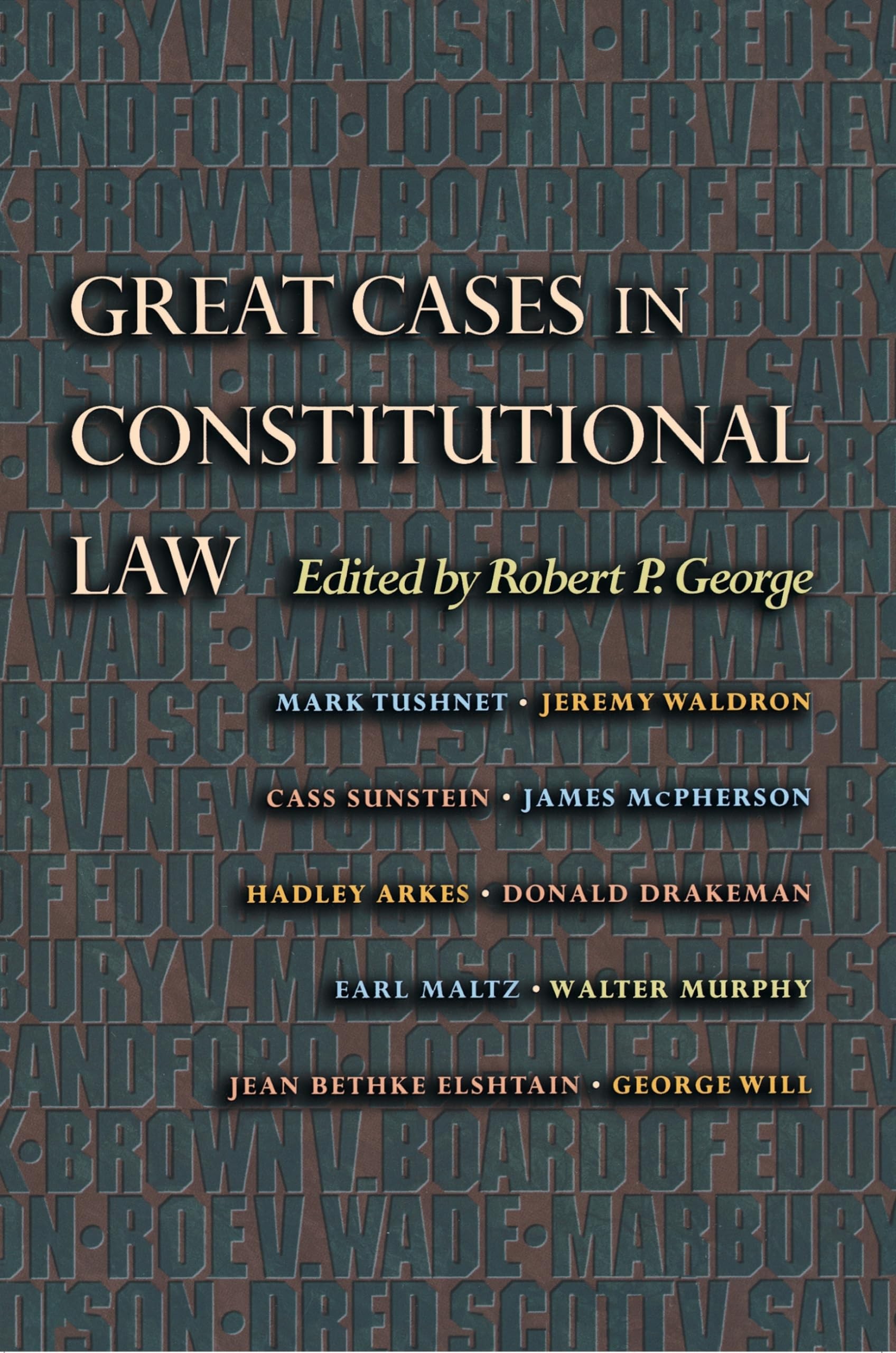
Great Cases in Constitutional Law (English, Robert P. George)

Constitutional Law
Guilty Pleas in International Criminal Law (English, Nancy Amoury Combs)

Constitutional Law
The Growth of the Law by Benjamin N. Cardozo – Jurisprudence

Constitutional Law
Court of Injustice: Law Without Recognition in U.S. Immigration by J. C. Salyer

Constitutional Law
Youth: Learning Through Cases
Related Products
View All
Law
Mediasport | by Lawrence Wenner | Routledge | by Lawrence Wenner | Routledge | by Lawrence Wenner | Routledge | by Lawrence Wenner | Routledge | by Lawrence Wenner | Routledge | by Lawrence Wenner | Routledge | by Lawrence Wenner | Routledge | by Lawrence Wenner | Routledge | by Lawrence Wenner | Routledge | by Lawrence Wenner | Routledge | by Lawrence Wenner | Routledge | by Lawrence Wenner | Routledge | by Lawrence Wenner | Routledge | by Lawrence Wenner | Routledge | by Lawrence Wenner | Rout
Law
Human Rights Diplomacy | by Rein Mullerson | Routledge | by Rein Mullerson | Routledge | by Rein Mullerson | Routledge | by Rein Mullerson | Routledge | by Rein Mullerson | Routledge | by Rein Mullerson | Routledge | by Rein Mullerson | Routledge | by Rein Mullerson | Routledge | by Rein Mullerson | Routledge | by Rein Mullerson | Routledge | by Rein Mullerson | Routledge | by Rein Mullerson | Routledge | by Rein Mullerson | Routledge | by Rein Mullerson | Routledge | by Rein Mullerson | Routled
Law
Rome the Law-Giver | by Declareuil J. | Routledge | by Declareuil J. | Routledge | by Declareuil J. | Routledge | by Declareuil J. | Routledge | by Declareuil J. | Routledge | by Declareuil J. | Routledge | by Declareuil J. | Routledge | by Declareuil J. | Routledge | by Declareuil J. | Routledge | by Declareuil J. | Routledge | by Declareuil J. | Routledge | by Declareuil J. | Routledge | by Declareuil J. | Routledge | by Declareuil J. | Routledge | by Declareuil J. | Routledge | by Declareuil
Law
Human Rights and Gender Politics | by Anne-Marie Hilsdon | Martha MacIntyre | Vera MacKie | Routledge | by Anne-Marie Hilsdon | Martha MacIntyre | Vera MacKie | Routledge | by Anne-Marie Hilsdon | Martha MacIntyre | Vera MacKie | Routledge | by Anne-Marie Hilsdon | Martha MacIntyre | Vera MacKie | Routledge | by Anne-Marie Hilsdon | Martha MacIntyre | Vera MacKie | Routledge | by Anne-Marie Hilsdon | Martha MacIntyre | Vera MacKie | Routledge | by Anne-Marie Hilsdon | Martha MacIntyre | Vera Mac
Law
Politics of Human Rights in Southeast Asia | by Philip J. Eldridge | Routledge | by Philip J. Eldridge | Routledge | by Philip J. Eldridge | Routledge | by Philip J. Eldridge | Routledge | by Philip J. Eldridge | Routledge | by Philip J. Eldridge | Routledge | by Philip J. Eldridge | Routledge | by Philip J. Eldridge | Routledge | by Philip J. Eldridge | Routledge | by Philip J. Eldridge | Routledge | by Philip J. Eldridge | Routledge | by Philip J. Eldridge | Routledge | by Philip J. Eldridge |
Law