
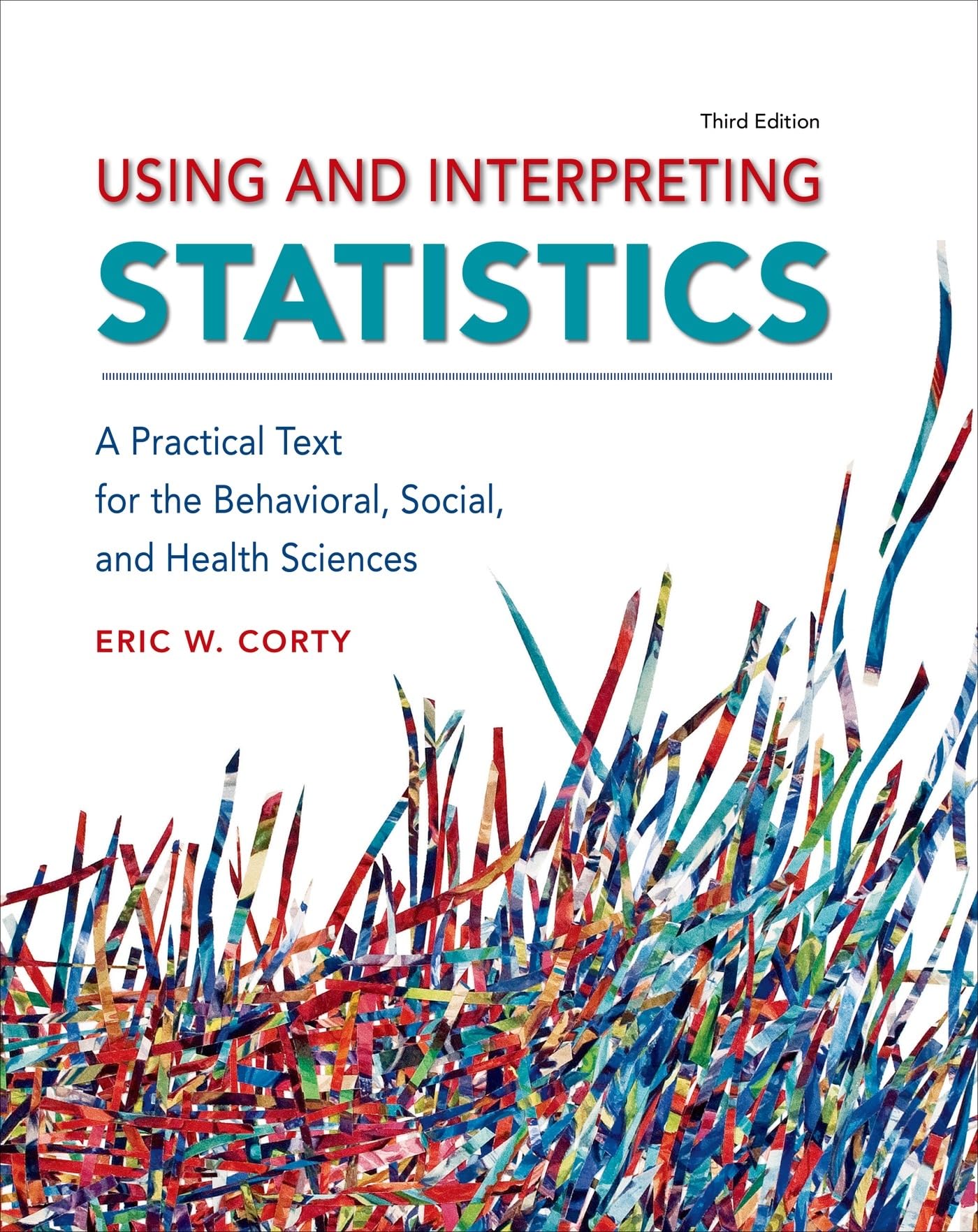
Using and Interpreting Statistics: A Practical Text for the Behavioral, Social, and Health Sciences by Eric Corty
Inclusive of all applicable taxes. FREE shipping on all orders.
Available Offers
- 🚚Free Delivery — Free shipping on all orders
- 💵Cash on Delivery — Pay when your order arrives
- ↩️15-Day Easy Returns — Hassle-free return policy
- 🔒Cash on Delivery — Pay safely when your order arrives
Check Delivery
Product Description
Introduction
Statistics can often feel like a foreign language—full of intimidating formulas and abstract concepts. Yet, for students in the behavioural, social, and health sciences, understanding statistical reasoning is essential for making sense of research, data, and real-world decisions. Eric Corty’s Using and Interpreting Statistics: A Practical Text for the Behavioral, Social, and Health Sciences bridges that gap, offering a clear, step-by-step guide that speaks directly to learners. Whether you are a psychology undergraduate in Mumbai, a public health researcher in Delhi, or a social work student in Bengaluru, this hardcover volume provides the tools you need to collect, analyse, and interpret data with confidence.
Book Overview
This award-winning textbook is designed specifically for students who may be encountering statistical methods for the first time. Unlike dense, theory-heavy manuals, Corty’s approach is conversational and practical. Each concept is introduced through relatable examples drawn from everyday life—such as comparing exam scores, understanding survey responses, or evaluating health interventions. The book emphasizes interpretation over computation, helping readers focus on what statistics actually mean in context. With plenty of practice opportunities and a friendly tone, it transforms a potentially daunting subject into an accessible and even enjoyable learning experience.
Key Highlights
- Step-by-step guidance that breaks down complex statistical procedures into manageable parts.
- Real-world examples from behavioural, social, and health sciences, as well as familiar scenarios like sports, shopping, and social media.
- Interpretation-first approach that prioritises understanding results rather than just crunching numbers.
- Practice exercises at the end of each chapter to reinforce learning and build confidence.
- Accessible language that avoids unnecessary jargon, making the content suitable for non-mathematical readers.
Inside the Book
Organised into clear, logical chapters, the book covers foundational topics such as descriptive statistics, probability, hypothesis testing, correlation, regression, t-tests, ANOVA, and nonparametric methods. Each chapter includes worked examples, visual illustrations, and annotated output from statistical software. Corty also provides guidance on choosing the right statistical test, interpreting p-values and confidence intervals, and avoiding common pitfalls. Appendices offer handy reference tables and formulas, ensuring that students have everything they need in one place.
Key Topics
- Descriptive statistics: mean, median, mode, variance, and standard deviation
- Probability distributions and the normal curve
- Sampling distributions and the central limit theorem
- Hypothesis testing and statistical significance
- Effect sizes and confidence intervals
- Correlation and simple linear regression
- Independent and paired t-tests
- One-way and factorial ANOVA
- Chi-square tests and other nonparametric methods
- Choosing the appropriate statistical test
Reader Benefits
Students who use this book will gain a solid conceptual foundation in statistics without feeling overwhelmed. They will learn to critically evaluate research findings, design simple studies, and communicate results effectively. The emphasis on interpretation prepares readers for advanced coursework and real-world applications in fields such as psychology, sociology, education, nursing, public health, and social work. By the end of the book, readers will not only know how to run a statistical test but—more importantly—understand what the numbers are telling them.
Learning Outcomes
- Understand the basic principles of statistical reasoning and data analysis.
- Calculate and interpret measures of central tendency and variability.
- Apply probability concepts to real-world situations.
- Conduct hypothesis tests and interpret p-values and confidence intervals.
- Use correlation and regression to examine relationships between variables.
- Compare groups using t-tests and ANOVA.
- Analyse categorical data with chi-square tests.
- Make informed decisions about which statistical method to use.
Who Should Read
This textbook is ideal for undergraduate and postgraduate students in the behavioural, social, and health sciences who are taking their first course in statistics. It is also a valuable resource for professionals who want to refresh their statistical knowledge or learn to interpret research more effectively. No prior background in mathematics beyond basic arithmetic is required—just a willingness to engage with data and think critically.
About the Author
Eric Corty is an award-winning teacher and professor of psychology at Penn State Erie, The Behrend College. With decades of experience teaching statistics to undergraduate students, he has developed a reputation for making complex material approachable and even enjoyable. His student-centred philosophy and clear, empathetic writing style shine through every chapter of this book.
About the Publisher
Worth Publishers is a leading academic publisher known for producing high-quality textbooks in psychology, sociology, and the life sciences. Their titles are widely adopted in universities worldwide, and they are committed to providing educational materials that promote deep understanding and critical thinking.
Conclusion
Statistics need not be a barrier to success in the social and health sciences. With Eric Corty’s Using and Interpreting Statistics, students gain a trusted companion that demystifies data and empowers them to think like researchers. Whether you are preparing for exams, conducting your own study, or simply trying to make sense of numbers in the news, this practical, engaging textbook is an investment in your academic and professional future. Order your hardcover copy today from Bookshops.in and take the first step toward statistical literacy.
Quick Summary
Using and Interpreting Statistics by Eric Corty is a practical textbook tailored for students in behavioral, social, and health sciences. Award-winning educator Corty speaks directly to learners, breaking down statistical concepts into manageable steps. The book covers everything from basic descriptive statistics to inferential methods like t-tests, ANOVA, and regression, with a strong focus on interpretation rather than rote calculation. Real-world examples from psychology, sociology, public health, and everyday life make the material relatable and engaging. Each chapter includes ample practice exercises to solidify understanding. This hardcover edition is durable for years of study and reference. Ideal for Indian undergraduate and graduate students taking their first statistics course, the book builds confidence and critical thinking skills essential for research. By purchasing from Bookshops.in, you get authentic imported editions at competitive prices with reliable delivery across India. Whether you are a psychology major, a public health researcher, or a social science student, this textbook will demystify statistics and empower you to analyze data effectively.
Book Highlights
Book Specifications
| ISBN-13 | 9781464107795 |
| ISBN-10 | 1464107793 |
| Publisher | Worth Publishers Inc.,U.S. |
| Language | English |
| Dimensions | 20.19 x 2.92 x 25.02 cm |
| Weight | 1 kg 340 g |
| Country | United Kingdom |
| Category | Health, Family & Personal Development › Healthy Living & Wellness |
| Genre | Non-fiction |
| Original Language | English |
Frequently Asked Questions
Is this book suitable for beginners in statistics?
Does the book cover inferential statistics?
Are there practice exercises included?
What fields is this book relevant for?
Does the book use real-world examples?
Can I use this for self-study?
Does the book include guidance on statistical software?
What is the emphasis of this textbook?
Is the author a recognized expert?
Is this book available in Indian bookstores?
Does the book cover probability?
What is the ISBN of this book?
Can I return the book if not satisfied?
Readers Also Search For
Customers Also Bought
Psychology
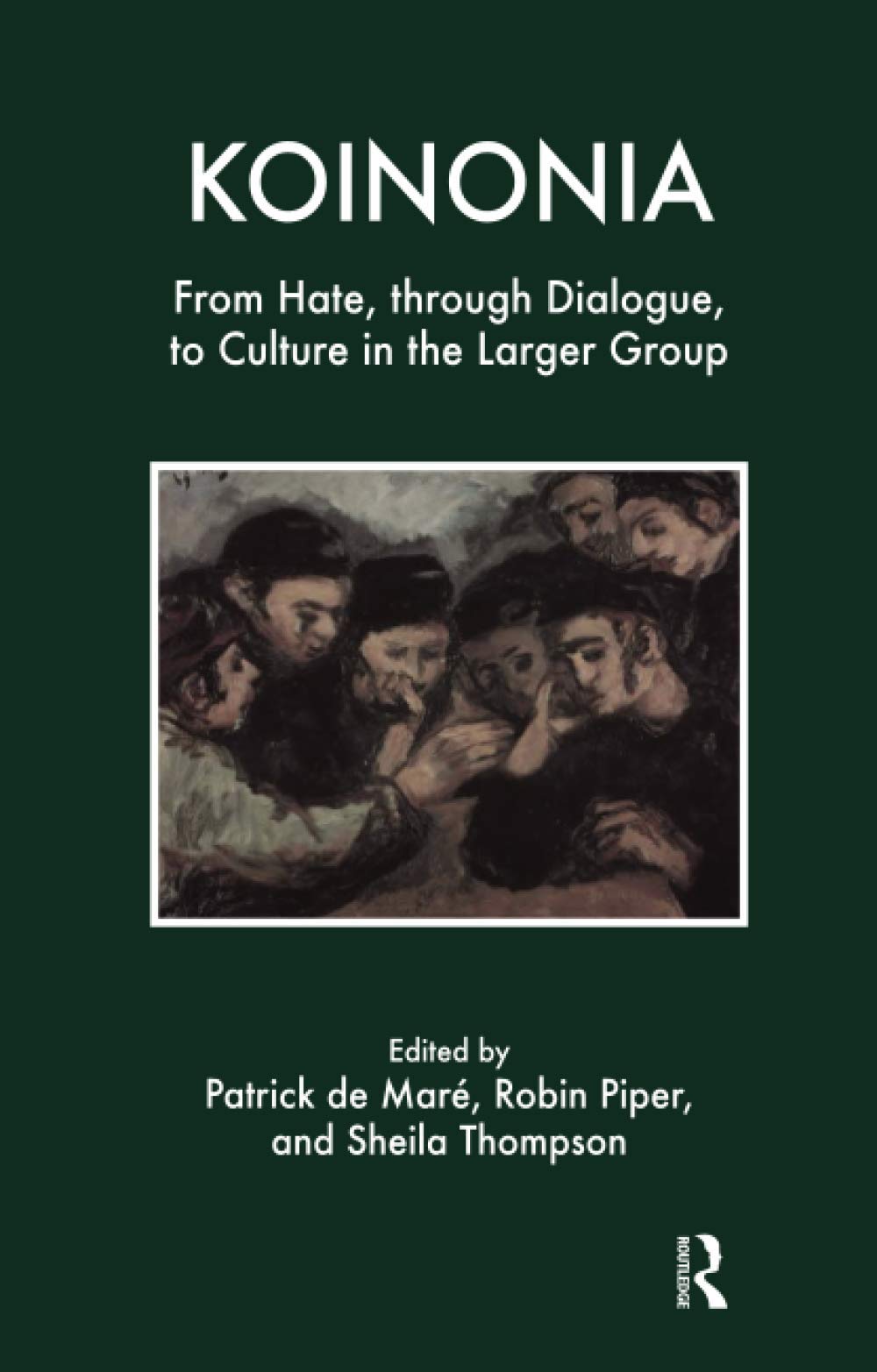
Koinonia: From Hate, Through Dialogue, to Culture in the Large Group by Patrick B. Demare
Psychology
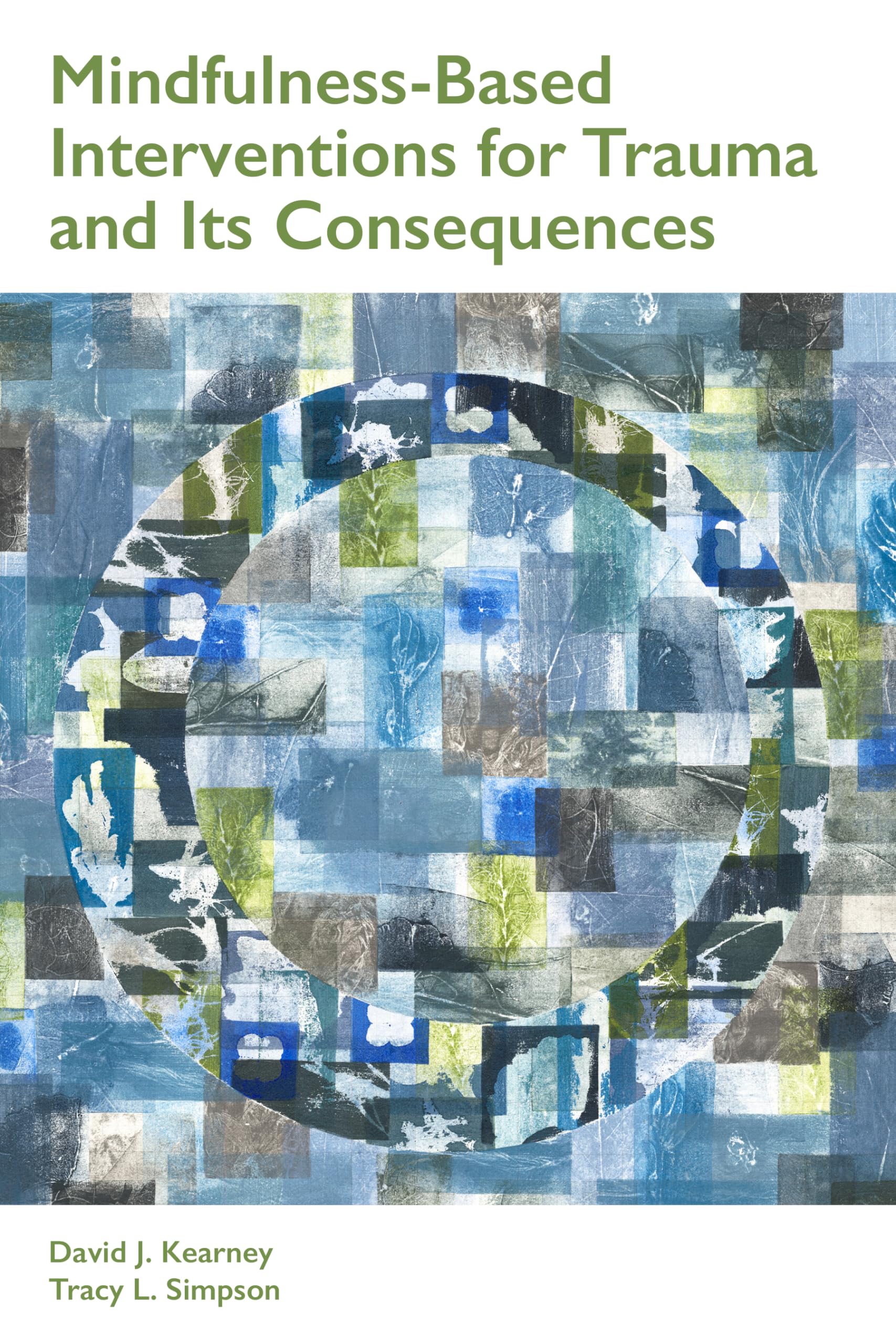
Mindfulness-Based Interventions for Trauma and Its Consequences (Concise Guides on Trauma Care, 4)

Psychology
Handbook for Teaching Statistics and Research Methods by Mark E. Ware

Psychology
Psychoanalysis and the Nuclear Threat: Clinical and Theoretical Studies
Psychology
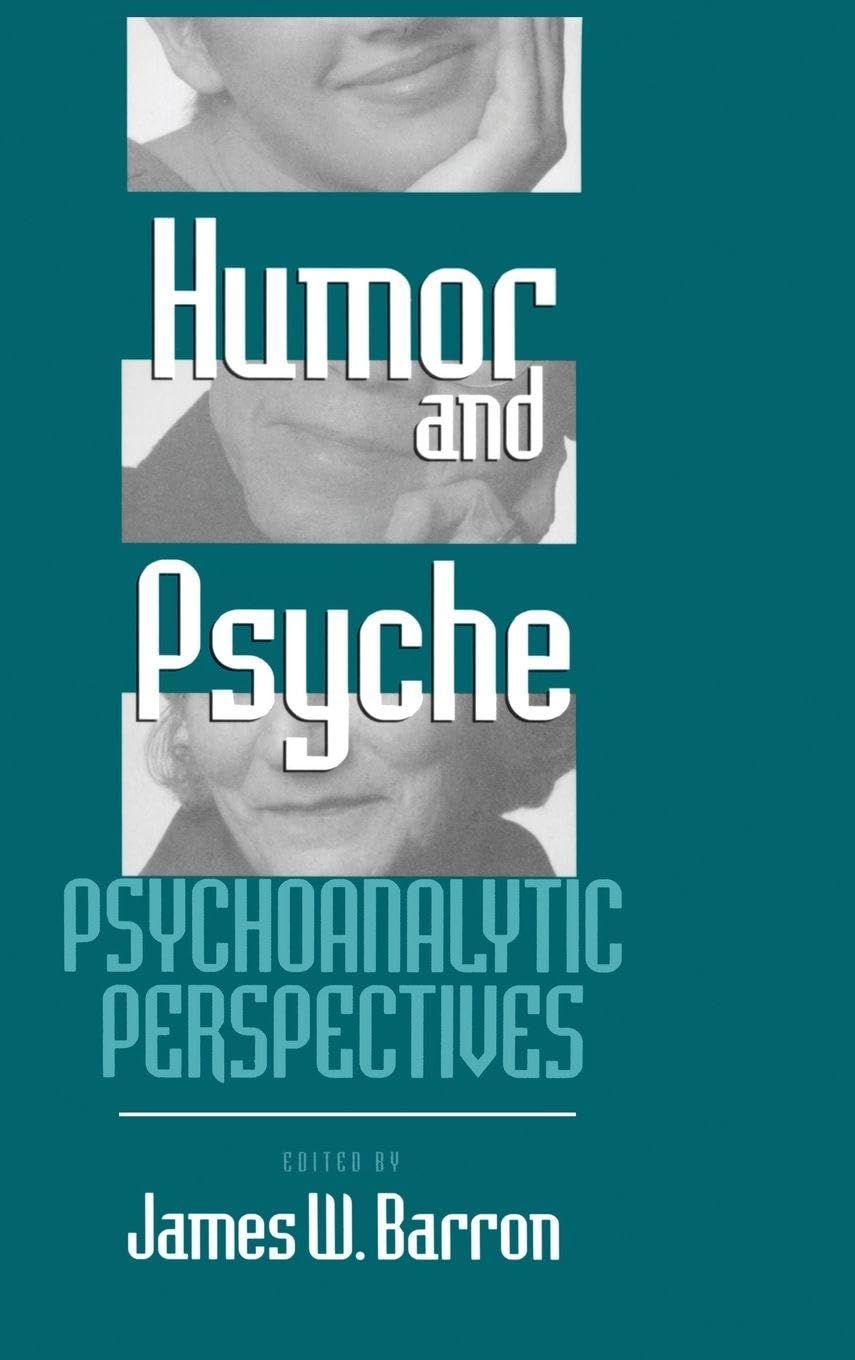
Humor and Psyche: Psychoanalytic Perspectives by James W. Barron

Relationships
The Experience and Expression of Uncertainty in Close Relationships by Jennifer A. Theiss
Related Products
View All
Health, Family & Personal Development
Making the Transition to Home: Simple Modifications to Encourage Independent Living

Health, Family & Personal Development
Asian Functional Foods (Nutraceutical Science and Technology)

Health, Family & Personal Development
State of the Marital Union: Rhetoric, Identity, and Nineteenth-Century Marriage Controversies

Health, Family & Personal Development
My Mindset, My Asset: Laying Hold on the Potentials of the Mind
Health, Family & Personal Development
Paraverbal Communication in Psychotherapy: Beyond the Words
Health, Family & Personal Development