
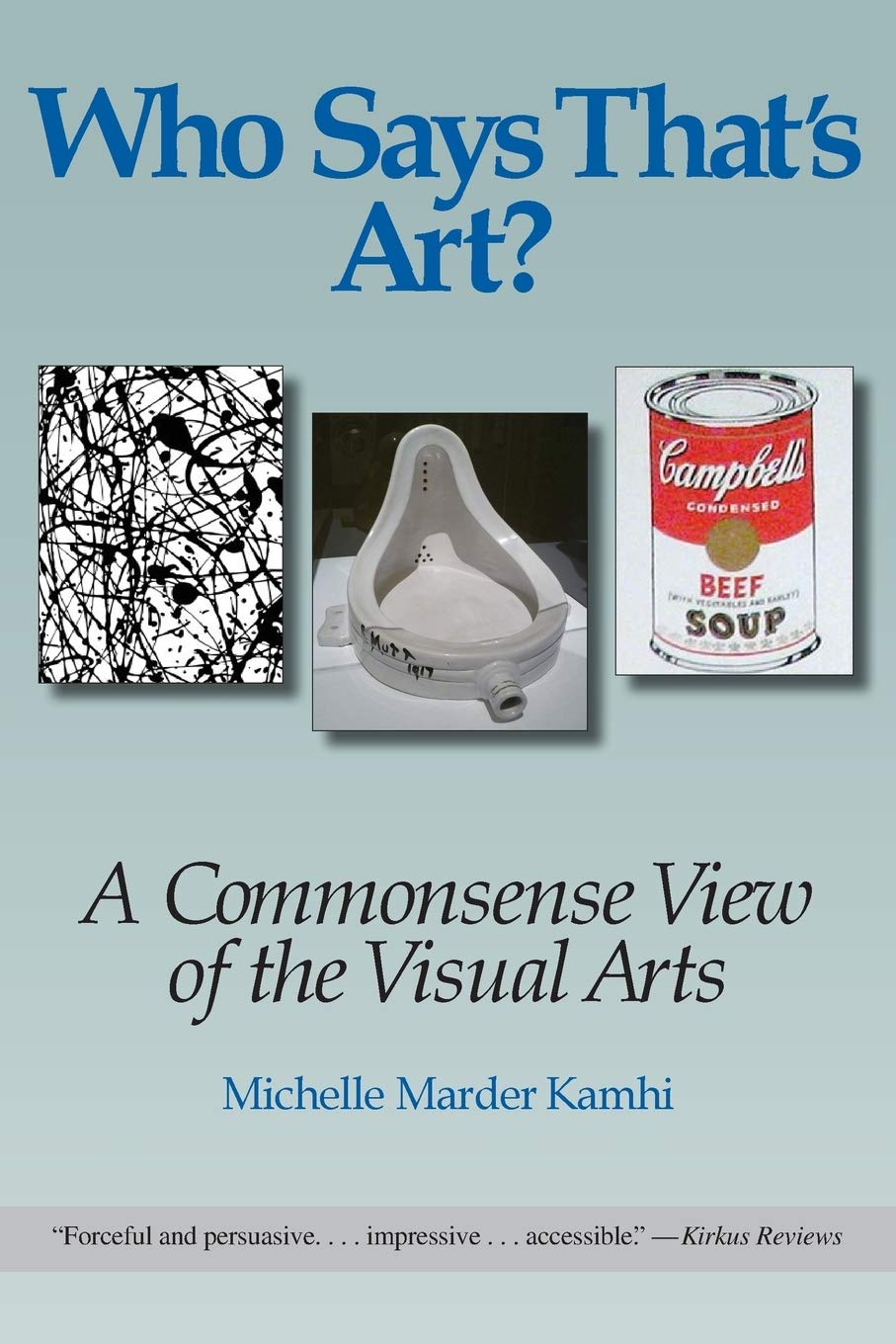
Who Says That's Art? – A Common-Sense Critique of Contemporary Art
Inclusive of all applicable taxes. FREE shipping on all orders.
Available Offers
- 🚚Free Delivery — Free shipping on all orders
- 💵Cash on Delivery — Pay when your order arrives
- ↩️15-Day Easy Returns — Hassle-free return policy
- 🔒Cash on Delivery — Pay safely when your order arrives
Check Delivery
Product Description
Introduction
In a world where a banana taped to a wall or a pile of trash can be hailed as groundbreaking art, many thoughtful viewers are left wondering: Who Says That's Art? This provocative and eye-opening book by Michelle Marder Kamhi takes a bold stand against the arbiters of the contemporary art world. Written for the discerning reader who loves art but feels alienated by modern galleries, this hardcover volume is a must-have for every Indian art lover, student, and curious mind who dares to question the status quo.
Book Overview
Who Says That's Art? is a fearless investigation into how the art establishment has redefined art to include virtually anything—from all-black canvases and supermarket carton facsimiles to dead animals preserved in formaldehyde. Kamhi argues that the public's instinctive rejection of such works is not ignorance but sound judgment. The book traces the philosophical and cultural shifts that led to this bizarre state of affairs, naming the key players and ideas responsible. It offers a commonsense, accessible critique that empowers readers to trust their own eyes and reclaim the definition of art.
Key Highlights
- Bold and Accessible: Written in plain language, free of academic jargon, making complex ideas easy to grasp for Indian readers.
- Critical Perspective: Challenges the authority of museum curators, critics, and art professors who claim that 'anything goes' in art.
- Real-World Examples: Discusses famous controversial works—from Damien Hirst's preserved shark to Marcel Duchamp's readymades—and explains why they fail as art.
- Empowering Message: Reassures readers that their dislike of modern 'shock art' is valid and rooted in a sound understanding of what art truly is.
- Hardcover Quality: A durable, beautifully bound edition perfect for your personal library or as a gift for art enthusiasts.
Inside the Book
This book is divided into clear, engaging chapters that build a compelling case. Kamhi begins by defining art in a way that resonates with common sense—art as a skilled representation or expression of human experience. She then traces how 20th-century theorists abandoned this definition, replacing it with concepts like 'the artist's intention' or 'institutional approval.' The book exposes the flawed logic behind movements such as Dada, Abstract Expressionism, and Conceptual Art. It also examines the role of money, hype, and elitism in propping up works that have no intrinsic aesthetic value. Each chapter ends with thought-provoking questions that encourage readers to apply the arguments to their own experiences.
Key Topics
- What is art? A commonsense definition that stands the test of time.
- The rise of the 'artworld' and its gatekeepers—how they gained power.
- The philosophical errors of Duchamp, Warhol, and other icons.
- Why 'anything can be art' is a bankrupt idea.
- The economic and social interests that sustain the contemporary art market.
- How to distinguish genuine artistic skill from conceptual gimmickry.
- The role of beauty, craftsmanship, and meaning in true art.
Reader Benefits
- Gain Clarity: Understand why you feel disconnected from modern art and why that's okay.
- Build Confidence: Learn to articulate your opinions in discussions about art with friends, teachers, or at galleries.
- Save Time and Money: Avoid being intimidated by pretentious exhibitions and make informed choices about what art to appreciate.
- Deepen Appreciation: Rediscover the joy of traditional and representational art forms that truly speak to the human spirit.
- Stay Informed: Equip yourself with knowledge about the biggest debate in contemporary culture.
Learning Outcomes
- Define art using a clear, evidence-based framework.
- Identify the historical moments that led to the current crisis in art.
- Critically evaluate contemporary art claims made by experts and institutions.
- Recognize the difference between artistic skill and conceptual novelty.
- Develop your own informed perspective on what deserves to be called art.
Who Should Read
This book is ideal for Indian students of fine arts, philosophy, and cultural studies who want a counterpoint to mainstream art education. It is also perfect for art collectors, gallery visitors, and anyone who has ever walked out of a modern art museum feeling confused or cheated. Teachers, writers, and parents will find it a valuable resource to help young people think critically about visual culture. If you love classical Indian art, Mughal miniatures, or realistic painting and sculpture, this book will validate your taste and arm you with arguments to defend it.
About the Author
Michelle Marder Kamhi is an independent scholar and writer who has spent decades studying the philosophy of art. She is a former editor of the journal Arts Education Policy Review and has contributed to numerous publications on aesthetics. Kamhi is known for her clear, no-nonsense style and her willingness to challenge orthodoxies in the art world. With a background in both art history and cognitive science, she brings a unique interdisciplinary perspective to the question of what makes something art. Her work has been praised by artists, educators, and everyday art lovers who feel their voices have been ignored.
About the Publisher
Pro Arte Books is a publishing house dedicated to promoting serious, thoughtful discourse on the arts. Based in the United States, Pro Arte focuses on works that defend traditional artistic values and challenge the excesses of the contemporary art scene. Their catalogue includes titles on art theory, criticism, and history, all aimed at a general readership. Pro Arte Books believes that art should be accessible, meaningful, and rooted in human experience—a philosophy that perfectly aligns with Who Says That's Art?
Conclusion
Who Says That's Art? is more than a book—it is a rallying cry for everyone who has ever felt gaslit by the art world. In an age of curated confusion, Michelle Marder Kamhi offers clarity, courage, and a return to the timeless standards that make art truly great. Whether you are a student preparing for exams, a professional seeking intellectual stimulation, or simply a lover of beauty, this hardcover edition deserves a place on your shelf. Order your copy today from Bookshops.in and join the growing movement of people who are reclaiming art for themselves.
Quick Summary
Who Says That's Art? by Michelle Marder Kamhi is a refreshingly clear and provocative examination of the contemporary art world. The book argues that the art establishment has abandoned traditional aesthetic standards, leading to a disconnect between what museums display and what the public genuinely appreciates. Kamhi explains how mistaken ideas from the 20th century—such as Duchamp's readymades and conceptual art—have allowed virtually anything to be called art, from all-black paintings to preserved animals. She makes a compelling case for returning to a common-sense definition of art rooted in skill, beauty, and meaning. This book is ideal for Indian art students, museum visitors, and anyone who has ever wondered, 'Why is that considered art?' Readers will learn to trust their own aesthetic instincts and critically evaluate artworks without relying on expert gatekeepers. By purchasing from Bookshops.in, Indian readers get a premium hardcover edition delivered to their doorstep, supporting a local bookstore that values thoughtful reading.
Book Highlights
Book Specifications
| ISBN-13 | 9780990605706 |
| ISBN-10 | 0990605701 |
| Publisher | Pro Arte Books |
| Language | English |
| Dimensions | 15.24 x 2.13 x 22.86 cm |
| Weight | 508 g |
| Category | Philosophy › Aesthetics |
| Genre | Non-fiction |
| Original Language | English |
Frequently Asked Questions
What is Who Says That's Art? about?
Who is the author Michelle Marder Kamhi?
Is this book suitable for someone with no art background?
Does the book cover Indian art?
What makes this book different from other art criticism books?
Is this a textbook?
Does the author dismiss all modern art?
Can I use this book for a university essay?
Is the book available in India?
What is the price of the book?
Does the book include images?
Who is the publisher?
Is this book part of a series?
Readers Also Search For
Customers Also Bought
Islam
Spiritual Economies (English, Daromir Rudnyckyj)

Islam
Who Is Allah? (English, Bruce B. Lawrence)
Islam
Islam and Liberal Citizenship: The Search for an Overlapping Consensus by Andrew F. March
Islam
Fiqh Us-Sunnah: Funerals and Diggers by Al-Sayyid Sabiq – Islamic Funeral Guide

Christianity
Genetics (English, Thomas a. Shannon | Mark P. Aulisio | Françoise Baylis)

Hinduism
Karma and Creativity by Christopher Key Chapple – Indian Philosophy
Related Products
View All
Philosophy
Latin American Philosophy: Currents, Issues, Debates by Eduardo Mendieta

Philosophy
Al-Farabi's Short Commentary on Aristotle's Prior Analytics by Nicholas Rescher – Philosophy
Philosophy
Poetics of Imagining: Modern to Post-modern by Richard Kearney

Philosophy
The Metaphysics of Extrinsic Properties: 11 (Metaphysical Research, 11)
Philosophy
Dialogues on Metaphysics and on Religion by Nicolas Malebranche – Philosophy
Philosophy