
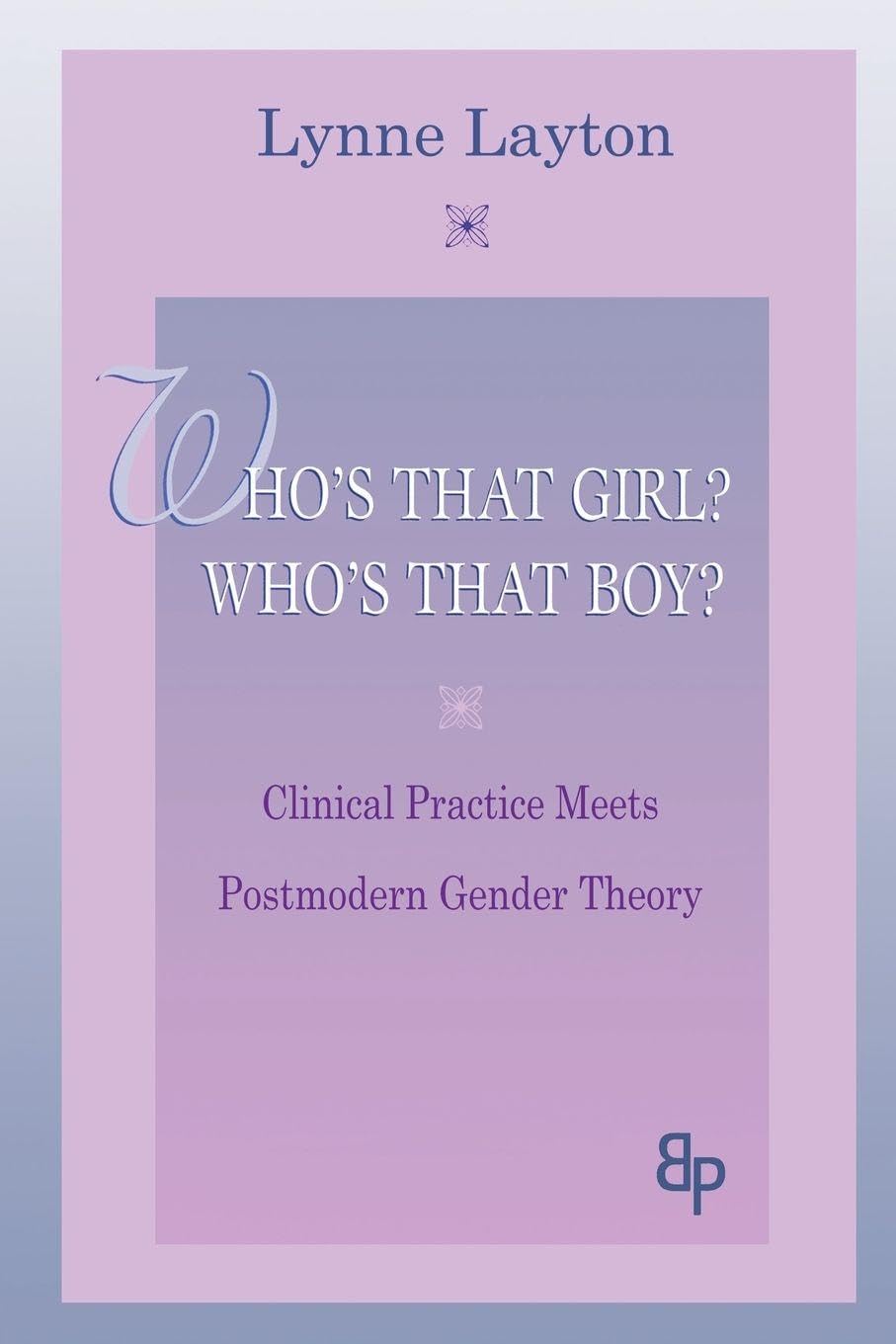
Who's That Girl? Who's That Boy?: Clinical Practice Meets Postmodern Gender Theory by Lynne Layton – A Routledge Classic
Inclusive of all applicable taxes. FREE shipping on all orders.
Available Offers
- 🚚Free Delivery — Free shipping on all orders
- 💵Cash on Delivery — Pay when your order arrives
- ↩️15-Day Easy Returns — Hassle-free return policy
- 🔒Cash on Delivery — Pay safely when your order arrives
Check Delivery
Product Description
Introduction
In a world where gender identity and expression are increasingly understood as fluid and culturally constructed, Lynne Layton's Who's That Girl? Who's That Boy?: Clinical Practice Meets Postmodern Gender Theory offers a groundbreaking dialogue between psychoanalysis and postmodern thought. This hardcover edition, published by Routledge, is an essential read for Indian students, clinicians, and scholars navigating the complex intersections of identity, gender, and clinical practice.
Book Overview
First published in 1998 and hailed as a major contribution to gender studies, this book bridges relational psychoanalysis with postmodern theories of gender. Layton challenges traditional notions of fixed gender identity, arguing that clinical practice must account for the social, cultural, and historical contexts that shape who we are. The new edition includes a foreword by series editor Jack Drescher and an afterword where Layton reflects on the evolution of her thinking over two decades.
Key Highlights
- Integrates postmodern gender theory with relational psychoanalysis in a clinically relevant manner
- Offers a critical examination of how gender binaries are maintained and disrupted in therapeutic settings
- Includes a new foreword and afterword that contextualize the work within contemporary debates
- Written in accessible language for both practitioners and students new to the field
- Draws on case studies and cultural examples to illustrate theoretical concepts
Inside the Book
The book is structured to guide readers from foundational theories to practical applications. Layton begins by deconstructing essentialist views of gender, then moves into detailed discussions of how clinicians can work with patients whose gender identities do not conform to societal norms. She explores topics such as transgender identities, queer theory, and the role of language in shaping selfhood. The afterword provides a reflective update on how her ideas have evolved in response to changing cultural landscapes.
Key Topics
- Postmodern feminist theory and psychoanalysis
- Gender performativity and identity construction
- The clinical implications of queer theory
- Transgender and non-binary experiences in therapy
- The intersection of race, class, and gender in clinical settings
- Relational psychoanalysis and the therapeutic relationship
Reader Benefits
Readers will gain a nuanced understanding of how postmodern thought can enrich clinical practice, especially when working with diverse gender identities. The book empowers mental health professionals to move beyond rigid diagnostic categories and embrace a more fluid, culturally aware approach. Students will find the theoretical foundations clearly explained, while experienced clinicians will appreciate the depth of case-based insights.
Learning Outcomes
- Understand the key tenets of postmodern gender theory and their relevance to psychoanalysis
- Identify how cultural norms shape gender identity and expression
- Apply relational psychoanalytic techniques to support clients with diverse gender experiences
- Critically evaluate traditional psychoanalytic theories of gender development
- Integrate social justice perspectives into clinical practice
Who Should Read
This book is ideal for postgraduate students of psychology, social work, and gender studies; practising psychotherapists and counsellors; academics researching gender and psychoanalysis; and anyone interested in the evolving conversation around identity in India and beyond. It is particularly valuable for those working with LGBTQ+ clients or exploring non-binary and transgender issues in clinical settings.
About the Author
Lynne Layton is a renowned psychoanalyst, scholar, and clinical supervisor based in the United States. She has written extensively on the intersection of psychoanalysis, feminism, and cultural studies. Her work is widely cited in both clinical and academic circles for its innovative blending of relational and postmodern perspectives. She is also the author of several influential papers on gender, race, and class in psychotherapy.
About the Publisher
Routledge is a leading global academic publisher known for its high-quality books in the social sciences, humanities, and behavioural sciences. With a strong commitment to advancing knowledge in psychoanalysis and gender studies, Routledge brings this important work to readers worldwide, including a growing audience in India.
Conclusion
Who's That Girl? Who's That Boy? remains a vital resource for anyone seeking to understand the complex interplay between clinical practice and postmodern gender theory. Lynne Layton's thoughtful, engaging prose makes challenging ideas accessible, while her clinical expertise ensures practical relevance. Whether you are a student, teacher, or practitioner, this book will transform how you think about gender and identity in therapy and beyond.
Quick Summary
Who's That Girl? Who's That Boy? by Lynne Layton is a seminal work that masterfully bridges postmodern gender theory with relational psychoanalysis. Originally published in 1998, this Routledge hardcover edition includes a foreword by series editor Jack Drescher and a new afterword in which Layton reflects on her evolving thinking. The book critically examines how gender identity, difference, and nonconformity manifest in clinical practice, drawing on feminist and queer theory to challenge traditional psychoanalytic assumptions. It is ideal for Indian psychology students, therapists, and gender studies scholars who want to deepen their understanding of gender from a postmodern psychoanalytic perspective. Readers will learn practical approaches for working with gender-diverse clients, gain insight into the fluidity of identity, and explore the interplay between culture and psyche. By purchasing from Bookshops.in, Indian readers receive an authentic hardcover edition with reliable delivery and support, making it a valuable addition to any academic or professional library.
Book Highlights
Book Specifications
| ISBN-13 | 9780881634228 |
| ISBN-10 | 0881634220 |
| Publisher | Routledge |
| Language | English |
| Dimensions | 15.19 x 1.7 x 22.91 cm |
| Weight | 408 g |
| Country | India |
| Category | Psychology › Clinical Psychology |
| Series | Bending Psychoanalysis Book Series |
| Genre | Non-fiction |
| Reading Age | Adult |
| Original Language | English |
Frequently Asked Questions
What is Who's That Girl? Who's That Boy? about?
Who is the author of this book?
Is this book suitable for Indian psychology students?
Does this edition include new content?
What is the binding type?
Which publisher released this book?
Is this book part of a series?
What are the main themes covered?
Can therapists benefit from this book?
What is the ISBN for this edition?
What language is the book in?
Is this book available in paperback?
What is the price of this book?
Why should I buy from Bookshops.in?
Readers Also Search For
Customers Also Bought
Psychology
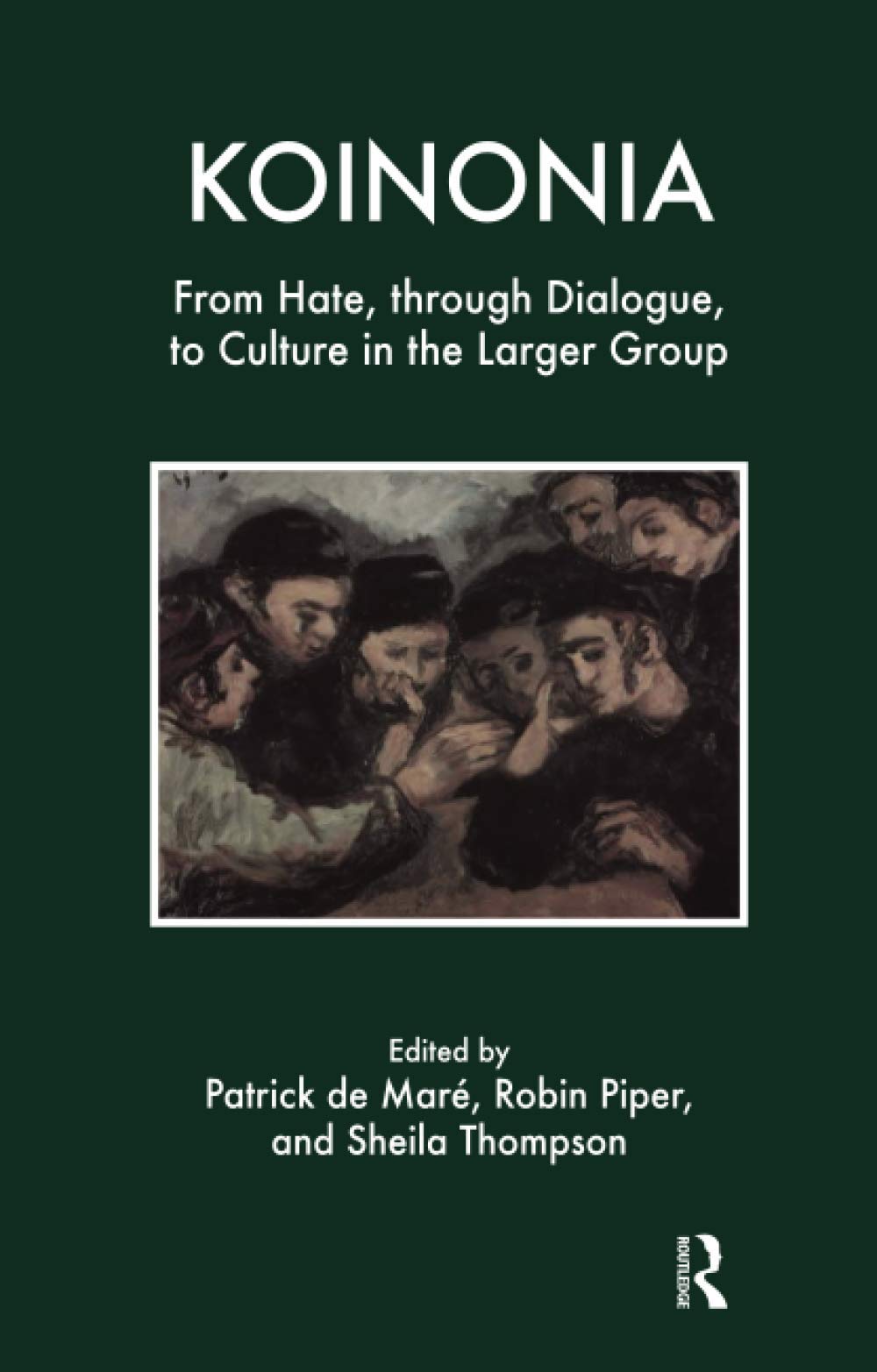
Koinonia: From Hate, Through Dialogue, to Culture in the Large Group by Patrick B. Demare
Psychology
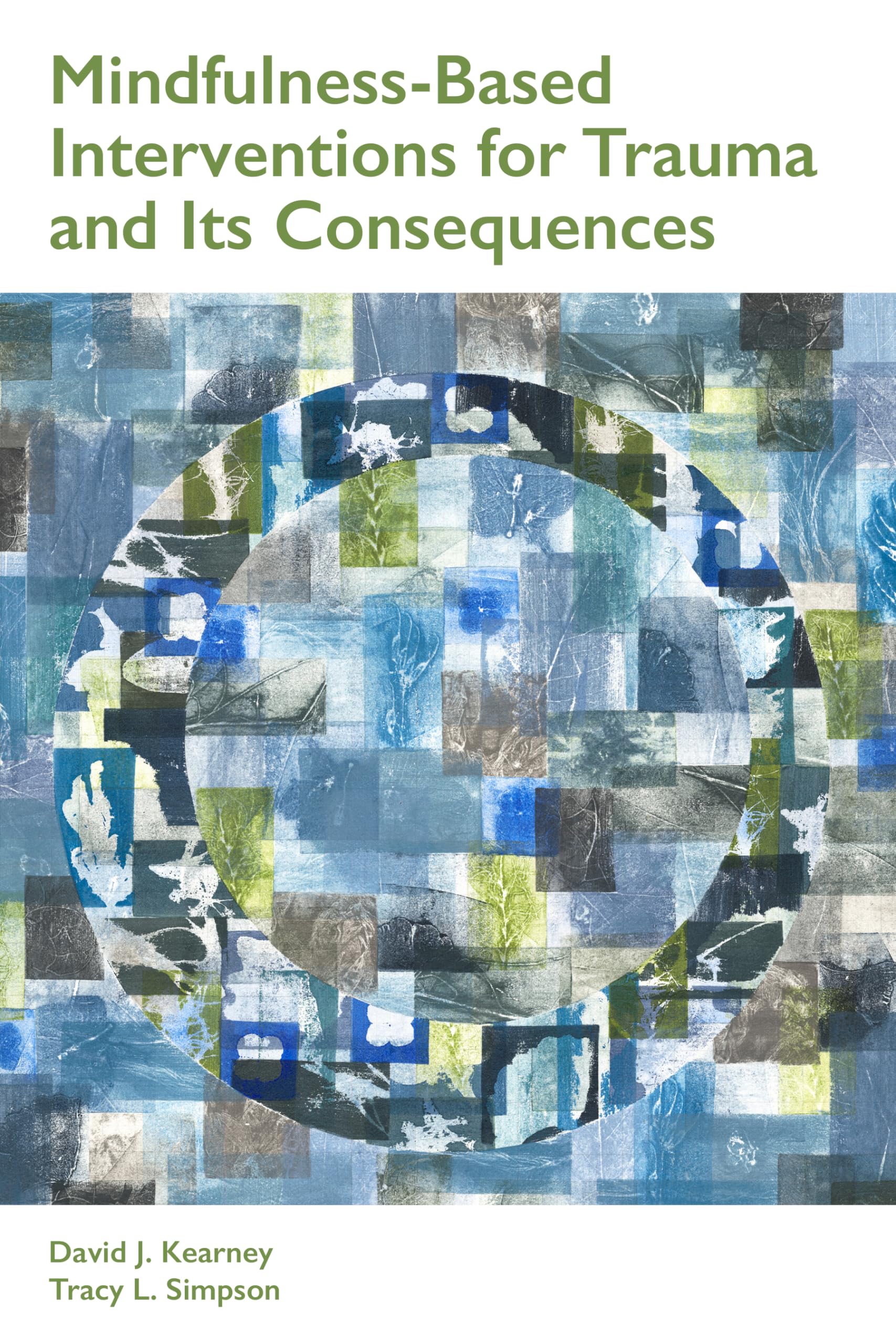
Mindfulness-Based Interventions for Trauma and Its Consequences (Concise Guides on Trauma Care, 4)

Psychology
Handbook for Teaching Statistics and Research Methods by Mark E. Ware

Psychology
Psychoanalysis and the Nuclear Threat: Clinical and Theoretical Studies
Psychology
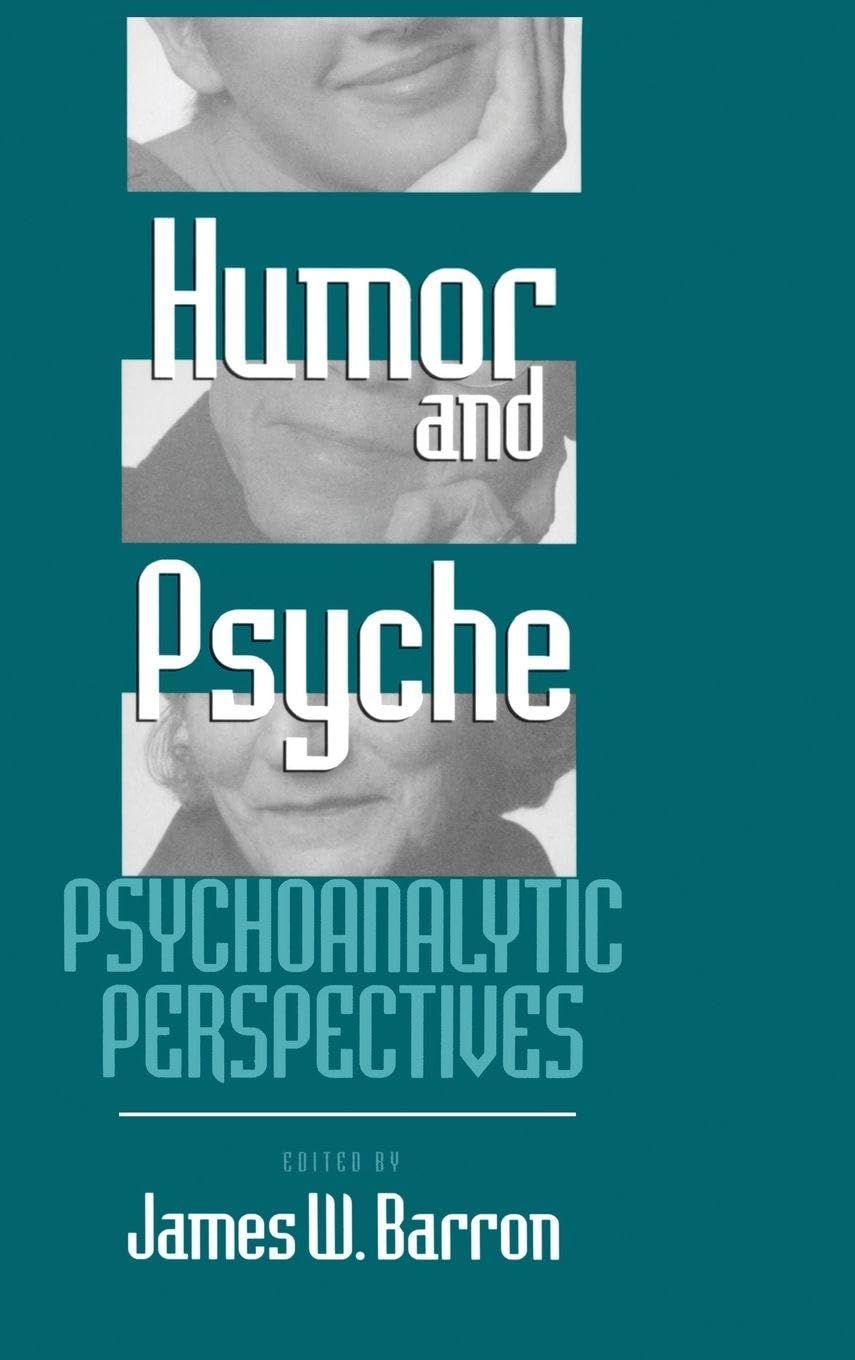
Humor and Psyche: Psychoanalytic Perspectives by James W. Barron

Relationships
The Experience and Expression of Uncertainty in Close Relationships by Jennifer A. Theiss
Related Products
View AllPsychology
Mindfulness-Based Interventions for Trauma and Its Consequences (Concise Guides on Trauma Care, 4)
Psychology
Handbook for Teaching Statistics and Research Methods by Mark E. Ware
Psychology
Psychoanalysis and the Nuclear Threat: Clinical and Theoretical Studies
Psychology
Humor and Psyche: Psychoanalytic Perspectives by James W. Barron

Psychology
Proceedings of the First International Conference on Genetic Algorithms and Their Applications
Psychology