
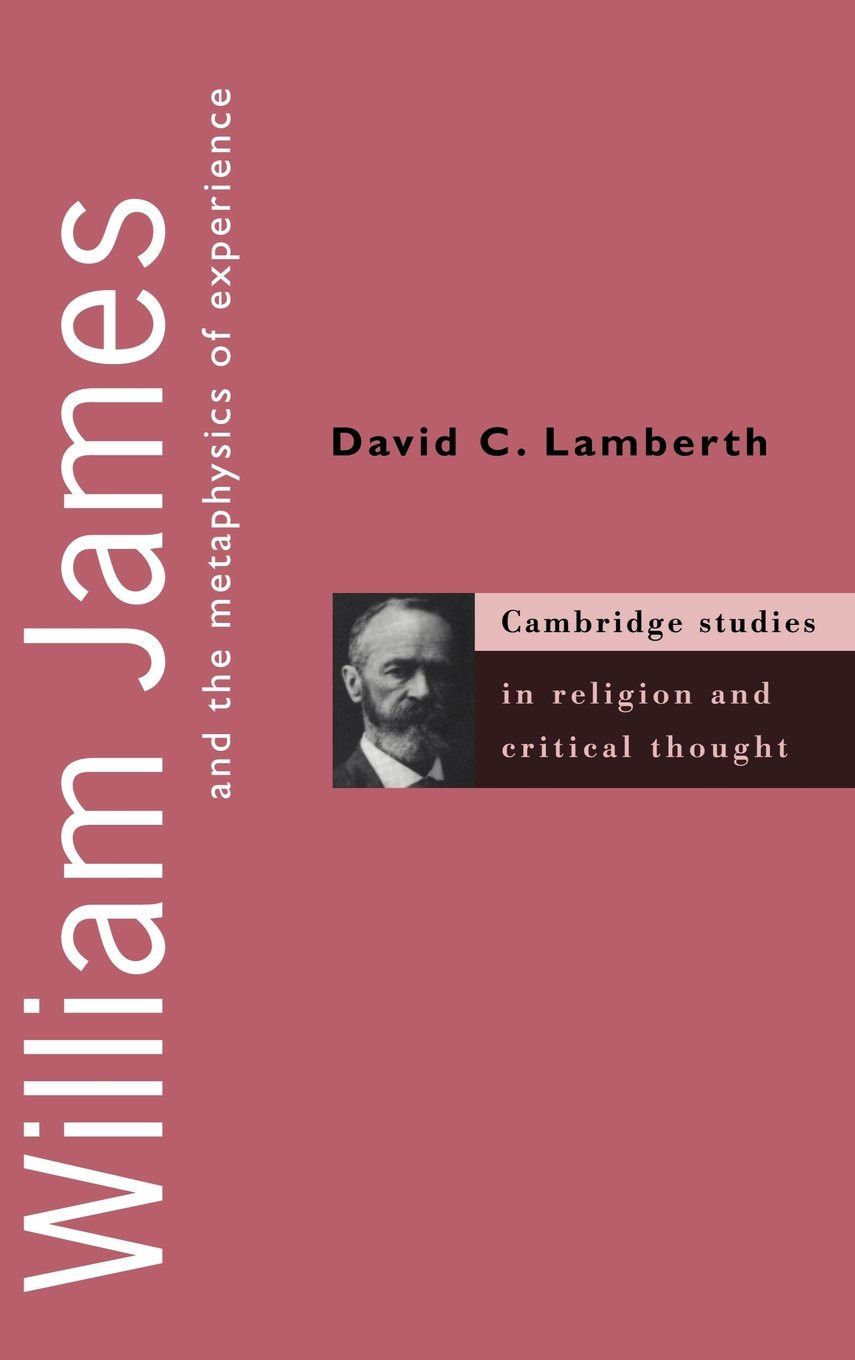
William James and the Metaphysics of Experience: A Systematic Study of Radical Empiricism and Religious Pluralism by Dav
Inclusive of all applicable taxes. FREE shipping on all orders.
Available Offers
- 🚚Free Delivery — Free shipping on all orders
- 💵Cash on Delivery — Pay when your order arrives
- ↩️15-Day Easy Returns — Hassle-free return policy
- 🔒Cash on Delivery — Pay safely when your order arrives
Check Delivery
Product Description
Introduction
William James remains one of the most influential figures in American philosophy and psychology, yet his metaphysical contributions are often overshadowed by his fame as a pragmatist and a pioneer in religious studies. In William James and the Metaphysics of Experience, author David C. Lamberth offers a groundbreaking reinterpretation that places James’s systematic metaphysics of experience at the heart of his intellectual legacy. This hardcover edition from Cambridge University Press is an essential addition for students, scholars, and anyone seeking a deeper understanding of James’s radical empiricism and its relevance today.
Book Overview
This meticulously researched work challenges the conventional view that James was primarily a psychologist or a popular philosopher. Lamberth argues that James’s true contribution lies in his development of a coherent, systematic metaphysics rooted in experience itself. By tracing James’s intellectual evolution from the mid-1890s onward, the book reveals how his radical empiricism shaped his pluralistic worldview and his approach to religion, truth, and reality. The author provides a close reading of James’s seminal text The Varieties of Religious Experience, linking it to a broader metaphysical framework that bridges the personal and the social, the empirical and the spiritual.
Key Highlights
- Original Thesis: Proposes that James’s commitment to radical empiricism began as early as 1895, earlier than most scholars assume.
- Systematic Approach: Offers a comprehensive interpretation of James’s metaphysics, moving beyond fragmented readings of his work.
- Religious Insight: Connects James’s ideas on religious experience to a pluralistic, functional metaphysics that remains relevant for contemporary theology and philosophy of religion.
- Critical Engagement: Engages with current debates in philosophy, theology, and social thought, showing James’s enduring influence.
Inside the Book
The book is structured to guide readers through James’s intellectual journey. It begins by establishing the historical and philosophical context of James’s thought, then delves into the core tenets of radical empiricism. Lamberth carefully examines James’s unpublished notes and published works to build a case for a systematic metaphysics. The middle chapters offer a detailed analysis of The Varieties of Religious Experience, highlighting how James’s emphasis on personal experience aligns with his broader metaphysical commitments. The final section explores the implications of James’s ideas for pluralism, truth, and social cohesion, making a compelling argument for their utility in bridging divides between science, religion, and everyday life.
Key Topics
- Radical empiricism and its metaphysical foundations
- William James’s pluralistic philosophy of religion
- The role of experience in shaping truth and reality
- James’s critique of absolute idealism and materialism
- Connections between James’s thought and contemporary philosophy of mind
- Functional metaphysics and its application to social and religious issues
Reader Benefits
This book offers a fresh perspective on a classic thinker, making it invaluable for anyone studying American philosophy, pragmatism, or religious studies. Indian readers, in particular, will appreciate how James’s openness to diverse experiences resonates with the pluralistic traditions of the subcontinent. By grounding abstract concepts in lived experience, Lamberth makes complex ideas accessible without sacrificing depth. The hardcover format ensures durability for repeated reference, making it a lasting addition to any library.
Learning Outcomes
- Gain a clear understanding of William James’s radical empiricism as a systematic metaphysical system.
- Learn to trace the development of James’s ideas from his early writings to his mature works.
- Develop the ability to critically evaluate James’s contributions to philosophy of religion and pragmatism.
- Explore how James’s functional approach to truth can inform contemporary debates on pluralism and social harmony.
- Acquire tools to apply James’s metaphysics to interdisciplinary studies in philosophy, theology, and psychology.
Who Should Read
This book is ideal for graduate and undergraduate students of philosophy, religious studies, and intellectual history. It is equally suited for scholars seeking a rigorous reinterpretation of James, as well as curious general readers who want to go beyond popular summaries. Indian students of philosophy will find the text particularly enriching as it engages with themes of experience, diversity, and interconnectedness that are central to Indian philosophical traditions. Teachers and researchers looking for a reliable, well-argued resource on James will also benefit greatly.
About the Author
David C. Lamberth is a professor of philosophy and religious studies at Harvard Divinity School. His research focuses on American pragmatism, philosophy of religion, and metaphysics. He has written extensively on William James and is known for his ability to combine historical scholarship with contemporary relevance. Lamberth’s work has been praised for its clarity, depth, and originality, making him a leading voice in Jamesian studies.
About the Publisher
Cambridge University Press is one of the oldest and most respected academic publishers in the world. With a legacy spanning over four centuries, it is known for publishing rigorous, peer-reviewed scholarship across disciplines. This hardcover edition reflects the Press’s commitment to quality, featuring durable binding and clear typesetting that enhances the reading experience. For Indian readers, Cambridge University Press titles are a mark of intellectual credibility and academic excellence.
Conclusion
William James and the Metaphysics of Experience is a vital contribution to philosophy that reclaims James as a serious metaphysician. David C. Lamberth’s careful scholarship and engaging prose make this book a rewarding read for anyone interested in the foundations of experience, truth, and religion. Whether you are a student preparing for exams, a researcher building your bibliography, or a lifelong learner exploring new ideas, this hardcover edition from Cambridge University Press will deepen your appreciation of one of America’s greatest thinkers. Order your copy today from Bookshops.in and embark on a journey through the metaphysics of experience.
Quick Summary
William James and the Metaphysics of Experience by David C. Lamberth is a scholarly work that reinterprets William James as a systematic metaphysician rather than merely a pragmatist. Lamberth argues that James's radical empiricism—the idea that experience includes relations and is inherently pluralistic—forms the core of his philosophy, and that James committed to this view as early as 1895. The book offers a detailed analysis of James's Varieties of Religious Experience, showing how his religious pluralism and theory of truth emerge from this metaphysical foundation. This book is ideal for postgraduate students and researchers in philosophy, religious studies, and American intellectual history. Readers will gain a comprehensive understanding of James's unified philosophical system and its relevance to contemporary debates on experience, pluralism, and truth. Buying from Bookshops.in ensures you receive a genuine hardcover edition with reliable delivery across India.
Book Highlights
Book Specifications
| ISBN-13 | 9780521581639 |
| ISBN-10 | 052158163X |
| Publisher | Cambridge University Press |
| Language | English |
| Dimensions | 15.88 x 1.91 x 23.5 cm |
| Weight | 500 g |
| Country | India |
| Category | Philosophy › History & Surveys |
| Genre | Non-fiction |
| Reading Age | Adult |
| Original Language | English |
Frequently Asked Questions
What is the main argument of this book?
Who is the author of this book?
Is this book suitable for undergraduate students?
Does this book cover William James's pragmatism?
What is radical empiricism?
How does this book relate to Varieties of Religious Experience?
Is this book available in Indian bookstores?
Does the book include references to other philosophers?
What is the reading level of this book?
Can this book be used for a course on American philosophy?
Does the book address James's psychology?
What makes this interpretation of James unique?
Is the book written in English?
Readers Also Search For
Customers Also Bought
Islam
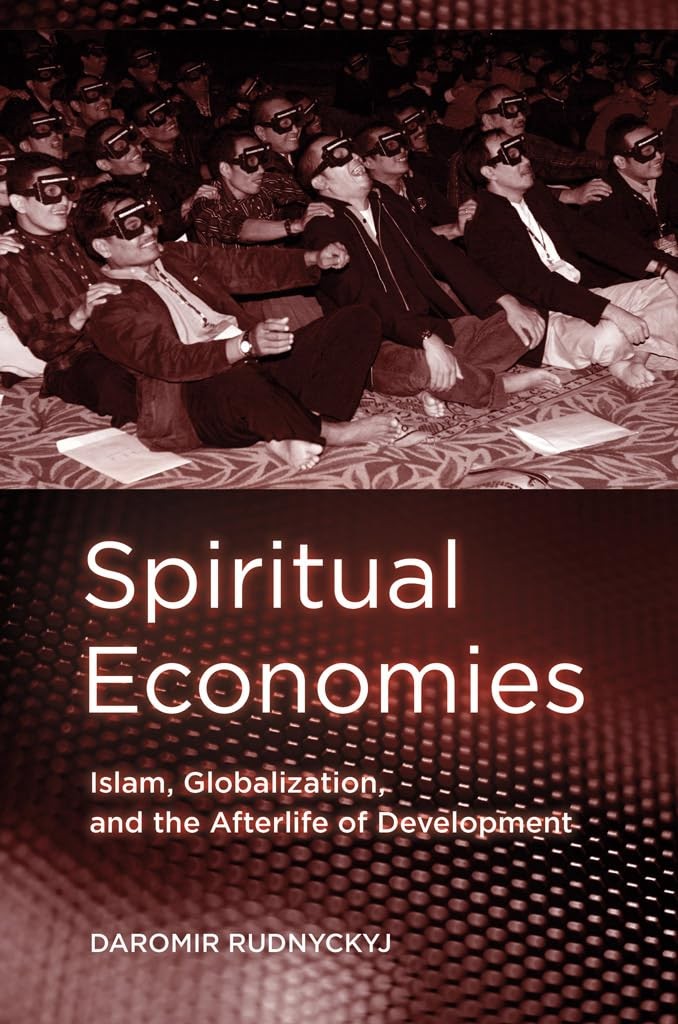
Spiritual Economies (English, Daromir Rudnyckyj)

Islam
Who Is Allah? (English, Bruce B. Lawrence)
Islam
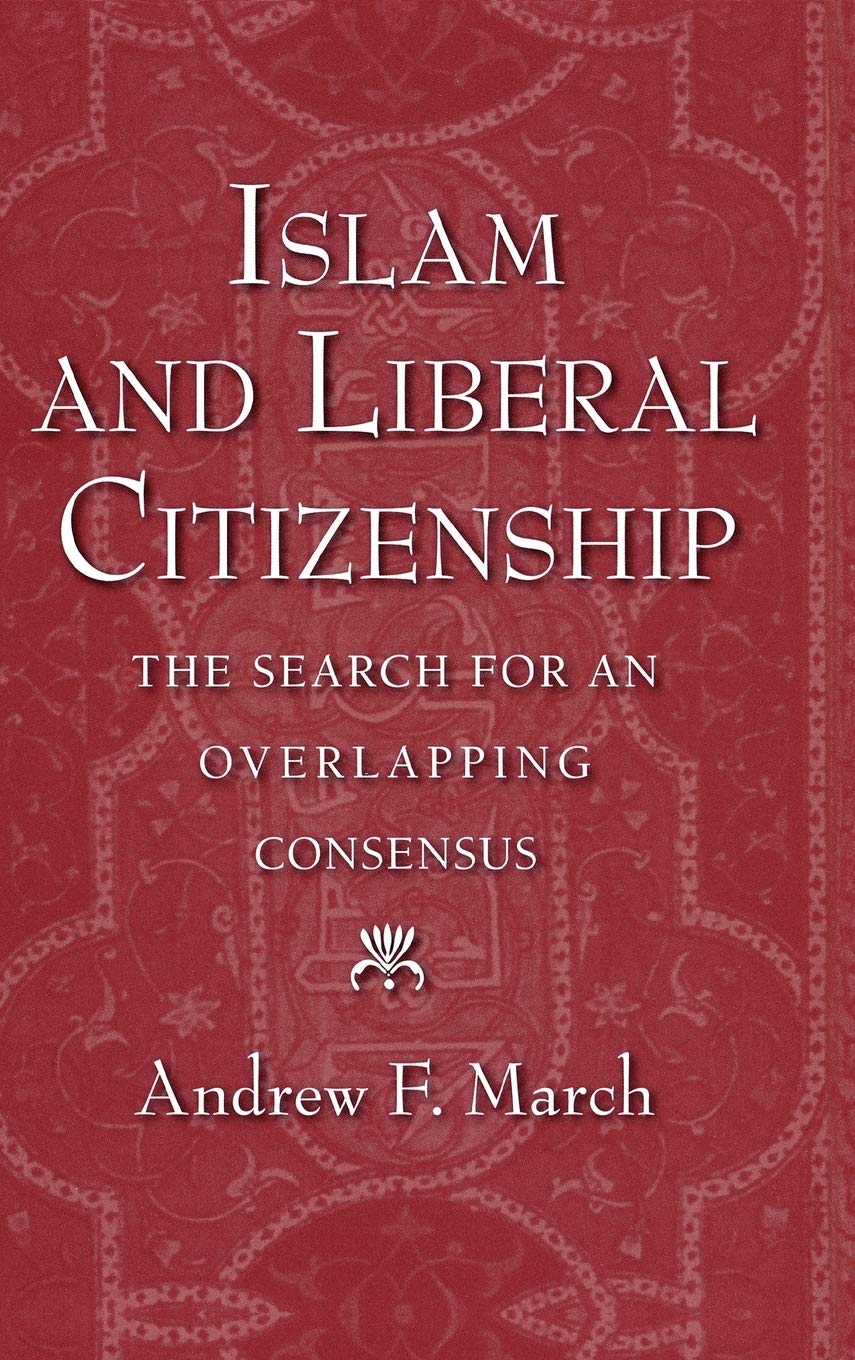
Islam and Liberal Citizenship: The Search for an Overlapping Consensus by Andrew F. March
Islam
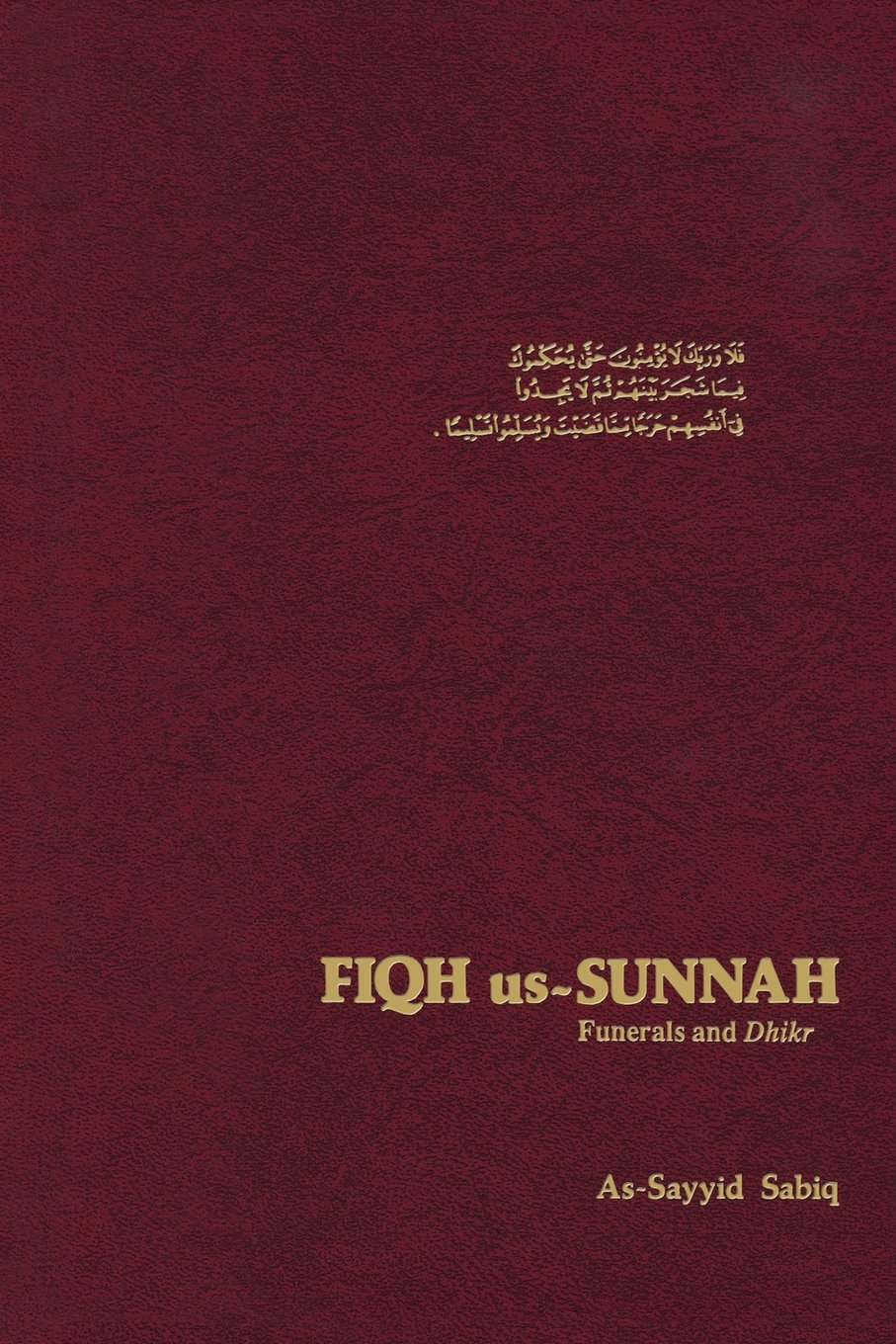
Fiqh Us-Sunnah: Funerals and Diggers by Al-Sayyid Sabiq – Islamic Funeral Guide

Christianity
Genetics (English, Thomas a. Shannon | Mark P. Aulisio | Françoise Baylis)

Hinduism
Karma and Creativity by Christopher Key Chapple – Indian Philosophy
Related Products
View All
Philosophy
Latin American Philosophy: Currents, Issues, Debates by Eduardo Mendieta

Philosophy
Al-Farabi's Short Commentary on Aristotle's Prior Analytics by Nicholas Rescher – Philosophy
Philosophy
Poetics of Imagining: Modern to Post-modern by Richard Kearney
Philosophy
The Metaphysics of Extrinsic Properties: 11 (Metaphysical Research, 11)
Philosophy
Dialogues on Metaphysics and on Religion by Nicolas Malebranche – Philosophy
Philosophy