
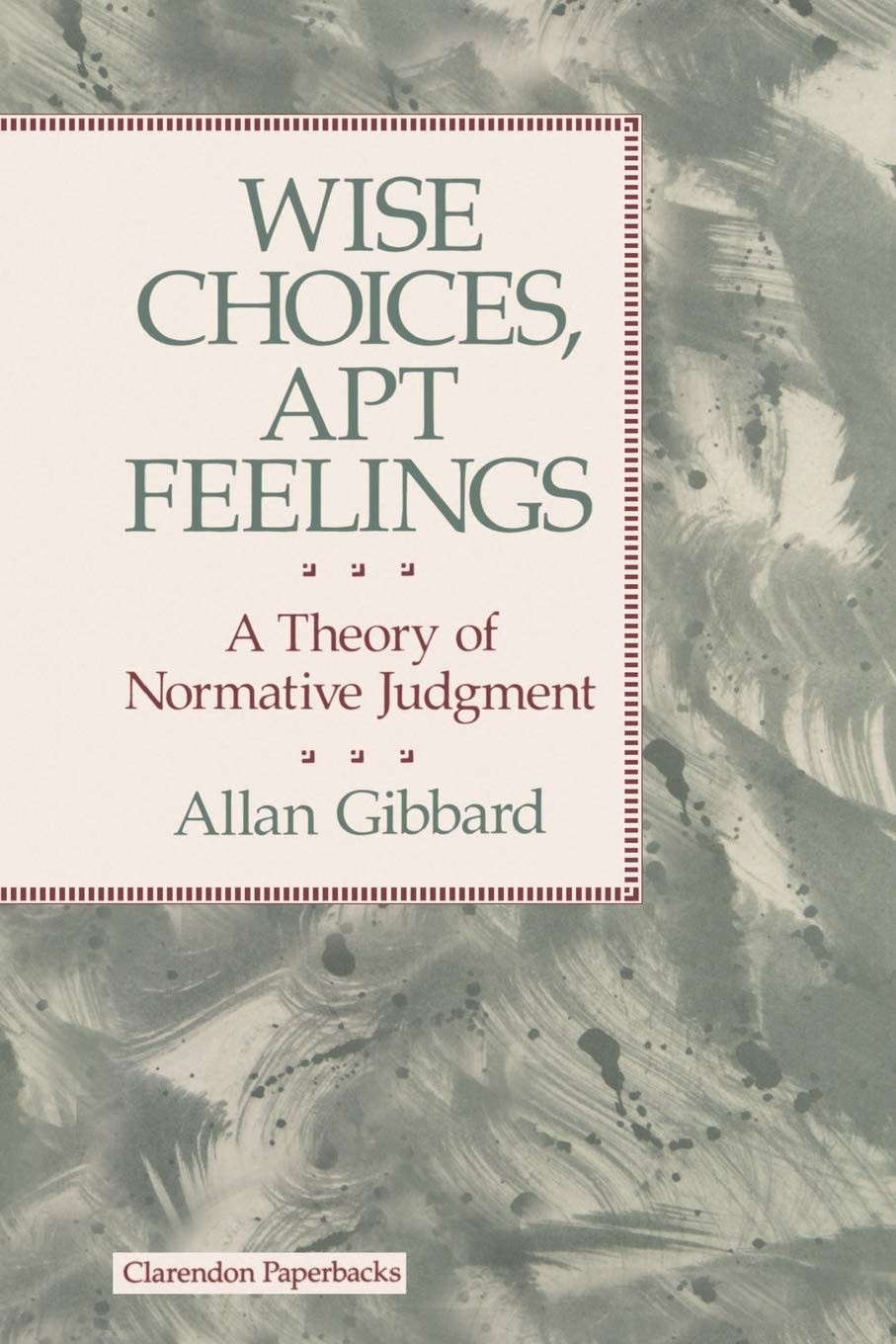
Wise Choices, Apt Feelings: A Theory of Normative Judgment by Allan Gibbard – A Deep Dive into Ethics and Rationality
Inclusive of all applicable taxes. FREE shipping on all orders.
Available Offers
- 🚚Free Delivery — Free shipping on all orders
- 💵Cash on Delivery — Pay when your order arrives
- ↩️15-Day Easy Returns — Hassle-free return policy
- 🔒Cash on Delivery — Pay safely when your order arrives
Check Delivery
Product Description
Introduction
In the vast landscape of moral philosophy and ethical reasoning, few works have stirred as much thoughtful debate as Allan Gibbard's Wise Choices, Apt Feelings: A Theory of Normative Judgment. This landmark treatise, published by OUP Oxford, offers a profound exploration of what it means to make normative judgments—whether about morality, rationality, or everyday conduct. For Indian readers, students, and scholars engaged in the study of society and social sciences, this book provides a rigorous yet accessible framework for understanding the psychological and evolutionary underpinnings of our normative lives. It is an indispensable addition to any serious philosophy or ethics library.
Book Overview
Wise Choices, Apt Feelings is not merely a book about moral philosophy; it is a deep dive into the nature of normative judgment itself. Gibbard argues that normative thinking—our ability to assess actions, beliefs, and feelings as rational or irrational, right or wrong—is a fundamental part of human life. He develops a theory that ties together questions of moral obligation, practical reasoning, and emotional appropriateness. The book challenges readers to consider why normative discourse is so pervasive across cultures and how our highly social species might have evolved to be gripped by these questions. This is a work that bridges philosophy, psychology, and evolutionary theory, making it a unique and valuable resource for anyone interested in the foundations of human conduct.
Key Highlights
- Original Theory of Normative Judgment: Gibbard presents a unified account that explains how we evaluate actions and feelings as fitting or unfitting.
- Evolutionary Perspective: The book explores why human beings, as social creatures, developed complex normative capacities that shape cooperation and conflict.
- Interdisciplinary Approach: It draws on philosophy, psychology, and biology to offer a comprehensive view of normative thought.
- Clear and Engaging Style: Despite its depth, the writing is accessible to advanced students and scholars alike.
- Critical Engagement: The work engages with major philosophical traditions, including expressivism and realism, offering a distinctive middle path.
Inside the Book
The book is structured to guide readers from foundational questions to sophisticated arguments. Gibbard begins by setting out the problem of normative judgment—what is at stake when we call something 'rational' or 'morally good.' He then develops his central thesis: that normative judgments express our acceptance of norms that govern feelings and choices. The later chapters apply this theory to moral dilemmas, practical reasoning, and the nature of guilt, shame, and anger. Throughout, Gibbard uses vivid examples and thought experiments to illuminate complex ideas, making the book both intellectually stimulating and practically relevant.
Key Topics
- The nature of normative judgment and its role in human life
- Expressivism and the meaning of moral terms
- The evolution of moral emotions and social norms
- Rationality, irrationality, and the psychology of choice
- Feelings of guilt, shame, and anger in ethical contexts
- The relationship between moral and non-moral norms
- Practical reasoning and decision-making
- The philosophy of mind and emotion
Reader Benefits
Reading Wise Choices, Apt Feelings equips you with a deeper understanding of why we think and feel the way we do about right and wrong. You will gain tools to analyze ethical arguments critically, appreciate the evolutionary roots of human morality, and engage with contemporary debates in metaethics. For students of philosophy, psychology, or sociology, this book offers a conceptual framework that enriches your academic work. For general readers interested in the human condition, it provides a rewarding intellectual journey into the foundations of our moral lives.
Learning Outcomes
- Understand the core concepts of normative judgment and expressivism
- Analyze the evolutionary basis of moral emotions and social norms
- Evaluate different theories of rationality and practical reasoning
- Apply Gibbard's framework to real-world ethical dilemmas
- Critically engage with contemporary philosophical debates on morality
- Develop a nuanced perspective on the relationship between feelings and choices
Who Should Read
This book is ideal for undergraduate and postgraduate students of philosophy, ethics, psychology, and sociology. It is also highly recommended for researchers in moral psychology, evolutionary biology, and cognitive science. Additionally, anyone with a keen interest in understanding the deep structure of human morality—teachers, writers, or curious minds—will find this book both challenging and rewarding. Indian readers, especially those engaged in social sciences and humanities, will appreciate its relevance to debates about cultural norms and ethical universals.
About the Author
Allan Gibbard is a distinguished Professor of Philosophy at the University of Michigan, Ann Arbor. He is widely regarded as one of the leading figures in contemporary metaethics and moral philosophy. Gibbard's work has shaped the field of expressivism, and his contributions to the philosophy of rationality and emotion are internationally recognized. His clear, rigorous, and imaginative thinking makes him a compelling guide through the complexities of normative judgment.
About the Publisher
OUP Oxford is the prestigious academic imprint of Oxford University Press, known worldwide for publishing authoritative works in philosophy, social sciences, and the humanities. With a legacy of excellence that spans centuries, OUP Oxford ensures that each book meets the highest standards of scholarship and production quality. This hardcover edition is built to last, making it a valuable addition to any personal or institutional library.
Conclusion
Wise Choices, Apt Feelings: A Theory of Normative Judgment is a masterwork that illuminates the very fabric of human moral experience. Allan Gibbard's insightful theory not only explains why we make normative judgments but also why they matter so deeply to us. Whether you are a student grappling with ethical theory or a lifelong learner seeking wisdom, this book offers a transformative intellectual experience. Add this essential volume to your collection today and embark on a journey into the heart of human rationality and emotion.
Quick Summary
Wise Choices, Apt Feelings: A Theory of Normative Judgment by Allan Gibbard is a seminal work in philosophy that addresses the nature of normative thought—how we decide what is rational, moral, or appropriate. Gibbard argues that normative judgments are expressions of our acceptance of norms, and that this capacity evolved to facilitate social coordination among humans. The book bridges ethics, philosophy of mind, and evolutionary psychology, offering a naturalistic account of why we care so deeply about right and wrong. Readers will gain a rigorous understanding of metaethics, expressivism, and practical reason. This hardcover edition from OUP Oxford is ideal for philosophy students, academics, and anyone seeking a deeper grasp of moral and rational judgment. Purchase from Bookshops.in for a reliable, high-quality copy delivered to your doorstep in India.
Book Highlights
Book Specifications
| ISBN-13 | 9780198249849 |
| ISBN-10 | 0198249845 |
| Publisher | Clarendon Press |
| Language | English |
| Dimensions | 1.91 x 15.6 x 23.39 cm |
| Weight | 536 g |
| Category | Philosophy › Ethics |
| Genre | Non-fiction |
| Reading Age | Adult |
| Original Language | English |
Frequently Asked Questions
What is the main thesis of Wise Choices, Apt Feelings?
Who is Allan Gibbard?
Is this book suitable for beginners in philosophy?
Does the book cover evolutionary psychology?
What is the ISBN-13?
Can I use this book for a university course?
What is the price in INR?
Is this book available in paperback?
What language is the book in?
Does the book address moral realism?
Why buy from Bookshops.in?
What is the publication date?
Is this a recommended text for ethics exams?
Readers Also Search For
Customers Also Bought
Islam
Spiritual Economies (English, Daromir Rudnyckyj)

Islam
Who Is Allah? (English, Bruce B. Lawrence)
Islam
Islam and Liberal Citizenship: The Search for an Overlapping Consensus by Andrew F. March

Islam
Fiqh Us-Sunnah: Funerals and Diggers by Al-Sayyid Sabiq – Islamic Funeral Guide

Christianity
Genetics (English, Thomas a. Shannon | Mark P. Aulisio | Françoise Baylis)

Hinduism
Karma and Creativity by Christopher Key Chapple – Indian Philosophy
Related Products
View All
Philosophy
The Metaphysics of Extrinsic Properties: 11 (Metaphysical Research, 11)
Philosophy
Dialogues on Metaphysics and on Religion by Nicolas Malebranche – Philosophy
Philosophy
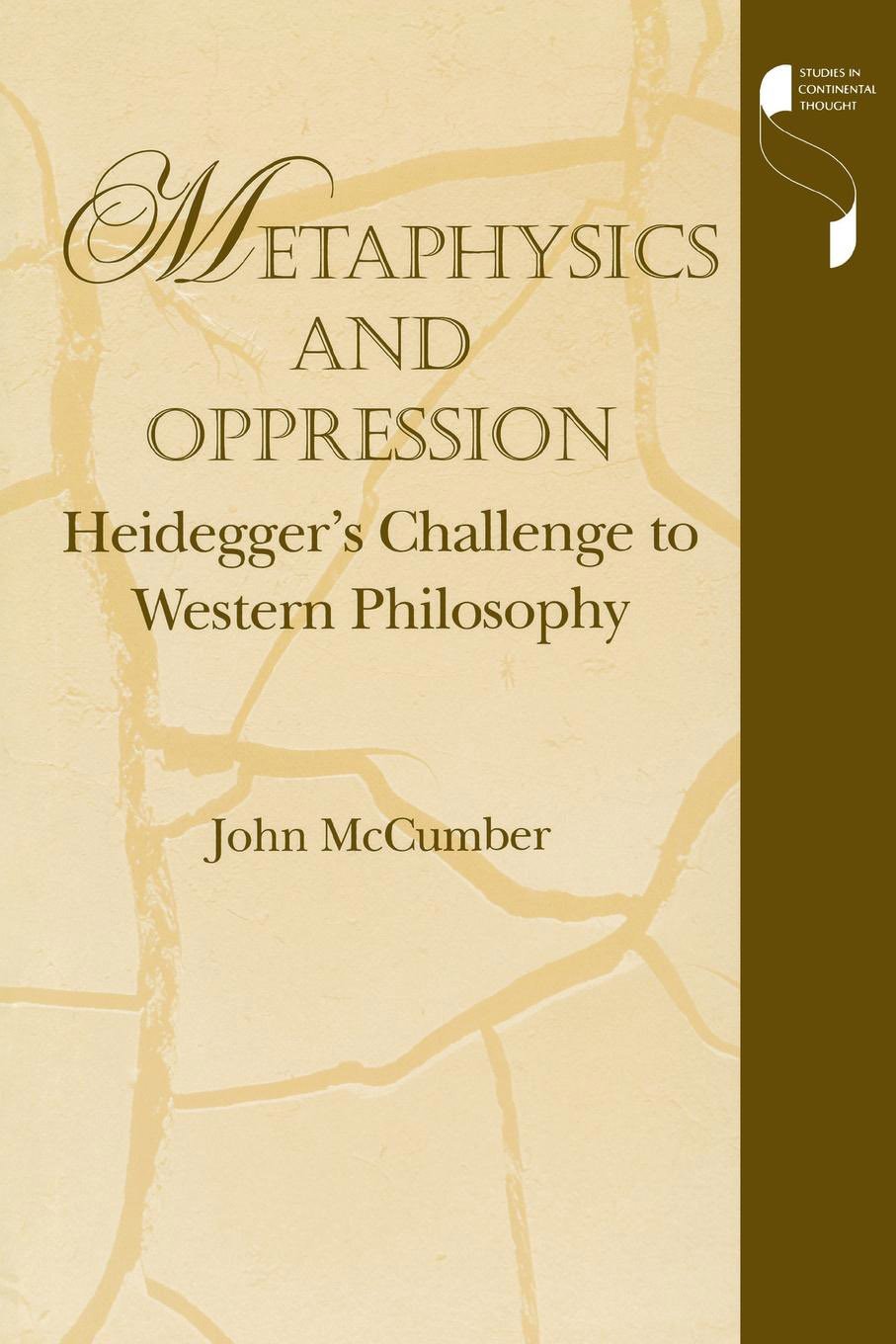
Metaphysics and Oppression: Heidegger's Challenge to Western Philosophy by John McCumber

Philosophy
Merleau-Ponty's Philosophy by Lawrence Hass – Phenomenology & Continental Philosophy

Philosophy
Feminism, Capitalism, and Ecology
Philosophy