
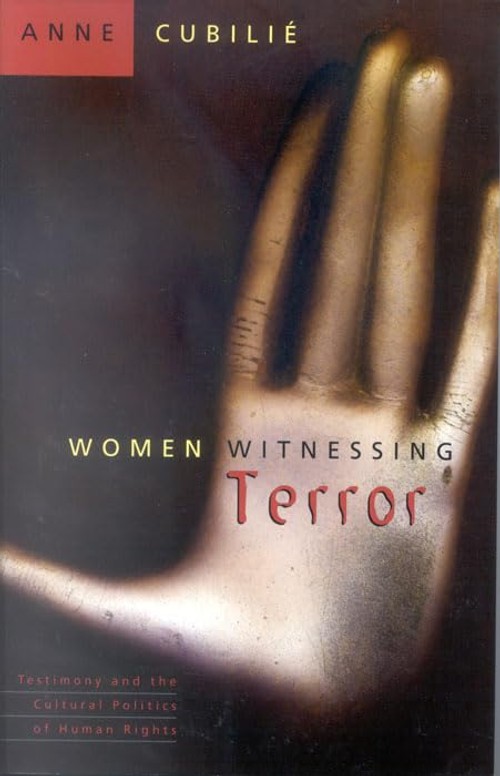
Women Witnessing Terror: Testimony And The Cultural Politics Of Human Rights by Anne Cubilie – A Critical Study of Survi
Inclusive of all applicable taxes. FREE shipping on all orders.
Available Offers
- 🚚Free Delivery — Free shipping on all orders
- 💵Cash on Delivery — Pay when your order arrives
- ↩️15-Day Easy Returns — Hassle-free return policy
- 🔒Cash on Delivery — Pay safely when your order arrives
Check Delivery
Product Description
Introduction
In a world where conflict and terror often silence the most vulnerable, the voices of women survivors emerge as powerful acts of testimony and resistance. Women Witnessing Terror: Testimony And The Cultural Politics Of Human Rights by Anne Cubilie offers a groundbreaking exploration of how first-person narratives from women who have endured abuse, genocide, ethnic cleansing, and war reshape our understanding of human rights. This hardcover volume from Fordham University Press is an essential read for scholars, activists, and anyone committed to ethical witnessing in the face of violence.
Book Overview
Anne Cubilie’s work is a model of engaged scholarship that bridges personal witness with critical theory. Drawing on testimonies from women across diverse zones of conflict—from state terror to ethnic cleansing—the book examines how survivors navigate the space between victimhood and agency. By placing these urgent voices in dialogue with philosophers, literary theorists, and human rights scholars, Cubilie demonstrates that ethical listening can reformulate the language of human rights itself. This is not merely an academic exercise; it is a call to intervene against oppression through the power of testimony.
Key Highlights
- Original Testimonies: First-person accounts from women survivors of genocide, war, and state terror form the core of the book.
- Interdisciplinary Approach: Merges survivor narratives with insights from philosophy, literary theory, and cultural studies.
- Ethical Framework: Proposes a new model of ethical witnessing that challenges traditional human rights discourse.
- Global Scope: Covers conflicts from multiple regions, offering a comparative perspective on women’s experiences.
- Critical Intervention: Shows how testimony can enhance the ability of human rights to combat violence and oppression.
Inside the Book
Each chapter weaves together personal stories with theoretical analysis, creating a rich tapestry that respects the complexity of survivor experience. Cubilie examines the cultural politics of testimony—how stories are received, interpreted, and sometimes co-opted. She explores the tensions between silence and speech, between being a victim and becoming a witness. The book also delves into the gendered dimensions of human rights, asking how women’s bodies and voices have been both sites of violence and sources of transformative power. Readers will find detailed case studies from Rwanda, Bosnia, Argentina, and other regions, all connected by a thread of ethical urgency.
Key Topics
- Women and genocide: testimonies from Rwanda and the former Yugoslavia
- State terror and forced disappearance in Latin America
- Ethnic cleansing and the politics of memory
- The role of gender in human rights discourse
- Ethical witnessing vs. voyeurism in conflict zones
- Survivor testimony as theoretical invention
- Cultural politics of trauma and recovery
Reader Benefits
This book equips readers with a deeper understanding of how personal narratives can reshape public policy and international law. It offers tools for critical thinking about media representations of conflict, and it challenges readers to become more responsible listeners. For students of human rights, gender studies, or political science, it provides a nuanced framework that goes beyond abstract principles to engage with lived realities. Activists and practitioners will find practical insights into how testimony can be used to advocate for justice and healing.
Learning Outcomes
- Analyze the relationship between gender, testimony, and human rights in conflict settings.
- Critically evaluate the cultural and political contexts that shape survivor narratives.
- Understand the ethical responsibilities of witnesses and listeners in zones of terror.
- Apply theoretical concepts from philosophy and literary theory to real-world cases.
- Develop a more inclusive approach to human rights that centers women’s voices.
Who Should Read
This book is ideal for postgraduate students and researchers in human rights, gender studies, cultural studies, and political theory. It is also highly relevant for human rights practitioners, NGO workers, and journalists covering conflict zones. Indian readers interested in comparative genocide studies, feminist approaches to justice, or the ethics of testimony will find this work deeply resonant. Additionally, anyone who wants to understand how women’s experiences of terror can transform global conversations about dignity and freedom will benefit from this text.
About the Author
Anne Cubilie is a scholar known for her interdisciplinary work at the intersection of gender, human rights, and cultural politics. With a background in comparative literature and women’s studies, she has taught at universities including Georgetown University and the University of California. Her research focuses on how marginalized voices—particularly those of women survivors—can challenge dominant narratives of conflict and justice. Women Witnessing Terror reflects her commitment to ethical scholarship that bridges academia and activism.
About the Publisher
Fordham University Press is a distinguished academic publisher based in New York, known for its rigorous contributions to the humanities and social sciences. With a focus on critical theory, philosophy, and human rights, Fordham Press has published works that shape contemporary intellectual debates. This hardcover edition upholds their tradition of producing high-quality, durable books that serve scholars and libraries worldwide.
Conclusion
Women Witnessing Terror: Testimony And The Cultural Politics Of Human Rights is a vital contribution to the literature on human rights and gender justice. By centering the voices of women survivors, Anne Cubilie reminds us that testimony is not just evidence—it is a form of resistance and a blueprint for a more just world. For Indian readers engaged with issues of conflict, memory, and ethics, this book offers both intellectual depth and moral urgency. Order your copy from Bookshops.in today and join the conversation on how we can truly listen to those who bear witness to terror.
Quick Summary
Women Witnessing Terror: Testimony And The Cultural Politics Of Human Rights by Anne Cubilie is a groundbreaking feminist analysis that examines first-person testimonies of women who have survived abuse and atrocity in zones of conflict and terror. Drawing on a wide range of sources including genocide, state terror, ethnic cleansing, and war, Cubilie uses survivor testimony as a form of theoretical invention. She places personal witness in dialogue with work by philosophers and literary theorists to explore the space between victim and survivor, ethical witness and silenced observer, male and female. This nuanced example of ethical criticism demonstrates how ethical listening can reformulate the language of human rights and enhance its ability to intervene against violence and oppression. Ideal for Indian students, scholars, and activists in gender studies, human rights, political science, and law, the book offers a powerful model of engaged scholarship. Purchase your copy from Bookshops.in, India's premium online bookstore, to access this vital work.
Book Highlights
Book Specifications
| ISBN-13 | 9780823224340 |
| ISBN-10 | 0823224341 |
| Publisher | Fordham Univ Pr |
| Language | English |
| Dimensions | 16.05 x 2.74 x 23.57 cm |
| Weight | 567 g |
| Category | Philosophy › Ethics |
| Genre | Non-fiction |
| Reading Age | Adult |
| Original Language | English |
Frequently Asked Questions
What is the main focus of Women Witnessing Terror?
Who is the author Anne Cubilie?
Is this book relevant for Indian readers?
What types of conflicts are covered in the book?
Does the book include theoretical analysis?
How does this book differ from other human rights texts?
What is 'ethical witnessing'?
Can this book be used in university courses?
Is the book based on primary research?
Does the book address the role of silence?
Is this book only for academics?
What is the price of the book on Bookshops.in?
How does the book connect to Indian human rights issues?
Can I buy this book for a research project?
Readers Also Search For
Customers Also Bought
Islam
Spiritual Economies (English, Daromir Rudnyckyj)

Islam
Who Is Allah? (English, Bruce B. Lawrence)
Islam
Islam and Liberal Citizenship: The Search for an Overlapping Consensus by Andrew F. March
Islam
Fiqh Us-Sunnah: Funerals and Diggers by Al-Sayyid Sabiq – Islamic Funeral Guide

Christianity
Genetics (English, Thomas a. Shannon | Mark P. Aulisio | Françoise Baylis)

Hinduism
Karma and Creativity by Christopher Key Chapple – Indian Philosophy
Related Products
View All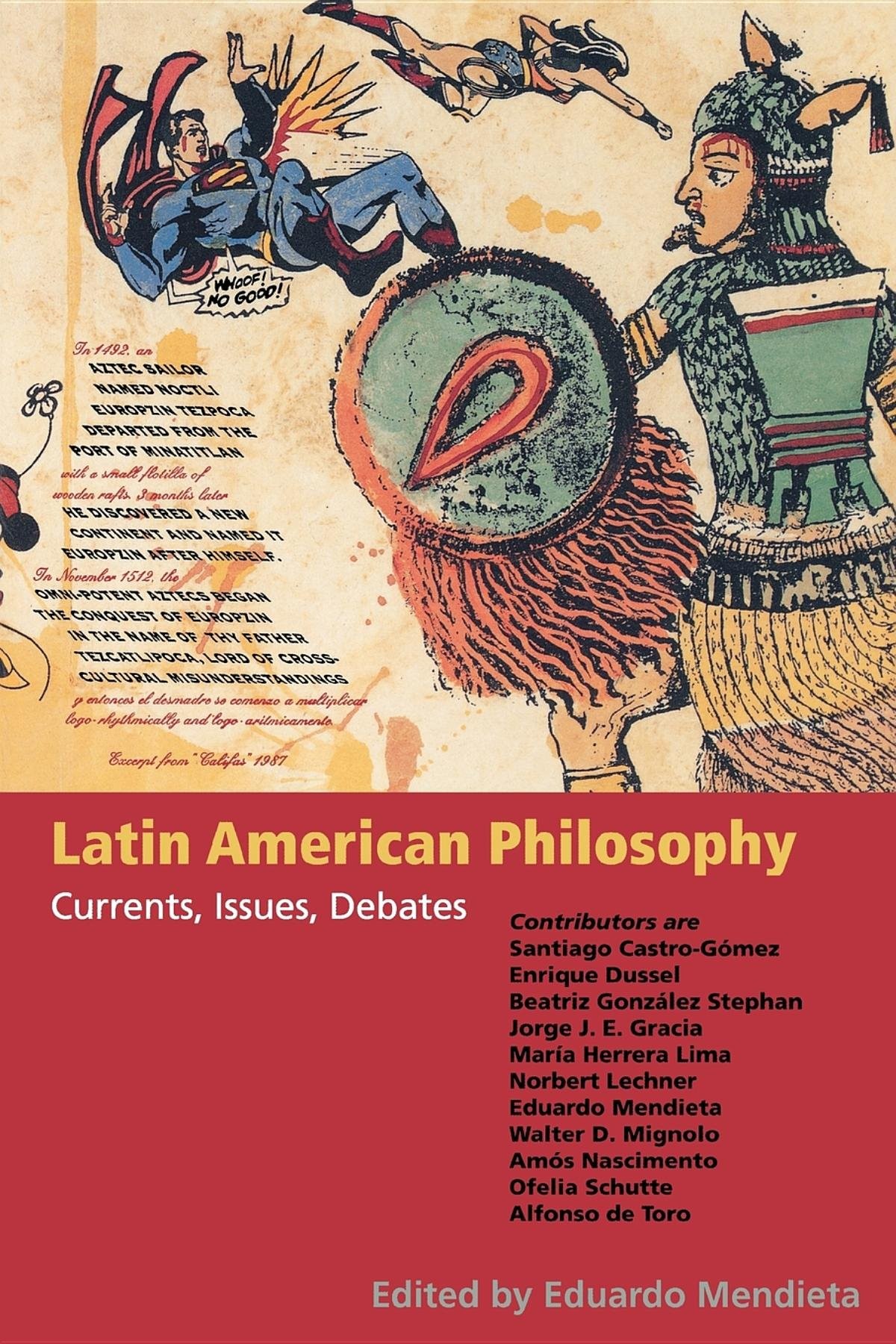
Philosophy
Latin American Philosophy: Currents, Issues, Debates by Eduardo Mendieta

Philosophy
Al-Farabi's Short Commentary on Aristotle's Prior Analytics by Nicholas Rescher – Philosophy

Philosophy
Poetics of Imagining: Modern to Post-modern by Richard Kearney

Philosophy
The Metaphysics of Extrinsic Properties: 11 (Metaphysical Research, 11)

Philosophy
Dialogues on Metaphysics and on Religion by Nicolas Malebranche – Philosophy
Philosophy