

An Introduction to the Law of Trusts: A Comprehensive Textbook on Trusts, Equity and Fiduciary Principles by Simon Gardn
Inclusive of all applicable taxes. FREE shipping on all orders.
Available Offers
- 🚚Free Delivery — Free shipping on all orders
- 💵Cash on Delivery — Pay when your order arrives
- ↩️15-Day Easy Returns — Hassle-free return policy
- 🔒Cash on Delivery — Pay safely when your order arrives
Check Delivery
Product Description
Introduction
Trusts law is often considered one of the most intellectually demanding areas of legal study, requiring a firm grasp of both abstract principles and practical applications. An Introduction to the Law of Trusts by Simon Gardner offers Indian law students and legal professionals a clear, structured pathway through this complex subject. Published by OUP Oxford, this hardcover edition is an indispensable resource for undergraduate law courses, including those following the Indian curriculum that draws heavily on English trust law. The book demystifies equitable doctrines and provides a conceptual framework that makes learning both engaging and effective.
Book Overview
This book is a concise yet comprehensive guide to the law of trusts, designed specifically for readers encountering the subject for the first time. Simon Gardner avoids unnecessary jargon and instead focuses on building a logical understanding of how trusts operate, from their historical roots in equity to modern statutory reforms. The text balances doctrinal exposition with critical analysis, encouraging readers to think deeply about the rationale behind trust law. The updated edition incorporates recent judicial developments and legislative changes, including the Charities Act 2006, making it relevant for contemporary study.
Key Highlights
- Conceptual Clarity: Provides a clear framework for understanding the three certainties, beneficiary principle, and fiduciary duties.
- Judicial Updates: Includes analysis of recent case law that shapes modern trust practice.
- Charities Act 2006 Coverage: Thorough discussion of reforms affecting charitable trusts.
- Critical Perspectives: Encourages readers to evaluate the law, not just memorise it.
- Footnotes for Further Study: Detailed references guide advanced research without overwhelming beginners.
Inside the Book
The book is structured to take the reader step by step through the foundational concepts before moving into more specialised areas. Early chapters explain the nature of a trust, the distinction between legal and equitable ownership, and the formalities required to create a valid trust. Subsequent sections delve into the duties of trustees, the rights of beneficiaries, and the remedies available when things go wrong. Special attention is given to remedial constructive trusts and trusts of family homes — topics of particular relevance in Indian matrimonial and property disputes. The final chapters cover charitable trusts, resulting trusts, and the role of public policy.
Key Topics
- The nature and classification of trusts
- The three certainties: intention, subject matter, and objects
- Formalities for creating inter vivos and testamentary trusts
- Trustee duties: investment, delegation, and fiduciary obligations
- Breach of trust and remedies
- Constructive and resulting trusts
- Trusts of the family home
- Charitable trusts and the Charities Act 2006
- Cy-près doctrine and trust variation
Reader Benefits
Indian law students will find this book particularly useful because it bridges the gap between theoretical principles and real-world application. The author uses relatable examples and avoids overly technical language, making it accessible even to those who are new to equity. The detailed footnotes provide a gateway to deeper scholarship for students who wish to explore further. The hardcover format ensures durability for repeated reference throughout a semester or for bar exam preparation.
Learning Outcomes
By working through this book, readers will be able to: identify the essential elements of a valid trust; distinguish between different types of trusts; apply equitable maxims to factual scenarios; analyse trustee conduct and liability; evaluate the impact of statutory reforms on trust law; and construct coherent arguments for problem questions commonly found in Indian law examinations. The book also develops critical thinking skills by presenting competing academic viewpoints on contentious issues.
Who Should Read
This book is ideal for undergraduate law students enrolled in trusts or equity courses in Indian universities, as well as for students preparing for competitive exams such as the CLAT PG or judicial services. It is also a valuable refresher for practicing lawyers who need a quick yet thorough update on trust law developments. Law teachers will appreciate its structured approach for classroom use.
About the Author
Simon Gardner is a respected academic and former Professor of Law at the University of Oxford. He has taught and written extensively on equity and trusts for over three decades. His teaching style emphasises clarity and analytical rigour, qualities that shine through in this book. Gardner’s ability to simplify complex doctrines without losing depth has made his works popular among students across Commonwealth jurisdictions.
About the Publisher
Oxford University Press (OUP) is a globally renowned academic publisher with a strong presence in India. OUP’s law list includes authoritative texts used in leading law schools worldwide. This hardcover edition is produced to high standards of quality, ensuring longevity and readability.
Conclusion
An Introduction to the Law of Trusts by Simon Gardner is more than just a textbook — it is a mentor that guides the reader through one of law’s most fascinating subjects. Whether you are a student striving for top marks or a professional seeking to refresh your knowledge, this book offers the clarity, depth, and practical insight you need. Add it to your library today and build a solid foundation in trusts law.
Quick Summary
An Introduction to the Law of Trusts by Simon Gardner is a comprehensive textbook designed to give undergraduate law students a clear conceptual understanding of trusts law. Published by OUP Oxford, this hardbound edition covers essential topics including express, resulting, and constructive trusts, with particular emphasis on remedial constructive trusts and trusts of family homes. The book encourages analytical thinking by presenting multiple perspectives on key issues, helping readers develop a deeper grasp of the subject. Ideal for Indian law students pursuing LLB or preparing for judicial exams, this resource bridges theoretical principles with practical application. Readers will learn about fiduciary duties, trustee powers, beneficiary rights, and equitable remedies, all within a structured framework that simplifies complex ideas. Choosing Bookshops.in ensures you receive a genuine imported edition with prompt delivery across India, making it the trusted choice for serious law students.
Book Highlights
Book Specifications
| ISBN-13 | 9780199545742 |
| ISBN-10 | 019954574X |
| Publisher | Oxford Univ Pr on Demand |
| Language | English |
| Dimensions | 21.59 x 2.79 x 13.97 cm |
| Weight | 590 g |
| Country | India |
| Category | Law › Business Law |
| Genre | Law |
| Original Language | English |
Frequently Asked Questions
What is the main focus of this book?
Who is the author of this book?
Is this book suitable for Indian law students?
Does this book cover the Indian Trusts Act?
Is this book useful for judicial exams in India?
Does the book include case law analysis?
Can I use this book as a primary textbook?
What is the language of the book?
Is there a digital version available?
What is the price of this book?
Does the book cover charitable trusts?
How is this book different from other trusts textbooks?
Why should I buy from Bookshops.in?
Readers Also Search For
Customers Also Bought

Constitutional Law
Indigenous law and the state
Constitutional Law
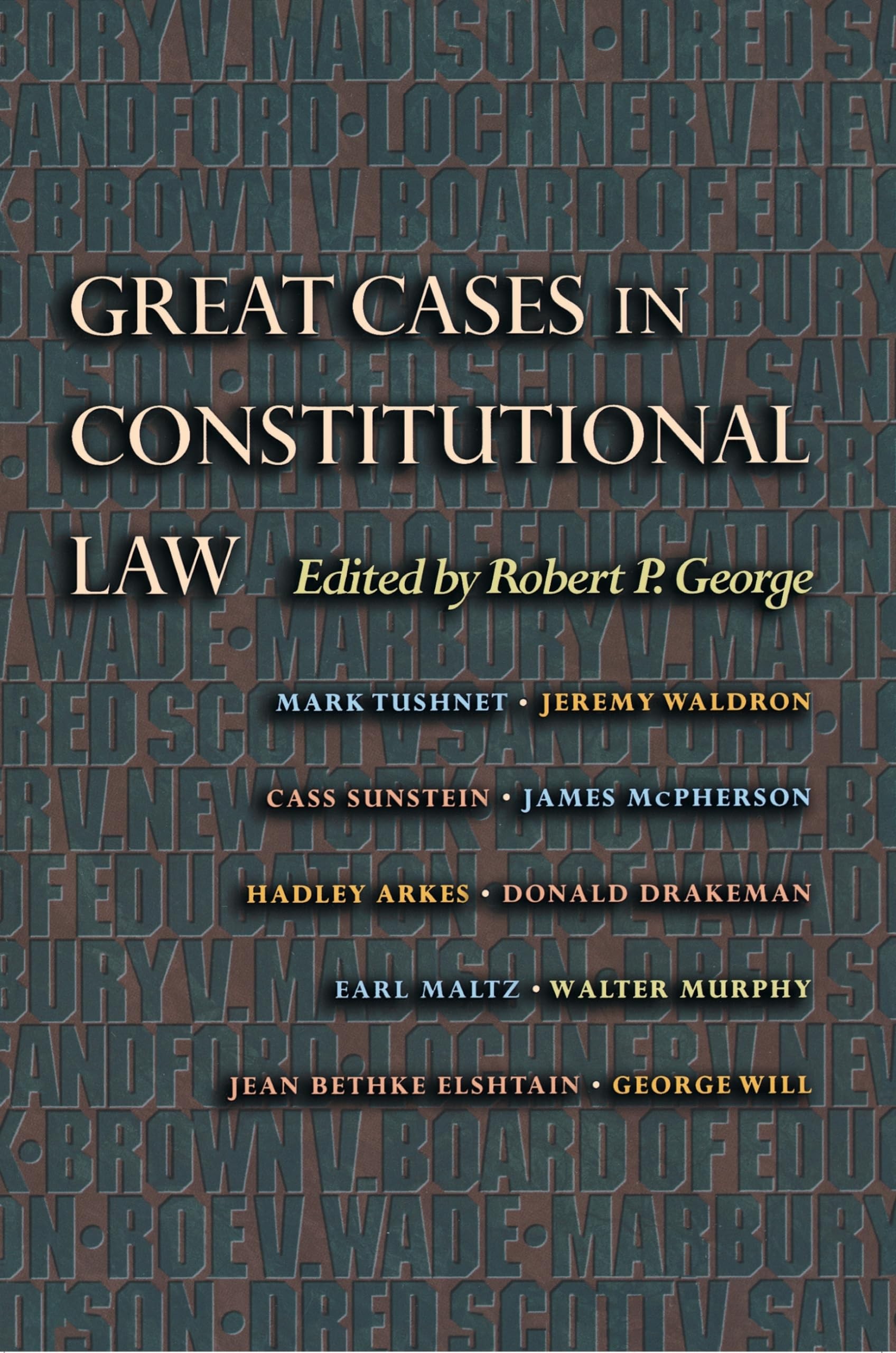
Great Cases in Constitutional Law (English, Robert P. George)
Constitutional Law
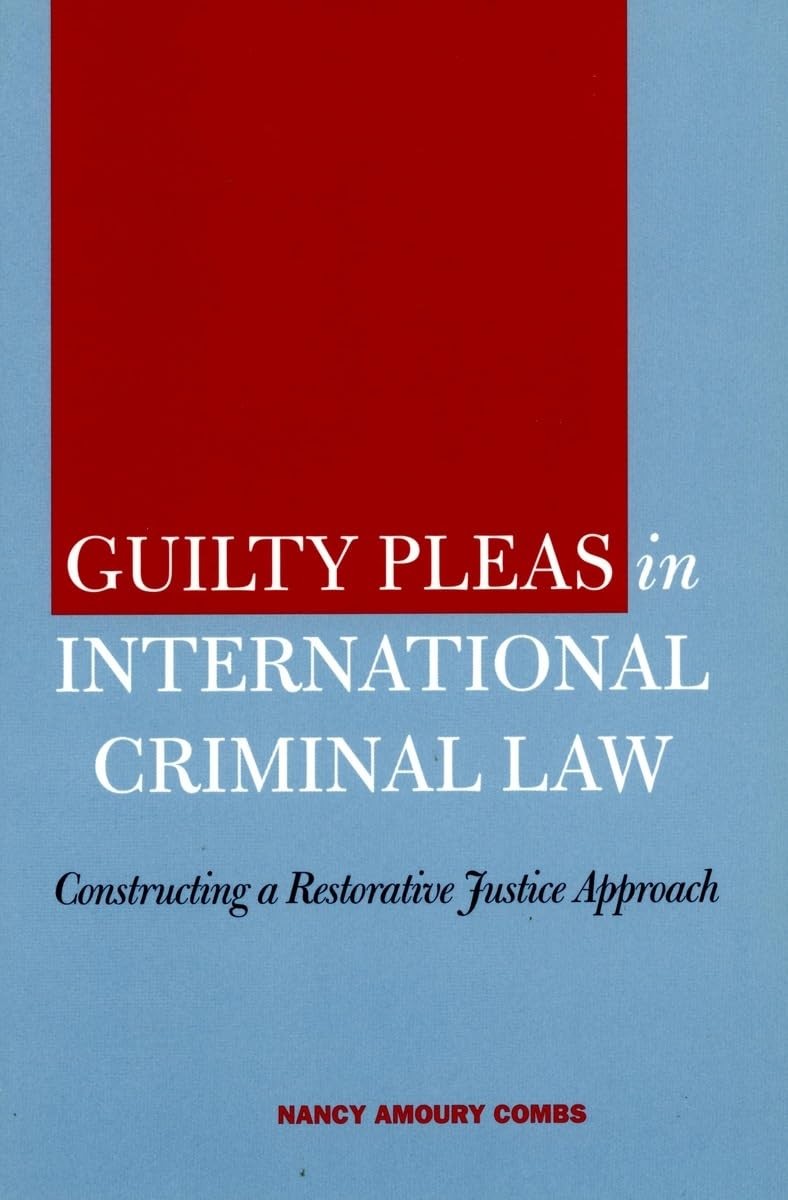
Guilty Pleas in International Criminal Law (English, Nancy Amoury Combs)

Constitutional Law
The Growth of the Law by Benjamin N. Cardozo – Jurisprudence
Constitutional Law
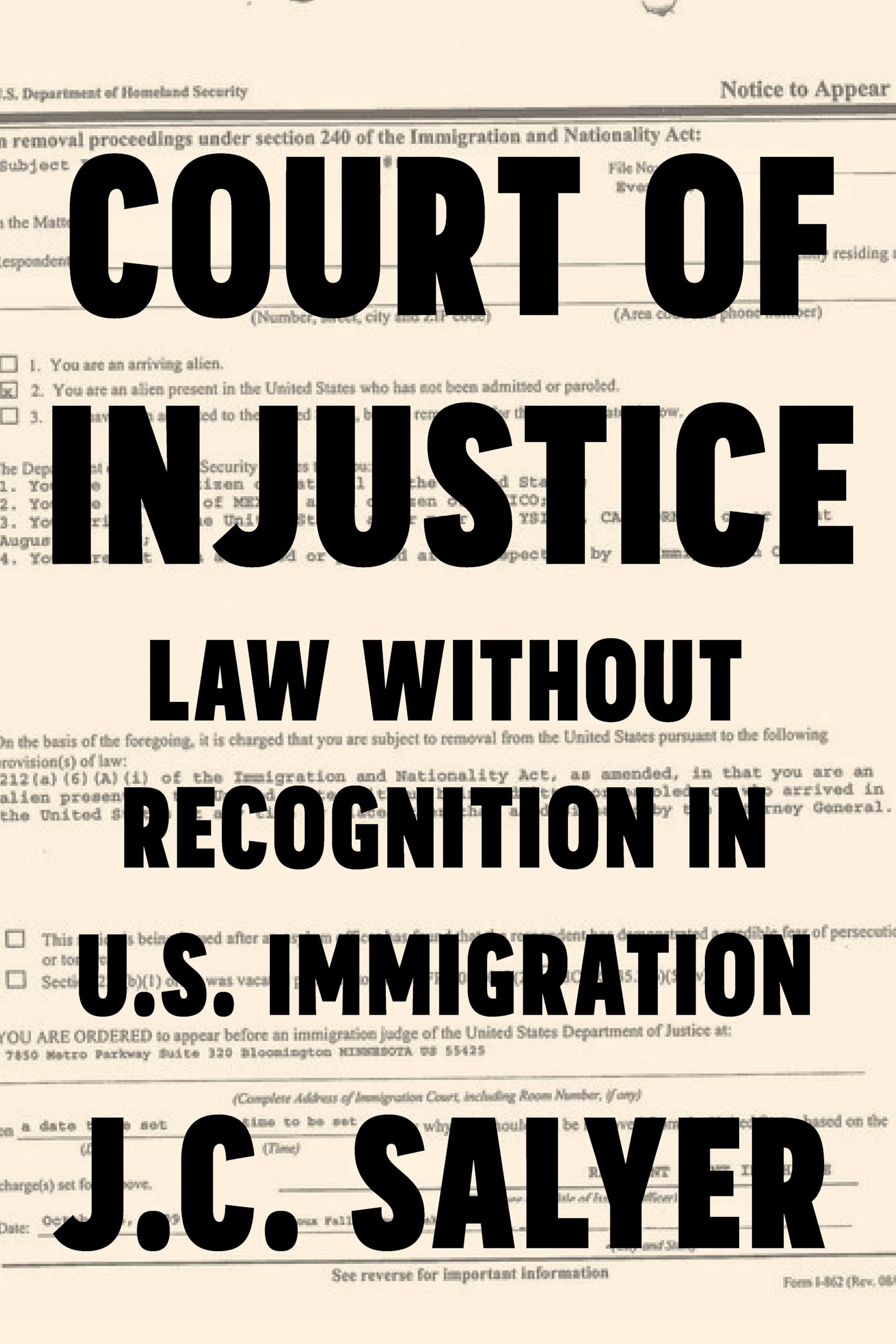
Court of Injustice: Law Without Recognition in U.S. Immigration by J. C. Salyer
Constitutional Law
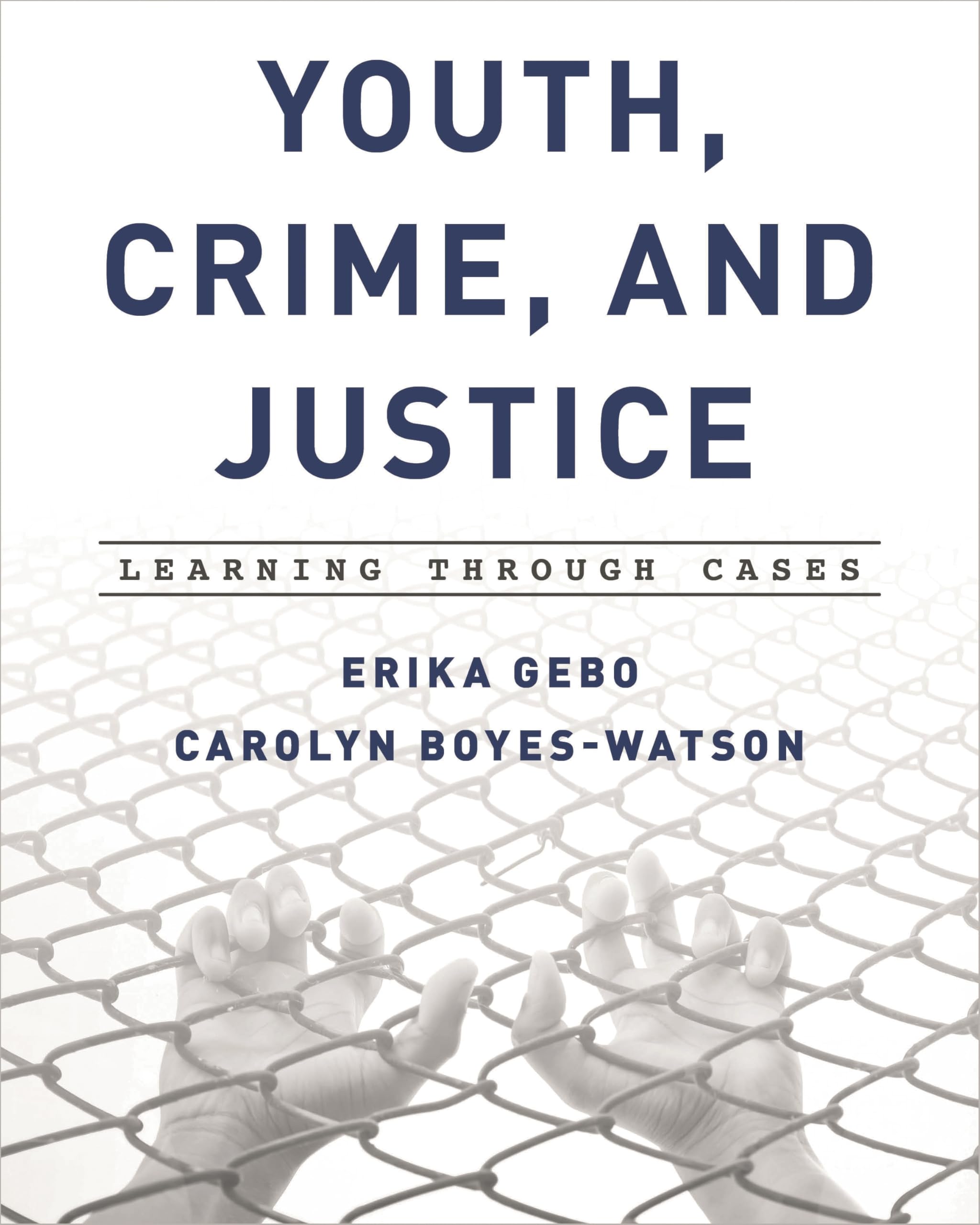
Youth: Learning Through Cases
Related Products
View All
Business Law
Codification of European Copyright Law: Challenges and Perspectives: 29 (Information Law Series, 29)

Business Law
Multimodal Transport Law: The Law Applicable to the Multimodal Contract for the Carriage of Goods (Aviation Law and Policy Series)
Business Law
Regulating Law by John Braithwaite – Legal Theory Book

Business Law
Civil Procedure and EU Law: A Policy Area Uncovered by Eva Storskrubb
Business Law
Company Law: Case Studies in a Business Context by Desmond Painter
Business Law