

How to Write a Paragraph: The Art of Substantive Writing by Richard Paul – A Critical Thinking Guide for Students and Wr
Inclusive of all applicable taxes. FREE shipping on all orders.
Available Offers
- 🚚Free Delivery — Free shipping on all orders
- 💵Cash on Delivery — Pay when your order arrives
- ↩️15-Day Easy Returns — Hassle-free return policy
- 🔒Cash on Delivery — Pay safely when your order arrives
Check Delivery
Product Description
Introduction
In an age where communication is often reduced to hurried messages and fragmented thoughts, the ability to write with clarity, depth, and purpose remains a cornerstone of true education. How to Write a Paragraph: The Art of Substantive Writing by Richard Paul is not just another writing manual—it is a transformative guide that redefines how we approach written expression. Published by the Foundation for Critical Thinking, this hardcover volume is part of the acclaimed Thinker’s Guide Library and is designed to help students, professionals, and lifelong learners master the art of crafting meaningful paragraphs that convey reasoned, well-structured ideas. Whether you are preparing for academic essays, professional reports, or personal reflections, this book equips you with the intellectual tools to write with precision, logic, and depth.
Book Overview
This book goes beyond surface-level grammar and style tips to address the very essence of substantive writing: critical thinking. Richard Paul, a leading authority on critical thinking, presents a systematic approach to paragraph writing that integrates reasoning, analysis, and clarity. The guide teaches readers how to move from vague, unexamined thoughts to well-developed, evidence-based arguments. By focusing on the logical structure of paragraphs, the book helps writers organize their ideas, identify assumptions, and communicate with purpose. Each chapter builds on the previous one, offering practical exercises and real-world examples that make the concepts immediately applicable. As a companion to How to Read a Paragraph, this volume completes the picture by showing how writing and reading are two sides of the same critical coin.
Key Highlights
- Critical Thinking Framework: Learn to apply the elements of thought—purpose, question, information, inference, concept, assumption, implication, and point of view—to every paragraph you write.
- Practical Exercises: Includes hands-on activities that sharpen reasoning abilities and help you practice writing with clarity and depth.
- Universal Applicability: Suitable for students across disciplines—from humanities to sciences—and for professionals in any field that requires clear written communication.
- Part of a Renowned Series: Published as part of the Thinker’s Guide Library, a trusted resource used in universities and institutions worldwide.
- Hardcover Durability: A sturdy, long-lasting edition perfect for repeated reference and study.
Inside the Book
Structured as a progressive guide, the book begins by explaining why substantive writing matters and how critical thinking forms its foundation. It then delves into the anatomy of a paragraph—the topic sentence, supporting details, logical transitions, and concluding statements. Readers learn to distinguish between weak, vague writing and strong, precise prose. The guide also addresses common pitfalls such as circular reasoning, unsupported claims, and unclear assumptions. Each chapter includes self-assessment questions and writing prompts that encourage active engagement. The final sections integrate all skills into a cohesive writing process, from brainstorming to revision. Throughout, the book emphasizes the importance of intellectual virtues like fair-mindedness, persistence, and intellectual humility.
Key Topics
- The relationship between critical thinking and writing
- Elements of thought and their application in paragraph construction
- How to formulate a clear and focused purpose for your writing
- Identifying and questioning your own assumptions
- Using evidence and reasoning to support claims
- Structuring paragraphs for maximum clarity and impact
- Avoiding logical fallacies and rhetorical traps
- Revising and editing with a critical eye
Reader Benefits
- Enhanced Clarity: Write paragraphs that are easy to follow and free of ambiguity.
- Improved Reasoning: Develop the habit of thinking before you write, leading to more logical and persuasive arguments.
- Academic Success: Excel in essays, reports, and examinations by presenting well-structured ideas.
- Professional Edge: Stand out in your career with writing that communicates competence and insight.
- Lifelong Skill: Gain a transferable ability that enriches personal and professional communication.
Learning Outcomes
By the end of this book, readers will be able to: articulate a clear purpose for every piece of writing; identify and challenge their own assumptions; organize ideas into coherent, logically sequenced paragraphs; use evidence effectively to support claims; recognize and avoid common errors in reasoning; and revise their writing with a critical mindset. These outcomes are not just about writing better—they are about thinking better, which is the ultimate goal of education.
Who Should Read
This book is ideal for undergraduate and postgraduate students across all disciplines who want to improve their academic writing. It is also highly valuable for teachers and educators seeking to integrate critical thinking into their writing instruction. Professionals in business, law, journalism, and any field that demands clear communication will find the principles directly applicable. Additionally, self-learners and lifelong students who wish to sharpen their intellectual abilities will benefit immensely. The book is written in accessible language, making it suitable for senior secondary students as well.
About the Author
Richard Paul was a world-renowned authority on critical thinking and co-founder of the Foundation for Critical Thinking. He authored numerous books and articles on the subject and developed the Paul-Elder framework for critical thinking, which is widely used in education and professional training. His work has influenced millions of students and educators globally. Dr. Paul’s deep commitment to fair-minded critical societies is evident in every page of this guide, as he empowers readers to think and write with integrity and precision.
About the Publisher
The Foundation for Critical Thinking is a nonprofit organization dedicated to promoting critical thinking in education and society. Through its Thinker’s Guide Library, the foundation provides practical, research-based resources that cultivate essential intellectual abilities and virtues. Their publications are used in schools, universities, and workplaces around the world to foster reasoned, ethical, and effective thinking. This book continues that mission by helping writers develop the discipline and skill needed for substantive communication.
Conclusion
How to Write a Paragraph: The Art of Substantive Writing is more than a guide—it is an invitation to think deeply and write with purpose. In a world overflowing with information, the ability to express ideas clearly and logically is invaluable. Richard Paul’s methodical approach, grounded in critical thinking, offers a reliable path to mastering this essential skill. Whether you are a student striving for academic excellence, a professional aiming to communicate with impact, or a curious mind seeking intellectual growth, this book will serve as a trusted companion. Add this hardcover edition to your library today and take the first step toward becoming a more thoughtful and effective writer.
Quick Summary
How to Write a Paragraph: The Art of Substantive Writing by Richard Paul is a practical guide that applies critical thinking principles to the writing process. Designed for students, educators, and professionals, this book helps readers develop clear, purposeful, and logically structured paragraphs. Through engaging activities and exercises, it teaches how to identify assumptions, reason effectively, and communicate ideas with depth and clarity. Published by the Foundation for Critical Thinking as part of the Thinker's Guide Library, this volume is a companion to How to Read a Paragraph and is ideal for anyone looking to enhance their writing and thinking skills. Readers will learn to move beyond superficial writing and create substantive, meaningful content. By buying from Bookshops.in, India's premium online bookstore, you get a genuine physical copy delivered to your doorstep, supporting local business and ensuring quality.
Book Highlights
Book Specifications
| ISBN-13 | 9780944583227 |
| ISBN-10 | 0944583229 |
| Publisher | Foundation for Critical Thinking |
| Language | English |
| Dimensions | 13.34 x 0.31 x 20.32 cm |
| Weight | 82 g |
| Category | Philosophy › Logic |
| Series | Thinker's Guide Library |
| Genre | Nonfiction |
| Original Language | English |
Frequently Asked Questions
What is How to Write a Paragraph about?
Who is the author of this book?
Is this book suitable for Indian students?
Does this book include exercises?
How is this book different from other writing guides?
Can this book help with essay writing?
What is the price of this book?
Is this a physical book or digital?
What language is the book in?
Do I need prior knowledge of critical thinking?
Is this book used in classrooms?
What will I learn from this book?
Can I buy this book for self-study?
Readers Also Search For
Customers Also Bought
Springer
Historische Studien Und Skizzen Zu Natur- Und Heilwissenschaft | by Georg Stricker | Springer | by Georg Stricker | Springer | by Georg Stricker | Springer | by Georg Stricker | Springer | by Georg Stricker | Springer | by Georg Stricker | Springer | by Georg Stricker | Springer | by Georg Stricker | Springer | by Georg Stricker | Springer | by Georg Stricker | Springer | by Georg Stricker | Springer | by Georg Stricker | Springer | by Georg Stricker | Springer | by Georg Stricker | Springer | b
Springer
Kondensation. | by F. J. Weiss | E. Wiki | Springer | by F. J. Weiss | E. Wiki | Springer | by F. J. Weiss | E. Wiki | Springer | by F. J. Weiss | E. Wiki | Springer | by F. J. Weiss | E. Wiki | Springer | by F. J. Weiss | E. Wiki | Springer | by F. J. Weiss | E. Wiki | Springer | by F. J. Weiss | E. Wiki | Springer | by F. J. Weiss | E. Wiki | Springer | by F. J. Weiss | E. Wiki | Springer | by F. J. Weiss | E. Wiki | Springer | by F. J. Weiss | E. Wiki | Springer | by F. J. Weiss | E. Wiki | S
Duke University Press
Making Light: Haydn, Musical Camp, and the Long Shadow of German Idealism
Rowman & Littlefield Publishers
Moods, Emotions, and Aging: Hormones and the Mind-Body Connection by Phyllis J. Bronson
Book Studio
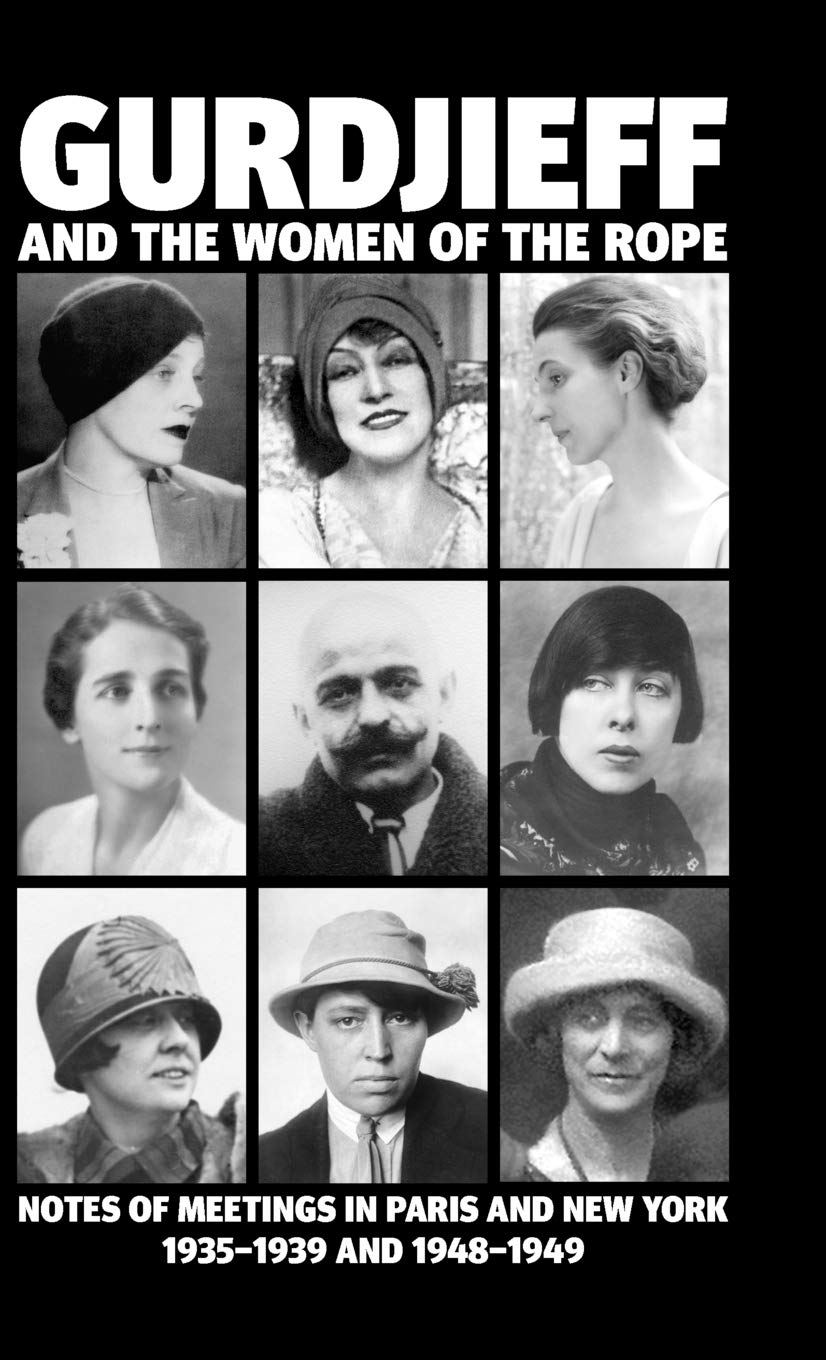
Gurdjieff and the Women of the Rope by Solita Solano – Spiritual Memoir
Springer
Ermittlung Der Billigsten Betriebskraft Für Fabriken | by Karl Urbahn | Ernst Reutlinger | Springer | by Karl Urbahn | Ernst Reutlinger | Springer | by Karl Urbahn | Ernst Reutlinger | Springer | by Karl Urbahn | Ernst Reutlinger | Springer | by Karl Urbahn | Ernst Reutlinger | Springer | by Karl Urbahn | Ernst Reutlinger | Springer | by Karl Urbahn | Ernst Reutlinger | Springer | by Karl Urbahn | Ernst Reutlinger | Springer | by Karl Urbahn | Ernst Reutlinger | Springer | by Karl Urbahn | Ernst
Related Products
View All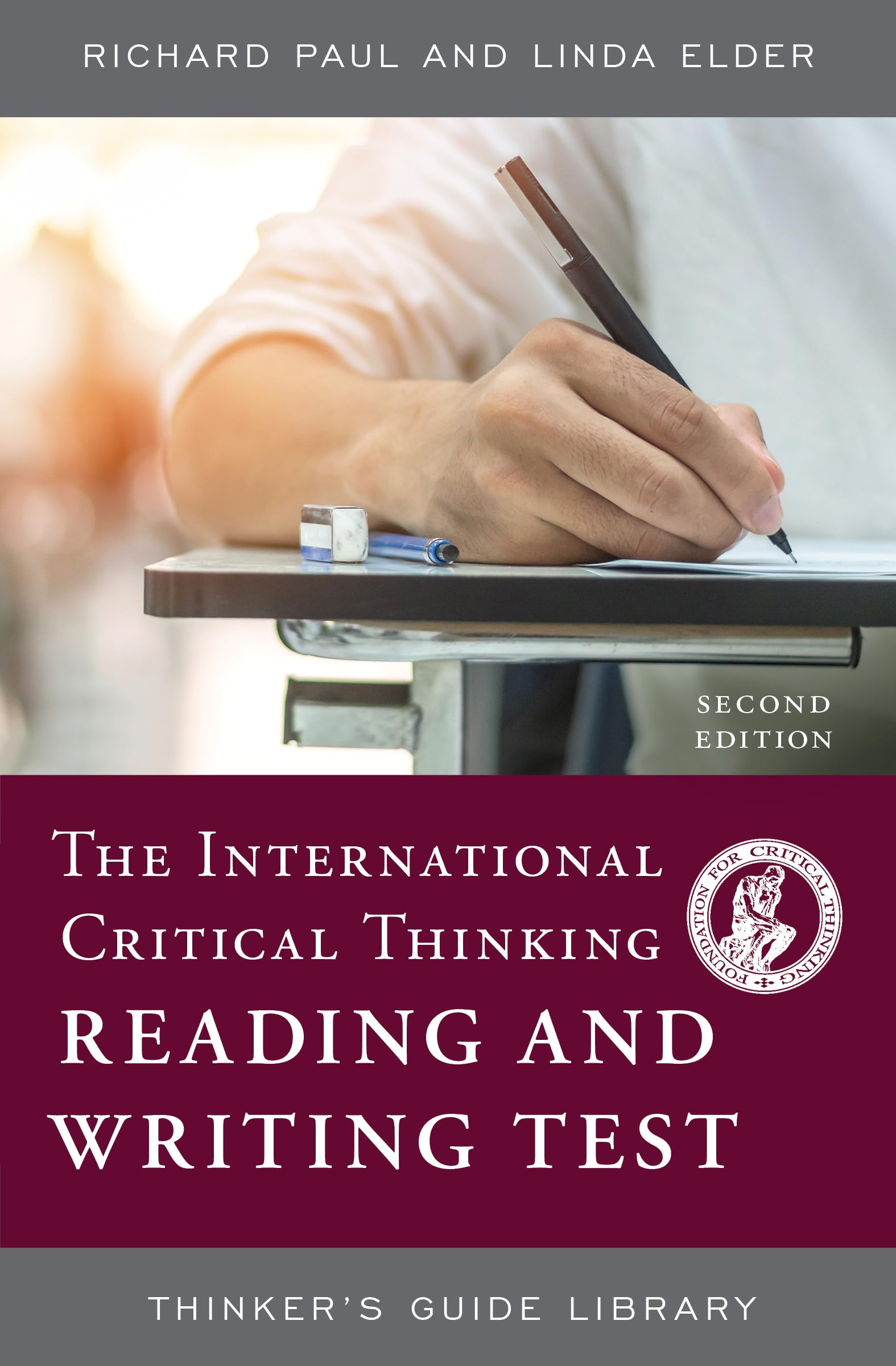
Foundation for Critical Thinking
The International Critical Thinking Reading and Writing Test by Richard Paul – Analytical Assessment
Foundation for Critical Thinking
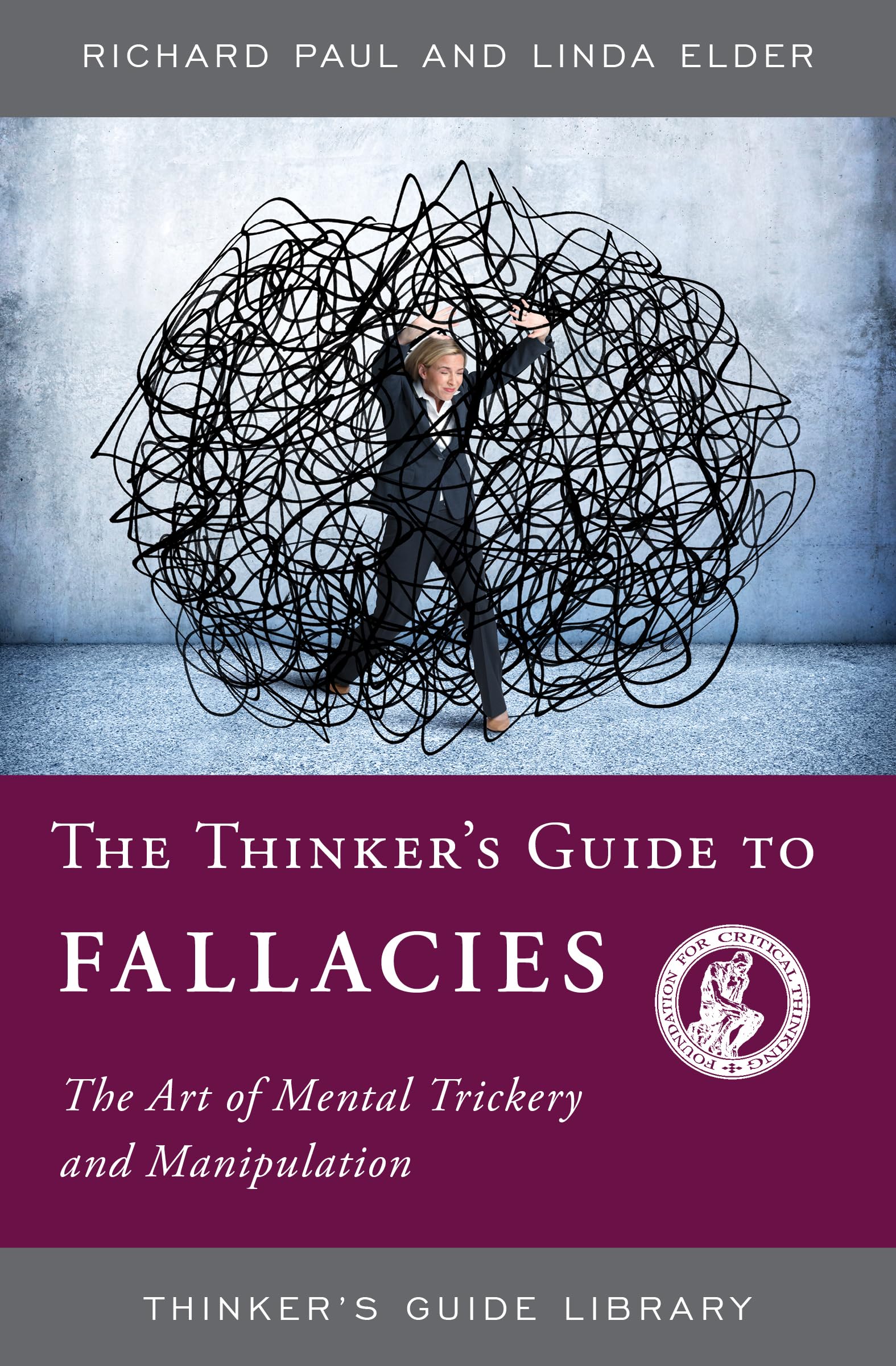
The Thinker's Guide to Fallacies by Richard Paul – Critical Thinking
Foundation for Critical Thinking
The Nature and Functions of Critical & Creative Thinking by Richard Paul – Education
Foundation for Critical Thinking
A Critical Thinker's Guide to Educational Fads (English, Richard Paul | Linda Elder)
Foundation for Critical Thinking
The Thinker's Guide to Intellectual Standards (English, Linda Elder | Richard Paul)
Foundation for Critical Thinking